
Garden Shed Hobby Rooms: Add Storage Without Losing Workspace
Garden shed planning
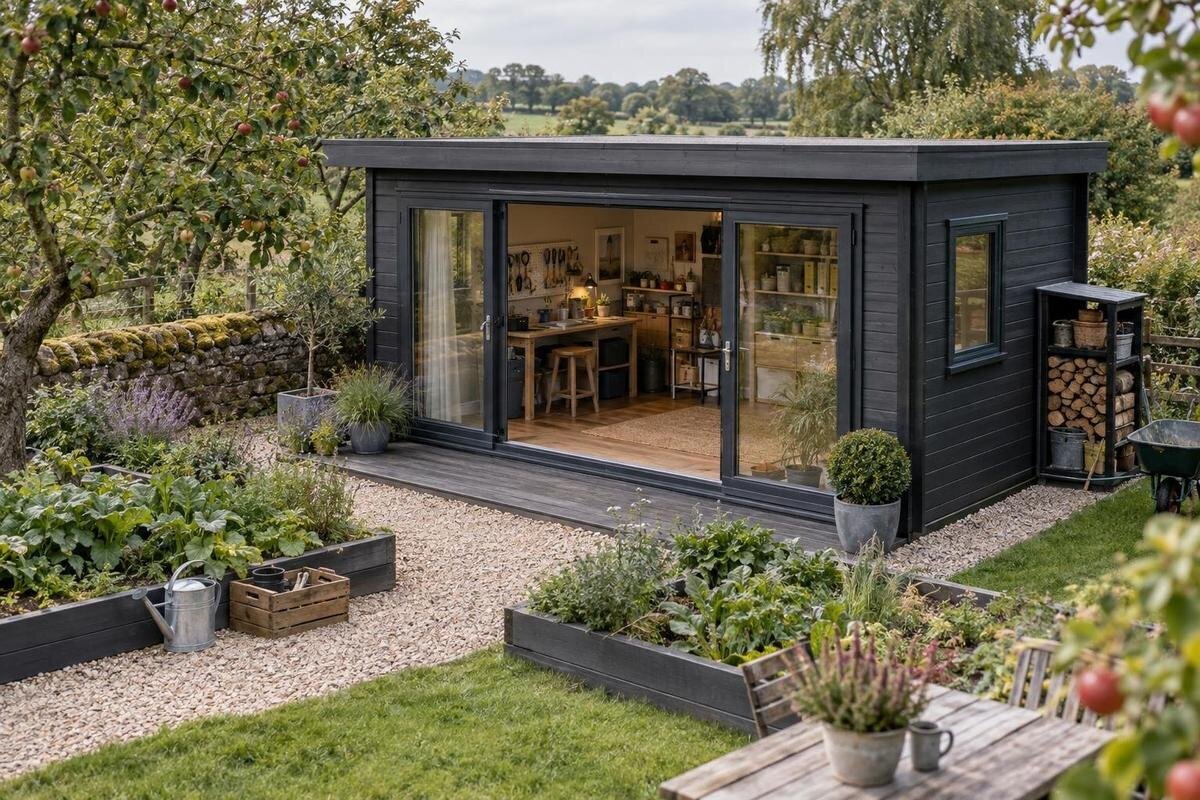
A garden shed hobby room is easier to use when storage follows the work instead of filling every spare corner. Before choosing a building or buying shelves, list what you need to keep, what must be close at hand and how much room your projects occupy while you work. Treat the building and its contents as one plan: supplies need a clear home, ongoing work needs somewhere to sit, and you should be able to get from the entrance to the work area without moving boxes. The right balance depends on your hobbies, the size of your equipment and whether the room has to serve more than one purpose.
Plan the hobby room around the work
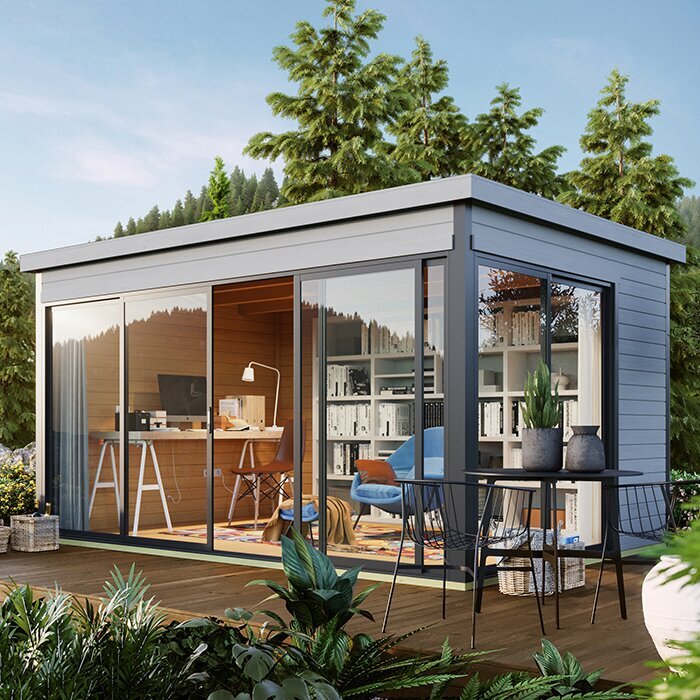
Before looking at shelving or a larger shed, describe a typical session from the moment you arrive to the moment you put the work away. Note what you take out, where you handle it, how large the project becomes and what, if anything, must stay assembled between sessions. A sewing project, model-making task, bike repair or potting job may call for different arrangements; the point is to record your own equipment and movements rather than fill the room with generic storage. Mark any activity that needs a clear surface, a seat, room to turn or a place for unfinished work.
Then divide the list into active workspace, supplies used during a session, reserve stock, and completed or ongoing projects. That distinction stops frequently used items competing with materials you reach for only occasionally. If the shed will serve two hobbies, list each set of essentials and decide what can genuinely be shared, such as one table or a small-parts organiser. Include bulky kit and awkward shapes: a long tool, project board or case still occupies space even if it will not fit a drawer. Note what must stay assembled and what can be packed away. Plan for the largest normal set-up, and decide whether an unusually large, occasional project needs permanent room.
Measure usable floor space before choosing a shed
Measure the space you can actually use inside the shed, not just the external footprint shown in a headline. The inner dimensions can differ from the overall size, and usable floor area may be affected by the construction, openings or items you plan to add. Write down the space needed by your bench, equipment, chair and largest regular project, then draw them as separate shapes on a simple plan. Include any clearance needed to operate equipment, following its instructions. If you are deciding between buildings, compare the same measurements for each; a larger outline is not automatically a better hobby room if the work area becomes hard to reach.
Add the footprint of storage, then trace the route you will use to enter, carry supplies and reach the work surface. Leave enough unoccupied area for the movements your hobby involves: sitting back from a table, turning with a piece of material or setting an item down temporarily. There is no universal clearance that suits every project, so size it around real equipment and how you handle it. When considering the Verdana 1 garden house, use the listing as a source of measurements to check, not a guarantee of fit: confirm its stated internal dimensions and access details before you commit.
Store regular-use supplies within reach
Sort supplies by how often you use them and by the task they support. Put items needed in most sessions near the work area, keep occasional tools and reserve materials in a secondary zone, and avoid giving prime reach space to duplicate stock you rarely touch. Group small components into labelled trays or boxes by project or function; one large container may look tidy but turn a quick search into a rummage. Keep heavier or awkward items somewhere you can handle them comfortably, rather than stacking them where you must shift other equipment to get at them. A brief inventory can also help you spot what you already own.
Think through the sequence of a job: what you pick up first, what needs to be beside the bench and what goes back when you finish. A compact kit for one activity can be easier to retrieve than separate pieces scattered around the shed, while shared tools should have an obvious return point. Choose storage based on the size of your supplies and what you can reach, not on how many containers fit in a photograph. For the Verdana 2 garden house listing, check whether the details you need to plan these storage zones are provided; treat any unlisted measurement as a question, not an assumption.
Keep the work surface clear and the route usable
Decide what kind of surface your main hobby requires before choosing benches, tables or cupboards. A fixed workbench can suit a task that stays in one place, whereas a moveable table may help a room that changes purpose; either option takes up more than its top alone. Allow for legs, drawers or storage below, the chair or stool you use and the size of a project laid out on the surface. Also consider whether work can stay set up between sessions or the bench must be cleared each time. Keep the worktop available for the job rather than treating it as a permanent shelf for boxes.
Place frequently used tools and materials close enough to fetch without interrupting the work, but give them a separate home so they do not accumulate along the bench edge. A tray for the current task can keep pieces together; when the job pauses, it can move to a planned shelf or project area. Check that the route between the entrance, storage and bench remains usable once furniture is in place, including when you are carrying something. Use those requirements to assess the Durano garden shed listing against its stated dimensions; a product name cannot show how much working space your own layout will leave.
Check wall suitability before planning wall storage
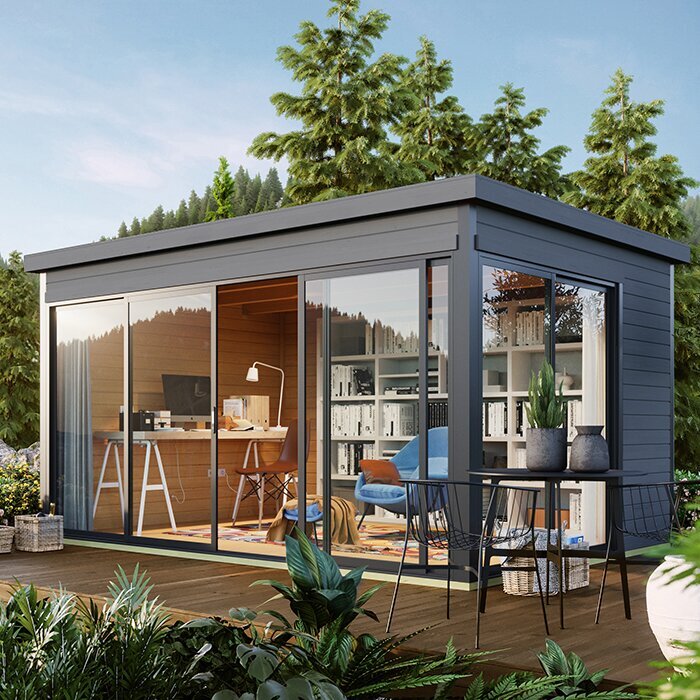
Wall storage can free floor area, but it needs to suit both the items and the building. Shelves, rails or a board for small tools may help keep a worktop clear; decide where they would sit before buying them, and check that the proposed fixing method is appropriate for the wall construction. Do not plan a heavy cabinet or substantial load on the assumption that every shed wall will support it. If the product information does not make the wall arrangement clear, ask the supplier or a suitably qualified installer before relying on it for heavier storage. It is easier to settle this while planning than after the room is full.
Keep items you reach for often at a practical height and heavier objects low, so you do not have to lift them over other equipment. Long-handled or unusually shaped tools need a secure place where they will not fall into the route or catch on a project. A row of hooks is not useful if you must move several tools to reach the one you need. Avoid turning every wall into a deep shelf, too: storage should not make the room feel cramped or hide items behind one another. For the Veltor 1 garden house, check the available product details against your wall-storage plan, and seek clarification if suitability is not stated.
Choose containers to fit the supplies
Choose containers around what they hold. Small parts are easier to sort in shallow, labelled compartments, while bulky supplies may need a box that can be lifted out without dismantling a stack. Measure a representative set of items, including handles or lids, before ordering standard tubs; they may waste shelf space if they are much larger than the contents or do not fit the shelf depth. Account for a lid or handle when working out how much height a container needs. Transparent sides can make contents easier to spot, while opaque boxes keep a mixed collection out of view; either way, put the label where you can read it without taking the box down.
Give each container a clear category and avoid mixing unrelated materials just to fill it. Separate current-project supplies from back-up stock, and store materials with specific instructions in a place and container that suit those instructions; an ordinary lidded box should not be treated as protection against every shed condition. Stack only where you can still lift items safely and see what is stored, and leave room to take a box out. When checking the Orello 1 listing, compare its stated details with the footprint of the containers you plan to use rather than estimating capacity from a photograph.
Organise a shed shared by more than one hobby
A room used for more than one hobby needs boundaries that are easy to reset. Give each activity a defined set of supplies and, where practical, a labelled tote or project box that can be brought to the work surface as one unit. Mark the space that must remain free for the next activity rather than letting the latest project spread into shared storage. For equipment used by everyone, choose one agreed home and label it plainly; otherwise duplicated purchases and misplaced tools can quickly use up the space you meant to save. Keep the system simple enough that putting things away is realistic at the end of a session.
Some hobbies are seasonal or happen only in short bursts, so avoid fixing the entire room around an activity you use a few times a year. Store its supplies together in a less prominent zone, but keep access clear so you can bring them forward when needed. A modular set-up, such as movable boxes or a trolley, can adapt as interests change, provided it does not obstruct the route or become another permanent pile. When assessing the Modano 1 garden house, list the activities that need to share the space and check the stated dimensions against that combination, rather than relying on the model name to indicate a suitable layout.
Plan how equipment and projects will enter the shed
Consider how your largest tools, materials and partly finished pieces will get through the entrance and to their place. Check the size of each item in the way you will actually carry or move it, not only the space it occupies when flat; a long board, large box or assembled piece may need a clear approach and path through the room. Draw the access route along with the furniture, and avoid placing the only temporary landing spot in front of something you need to reach. A route that is too tight can make a roomy-looking plan frustrating if each delivery means moving the bench or emptying a shelf.
Think about assembly and future replacements when ordering the building or its storage. Confirm which entrance and internal dimensions are stated, whether items arrive assembled or in separate pieces, and whether the route from the delivery point to the intended site is practical. Do not assume a product category will suit every tool simply because of its name. If the Wooden garden tool shed M is among the listings you are considering, compare its documented access details with the largest item you expect to store before making a choice.
Check the building and ordering details
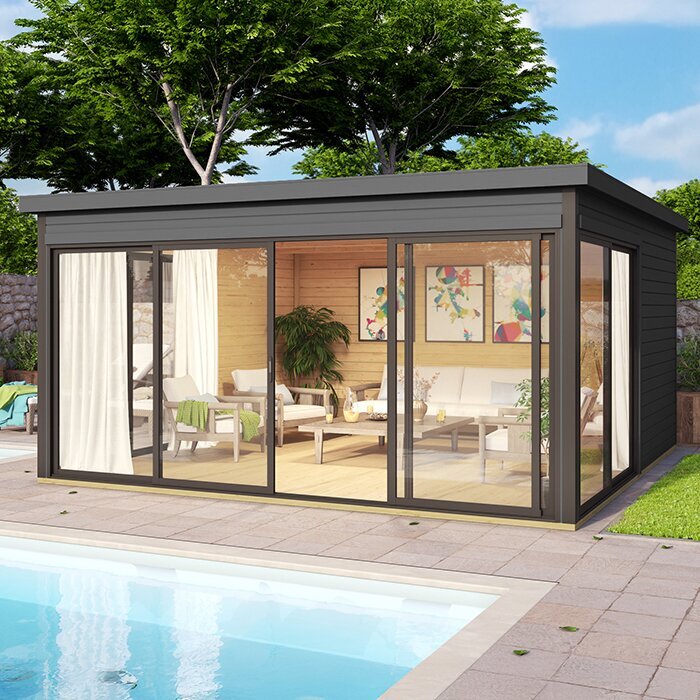
Read the product page as a specification to verify, not as a complete floor plan. Compare external and internal measurements, note which dimensions are given and check details that affect your layout, such as openings, wall arrangement and what is included. A photograph can help you picture the style, but it cannot establish usable area, what arrives with the shed or whether a shelf can be attached. If an important detail is missing, ask the retailer before ordering rather than filling the gap with an assumption. Keep the answers beside your sketch so you can compare each candidate against the same requirements.
Think about the site and order as well as the room itself. Check the route for delivery and assembly, any preparation required for the chosen building, and whether its care requirements suit the time you can give it. Confirm whether any floor, treatment, accessories or fitting work you need are included or must be arranged separately; do not infer this from photographs. Where base preparation, power or other specialist work is involved, seek appropriate professional advice rather than improvising from a room plan. Assess the Wooden garden shed S listing using its stated product and ordering details, not the model label alone.
Test the layout before buying storage
Before ordering shelves or cupboards, test the plan at full size. Mark the bench, storage footprints and clear route with removable tape on a floor, or use boxes to represent bulky pieces. Walk through the movements of your hobby: sit where you will work, reach for the tools you use and imagine putting a finished or unfinished piece aside. This can expose conflicts that are difficult to notice on a drawing, such as a box occupying the spot where you turn or a shelf making a frequently used item awkward to retrieve. Adjust the layout before committing to furniture.
Buy storage in a sequence that leaves room to learn from the actual space. Once the shed and its internal measurements are confirmed, begin with essentials for the main activity, then add containers or shelves only where the arrangement shows a genuine gap. Leave some flexibility for supplies or interests that change, but do not treat every empty area as a reason to buy another unit. A room is working well when you can start a project without clearing the worktop, find what you need and put it away again. That is a more useful test than counting shelves or boxes.
Frequently asked questions
How much floor space should remain clear in a hobby shed?
There is no single clearance that suits every hobby. Keep enough open space for your actual project, the way you move around it, and a clear route between the entrance and your work area. Include chairs, equipment and anything you need to set down temporarily in your plan.
Should I buy storage before or after choosing the garden shed?
Plan the storage early, but wait to buy it until you have checked the shed’s internal dimensions and the relevant wall details. That helps you avoid choosing shelves or cupboards that do not fit, or assuming a wall can support a particular unit.
Can a garden shed hold hobby supplies and garden tools?
It can if the combined items fit without taking over the working area. Give each activity a defined storage zone, keep regularly used hobby supplies easy to reach, and check that longer or bulkier tools do not block the route through the shed.
Where should I keep a project that is not finished?
Set aside a specific place for ongoing work, such as a clear part of the work surface or a separate project box or tray. Measure the largest piece you expect to leave out so it does not occupy the only route or displace supplies you need for other tasks.
Which details should I check before ordering a garden shed?
Compare the stated internal and external dimensions, access details and wall information with your layout. Check what is included, any assembly or site-preparation requirements, and the delivery terms. Ask the retailer about details that are important to your plan but are not clearly stated.
A useful hobby shed is not the one with the most storage; it is the one where storage makes the work easier to start, continue and put away. Plan around the footprint of your projects, give frequently used supplies a clear home and leave the work area and route open. When the building and storage are chosen against that layout, the room can support your hobbies without letting boxes and equipment take over.
