
Garden Shed Privacy Without Losing Natural Light
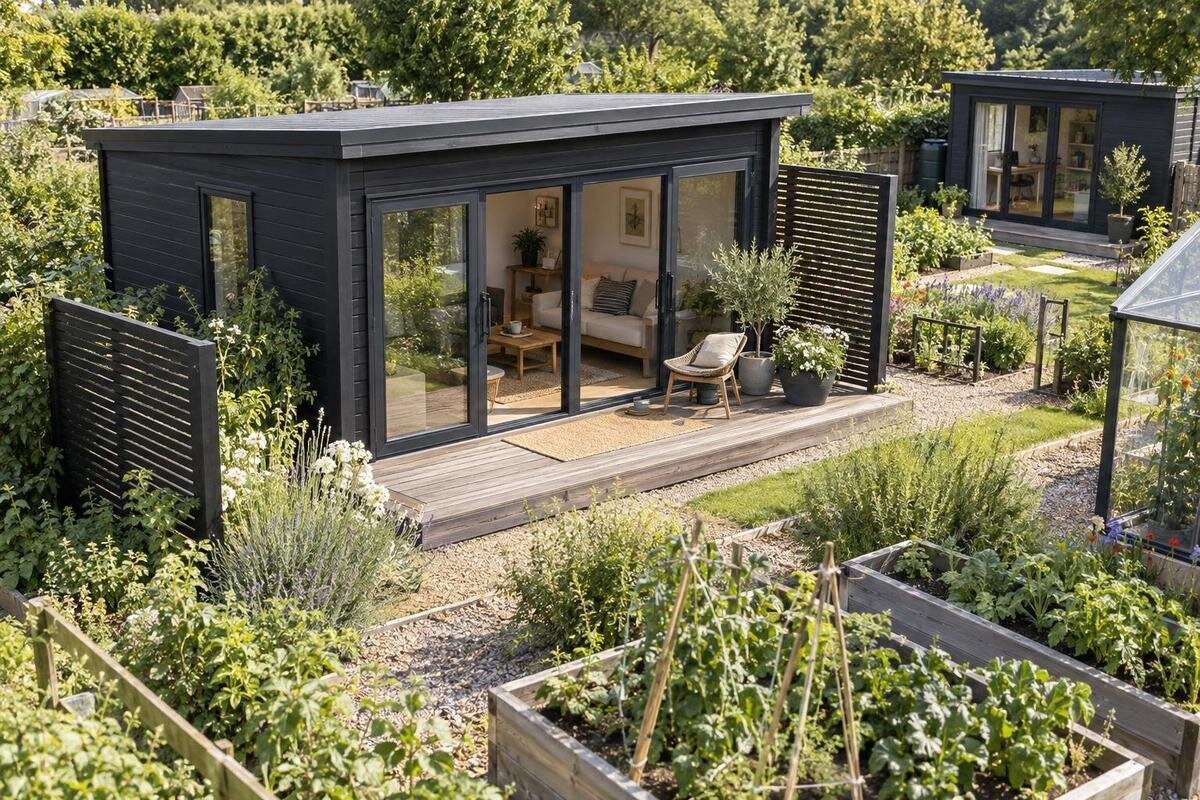
Garden shed planning
Privacy and daylight need not be competing goals in a garden shed. The useful balance depends on what you need to keep out of view, where daylight enters, and how the shed sits beside boundaries, paths and neighbouring windows. Plan the sightlines and likely furniture layout before comparing garden houses; then check each product’s documented openings and dimensions. A discreet screen may solve one sightline while leaving the rest of the room bright.
Before you buy 1
Define what privacy means for the room
Begin by deciding what “private” means for this room. A potting or storage shed may only need to hide equipment from a path; a place to read, work or change clothes calls for more care at seated or standing eye level. A view from a nearby house may matter more than a glimpse from the garden gate. Write down which activities need seclusion, at what times and from which viewpoints. Also separate hiding items from avoiding direct views of people: those needs can call for different choices. This gives you a practical brief for comparing designs, rather than a general wish to conceal every side of the building.
Treat daylight as a separate requirement, not an afterthought. Note where you would like a bright work surface, a seat or an open view, and which corner could manage with less light. Privacy can often be aimed at one wall or sightline instead of achieved by covering every opening. If the room will serve several purposes, sketch a furniture plan as well: a desk or chair placed in a visible line may need a different position from a storage bench. A bright room does not necessarily need direct sun on every activity; useful, even daylight and a private outlook are separate targets. These priorities help you compare layouts on their actual fit for your use.
Map sightlines around the proposed site
Visit the proposed site and look towards it from the places that matter: kitchen or upper-floor windows, shared paths, garden seating and gates. Mark each direct view on a rough plan, alongside the likely shed position, door and possible window walls. Check from sitting and standing height; an opening that feels sheltered from the lawn may line up with a neighbour’s upstairs view. If the location is not fixed, compare a few positions before deciding on screening. Turning the building or moving it slightly can sometimes change which boundary faces an opening, so record the alternatives rather than assuming the first clear patch is the only workable one.
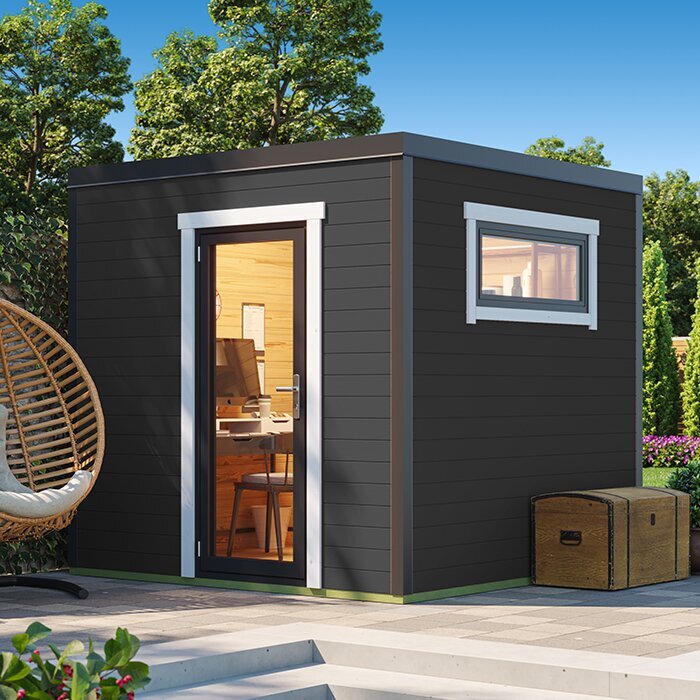
Repeat the check at different times of day and, where possible, across seasons. Sun and shadows move, and a deciduous hedge that hides a view in summer may leave it exposed in winter; a boundary can also shade an opening at certain times. Product images cannot show these conditions at your site. Use the Verdana 1 garden house listing alongside a supplied plan or opening details, if available, and compare the documented layout with your own sketch. Confirm which openings belong to the exact version rather than reading a photograph as a promise. This makes the shortlist respond to your garden, not an imagined setting.
Before you buy 2
Choose window positions around views and daylight
Window position shapes both daylight and what people can see inside. An opening on a less exposed side may suit a private work or seating area; a higher opening may avoid a direct eye-level view while still bringing in light. Neither arrangement is right for every garden: a high window may not provide the outward view you want, and an upper-floor window nearby can still look down into the room. Decide which activity needs privacy and which outlook you want before you compare window walls. The aim is not to hide every pane, but to avoid placing the most exposed view directly opposite the part of the room you use most.
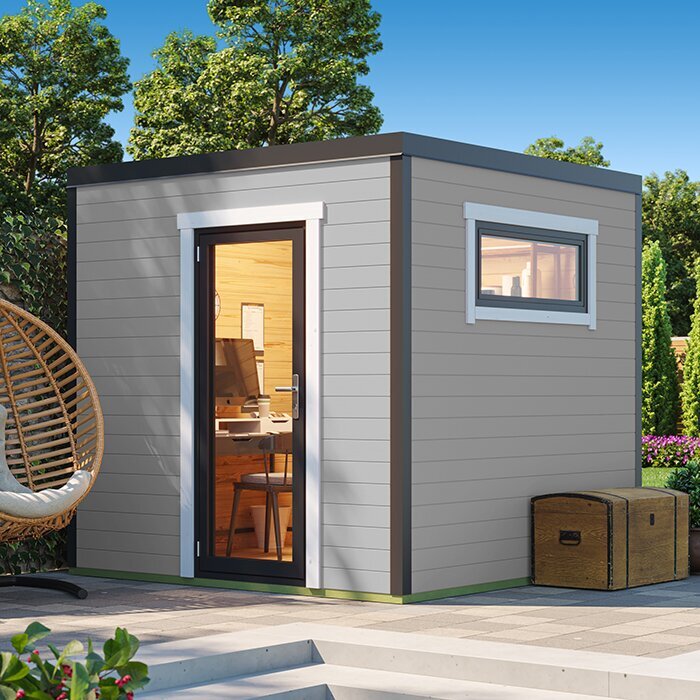
Separate what comes as standard from an alteration you hope to make. Product plans may identify fixed opening positions, while a photograph may not make their exact arrangement clear. Do not assume a window can be moved, added or changed to suit the site; ask whether that configuration is available for the specific design and version. The Verdana 2 product page is one listing to inspect, but base the comparison on its written details or a seller’s confirmation, not its name. If the plan leaves a point unclear, request a drawing before you shortlist it. That saves you from building a privacy solution around an unconfirmed opening.
Use external screens for specific sightlines
Exterior screening is most useful when it answers a particular viewing angle. A short fence return, trellis or carefully positioned planting may interrupt a line from a path or neighbouring seating area while leaving the other sides open. Before choosing height and length, stand at the viewpoint and note how much of the window is visible; a low barrier will not screen a view from above, while a broad solid panel may cast more shade than expected. Slats can admit some light through gaps, but those gaps may still leave a diagonal view. Consider the direction from which light reaches the opening as well as the line of sight.
Draw the screen separately from the garden shed so it is clear what belongs to the product order and what you will plan around it. Check its effect from more than one direction, and keep doors and openable windows accessible. When you review the Durano garden shed listing, first establish which openings the written details show; only then place them against your fence or planting plan. A listing cannot tell you how your boundary will shade the room. Ask about an accessory only if the seller confirms it is available and compatible with the exact design, rather than treating a general image as part of the order.
Before you buy 3
Arrange the interior without blocking windows
Room arrangement can reduce exposure without covering glazing. Angle a desk or chair away from a direct sightline, use a screen or shelving to protect one work area, and keep tall furniture from blocking the main source of daylight. If just one activity needs seclusion, place that corner on the less exposed side and leave the rest of the room open. Check the plan from outside as well as inside: a seat that feels screened from within may still be visible through a window from the garden path. Use actual interior dimensions before choosing furniture, so the privacy layout does not crowd the doorway or block a window.
Once you shortlist a model, use its published footprint and opening positions rather than a generic room sketch. Note how much wall remains for storage, where the door opens and whether a partition would interrupt the light path. For the Veltor 1 listing, check the exact product information for measurements and layout before drawing furniture around it; do not infer them from the name or a product photograph. A scaled sketch can reveal conflicts before you order, especially where a desk, shelves and a private corner compete for the same wall. If the relevant dimensions are not shown, request them.
Choose window coverings for day and night
Window coverings can help when an outside screen is impractical, but they change both privacy and brightness. A light-diffusing blind or suitable translucent treatment may obscure detail while admitting some daylight; an opaque covering, fully closed, is more reliable when privacy is needed after dark. Sheer fabrics and reflective films should not be treated as guaranteed one-way privacy: a lit room can be visible from outside even if a treatment looks reflective in daylight. Decide whether you need privacy only from particular angles or complete concealment at certain times, and whether preserving an outward view matters.
For a new purchase, confirm the glazing and window details in writing, and check whether a proposed treatment is suitable for that surface before applying it. Film may be difficult to remove, while a blind or curtain needs enough space to operate without interfering with an opening. The Orello garden house listing is a page to assess against those questions, not evidence of any particular glazing arrangement: use its written specification, or ask the seller, to establish what the exact option includes. Do not estimate privacy or brightness from a model title or promotional photograph. That avoids relying on a feature the product order may not provide.
Before you buy 4
Keep screens clear of doors and windows
Plan screening around all openings that you intend to use, not only the window visible from the main viewpoint. A panel or hedge could obstruct the route to a door, make an opening harder to reach or throw shade across a second window. Check the drawing for the way any doors and openable windows operate; do not assume a door slides or swings from a photograph. Leave clear space to use the openings as designed and to reach them for routine cleaning. If your privacy plan depends on keeping an opening covered all the time, consider whether that fits the room’s everyday purpose.
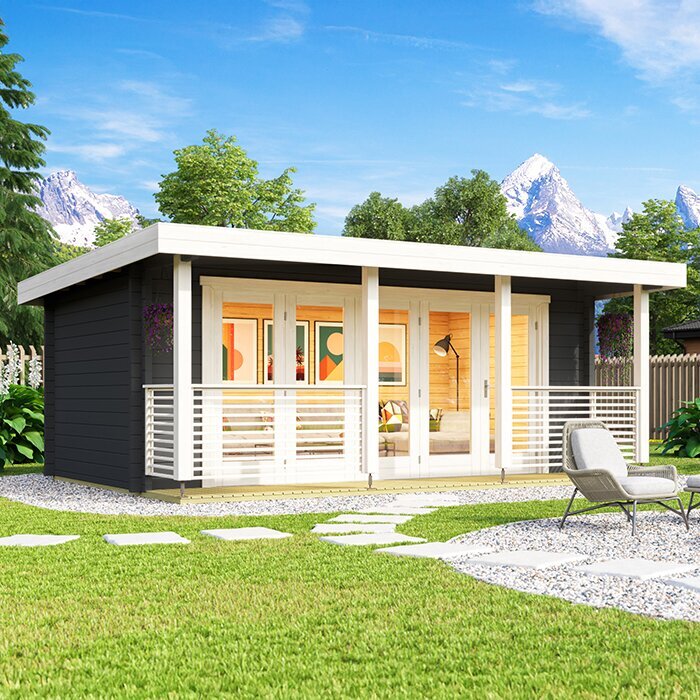
Ask the seller which openings are included in the exact version and whether their position or operation can be changed. If the layout is fixed, compare another position for the shed or use a separate screen instead of relying on an unconfirmed alteration. Use the Modano 1 product details to look for a documented arrangement or stated options; where the page does not answer the question, request a relevant drawing or written clarification. Making that check before ordering is more practical than discovering later that a door, blind or privacy screen conflicts with the chosen layout. Keep any answer with your order notes so it is clear which configuration you selected.
Plan planting for mature height and seasonal cover
Planting can be a softer privacy screen, but it is not a fixed-height panel. Deciduous growth may hide views in leaf and reveal them in winter; evergreens may remain covered but can still thicken and cast more shade as they grow. Consider the mature height and spread, not just the small plant at purchase, and notice how the planting affects light at different times. A row of shrubs may screen a low boundary view but do little against a high window. Choose planting for the particular sightline, then decide how much seasonal change and maintenance you are willing to manage.
Allow room for growth and maintenance: keep future branches from covering a window, narrowing the route to the door or making a window difficult to reach. A privacy plan for tool storage may focus on concealing contents and the entrance; a workspace might need a protected seat and a bright surface as well. For a model such as the wooden garden tool shed M listing, compare its published footprint and opening layout, where stated, with the eventual planting line. If details are missing, ask rather than estimating them from the product name. This comparison tests site fit; it is not a claim about the model’s windows or suitability.
Before you buy 5
Compare product details before you buy
Before buying, compare like with like: the footprint and wall layout, the position of each opening, the glazing details given, whether a window opens, and what is included in the exact configuration. Put those details on the site plan and judge which layout meets your privacy priorities with the least loss of daylight. More glazing does not automatically mean a brighter room: orientation, nearby shade, room use and treatments all affect the result. Conversely, fewer openings may not suit a task that needs a bright work area. Use the written specification for the selected version, not a broad category description, to make the comparison.
Check any screen, blind or window adjustment separately: do not assume an accessory is included, compatible or available simply because it appears in a general photograph. The wooden garden shed S page is one product page to assess with the same checklist; look for exact measurements and opening information for the version you intend to order. Ask the seller to clarify anything missing and keep the reply with your purchase notes. If your plan depends on changing the building, ask before ordering whether that change is supported. Otherwise, choose a site position, screen or room layout that does not rely on unconfirmed work.
Confirm the layout before placing an order
Before you commit, send the seller a concise brief: how you will use the shed, which views need screening, where you want daylight and the position of nearby boundaries. Include a simple sketch with the proposed footprint, potential openings and any planned screen. Ask which openings are included, what dimensions and glazing details apply, whether those positions can be altered, and which accessories suit the exact version. Request a drawing for the product you are ordering instead of relying on a display photograph. If no available layout meets your needs, compare another design or location rather than assuming a later modification will be possible.
Use measurements from that drawing to mark the footprint and approximate window positions on site, then view them from the sightlines you recorded. A temporary outline or board held at the proposed opening position can help you judge whether a screen would block a direct view or reduce useful daylight before you commit to it. Repeat the check from indoors, imagining the planned seat or work surface. If the chosen position or any alteration raises questions about local planning or building requirements, seek guidance from the relevant authority or a qualified professional. The final choice should leave a clear answer to both questions: what is hidden, and where does the light enter?
Frequently asked questions
How can I keep a garden shed private without blocking daylight?
Trace the views from paths and neighbouring windows, then screen only the exposed angle with planting, a trellis or another suitable barrier. Keep other openings clear and position furniture so private activities are not directly in view. Check the effect at different times, as a screen may change the light as the sun moves.
Does reflective film keep a shed private at night?
It should not be treated as reliable one-way screening after dark. When the shed is brighter inside than outside, people may see silhouettes or details through the window. If night-time privacy matters, consider a fully closable opaque blind or curtain, and confirm that any film is suitable for the glazing.
Should I choose window positions before buying?
Yes. Window positions affect both the views into the room and where daylight enters. Compare the exact product drawing with your site plan and intended furniture arrangement before ordering. Confirm what is included and whether changes are supported; do not assume a window can be moved to suit a boundary.
Can I move or add a garden-shed window later?
That depends on the particular design and the supplier’s guidance, so do not assume a change is possible. Ask before purchase whether the exact model supports it and whether it affects other parts of the specification. If it is not supported, compare another layout or plan an external screen instead.
Will planting screen a shed all year?
Coverage changes with the plant and the season. Deciduous planting may screen views in summer and reveal them in winter, while evergreens can still develop gaps or grow wide enough to shade a window. Plan for mature height and maintenance, and check the view from the relevant path or neighbouring window.
A bright, private garden shed comes from matching the openings to the site and treating only the exposed sightlines. Map views from nearby homes and garden paths, decide how the room will be used, then compare the documented layout of each shortlisted shed. Test screens, furniture and planting against daylight at different times, and confirm the exact configuration before you order. That approach leaves room for light where it is useful while keeping privacy measures focused rather than making the whole shed dark.
