
Garden Shed Project Timeline: From Site Preparation to First Use

Garden shed planning
A useful garden shed project timeline is less about picking one date and more about lining up decisions that depend on one another. The proposed site needs to suit the building; the base must meet the product’s requirements; delivery access and assembly need to be arranged; only then can a first-use date be realistic. Lead times, weather, ground conditions, access and the work you plan to do yourself all affect the sequence. Use this timeline as a series of decision points, not a promise of a set number of days: confirm model details and dates with the relevant supplier or installer.
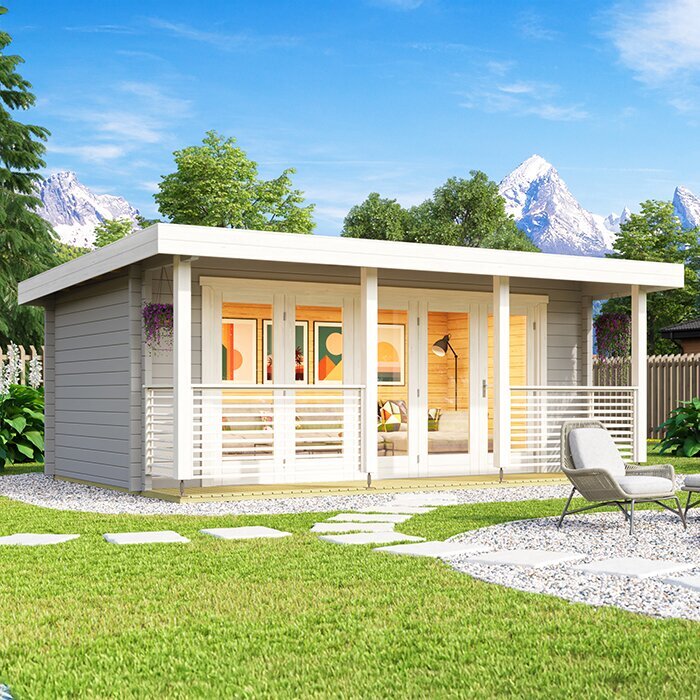
Define what the shed needs to do
Before comparing garden sheds, write down what will go inside and how often you need to reach it. List the largest items, their approximate dimensions and any awkward shape or height that affects lifting them through an opening. Separate essentials from things you may buy later. If the building will serve more than one purpose, decide which use takes priority; otherwise, it is easy to choose a layout that sounds versatile but does not work well for the main job. Note whether items need to be carried in together, stored upright or reached without moving other contents. This brief gives you a practical test for size and access without relying on a product photograph.
Set a provisional first-use date, then work backwards through the site check, base decision, site preparation, delivery, assembly and final inspection. Write down what each milestone depends on: the base requirements need to be known before groundwork is settled, and assembly cannot be booked confidently until delivery and access are clear. Ask which dates are estimates and which are confirmed, and name the person responsible for each task. This avoids treating the order date as the project start or allowing an unanswered question to hold up everyone else. Keep the target flexible until supplier and contractor timings are known.
Compare garden sheds against the brief
Compare each candidate with your brief using published product information, not only photographs or model names. Confirm the overall dimensions and any stated internal measurements, the position and clear opening of doors, and the room needed to assemble and use the building. Check what is included, such as any stated floor or accessories, and what is optional. A listing such as the Verdana 1 garden house listing can be one candidate in that comparison; use the details it actually provides and ask the seller for missing specifications or assembly documents before deciding it suits your garden or the items you intend to store.
Look beyond initial fit. Read the manufacturer’s information on materials, finish, upkeep, assembly and the required base, and check whether the product is intended for the way you plan to use it. A shed that needs more maintenance than you can provide may be a poor match even if it appears to be the right size. Do not treat a material label, photograph or model name as a substitute for care instructions or technical details. Note requirements that could affect the schedule, such as preparation of the base or finishing after assembly, and include those stages when comparing options.
Check the site and delivery route
Visit the proposed position and mark the intended footprint on the ground, using the confirmed dimensions rather than an estimate from a photograph. Check that doors can open and people can reach the shed without being boxed in by fences, planting or stored items. Allow room to work around it during assembly and later maintenance. Look for obvious unevenness, soft areas or drainage concerns, but do not guess at a foundation solution from a quick visual check. If the ground raises questions, ask a suitable contractor or qualified professional to assess it before you order.
Trace the route from the place a delivery vehicle can stop to the proposed site. Gates, narrow turns, steps, slopes, overhead obstructions and the distance components must be carried can all affect the plan. Check the delivery and handling information for the exact model, including the Verdana 2 product page, and ask the seller what access is needed and where goods will be left. Confirm separately whether the delivery vehicle, packages and assembly team have any particular access needs. Check any relevant local requirements for the chosen location before committing, and tell the supplier or installer about constraints early.
Settle the base requirements early
Confirm with the manufacturer or seller what base dimensions, support and surface preparation the chosen shed requires. Pass that information to whoever will prepare the site, and ask them to confirm that the finished base will meet the product’s stated requirements. If you are considering the Durano garden shed listing, use its exact, confirmed requirements in that conversation; do not rely on a product image or name as a substitute for written information. If the ground, drainage, slope or proposed position is uncertain, seek site-specific advice from a qualified professional. The aim is to resolve the base question early, not to design one from a general timeline.
Agree a clear handover for the groundwork: who is doing it, what information they need, what counts as finished and who will confirm it before assembly. Site preparation may involve clearing the footprint, addressing an unsuitable surface or coordinating a contractor, and these tasks do not all follow the same timetable. Allow for any checks or preparation specified by the manufacturer or professional. If the planned position or base changes, tell the delivery and assembly teams; measurements and access arrangements may need to be reviewed before the next stage proceeds.
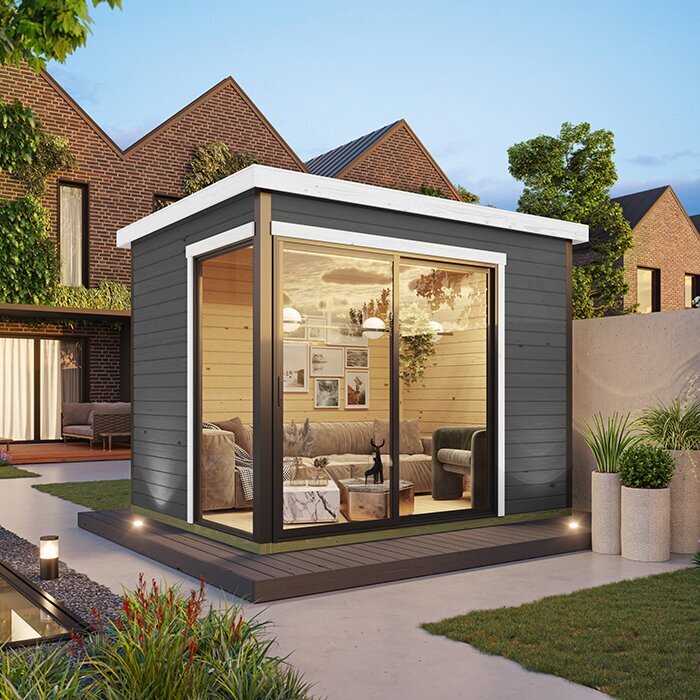
Confirm the order before fixing dates
Before ordering, match the exact model and configuration on the quote to your notes. Confirm its dimensions, stated contents, optional extras, base requirements, assembly arrangements, care information and delivery terms. Ask which documents apply to preparation and whether assembly is included in the order or arranged separately. For the Veltor 1 product page, as with any candidate, do not infer a feature or component from the name or photograph; confirm it in the product information and written order. Keep the final details together, because the person preparing the base, the installer and whoever receives the delivery may all need the same version.
Ask for current lead-time information and how the seller will confirm a delivery window; distinguish an estimate from an agreed date. Check the order confirmation for the correct model, address, selected options, contact details and any access requirements. Read the supplier’s terms for payment arrangements, changes and the procedure for reporting shortages or damage. When comparing quotes, compare the same scope of work: base preparation, delivery, assembly, optional extras or finishing may be treated separately. Keep dates you control distinct from those that depend on a supplier or contractor, and leave room for changes.
Prepare the site after the order is confirmed
Once the order is confirmed, schedule site work around the information supplied for that exact shed. Use the stated footprint and base requirements to check the finished position; details for the Orello 1 product listing should be confirmed from its product information, not read into its model name. If someone else is preparing the base, send them the latest details and ask them to flag any mismatch before work begins. Where the site needs further investigation or a professional assessment, make that a stopping point in the schedule rather than assuming the original plan will work.
Keep the delivery and assembly area usable as the date approaches. Remove equipment, pots, branches and other obstructions from the agreed route and work area, and decide where components could be placed if the supplier’s arrangements allow it. Do not assume packaging can be stored outdoors or handled in a particular way; follow the supplier’s guidance. Confirm the base is ready and the people needed for the next stage are available before accepting a slot. Weather or ground conditions may affect some outdoor work, so agree with the person responsible how a change would be handled.
Plan for delivery and receipt
Treat delivery as its own milestone, not the end of the project. Before the agreed date, reconfirm the window, access route, unloading arrangements, contact number and whether someone needs to be present. Ask what to do if the vehicle cannot reach the site or a package cannot be moved to the agreed place. Keep the questions tied to the specific order: the Modano 1 product listing should be checked alongside the seller’s current delivery terms, not used to assume how delivery works. If you have booked an installer, confirm that the arrival sequence still fits.
When the goods arrive, compare the delivery paperwork and visible items with the order, and check for obvious damage in line with the carrier’s and seller’s process. Record and report any discrepancy promptly, rather than finding it partway through assembly. Confirm that you have the correct instructions and know how the supplier wants missing or damaged components handled. If assembly will not happen straight away, follow the written storage and handling guidance and keep the components where they will not obstruct the garden or access route. This receipt check can prevent a delivery query becoming an avoidable assembly delay.
Schedule assembly after the site is ready
Begin assembly only when the base has been confirmed ready and the instructions for the exact model are available. Check whether the product is intended for self-assembly, whether the order includes an assembly service, and what tools or help the manufacturer specifies; do not assume these details from another model in the range. Pair the wooden garden tool shed M page with the relevant assembly information before booking labour or setting a date. If the work involves unfamiliar tasks, lifting beyond your experience or an unresolved site issue, arrange an appropriately qualified person rather than improvising.
Keep the work area clear and give the assembly window some breathing room. A missing component, a mismatch between the prepared base and the instructions, poor access or unsuitable weather may mean work has to pause. Before the day, agree who to contact and what can safely wait if a problem arises. Follow the manufacturer’s sequence and do not alter parts to make them fit. If an installer is involved, agree who checks the supplied components and who handles queries. Plan separately for any finish or treatment required by the product documents instead of assuming the shed is ready immediately.
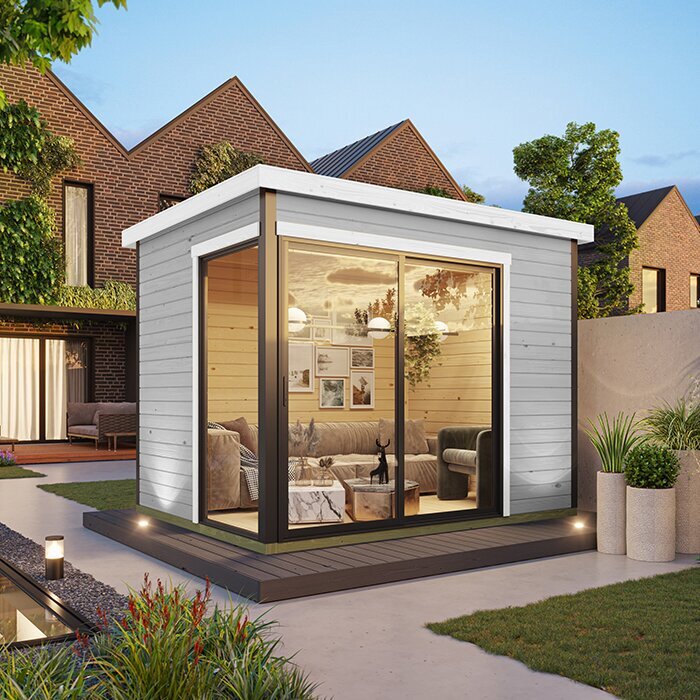
Check the shed before loading it
Once assembly is complete, use the product instructions for a final readiness check. Confirm that specified components and finishing steps are accounted for, doors and other openings operate as described, and the route around the shed is clear. Keep the order documents and instructions with your household records. If the wooden garden shed S listing was one of the options you evaluated, it can help identify what you compared; use the instructions supplied for the delivered model to guide inspection and care. If anything appears incomplete, damaged or different from the confirmed order, pause before loading the shed and contact the supplier or installer through the agreed process.
Make a contents plan before moving everything in. Start with the items from your original list, place frequently used things where they can be reached without blocking the entrance, and leave room to remove larger items again. Do not exceed any stated load or storage limits, and do not assume a shelf, floor or fixing will support a particular weight unless the manufacturer confirms it. Complete any specified treatment, drying, adjustment or other post-assembly step before storing goods. A deliberate first load makes it easier to spot a layout problem while the shed is still straightforward to rearrange.
Plan for first use and early care
The first few visits are a useful time to see whether the shed works as planned. Move items in gradually, following the product’s use and care guidance, and note whether frequently used tools are easy to reach without blocking the entrance. Keep packaging, offcuts and tools out of the access route once assembly is complete. If the instructions specify any early checks, care or post-assembly steps, carry them out at the stated time rather than assuming they can wait until a later season. This initial period helps turn the intended contents plan into a workable everyday arrangement.
After that first use, note what needs changing and follow the manufacturer’s maintenance guidance. Seasonal weather may show that the access route, storage layout or care routine needs attention; do not modify the structure without checking the instructions. Keep documents, spare parts and supplier details together so future questions are easier to resolve. A successful timeline ends with a shed ready for its intended purpose and an understanding of its upkeep, not simply a finished assembly. Allowing each stage to depend on confirmed information helps keep the final steps from feeling rushed.
Frequently asked questions
How long does a garden shed project take?
There is no reliable universal duration. The total depends on the supplier’s confirmed lead time, any site or base work, delivery arrangements, assembly and any finishing or checks required before use. Ask the supplier and any contractors for current timings, then allow some flexibility rather than counting back from an assumed delivery date.
Should the base be ready before the shed is delivered?
It should be ready before assembly, but whether it must be ready before delivery depends on the supplier’s arrangements and whether there is a suitable place to keep the components. Confirm the delivery and storage plan, and check the product’s base requirements before booking either stage.
What can delay a garden shed project?
Common causes include unclear product or base requirements, unfinished site work, access problems, changes to a delivery window, weather affecting outdoor work, and missing or damaged components. Agree who will resolve queries and how delays will be communicated before delivery or assembly is due.
What should I confirm before ordering a garden shed?
Check the exact model and configuration, its published dimensions, what is included, the base requirements, assembly information and care guidance. Confirm delivery terms, access needs and current lead-time information too. If comparing quotes, check that they cover the same work, including any separate site preparation, delivery or assembly costs.
When is a shed ready for its first use?
Use it once assembly is complete and any finishing, treatment or other post-assembly steps specified by the manufacturer have been carried out. Check the finished shed against its instructions, make sure access is clear and follow any stated limits or care requirements before loading it.
A reliable garden shed timeline is built around confirmed information: the model and its requirements, the condition of the site, delivery arrangements and the work needed before first use. Set these as milestones, make each handover clear, and commit to the next date only when its prerequisites are met. That approach cannot prevent every delay, but it makes potential problems visible early enough to respond. With a suitable base, a workable delivery and assembly plan, and a final check against the instructions, the first day of use becomes a planned outcome rather than a guess.
