
Garden Shed, Summerhouse or Log Cabin: What the Names Mean
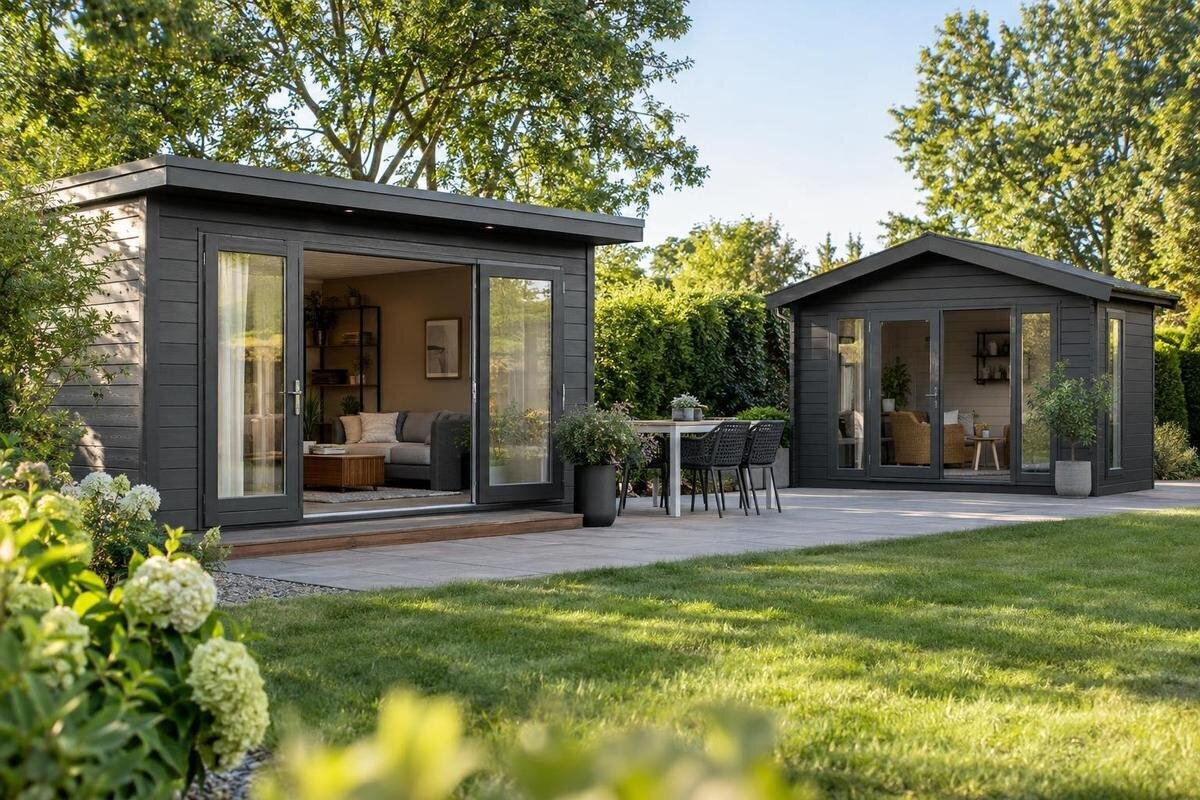
Garden house terminology
Garden shed, summerhouse and log cabin are often used as if they name three clear-cut types of garden building. In everyday listings, though, the words can overlap: one may describe the main use, another the appearance or construction, and a broader term such as garden house may cover several designs. For a buyer, the distinction is a useful search clue, not a complete specification. A reliable comparison comes from the intended use, drawings, dimensions and written product details. This guide explains what each name commonly suggests, what it cannot confirm and which questions to settle before ordering in Ireland.
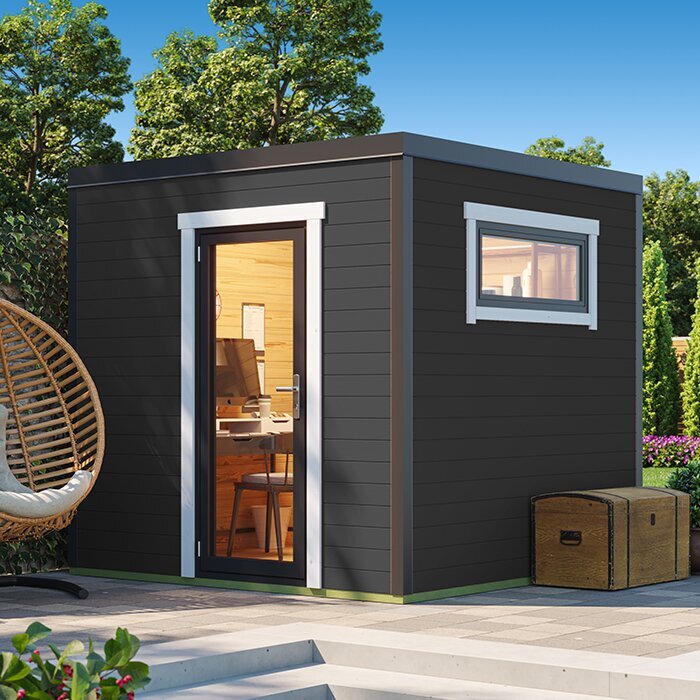
Why the names overlap
Garden shed, summerhouse, log cabin and garden house do not form a dependable ladder in which every building belongs to one exclusive category. A seller may choose a name to signal the main use, appearance or construction; another seller may use a different word for a similar product. Garden shed and summerhouse often point to different priorities, while log cabin can refer more to style or build. The terms may therefore overlap, and the wording alone cannot tell you how large a model is, what comes with it or how its interior is arranged. Treat category words as an entry point to the listing, not as a complete product definition.
Read the heading as a first clue, then turn it into questions the product information can answer: what use is described, what layout is shown and which components are included? If an important detail is missing, ask before ordering rather than filling the gap with assumptions about the name. A model identifier such as Veltor 1 does not, by itself, settle which category the building belongs in. Use search terms flexibly, then make your shortlist using the details that matter to your plans.
What a garden shed usually means
For many buyers, garden shed points first to storage: a place for tools, garden equipment, outdoor toys or other belongings that would otherwise need to be carried in and out. The label suggests a priority, not a particular amount or kind of storage. Even a listing that mentions a tool shed does not tell you whether a long item will fit, how easy it is to reach equipment at the back, or whether shelving is supplied. Write down what you intend to store and compare it with the plan and stated dimensions for the exact model.
Storage decisions are about access as well as capacity. Consider whether items need to be lifted, rolled or carried through the doorway, and whether frequently used equipment should be reachable without moving everything else. Check what floor and other components are included instead of assuming they come with the building. A name such as wooden garden tool shed M foregrounds tool storage in its wording; it does not describe the capacity, exact layout or fit for your particular equipment. The product details still need to answer those questions.
What a summerhouse usually suggests
A summerhouse generally suggests a garden building intended for spending time in, rather than simply putting things away. You might picture sitting, reading, chatting or looking out over the garden. That describes the idea behind the name, not a guaranteed interior. It does not promise furniture, a particular amount of glazing, insulation, a comfortable temperature or suitability for use in every season. One seller may apply the term to a compact leisure space, while another may use it for a more general garden room. Look at the stated design and use, not just the associations of the word.
Translate that leisure use into practical requirements. Decide how many people might use the space at once, what furniture or activity needs room, and whether you want daylight, privacy or a view of a particular part of the garden. Check drawings for door positions, openings and usable floor space; a photograph alone can make a space look different from its stated dimensions. A listing such as Durano garden shed illustrates how a title leads with a seller’s chosen category word. The plan and product details, not that word, tell you whether a model matches your own brief.
What the term log cabin can and cannot tell you
Log cabin usually evokes a timber building with cabin-like construction, often described in terms of stacked or interlocking log-profile wall pieces. Sellers do not always use the expression with the same precision: it may refer to a construction method, a visual style or a mix of the two. If that distinction matters to you, look for a clear description of the wall build, profile, stated measurements and assembly method. The words in a heading, or an attractive exterior in a photograph, are not enough to establish what is included or how the parts fit together.
Log cabin and summerhouse answer different questions: one often suggests style or construction, while the other suggests leisure use. A building described as a log cabin is not automatically intended for spending time in, and the name does not guarantee a particular level of weather protection, insulation, maintenance requirements or year-round comfort. Check the product information for the exact model against the use you have in mind. If a particular wall arrangement or finish is essential, ask the seller to confirm it rather than relying on the broad label.
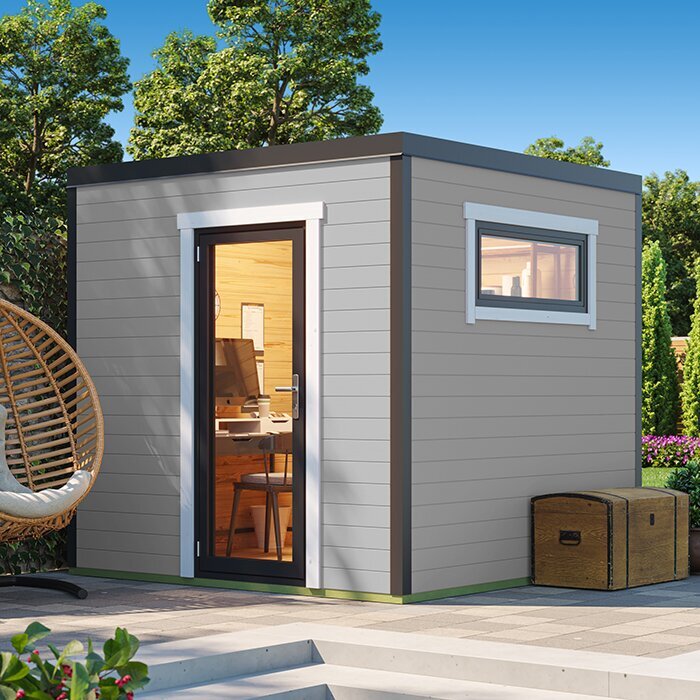
Garden house is a broad label
Garden house is a flexible name for an enclosed building in the garden. It can appear on listings aimed at storage, leisure or another use, so it is not a firm middle ground between shed and summerhouse. The word house does not, by itself, mean that a building is intended for residential occupation, is insulated, contains services or meets a particular standard. If a listing uses this term, treat it as a broad category and read the description for the seller’s stated use. If that use is unclear, compare the layout and specification with what you want to do inside.
The broad wording can help widen a search: include garden house and garden building alongside shed, summerhouse or log cabin, then rule out options that do not meet your requirements. For example, Verdana 1 garden house uses the broad garden-house wording in its name; the name alone does not say how much space is usable or whether the building suits your activity. The same rule applies whichever term appears first. A useful shortlist records the exact model names and the details that distinguish them, not just a row of category labels.
Match the building to its main use
Before choosing a label, write a short brief for the space. Is the main purpose to keep belongings accessible, create a place to sit, make room for a particular hobby, or combine uses? List the objects or activities involved, how often you expect to use the building and which season matters. Then rank your essentials: perhaps a wide opening matters more than a view, or a place to sit matters more than maximum storage. This prevents a familiar word from deciding the purchase before you have worked out what the space needs to do. It also gives you consistent questions for each listing.
If you expect mixed use, plan the two functions together rather than assuming that any garden building can do both. Sketch where stored items, furniture or equipment would go, leaving the routes and access you need for everyday use. Separate what must be inside from what could stay elsewhere, then check the drawing and stated figures for the specific option. A label such as Verdana 2 garden house remains a broad name, not proof that its layout suits storage and seating together. If the available drawings do not show whether everything fits, request clearer dimensions before ordering.
Compare dimensions and access
Compare dimensions on the same basis. The outside footprint indicates the space occupied by the structure, while internal measurements, if supplied, show how much room remains inside; one figure should not stand in for the other. Look for overall width, depth and height, and note which parts of the building those figures measure. If a drawing marks a doorway or roof overhang, check whether it is included in the stated size. The shape of the floor plan matters too: buildings with similar headline dimensions can use their space differently. A model name such as Orello 1 is not a dimension schedule, so compare the figures for the exact version you are considering.
Access is part of usable space. Measure the largest item that needs to pass through the entrance and compare it with the clear opening shown in the product details; a building’s overall width will not help if the item cannot get through the door. Consider the room needed to open doors and move around inside, especially if the plan combines storage and seating. If the listing shows different layouts or options, make sure the drawing and measurements correspond to the selected version, not a similar model or an illustrative photograph. Keep these details together when comparing listings so that a name does not hide a meaningful difference.
Check the construction and included items
Names do not tell you what comes with a building. Read the specification for the stated wall, roof and floor construction; any glazing or openings; floor and roof covering; surface treatment; door hardware; and optional items. The details that matter will depend on your intended use: storage buyers may need to consider how to organise the space, while someone planning to spend time inside may care about light and privacy. Do not assume that summerhouse guarantees windows or that log cabin guarantees a particular timber construction. If a feature is essential, find it in the written details or ask the seller to identify it for the exact model.
Before comparing purchase totals, check the practical ownership information too: whether assembly is included or needs arranging, what preparation the seller specifies, what maintenance the material requires and which parts or treatments are optional. Do not infer these details from a product name or photograph. The title Modano 1 identifies a model, but cannot answer questions about materials, finishing or included components; use the model-specific product information. If your plans involve a service or work beyond the building itself, get separate advice from an appropriately qualified professional rather than assuming a category label covers it.
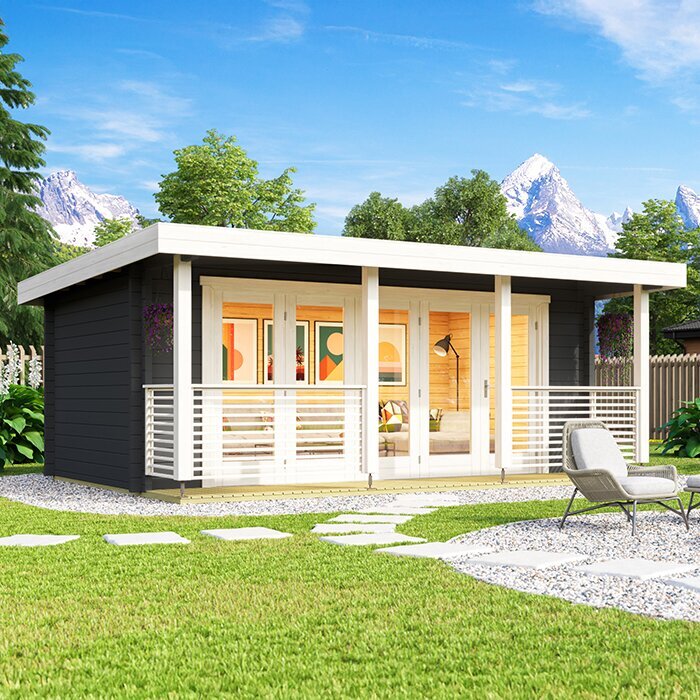
Check site and local requirements in Ireland
In Ireland, do not treat shed, summerhouse, log cabin or garden house as a ruling on what may go where or how a building may be used. The label does not tell you whether planning or other requirements apply to your particular proposal. Requirements may depend on details of the building and site, so check with the relevant local authority or a suitably qualified planning professional before committing if the position is uncertain. A product page can describe a model, but it cannot resolve a site-specific question. Make this check against the building and use you actually intend, not just the general category in a search result.
Keep site checks separate from delivery and preparation. Confirm the exact outside dimensions, the route into the garden, where the building is intended to sit and what the product information says about the base or ground preparation. A model that fits the available footprint may still be difficult to bring onto the site or set up. If access, ground conditions or the supporting base raise questions, get advice before ordering; follow the product guidance and use an appropriately qualified person where technical judgement is needed. These practical checks help ensure that the building’s name does not distract from an issue that could affect the purchase.
Questions to settle before ordering
Before placing an order, make a written checklist tied to the exact product and chosen configuration: full model name, dimensions and drawing, stated construction, included floor or other parts, options, assembly arrangements, preparation guidance and care information. Ask the seller to resolve any gap or contradiction between the heading, description and technical details. Keep the answer and product information that apply to the version you are buying. If you have found options using several different search terms, use the same checklist for each one; that makes it easier to compare like with like rather than relying on a similar-sounding name.
A search term is useful for finding possibilities, but it is not a final recommendation. For instance, wooden garden shed S uses storage-oriented words in its name; the label still does not establish dimensions, usable capacity or whether it matches your brief. Compare what is actually specified, then choose according to how you will use the building and what you have verified about the site. Garden shed, summerhouse, log cabin and garden house can all help you search, but none is automatically better, and the terms do not mean the same thing in every listing.
Common questions
Are a garden shed and a summerhouse the same thing?
Not necessarily. A garden shed usually suggests storage, while a summerhouse suggests a place to spend time in the garden. The words are used flexibly, though, so compare the stated use, layout and product details rather than assuming that every listing follows the same distinction.
Does a log cabin have to use log construction?
The term often suggests a cabin-style timber build, but sellers may use it to describe construction, appearance or both. If a particular wall construction matters to you, look for a clear description for the exact model or ask the seller to confirm it.
Can I use a shed as a summerhouse?
A building’s name alone cannot tell you whether it suits leisure use. Check its layout, usable space, openings and stated features against the activity you have in mind. Also confirm any site or use requirements that apply before deciding how you will use it.
Does the name tell me whether I can use it all year?
No. Words such as summerhouse, log cabin and garden house do not confirm insulation, temperature, weather protection or year-round suitability. Check the product information for the exact model and ask the seller about any requirement that is not clearly covered.
Do the names settle planning checks in Ireland?
No. A product label is not a ruling on what is allowed at a particular site. If you are unsure whether planning or other requirements apply, check with the relevant local authority or a suitably qualified planning professional before ordering.
The most useful distinction is the one that helps you choose a building for the way you will use it. Garden shed usually points towards storage, summerhouse towards leisure, and log cabin towards cabin-style construction or appearance; garden house remains a broad label. Treat each term as a starting point for searching, then compare the exact layout, dimensions, included items and site requirements. That way, the name can help you find options without making the decision for you.
