
Garden Shed or Storage Shed: What's the Difference?
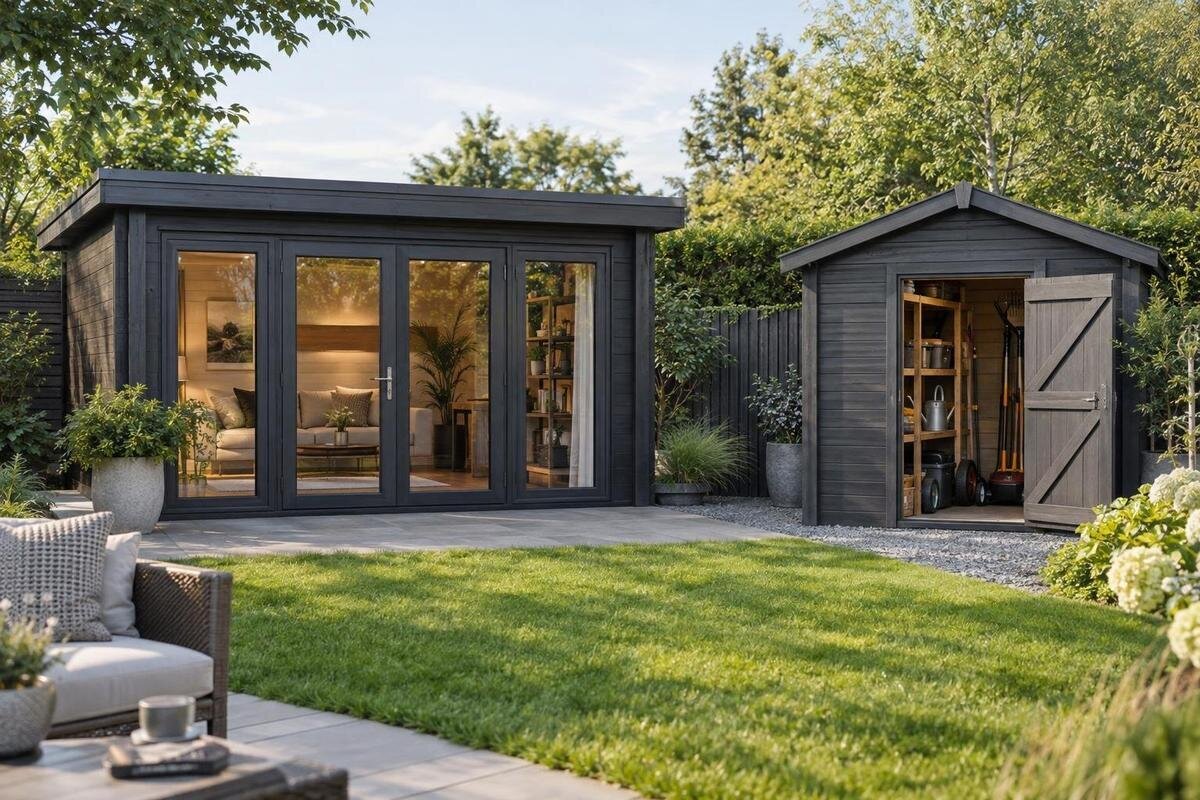
Garden shed buying guide
On a product page, “garden shed” and “storage shed” can sound like two distinct types of building. In practice, the names often overlap: one points to a garden setting, the other to what you plan to keep inside. Neither label, on its own, tells you how much usable room there is, how the doors work or what the building is suited to. A useful comparison begins with your contents and routine, then checks the actual layout, the space available and the details that come with an order.
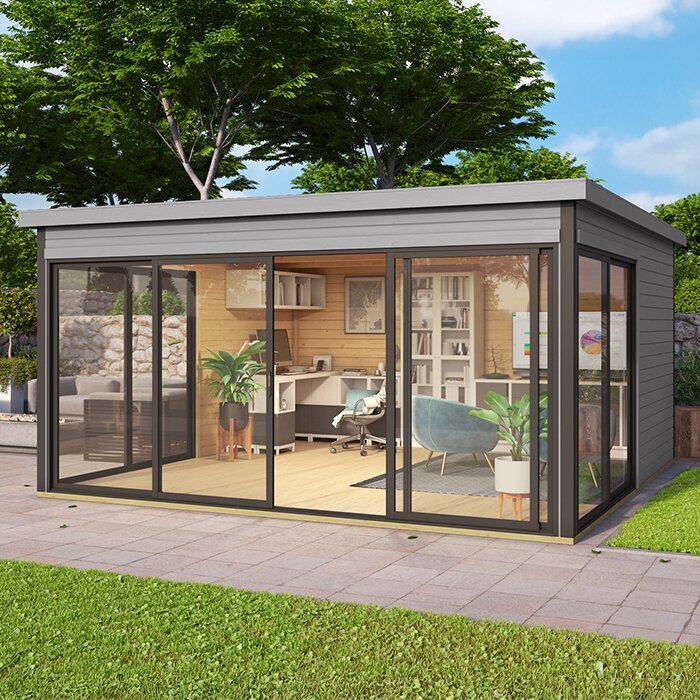
The names overlap; the details decide
In everyday product listings, there is no reliable, universal dividing line between a garden shed and a storage shed. “Garden shed” usually identifies a building by its setting, while “storage shed” highlights its purpose. The same sort of garden building may be described by either term, and a retailer may use both. The wording can help you find relevant options, but it does not by itself establish a set size, layout, construction method or finish. Treat the label as a starting point for comparison, not as a technical description. A category name can help with browsing; once you have a shortlist, the accompanying details matter more than the label.
That overlap makes it risky to assume that a storage shed must be plain or that a garden shed is arranged for sitting in. A building called a garden shed may be intended mainly for equipment, while a storage-focused design can still suit a garden. Nor does “storage” guarantee more room, particular fittings or a stated level of weather protection. If two listings use different names, compare their measurable facts and stated uses side by side. Where details are missing, the name cannot settle which is the better match. The distinction is a clue to how a seller describes the product, not proof that it suits your plans.
Choose by the job the building must do
Before opening product pages, list what the building needs to do during a normal week and at the busiest point of the year. Include items that stay outdoors now, seasonal equipment, containers, tools and anything bulky or awkward to carry. Note each item’s approximate length, height and depth, not just how many there are; the largest object may dictate the clear opening and turning space. Add any other activity you expect, such as potting, maintenance or a small hobby task. This inventory turns an abstract choice between labels into a set of requirements you can compare.
Then separate frequent access from long-term storage. A mower or frequently used hand tools may need a clear route to the door; decorations or spare pots can sit further back. If you want a bench or a place to sort plants, allow for standing and moving rather than counting the bench as storage. The Verdana 1 garden house can be one listing in that comparison, but its name alone does not show whether the layout matches your routine. Keep the same inventory beside every listing, and note which items must be retrieved without shifting others, so your comparison stays fair.
Plan storage around the contents
For storage, the count of items matters less than their size, shape and order of use. A long-handled tool, folded chair, wheelbarrow or box of seasonal items each needs different clearance. Group the inventory into daily, occasional and seasonal use, then decide what must be reachable without moving other things. Record which pieces need to stand upright, which can stack, and whether containers need to be lifted out. If you plan shelves, hooks or a work surface, mark their likely position on a simple plan; do not assume they are supplied unless the listing says so. Check whether the largest object can pass through the stated opening.
Think too about what should not be stored together: equipment that is dirty or damp may need space to dry, while fragile or valuable items may call for a separate secure arrangement. The right answer depends on your contents, not the category name. When assessing a storage-led listing such as the wooden garden tool shed M, compare its stated dimensions and included features with your own plan. A title referring to tools does not confirm that your particular equipment, shelves or storage routine will fit. Make a note of any fittings you would need to add, so you can account for them when comparing options.
Compare usable space, not just the footprint
Product dimensions are useful only if you know what they measure. Check whether each figure is for the outside footprint, the internal floor area or another part of the building, and look for a plan that shows usable space. The difference matters if you need to fit a large item, move around it or leave room for shelves. Check how the door opening, wall positions and any fixed features affect the space; do not calculate capacity from a single outside measurement. If the information is unclear, ask the supplier before deciding. A product photograph can help you understand the general layout, but it cannot replace measurements when fit is important.
Mark the proposed footprint on the ground with tape or a temporary outline, then place the biggest items and any planned bench on a sketch of the interior. Leave a clear route between the doorway and the things you use often, and allow for doors to open as shown on the page. Repeat the exercise with each model rather than judging by a photograph. For the Veltor 1 listing, for example, compare the documented plan and dimensions with your measured needs, rather than making assumptions based on the model name. Include room for any shelves or equipment you intend to add, as these can reduce the space available for movement.
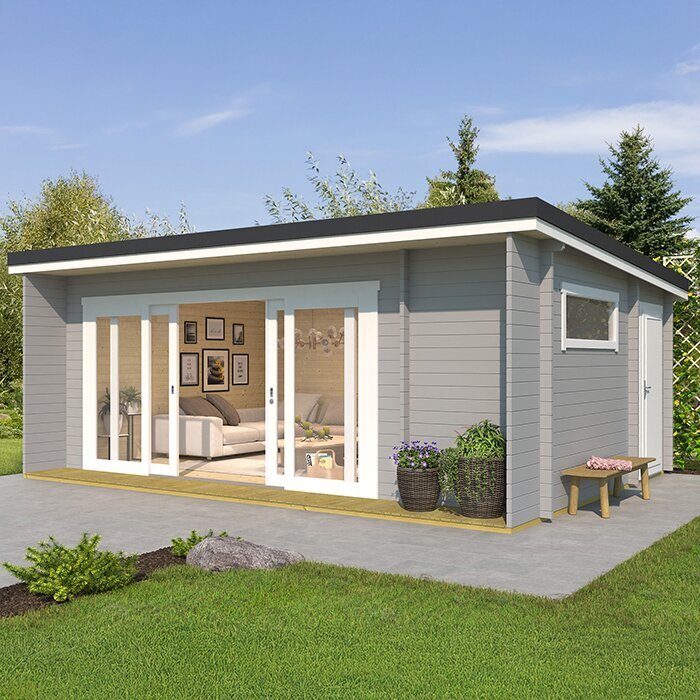
Check the route and door access
Access affects whether stored equipment is convenient in practice. Measure the route from the gate or house as well as the opening: narrow paths, steps, bends and low branches can make a bulky item difficult to move, even when it fits inside on paper. Compare the stated clear opening with the largest thing you intend to carry in, including how you hold or turn it. Check the door arrangement, threshold and space needed outside for opening the doors. Use published measurements rather than a photograph when clearance is critical. If the opening dimensions are not stated, ask for them before relying on the building for a particular item.
A shed that will be opened often also needs a practical approach on ordinary days. Consider whether you can reach the entrance when other garden equipment is in use and whether you can get in to clean or retrieve something at the back. The listing for the Durano garden shed is one to examine for its written access details, just as you would any other option; the model name is not enough to establish the opening or internal route. Think about the way you will carry items in and out, not just whether they fit once placed inside. Ask the seller to clarify any missing measurement that could affect access.
Check the site before choosing a size
Measure the place where the building is to sit, not merely the space it occupies on a garden plan. Include room to bring it through the gate, space around it for routine upkeep, and the route you will use in wet or dark conditions. Notice nearby trees, walls, fences and other structures, as these can affect access, shade, maintenance and how doors can open. Look at the ground after rain and consider where surface water travels. A suitable base and positioning depend on the actual site, so ask a qualified installer or other relevant professional if the ground or preparation is uncertain. Remember to check the delivery route as well as the final position.
Check how the supplier defines the footprint and whether the dimensions shown include any projecting parts. Compare that outline with your drawn plan, then confirm there is still room for the route, door opening and maintenance access. If boundaries, shared access or local planning requirements may affect the choice, check with the relevant local authority or a qualified professional before ordering; do not assume a retailer’s category name answers those questions. A listing such as the wooden garden shed S should be judged against its own published measurements and the limits of your particular site. If you are unsure how the building should be prepared for that site, resolve the question before placing an order.
Materials, moisture and routine care
Material and finish influence how a building should be cared for, but a broad label is not enough to tell you what maintenance is required. Read the stated construction materials, any treatment or finish, and the supplier’s care guidance. Confirm what is included with the building, such as a floor or roof covering, rather than assuming it comes as part of the package. Ask how often the finish needs attention, what products are suitable and whether maintenance affects any stated terms. If the instructions are unclear, get advice from the supplier before choosing. Build the expected care into your decision, particularly if you prefer a low-maintenance option.
Think about what you will store and how it is likely to enter the building. Wet footwear, garden equipment or damp containers can bring moisture indoors; plan how to dry items and avoid packing everything tightly against surfaces. Check what the product information says about ventilation, weather protection and intended use, and consider the exposure of the chosen position. For the Orello 1 garden house, as for any listing, rely on the published specification and care instructions rather than a model title when judging whether the stated materials and maintenance suit your routine. A product name alone does not explain how the building should be looked after.
Read the product page and order details
Compare product pages using a consistent checklist. Look for the stated outer and internal dimensions, a plan, opening measurements, construction details, included components, assembly information and care instructions. Mark anything that is not stated rather than filling the gap with a guess. Check whether foundations, flooring, glazing, shelving, fixings or treatment are included or need separate consideration; the answer will vary by product. A garden-shed or storage-shed label should not substitute for these details. If two models are close on price, compare what is included and any additional costs shown, not just the headline figure. Make sure you are comparing like with like.
Ordering also involves practical questions beyond the building itself. Read the current delivery terms, check what access is needed for delivery and assembly, and find out where the parts can be received or stored if they cannot be taken straight to the site. Confirm who assembles the building and what preparation must be completed beforehand; avoid assuming these are included. Use the Verdana 2 garden house page as a specific listing to assess against its written product and ordering details, and ask the seller to clarify anything that could change your plan before placing an order. Keep a record of the details you rely on when choosing.
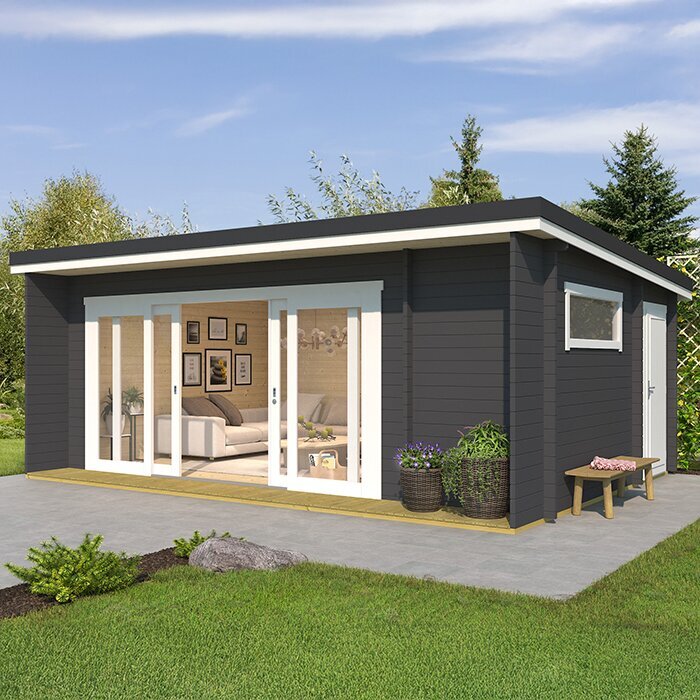
When one building has more than one purpose
Some owners need one building to do two jobs: protect garden equipment and provide room for a potting bench, repairs or another hobby. Decide which job takes priority, because a shared floor area can become less useful if stored items block the work surface or doorway. Map the work zone, tools and materials, then check what space remains for storage. Consider the conditions needed for the activity, including light, ventilation and a comfortable way to move around. A shed’s name alone does not confirm that it is suitable as a workshop or a place to spend extended time.
If you expect to use the building for more than storage, read the stated intended uses and details closely, and consider whether services or alterations would be required. Get a qualified professional to assess work involving electrical services or other building changes; do not plan it from a product name or a photograph. A page for the Modano 1 can be included in a wider comparison, but suitability for your particular activity must come from its published information and any necessary professional advice. Keep this choice separate from assumptions about what the word “garden” means, and check that your main storage needs will still be met.
Make a practical comparison before ordering
Bring the decision back to a short list of priorities. Mark each requirement as essential, useful or optional: a particular item must fit, the entrance must be easy to reach, the site must allow the footprint, or the building must support another activity. Compare only models for which you can verify the relevant facts. A simple table with dimensions, door opening, layout, materials, care, included parts and order arrangements makes omissions visible. It also prevents attractive wording or an appealing image from outweighing a practical mismatch. If a requirement is essential, do not treat an unanswered question as a detail that will probably work out.
If the main requirement is putting equipment away, a storage-focused description may help you search, but it still needs to match the measured contents and access route. If you want a broader garden room as well, check that the documented arrangement supports both jobs rather than expecting the name to promise it. Where a listing does not answer an essential question, pause and seek clarification. You do not need a special shed category to make a sound choice: you need a clear account of use, fit, site and what the order includes. That gives you a fair basis for choosing between buildings with different labels.
Frequently asked questions
Is a garden shed different from a storage shed?
The terms often overlap. Garden shed usually points to the building’s setting, while storage shed emphasises its purpose. Neither name establishes a particular size, layout or construction, so check the product details to see what the building actually offers.
Does a storage shed have to be for garden tools?
No. A storage shed can hold whatever its layout and stated use accommodate. List the items you want to keep there, measure the largest ones and check the clear opening, usable space and any stated restrictions before deciding.
Does the word ‘storage’ mean the shed will hold more?
No. The label does not confirm capacity or usable floor area. Compare the stated internal and external dimensions, the plan and the door opening, then see whether your items fit without blocking access to the things you use regularly.
Can I use a garden shed as a work area?
Possibly, but the name alone does not confirm that it suits a particular activity. Check the stated intended uses, layout, light, ventilation and floor details. If you plan to add services or make building changes, ask a qualified professional to assess what is involved.
What should I compare before ordering?
Compare your measured contents and site with the building’s dimensions, layout and access details. Also check the stated materials, care instructions, included parts, assembly information and delivery terms. Ask for clarification about any missing detail that could affect your choice.
The best choice is not determined by whether a listing says garden shed or storage shed. Choose the description that reflects your main use, then judge the specific building against a measured list: what must fit, how you will get it in and out, how much room the site allows, what care the materials require and what the order includes. If the use is mixed, write down both jobs and make sure neither is crowded out. Comparing those details turns a broad label into a decision based on your garden and the way you use it.
