
Garden Trends 2027: 12 Ideas for Irish Gardens
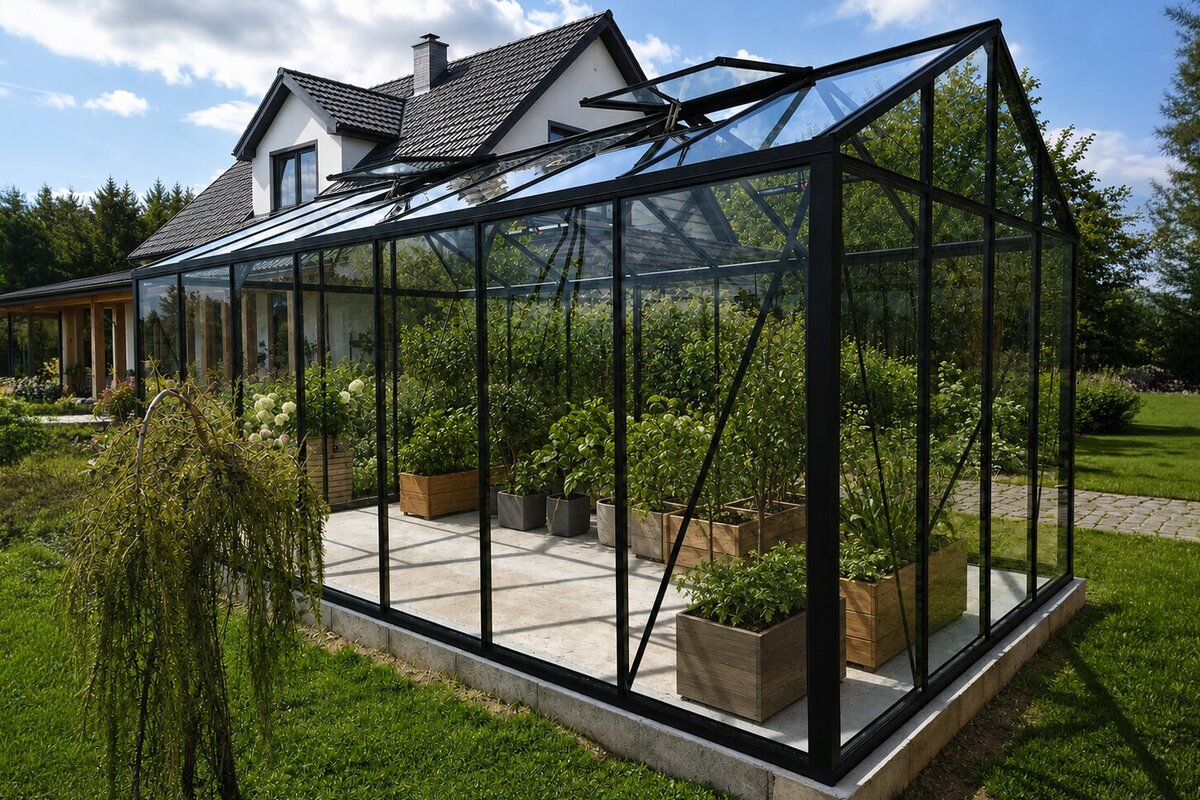
Garden trends are more than new colours, materials or planting fashions. In Ireland, several long-term developments are coming together around a new ideal: an outdoor space that looks inviting while creating habitat, holding water, moderating exposed areas, producing food and demanding less routine care.
There are useful indications. A representative KfW Research survey from 2026 records how established wildlife-conscious gardening has become in Germany. Among households with a garden, 47 percent reported using all four approaches studied by KfW. The results also found 89 percent shunning pesticides or synthetic fertilisers, 66 percent choosing plants that feed animals and 74 percent intentionally steering clear of invasive species.
The cited study concerns Germany, not Irish evidence. Here, Atlantic conditions vary locally: assess siting, drainage and shelter. For 2027, combine appearance, ecology and practicality without treating one approach as a recipe for every county.
Ecology shapes the design
01
The nature-led garden grows up
A nature-led Irish garden in 2027 need not look as though everything has simply been abandoned. Ecological purpose can sit within an unmistakable design. Native or locally suitable perennials may form broad layers, winter seedheads can remain and deadwood can have a chosen place, while readable paths, crisp boundaries, seats and structures hold the composition together.
KfW’s German findings show biodiversity entering mainstream household decisions rather than remaining a specialist interest. For design, the useful lesson is to consider whether a plant offers forage, refuge or nesting opportunities alongside colour and form. Those functions can give a scheme greater visual depth.
Good intentions still require horticultural judgement. Arrange a succession of flowers from spring into autumn, vary plant heights, add woody structure and provide both sheltered corners and patches of suitable open ground for wild bees that need them. Careful composition allows movement and seasonal change without visual confusion.
Nature-friendly design is not neglect. Its discipline lies in deciding where natural processes should have room.
Planning for Ireland’s variable weather02
Resilient planting replaces fragile standard formulas
An Austrian review of 2026 garden trends highlights water retention, weather-adapted planting and nature. Apply these ideas to Irish conditions by assessing soil, aspect, wind, drainage, shelter and water before choosing plants.
Hot, sunny areas may benefit from drought-tolerant perennials, deep-rooted shrubs and shade. Where rain accumulates, assess drainage, humus and moisture-tolerant planting. Different microclimates can coexist within the same garden.
Choose plants serving several purposes: drought tolerance with pollinator value, shade with edible produce, or lasting structure with manageable care. This theme connects the trends.
Designing with rainfall · 03
Keep rain in the garden instead of losing it quickly
In 2027, water management will become a visible part of good garden design. Rainwater is not collected only in a barrel; gardens can be arranged to hold rainfall on site for longer. Shallow swales, permeable surfaces, planted dips, organic-rich beds and rainwater storage can work together.
This can improve the appearance too. Broad sealed areas and completely paved front gardens become less appealing, while gravel paths with permeable bases, planted joints and places that temporarily accept rainwater gain value.
Vegetable plots and greenhouses benefit from accurately directed irrigation. Drip lines wet the rooting area, mulch slows moisture loss and sensible airflow helps plants avoid unnecessary strain. If protected cultivation interests you, {link("https://www.bloomcabin.com/de/gewaechshaeuser-und-wintergaerten","browse Bloomcabin Ireland greenhouses and conservatories")} across a range of garden sizes.
Everyday biodiversity
04
From insect hotel to complete habitat
A bug hotel is a pleasant feature, but the 2027 emphasis is on habitat as a whole. Pollinating insects also require flowers across a long season, drinking water, refuge and places where pesticides are avoided wherever possible. Winter stems, berries and thick shrubs assist birds, while decomposing matter and limited soil disturbance support organisms below ground.
Look for empty periods in the flowering year. A spectacular display in May has limited reach if March and September offer almost nothing. Bulbs and other spring flowers, summer colour, autumn nectar and standing winter form can be arranged as an unbroken ecological sequence.
That approach changes the maintenance calendar. Spent stems can wait before being cut, and autumn leaves need not be cleared from every bed. Entrances, paths and principal views can stay tidy while quieter corners keep the material and shelter valuable to wildlife.
Beautiful and productive
05
Food growing becomes part of the garden composition
Germany’s long kitchen-garden and allotment tradition underpins this forecast; in Ireland, the useful 2027 idea is a modern, visible productive plot. Vegetables need not sit behind a hedge. Chard, herbs, berries, fruit trees and edible flowers can contribute colour, form and harvests.
Raised beds can define boundaries, espalier fruit can clothe walls, and terrace herbs bring harvests near the kitchen. Combine crops for varied textures, colours and flowering periods.
A greenhouse gives keen food growers more control over timing. Sowing can start sooner, harvests may continue later, and delicate crops gain shelter. Used as the focal built element of the productive area, the {link("https://www.bloomcabin.com/de/gewaechshaeuser-und-wintergaerten/gewaechshaeuser-aus-aluminium/aluminium-klassisches-gewaechshaus.html","Bloomcabin Aluminium Classic greenhouse")} can contribute architectural presence alongside practical growing space.
Rebalancing the available ground06
The lawn becomes smaller – but more valuable
Grass still provides space for play, relaxation and openness in Irish gardens. Consider perennials, meadow planting or shrubs along edges, steep slopes and little-used front areas.
This changes maintenance rather than removing it. Targeted seasonal work can replace weekly mowing, while planting provides flowers, structure and protection against soil moisture loss.
One promising 2027 composition pairs a neatly defined, functional lawn with generous planting that becomes looser towards its outer edges.
Outdoor space as part of the home · 07
Patio, pergola and garden room become one connected architecture
Think of the plot as a progression of purposeful places. Dining, quiet sitting, cultivation, cooking and work can occupy separate zones without making the garden feel fragmented. Views, paving changes, planted margins, light and shade should guide people naturally from one area to the next.
A pergola can establish a recognisable room while preserving openness around it. The {link("https://www.bloomcabin.com/de/gewaechshaeuser-und-wintergaerten/bloomcabin-bioklimatische-pergola/bloomcabin-pergola.html","bioclimatic pergola by Bloomcabin")} offers a strong frame for eating or relaxing. Against the home, a {link("https://www.bloomcabin.com/de/gewaechshaeuser-und-wintergaerten/bloomcabin-wandpergola/bloomcabin-pergola.html","Bloomcabin pergola for wall installation")} can give architectural definition to the step from interior rooms into the garden.
Create calm through fewer unrelated furnishings and a lasting layout. Coordinate materials and colours with the façade, window lines and wider garden design.
Less work, more impact
08
Low maintenance is planned – not promised
Easy care in 2027 means suitable plants, good ground coverage, durable materials and realistic upkeep, rather than gravel with three evergreen shrubs.
Broad drifts of sturdy perennials may limit opportunities for weeds. Shrubs with an appropriate natural habit avoid continual shaping, while irrigation belongs only in places that truly benefit from it. Clearly formed paths and boundaries simplify access without leaving the scheme stark or lifeless.
This shift particularly suits households that value an attractive place outdoors but cannot devote every weekend to it. Money moves away from short-lived ornament and towards a framework capable of ageing well.
Technology in the background
09
Smart gardening becomes quieter and more useful
For 2027, choose technology for problems it solves. Moisture sensors, weather-responsive watering, automatic vents and plant identification can reduce avoidable errors; more devices are not automatically better.
Check actual soil conditions rather than relying solely on a broad weather forecast. In a sunny raised bed, a hand or sensor moisture check can prevent unnecessary watering.
Under glass, the relationship is especially clear because heat, humidity and airflow interact closely. Equipment should make cultivation easier while remaining secondary to the plants and the gardener’s judgement.
Intensify rather than give up10
Small gardens become more spatially ambitious
Limited urban space calls for precise design in 2027. Vertical planting, espalier fruit, slim containers, multipurpose seating edges and carefully chosen shrubs can make compact gardens work harder.
A sheltered wall or slim greenhouse can support growing in a small garden. Include usable paths, door movement and working space in the plan.
Limiting hard-landscape finishes is particularly effective on a compact site. Repeated materials, unobstructed views and a restrained colour scheme for permanent features provide a calm setting in which abundant vegetation can look intentional.
Emotion over perfection · 11
The cottage garden returns – adapted to the climate
After years of highly reduced garden design, the appetite for atmosphere, fragrance, abundant flowers and personal history is growing. In 2027 this appears as a modern cottage revival: roses, perennials, herbs and fruit can be fuller and more romantic without becoming a historical copy.
The difference lies in plant choice. Instead of preserving delicate classics at any cost, choose robust varieties suited to the site. Native plants can stand among traditional garden favourites, while resilience and biodiversity become part of the romantic effect.
The finished scheme offers more warmth and personality than strict minimalism, yet responds honestly to present-day weather pressures and the time available for care.
Protected growing and architecture
12
The greenhouse becomes growing space and garden architecture
A greenhouse fits the central trends for 2027 remarkably well: food growing, climate adaptation, a longer gardening season and the wish for a distinctive place outdoors. It no longer has to be viewed solely as a technical production area.
Its possibilities vary with size. A greenhouse might shelter seedlings, support tomatoes and cucumbers, hold tender containers for part of the year or include somewhere to sit. Airflow, access, growing beds, water provision and summer shade should all be resolved during the initial layout.
Within the {link("https://www.bloomcabin.com/de/gewaechshaeuser-und-wintergaerten","Bloomcabin range of greenhouses")} are interpretations extending from straightforward crop houses to structures conceived as architectural destinations within the garden.
A closer look
What these trends mean for Irish gardens
Irish gardens differ across coastal, inland, suburban and urban settings, including their frost exposure. The 2027 trends become useful when adapted to your site, activities and maintenance capacity.
Let the locality and plot lead
An exposed Atlantic garden may require shelter from strong maritime winds and careful attention to drainage, while inland air frost can occur even in May. Weather also shifts between years and nearby places. Rather than asking which plant is fashionable, ask which selection is likely to establish and perform reliably in that precise position.
That question encourages planting chosen for the locality, durable perennial communities, suitable native shrubs and close reading of small climatic differences. Record sunny walls, damp shade, channels where wind accelerates and paving that stores warmth. When the design begins with those observations, fewer corrective measures should be needed later.
Nature-led gardens become more precise in design
Planting for wildlife need not appear disorderly. Legible circulation, restrained paving, intentional boundaries and a well-sited greenhouse or pergola can supply a firm framework. Within it, Irish native or appropriately chosen perennials, grasses and woody plants may take on a softer, freer character.
The valuable contrast in 2027 is between calm organising features and generous vegetation. More complete plant cover protects the ground and supplies habitat, while the architectural framework keeps the composition understandable and purposeful.
Food growing becomes more selective and rewarding
Contemporary self-provision does not require a household to meet its entire food demand from the back garden. A focused selection can be more satisfying: tomatoes chosen for flavour, fresh herbs, berries, salad leaves or rare cultivars whose quality is obvious at harvest. This approach is achievable, economical with space and well suited to modern homes.
Under-cover cultivation helps coordinate sowing, seedling care and crops needing additional warmth. When the greenhouse, outdoor vegetable beds and perennial areas relate visually, food production becomes an attractive strand within the overall layout instead of an isolated service plot.
Maintenance becomes a planning measure
Many Irish gardeners would welcome more green growth without adding repetitive chores. Plant quantity is not the same as maintenance demand. A settled community of appropriate perennials and ground-cover plants may eventually need fewer interventions than bare gravel or bark, where windblown growth must repeatedly be removed.
Estimate labour for every zone by week, season and longer cycle. Keep turf where people benefit from it, assign durable planting to peripheral ground, and reserve automatic irrigation or vent controls for situations where they clearly save effort or resources.
From forecast to your own garden
Use the forecast to build a practical garden plan
Treat the trends as choices rather than requirements. First understand the property and decide what the garden must do; settle its visual language afterwards.
- Read the site first. Over a run of days, record sunlight, shade, prevailing wind, damp ground and any areas that become unusually warm.
- Trace rainfall. See where water soaks away, gathers or travels before fixing the position of beds and hard surfaces.
- Give lawn a job. Retain turf for a clear practical reason; use quieter margins for planting when that offers greater habitat value.
- Plan continuous bloom. Arrange spring, summer and autumn flowers in sequence so pollinating insects encounter fewer hungry gaps.
- Mix crops into view. Let herbs, berry plants or trained fruit add shape and texture in prominent places while yielding something useful.
- Shape separate places. Distinguish dining, sitting and cultivation zones through planting, circulation or a pergola, while keeping movement between them relaxed.
- Choose the greenhouse position early. Resolve its base, approach, water supply, solar aspect and airflow while the wider layout can still be adjusted.
- Let technology solve a problem. Add automation or sensing only when it can demonstrably limit wasted water, lost plants or unnecessary attention.
FAQ
Irish garden trends for 2027: questions answered
Which idea leads Ireland’s 2027 garden outlook?
The central direction combines ecologically useful planting with resilience to variable conditions. A successful Irish scheme can offer richer habitat while responding thoughtfully to wind, occasional dry weather and intense rain.
Does nature-friendly planting mean an easy-care garden?
Not by itself. The layout, species choices and seasonal tasks still require thought. Dense communities of plants suited to their position, together with less formal pruning, may reduce repetitive work, but maintenance never disappears entirely.
Are traditional lawns on the way out?
No. Grass still works for play, rest and open views. The change is that neglected corners are more likely to become shrub groups, perennial borders or informal flowering areas.
Will edible gardening still matter during 2027?
Yes. The appealing development is to let vegetables, culinary herbs, berries and fruit contribute directly to the garden’s appearance instead of confining them to a hidden production plot.
Can a greenhouse belong in a contemporary wildlife garden?
Yes. Thoughtful siting allows its crisp structure to balance relaxed vegetation, while the protected interior can lengthen the useful cultivation period.
Which garden technologies are worth considering in 2027?
Useful tools include precise irrigation, moisture checks, local weather information and automatic ventilation.
The Irish garden of 2027 is less decorated – and better considered
The most useful garden trends for 2027 are not short-lived style changes. They change what a good garden is expected to do. Biodiversity, water, climate, food, rest and architecture are no longer considered separately.
The outcome can be highly individual. A town plot might pair vertical crops with a compact greenhouse; a family garden might retain purposeful grass while adding habitat and weather shelter. Even a sharply contemporary home can be softened by abundant planting with genuine ecological value.
Success in 2027 will not depend on collecting all twelve ideas. It will come from selecting the few that fit the property so well that the garden becomes richer, more enjoyable and simpler to live with.
Planning your garden for 2027?
If your scheme includes a greenhouse, pergola or permanent outdoor room, compare the forms, proportions and architectural character available from Bloomcabin Ireland before deciding what belongs on the site.
Sources and further information
- KfW Research, 2026 – survey of biodiversity practices in German gardens
- Maschinenring – 2026 outlook for nature-focused, climate-resilient gardening
- Bloomcabin – Greenhouses and conservatories
This 2027 outlook is an editorial projection drawing on evidence, professional commentary and developments published during 2026. Use it as inspiration rather than a universal prescription: appropriate planting and interventions still depend on the locality, soil, microclimate and specific property.
