
Plan Your Irish Greenhouse: Growing and Care | Bloomcabin
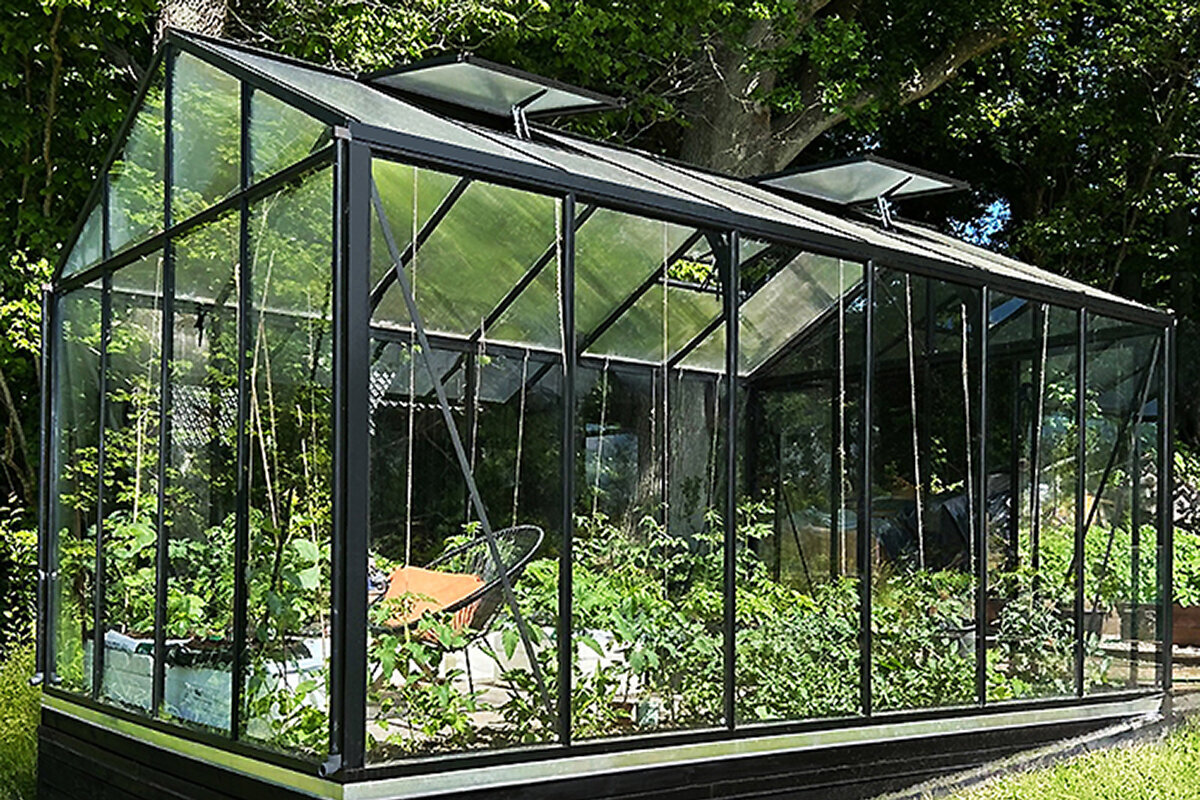
Planning your greenhouse after assembly: practical first steps for Ireland
Your Bloomcabin greenhouse is assembled – brilliant. Its frame, glazing and moving door are ready, with daylight already filling the interior. The next job is to shape that finished structure into a space that serves you every day through careful planning, organisation and upkeep. Rather than being only an attractive garden feature, a greenhouse gives you a growing environment in which you can manage light, ventilation, moisture and warmth for improved results across many months.
That is particularly valuable in Ireland, where conditions vary greatly by location. Atlantic weather brings cool, windy winters, comparatively mild summers, damp spells and changeable temperatures; inland gardens can still see frost in May. A quality aluminium greenhouse offers steadier growing conditions, lengthens the season and gives you greater confidence with vegetables, fruit, herbs and flowers.
Here you will learn the first steps after assembly and helps you find the right greenhouse setup for your Bloomcabin aluminium greenhouse for an Irish garden. The advice moves beyond simply placing benches opposite beds. It covers the details that shape day-to-day use: sensible routes through the space, different microclimates, suitable starter crops, dependable watering, purposeful ventilation, manageable cleaning and regular maintenance. Together, these choices help the greenhouse remain pleasant, productive and easy to use over time.
For Irish greenhouse sizes, models and categories, explore the Bloomcabin collection: Bloomcabin Ireland – Greenhouses & Conservatories.
1) After assembly: why your setup matters
Standing upright does not make a greenhouse work by itself. Immediately after assembly, the interior is simply unused potential. A considered arrangement and repeatable habits create a proper growing system: plants can thrive, routine jobs take less effort and the space remains somewhere you enjoy visiting long after the initial excitement.
Enthusiasm can quickly fade when condensation persists, access feels cramped, watering becomes a daily burden or tomatoes suffer in stale air. These frustrations are seldom mere bad luck; they usually point to choices made when arranging the space:
- Insufficient circulation (trapped moisture and still air favour fungal trouble)
- Overcrowded planting (restricted access, weaker hygiene and harder cleaning)
- Poor watering habits (watering too often, too late, or too heavily across foliage)
- Zones left undefined (propagation, crops, storage and working areas overlap)
- Waiting for visible dirt before cleaning (pests, algae, grime and reduced light)
Fortunately, sound planning can prevent these difficulties. A well-made Bloomcabin aluminium greenhouse then proves its value through robust construction, accurate workmanship, durable materials and a modern appearance. A carefully arranged interior lets those qualities support everyday gardening.
2) The first week: observe, measure, understand
Before filling beds, adding compost or crowding the space, use the first week to get to know your greenhouse. It may sound unexciting, but it is the quickest route to a setup that does not need constant adjustment later.
2.1 Function check (days 1–2)
- Door and running track: Check that the door travels freely without rubbing, and remove soil or grit from its track.
- Vents in the roof: Run each vent through its full travel and inspect where it stops.
- Seals and joins: Visually inspect connections; the aim is clean, dependable performance, not absolute airtightness.
- Wind check: Breezy weather reveals the strongest draughts, whether near the entrance, roofline or corners.
2.2 Watching climate and light (days 3–5)
- Map incoming sunlight: Photograph the space morning, midday and afternoon to identify shade cast by buildings, trees or hedges.
- Note temperatures: Two or three days of minimum and maximum readings are enough initially.
- Watch condensation: Note when the panes mist and how soon they clear; the pattern indicates humidity and ventilation performance.
2.3 Rain and ground (days 6–7)
- Drainage: If water gathers beside the foundation, consider tidy edging or a strip of gravel.
- Splashback: Mud splashed onto glass blocks light, so early prevention reduces later washing.
- Access: Can you reach the entrance comfortably in rain? Convenient access makes the greenhouse far more useful during unsettled weather.
After this week, you will have valuable information for your layout: where is warmest, where stays dampest, where would a potting bench work, and where can a bed sit without making cleaning difficult?
3) Your greenhouse aim: what should it do for you?
A successful greenhouse arrangement begins with a decision rather than furniture: What is its main purpose? Propagation needs a different arrangement from tomato production, while a comfortable garden retreat differs from a space designed mainly for maximum crops.
3.1 Choose a main aim
- Raising seedlings: ample surfaces, orderly storage, monitored warmth and light, and careful hygiene.
- Protected vegetable growing: growing beds, plant supports, water delivery, ventilation and planned feeding.
- Extending the season: thermal mass, insulation options, winter crops and condensation control.
- Flowers and overwintering: growing space, pest checks, airflow and dry zones.
- A relaxing garden space: tidy, attractive, walkable, with workspace and a welcoming atmosphere.
3.2 Add a realistic secondary aim
- Acclimating young plants slowly to outdoor conditions
- Bringing basil, tomatoes and peppers on earlier
- Keeping herbs going across most seasons
- Testing unusual varieties that fare poorly outdoors
Tip: favour an arrangement that you can easily manage. A premium greenhouse offers little if it overwhelms you. Your Bloomcabin greenhouse should make garden life easier, not more complicated.
4) Greenhouse microclimates: warmth, coolness, air and humidity
Think of the greenhouse as a collection of small climates. Temperature, moisture and movement of air vary even within a compact model. Recognising and using those differences can reduce difficulties while improving your crops.
4.1 Main climate areas
- Upper warmth: rising warmth usually gathers near the roof and ridge.
- Lower coolness: floor level and the doorway tend to feel cooler and draughtier.
- Moist corners: limited circulation allows dampness to linger.
- Airflow: the route joining the doorway with roof vents generally receives the freshest movement.
4.2 Match planting to each area
- Warmer position: cucumbers, basil, aubergines, chillies, peppers and tomatoes, provided air moves well.
- Cooler position: rocket, spinach, lettuce, coriander and seedlings during acclimatisation.
- Damp corner: leave it mostly open or plant sparingly to limit botrytis and mildew.
- Moving-air position: rosemary, thyme, sturdy seedlings and plants carrying dense foliage.
The better you use these zones, the less you need to work against the greenhouse. Smoothly functioning doors and vents make daily airing simpler and support the whole climate-management routine.
5) Planning a greenhouse layout: paths, beds, benches and zones
Judge a layout by how comfortably it supports ordinary work. You, not just the crops, must use the greenhouse to water, tie stems, prune, harvest, repot and clean. A cramped route gradually discourages visits, even if you do not notice it happening, and both enjoyment and harvests can suffer.
5.1 Start with the path width
Allow, where space permits, a central route measuring about 60–75 cm. Although that may seem generous, it separates relaxed working from repeatedly catching on pots or plants. In a narrow model, prioritise comfortable reach and enough room to clean without awkward stretching.
5.2 Keep feet out of growing beds
Size each bed so that its plants remain within reach from the path. Stepping onto soil compacts it, impairs drainage, removes air spaces and leaves roots more vulnerable. Narrow a broad bed or provide working access along both edges.
5.3 Three proven layout ideas
Layout A: harvest focus
- a bed on either side of the central walkway
- propagation and tool storage on a rear bench or shelf
- overhead lines supporting cucumbers and tomatoes
Layout B: hybrid, ideal for many gardens
- benching for pots, herbs and seedlings along one wall
- on the opposite side: a summer bed holding tomatoes, cucumbers and peppers
- an unobstructed walkway for carrying, cleaning and comfortable movement
Layout C: an attractive working retreat
- slim growing strips beside the walls
- gravel or paving underfoot for cleaner shoes and simpler upkeep
- one compact work surface with a stool
- flowers or hanging baskets adding character
Important: success does not come from squeezing in the greatest number of pots. Favour an arrangement that remains orderly, well-aired and clean throughout the growing season, as those conditions support healthier plants.
6) Beds, benches, pots or a hybrid: choosing your growing system
With the structure finished, decide how you want to grow inside it. Beds, containers and staging each suit different habits. Choose according to the work you can maintain and the crops you truly intend to raise, rather than following one supposedly perfect formula.
6.1 Greenhouse beds
Beds give moisture-loving vegetables a steadier root environment and regular access to nutrients. They particularly suit cucumbers and tomatoes, combine readily with drip watering, keep the space ordered and can produce generous crops.
- Ideal for: tomatoes, basil, chard, spinach, lettuce, chillies, peppers and cucumbers
- Benefits: steadier moisture, fewer daily watering demands and generous crops
- Challenge: rotation, soil upkeep, hygiene and yearly compost additions
6.2 Benches and shelving
Staging brings potted herbs and propagation work to a convenient height while keeping supplies organised. Lifting plants clear of the floor improves circulation and may reduce algae and fungus gnats, while also making tasks more comfortable.
- Ideal for: cuttings, seed trays, flower boxes and herbs in pots
- Benefits: orderly, adaptable, clean and easy to rearrange
- Challenge: summer dries containers quickly, and feeding must be maintained
6.3 Pots and containers
Containers offer freedom to rearrange the interior, separate a suspect plant and create a deliberate appearance. They are also useful when experimenting with less familiar crops.
6.4 Hybrid setup
Combining systems can give you a productive crop bed, an orderly propagation bench and a small number of movable pots. Many Bloomcabin owners will find this balanced arrangement attractive, manageable and productive.
7) Soil and compost: structure, growing media and hygiene
If your greenhouse is a premium growing space, the soil is its engine. Good soil means strong roots, reliable moisture, less stress and better crops. Poor soil creates persistent problems, however good the greenhouse may be.
7.1 For beds: prioritise texture over richness
- Open texture: roots require oxygen, whereas dense, heavy soil causes difficulties under cover.
- Build with compost: well-finished, friable compost supports nutrients and soil structure.
- Refresh yearly: apply a simple surface dressing of compost.
- Use mulch thoughtfully: it reduces evaporation but must not create waterlogged conditions.
7.2 Containers: dependable media and habits
- Good potting mix: choose lasting structure and free drainage rather than material that slumps.
- Ongoing feeding: nutrients disappear from container compost sooner than from bed soil.
- Washed trays and pots: clean equipment lowers the risk of damping-off among seedlings.
7.3 Soil hygiene matters in greenhouses
Protected crops are commonly planted more intensively than outdoor ones. Spilt compost, discarded foliage and other debris do more than look untidy: they harbour mould, disease and fungus gnats. A brief weekly clear-up and hygienic working area provide valuable everyday protection.
8) Selecting first crops: fruit, flowers, herbs and vegetables
Early success builds confidence. During the first season, select forgiving crops that reveal how your greenhouse behaves: which places remain damp, how quickly compost dries, how sunlight changes conditions and when extra ventilation becomes necessary.
8.1 Beginner-friendly plants
- Lettuce: try oakleaf, Batavia or cut-and-come-again types for quick rewards and repeat sowing.
- Rocket: robust, flavoursome and quick.
- Spinach: excellent in cooler periods.
- Radishes: their brief growing period gives a welcome early result.
- Spring onions: uncomplicated and space-saving.
- Herbs: keep parsley and coriander cooler, while giving basil a warm, bright position.
8.2 Greenhouse favourites for Ireland
- Tomatoes: a protected-growing favourite that responds well to support, side-shoot removal and steady airflow.
- Cucumbers: productive lovers of warmth that need moving air to discourage mildew.
- Peppers and chillies: these heat-seeking crops frequently fare better under protection than outdoors.
- Aubergines: for gardeners with some experience; they need generous warmth and consistency.
8.3 Fruit under cover: keep expectations realistic
- Strawberries in pots: easy to manage, including in hanging containers.
- Figs in containers: worth trying, provided pruning and water are handled consistently.
- Grapes for experienced growers: feasible, though better treated as an experienced grower’s project.
8.4 Flowers and companion plants
- French marigolds: easy, colourful and often useful companions.
- Nasturtiums: edible, quick and cheerful.
- Calendula: tough, attractive and potentially supportive of beneficial insects.
- Scented flowers: use them when fragrance matters in a greenhouse retreat.
For a reassuring first season, grow fast lettuce and radishes alongside slower mainstays such as cucumbers and tomatoes. The smaller crops provide regular pickings while the larger plants mature.
9) A seasonal plan for Ireland: what makes sense in the greenhouse
Irish seasons and sites differ markedly. Treat this timetable as a starting framework, then adjust for local exposure, frost, and whether your garden is inland or coastal.
January–February: prepare and begin propagation
- inspect vents, tidy the interior and clear the door tracks
- wash thoroughly where practical to improve early light levels
- where warmth and light permit, sow early lettuce, herbs and seedlings
- control winter condensation with brief, carefully timed airing
March: increase propagation work
- prepare seedlings or sow chillies, peppers and tomatoes
- use radishes, spinach and lettuce as fast catch crops
- develop an airing routine as bright days alternate with cold nights
April: manage rapid changes
- respond flexibly to warm daylight and possible overnight frost
- use the protected space to acclimatise seedlings
- ready the beds and decide where supports will run
May: introduce the principal crops
- set out peppers, cucumbers and tomatoes when local conditions allow
- apply coverings where useful and complete the drip system
- prioritise circulation wherever foliage becomes dense
June–August: harvest season
- thin tomato foliage and side shoots routinely to admit light and air
- keep feeding and moisture steady
- provide shade in hot weather to limit stress and dropped flowers
- remove plant debris immediately
September–October: switch towards autumn growing
- clear ageing summer crops gradually and reclaim their space
- make new sowings of lettuce, spinach and Asian greens
- divide cleaning into manageable sections instead of one large job
November–December: winter crops, care and organisation
- pick winter leaves sparingly because weak light slows growth
- prevent a steamy interior with short periods of airing
- review the layout and prepare supplies for the coming year
With this rhythm, your Bloomcabin greenhouse becomes a genuine year-round garden project, not merely a summer feature.
10) Watering and irrigation: a system that suits you
In a greenhouse, water can mean success or frustration. The most common problem is not too little water, but watering too unevenly and at unsuitable times. Overwatering is particularly easy during spring and autumn when daylight is weaker.
10.1 Basic rules that nearly always apply
- Choose mornings: daylight then helps foliage dry and lowers fungal pressure.
- Target the roots: moist foliage in still air favours botrytis and mildew.
- Keep moisture steady: regular supply is preferable to sudden soaking.
- Follow the weather: use less on dull days; during heat, water earlier or more often after checking.
10.2 Watering choices from basic to convenient
Option A: apply water manually
Manual watering lets a beginner observe each plant’s response every day. Deliver a gentle flow around the stem base, using either a rose-fitted can or an appropriately adjusted hose nozzle.
Option B: bed-level drip lines
A drip system keeps foliage drier, saves effort and supplies moisture consistently. Once correctly adjusted, it can make daily greenhouse care considerably easier.
Option C: porous hose
This straightforward choice suits long beds; favour a slow, extended application rather than a brief flood.
Option D: propagation on capillary matting
On staging, capillary material supplies seedlings and sowings from below without leaving the compost surface continually wet.
10.3 Signs that conditions are excessively damp
- Mist persists on the panes
- The compost surface stays continually damp
- Fungus gnats appear
- Leaves or blossoms develop grey mould
When several signs appear, reduce or advance watering, increase ventilation, open crowded growth and tidy humid corners.
11) Ventilation and air movement: prevent mould, improve crops
Fresh air is fundamental rather than an optional extra under glass. Ireland’s damp, rapidly changing spells can bring mild days, chilly nights and heavy condensation, all of which favour fungi. A reliable airing habit can substantially reduce those difficulties.
11.1 How effective ventilation works
- Release air overhead: roof vents carry humid warmth away.
- Admit air below: fresh air enters through the doorway or another low opening.
- Create a through-flow: steady, gentle movement is preferable to an abrupt gust.
- Move still air: among tightly planted crops, a small fan can refresh sheltered pockets.
11.2 Everyday airing habits
- Sunny days: open vents promptly because temperatures rise surprisingly fast
- Cloudy days: use a short, deliberate airing period when moisture builds
- Evening: shut openings soon enough to retain warmth, unless surfaces remain dripping
11.3 Airiness through layout
Windows alone cannot provide every part of good ventilation. Leave gaps around crops, avoid blocked corners, train plants upwards and keep routes clear. Those layout choices maintain circulation without adding another daily task.
12) Controlling temperature: shelter, stored heat and protection from frost
An Irish greenhouse may provide useful warmth one day and overheat the next. Rather than trying to erase every temperature change, guide crops through those swings without repeated stress. In exposed or coastal gardens, give particular thought to shelter, position, drainage and ventilation.
12.1 Shade during hot spells
- Shade netting: softens temperature spikes and limits scorching of tender foliage.
- Keep paths clear: so air can circulate.
- Water consistently: heat stress rises when water supply is uneven.
12.2 Thermal mass
Materials with thermal mass collect daytime warmth and surrender it gradually after dark, which can help during changeable periods. Containers of water, paving or stone already incorporated into the floor plan are practical options, provided they do not impede cleaning or movement.
12.3 Spring frost nights
Mild spring afternoons can still lead into frosty nights, particularly inland. Prepare calmly:
- keep fleece ready for sensitive young plants
- close vents at night and air carefully by day
- do not leave young plants outside permanently too early
13) Training crops upwards: strings, nets and supports for more yield per m²
Training plants upwards makes productive use of greenhouse height, frees floor area, improves circulation and simplifies both picking and tidying. Tomatoes and cucumbers respond particularly well, as do suitable climbing peas and beans.
13.1 Systems that work
- Clips with strings: support cucumber and tomato stems
- Climbing mesh: suits peas, cucumbers and decorative climbers
- Individual canes: a quick, uncomplicated choice for single plants
13.2 Keeping tomatoes orderly
- remove side shoots regularly
- as stems lengthen, take away low leaves to improve air and reduce disease
- take spacing seriously: air matters as much as feed
An orderly upright crop looks attractive while making inspection, harvesting and cleaning less awkward. That combination reflects Bloomcabin’s considered design, practical usefulness and high standards.
14) Care and maintenance: helping your aluminium greenhouse last
A Bloomcabin aluminium greenhouse is intended to serve for years, but regular small tasks still support its longevity. Doing a little each week is more manageable than saving every job for one annual session, and it protects appearance, operation and growing conditions.
14.1 Daily mini routine (5–10 minutes)
- brief plant check: wilting or pest signs?
- adjust vents to the weather
- remove fallen leaves
14.2 Weekly routine (20–40 minutes)
- inspect corners and sweep the walkway
- clear the doorway and running tracks
- check supports and ties
- wipe the worktop
14.3 Monthly routine (30–60 minutes)
- wash selected panes to preserve strong light levels
- test door guides, vents and other moving mechanisms
- remove redundant trays, packaging and unused pots to prevent damp pockets
Because Bloomcabin uses quality materials and careful workmanship, this regular care is worthwhile. It helps the greenhouse remain as elegant over the years as it looked on its first day.
15) Cleaning: how often, with what and how to keep it easy
Greenhouse washing is practical crop care, not simply an appearance issue. Clear glass admits more light, wiped surfaces offer fewer hiding places for pests, and tidy paths discourage algae and fungus gnats. These small jobs can therefore support harvests.
15.1 A manageable Irish cleaning routine
- Weekly: clear leaves, sweep and collect spilt compost
- Monthly: wipe staging, inspect corners and wash marked panes
- Once or twice yearly: undertake a thorough wash, commonly during autumn or around spring
15.2 A sequence for thorough cleaning
- when weather permits, gather plants together or move them temporarily
- begin dry by sweeping beneath staging and clearing dirt from corners
- clean glazing and frames using lukewarm water, mild soap and a soft cloth
- follow with clean water to remove soap traces
- air the structure thoroughly until dry
- wash seed trays and pots separately before the next propagation cycle
15.3 What to avoid
- scourers and aggressive products capable of marking finishes
- high-pressure spray aimed into joins or tracks, where it may drive in water and debris
- shutting a damp interior without airing it, which promotes condensation and mould
16) Pests and diseases: prevention is your strength
A sheltered, warm greenhouse can suit unwanted visitors as well as crops. Early prevention is more effective than waiting to tackle a large infestation, and the necessary habits are usually straightforward.
16.1 Pests commonly found under cover
- Aphids: watch tender spring growth for early colonies
- Whitefly: favours warmth and crowded foliage
- Spider mites: most likely during hot, dry conditions
- Fungus gnats: often indicate algae or compost kept excessively damp
- Slugs: can enter protected structures, particularly through open doors beside damp ground
16.2 Typical diseases and growing problems
- Powdery mildew: associated with plant stress, crowding and weak circulation
- Botrytis or grey mould: thrives where humidity is high and air barely moves
- Damping-off: a seedling problem encouraged by wetness, cold and inadequate airflow
16.3 Prevention habits worth keeping
- air the greenhouse every day a short period still helps
- leave breathing room between plants
- clear dropped foliage and crop debris promptly
- schedule watering for mornings avoid soaking leaves late in the day
- check crops once each week look beneath the leaves too
- maintain an orderly interior clutter provides pests with sheltered corners
Follow these points and most problems will stay small. That is the real luxury of a premium greenhouse: not simply looking good, but being easy to keep healthy.
17) Workflow and order: a productive garden room
Order has a direct effect on how often the space is used. Regular visits to a tidy greenhouse make it easier to notice trouble early, act promptly and gather crops at the right time.
17.1 Simple zones that always help
- Propagation zone: staging, labels, trays and perhaps capillary material
- Production zone: main beds and their climbing supports
- Work zone: a clear patch reserved for pruning and potting
- Storage corner: small, clean and never allowed to become a dumping area
17.2 Order tips: practical, not perfectionist
- Keep labels, clips and ties sorted in small boxes
- fit hooks for secateurs, string and gloves
- keep seldom-used equipment elsewhere because the greenhouse climate matters
- treat an open walkway as essential working room for hygiene and care
18) FAQ: what gardeners ask after assembly
When may planting begin after assembly?
Begin when the structure is secure and the chosen growing arrangement is prepared. Watching wind, moisture and sunlight for 3–7 days can lead to wiser layout choices.
Which factor contributes most to greenhouse success?
Purposeful airing and circulation. Together they limit botrytis and mildew while promoting healthier growth.
What cleaning frequency works well?
Do a brief weekly tidy, address marked areas monthly and wash thoroughly 1–2 times yearly. Clear panes matter especially during low-light months.
What brings fungus gnats into the greenhouse?
Persistently damp compost, algae or decaying material is usually involved. Move watering earlier or reduce it, let the top layer become drier, clean the floor and increase circulation.
How do I keep summer growth under control?
Train plants upwards, prune tomato leaves and side shoots, preserve open routes and respect spacing. An orderly plan prevents 80% of the difficulties that otherwise develop later.
19) Conclusion: choose a setup you will keep using
A useful greenhouse arrangement need not be elaborate. It should be practical in daily use, with straightforward access, watering, ventilation and cleaning. When those four tasks feel manageable, you are more likely to visit regularly, and that attention is what drives success.
A Bloomcabin aluminium greenhouse gives you a refined starting point through durable materials, exact construction, strong standards and an elegant garden presence. Add an orderly plan, responsive airflow, steady moisture, routine washing and modest maintenance. The result can be a particularly rewarding part of the garden through each successive season.
Explore Irish sizes and models across the relevant categories: Bloomcabin Ireland – Greenhouses & Conservatories.
Enjoy arranging the space, and take equal pleasure in the harvest.
