
Growing Basil in a Greenhouse | Ireland Planting & Harvest Guide
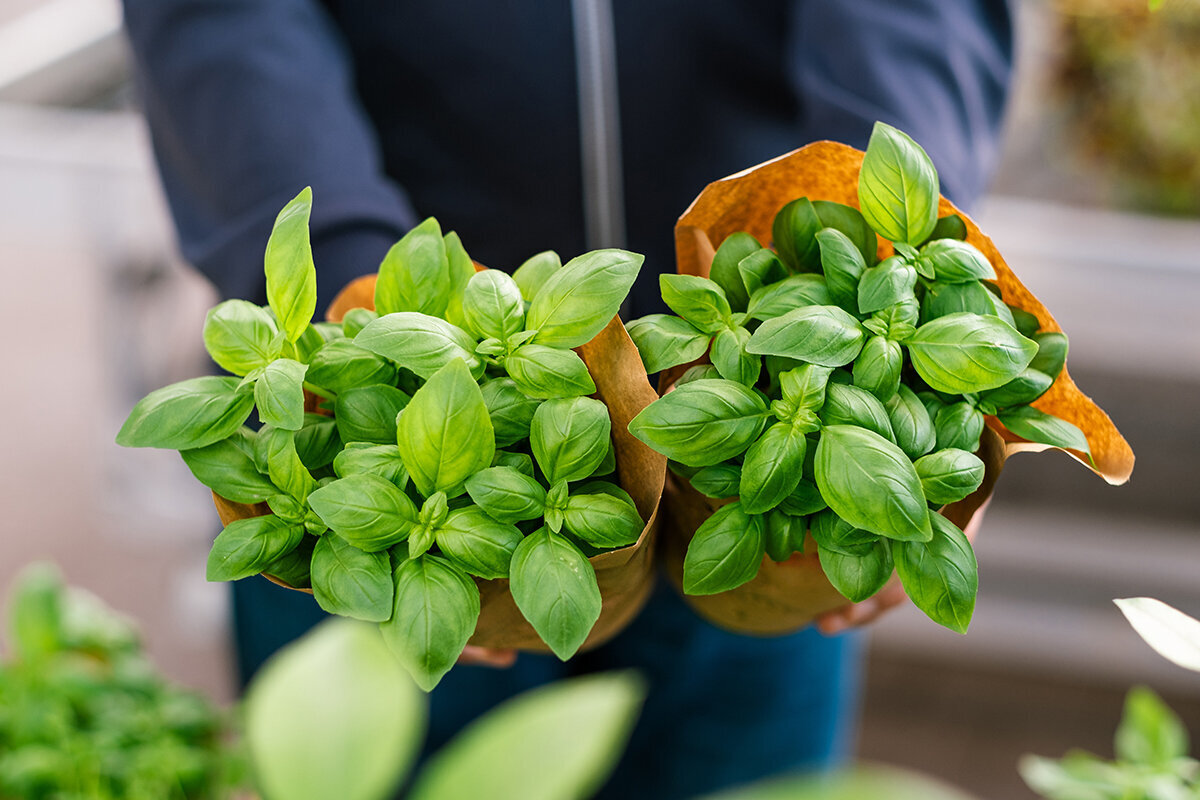
Bloomcabin Ireland • Greenhouse growing guide
Growing basil in a greenhouse: sowing, care & harvest
A sheltered crop of basil rewards you with fragrant growth and repeated pickings. Rather than chasing intense heat, coordinate sunshine, fresh air, steady root moisture and timely cuts.
Basil needs no elaborate routine, yet changes in temperature, illumination, watering or humidity show in the plant remarkably quickly.
This warm-climate herb thrives where light is abundant and temperatures remain settled. Greenhouse protection assists seedlings, lengthens the productive period and gives the gardener closer control over irrigation. The trade-off is that enclosed glazing may hold damp, motionless air around leaves, increasing disease pressure.
For Irish growers, the value of cover extends beyond extra warmth. It provides more control through chilly spring nights, Atlantic damp spells and occasional bright summer weather. The priorities still vary by garden: shade, coastal exposure and inland frost risk all make careful monitoring more useful than a fixed national timetable.
Bloomcabin’s practical checklist has five parts: maintain warmth around the roots, supply generous light, limit moisture on leaves, keep air circulating and cut regularly. Following them can turn a modest group of plants into weeks of fresh shoots.
The conditions basil needs under cover
Light: 6 hours or more in direct sunshine
Temperature: about 21–32 °C is normally ideal
Growing medium: rich in nutrients, with efficient drainage
Moisture: consistently moist without saturation
Main risk: wet foliage and downy mildew
01
01 — Using greenhouse shelter
How protected conditions help a basil crop
Because basil is tender, an extended cool period may halt new growth, change leaf colour and soften plant tissue before frost arrives. A spell of early-summer warmth outdoors can quickly give way to chilly rain; glazing reduces the severity of these reversals.
Greater control is the chief benefit. Shelter keeps driving rain and cold winds away from seedlings, lets irrigation reach the roots precisely and helps foliage remain clean. It also stretches production at both ends of the season, which is especially useful for a herb picked continually.
Cover also simplifies staggered sowing. Raise a modest batch every three to four weeks instead of depending on one spring crop. As mature specimens turn woody or flower persistently, younger plants can take their place.
When laying out a new greenhouse, give basil the essentials first: a well-lit position, convenient access to water, vents that are easy to operate and suitable space for seedlings. These matter more than an elaborate collection of equipment.
02 — Selecting the crop
Basil choices for growing beneath glass
Genovese and large-leaved sweet basil are dependable for pesto, tomato dishes and Mediterranean cooking. Upright Thai plants commonly carry violet stems and a flavour reminiscent of anise. Lemon basil brings a lighter citrus note, while compact Greek forms suit containers particularly well.
Flavour should not be the only selection criterion. A downy-mildew outbreak can ruin basil rapidly, especially in dense plantings or crops kept for a long season. Look for seed descriptions that explicitly identify resistance.
Try dividing the space among three types: a sturdy Genovese cultivar for the main yield, Thai or lemon basil for contrast, and a compact variety for pots. Growing them together also shows which genetics perform best in the particular light and humidity of your greenhouse.
Seed collected from a hybrid does not reliably reproduce all the parent’s traits. Where uniform plants or a stated resistance characteristic matter, return to tested seed from a dependable supplier.
03 — Seedling to established plant
Starting a greenhouse basil crop from seed
Fill clean modules, sowing trays or little pots with a finely textured, open medium. Either press each seed gently onto the surface or add only a thin covering. Keep moisture consistent while germination takes place, avoiding both drying and prolonged saturation.
Once shoots appear, move them promptly into strong light. Dim conditions create slender seedlings with excessive stem between successive leaf pairs. Use the brightest safe location, but watch that tender growth does not overheat behind shut glazing during sunny spring weather.
Move seedlings on when several genuine leaves have formed and the plants are sturdy enough to hold. Retain their previous planting depth. After transplanting, irrigate thoroughly, then ensure that spare water can escape.
Choose final spacing for airflow rather than the largest possible plant count. Crowded leaves stay damp for longer after irrigation and trap humid air. A little additional room is generally the sounder choice in a domestic greenhouse.
Sow modest replacement batches to maintain a steady kitchen supply. While one group is ready for cutting, the next can develop and eventually replace plants that flower heavily, become woody or show disease.
04 — Controlling conditions under glass
Balancing warmth with usable light
Warm conditions produce the most vigorous basil. Use about 21–32 °C as a working guide, while allowing for brief departures that healthy plants can tolerate. Sustained chilling is more serious, and damage becomes appreciably likelier below roughly 10 °C.
Illumination matters just as much. Provide no fewer than six hours of direct sunshine a day. Early summer will often supply it, whereas shaded sites can struggle during spring and autumn when daylight is weaker.
Ireland’s Atlantic influence generally brings cool, windy winters and comparatively mild summers, but gardens differ considerably with exposure and location. Cover helps buffer damp periods and cold nights; when sunshine strengthens, the task changes to releasing heat and, where necessary, supplying temporary shade.
Solar gain can lift the temperature beneath glazing rapidly. Operate the door and upper vents before excess heat accumulates. Automatic mechanisms are useful safeguards, although the complete growing space still needs observation. During exceptional heat, short-term shading is preferable to repeated wilting.
Do not pursue the highest possible reading on the thermometer. Aim instead for an even environment: conserve beneficial morning warmth, release the midday surplus and let the crop’s foliage dry before evening.
05 — Caring for the root area
Potting media, containers and nutrition
The growing medium should store useful moisture yet leave oxygen around the roots. Mature compost improves structure in beds, while pots are better filled with loose, good-quality compost than dense garden soil. Basil is comfortable at approximately pH 6–7.
Allow enough container volume for roots and water reserves. Supermarket basil is often packed tightly into a small pot that dries rapidly beneath glass. Separate the cluster or transfer sections into larger pots to improve rooting and make irrigation easier to judge.
Regular but restrained nutrition helps this leafy crop replace harvested growth. An oversupply of nitrogen produces soft tissue, however. Match a balanced feed to the compost and plant stage rather than repeatedly applying a strong liquid product.
Beds used for protected cultivation year after year can benefit from occasional soil analysis. Rain does not naturally flush them, so nutrients and soluble salts may accumulate over time.
06 — Moisture management and plant health
Judging when protected basil requires water
A rigid two-day schedule cannot reflect changing conditions. One pot might require morning and evening attention during a hot July day yet remain damp for days in April. Examine the root area itself, seeking steady moisture without excluding air.
Irrigating in the morning gives plants daylight hours to absorb moisture and lets accidental splashes evaporate sooner. A drip line, or a careful pour directly onto the compost, wastes less water and avoids soaking the leaves.
Increase airflow whenever irrigation causes humidity to rise. Standing puddles, saturated floors and tightly packed plants all keep the space damp. Such conditions favour the development of downy mildew.
The appearance of the top layer is not enough to guide watering. A deep pot may seem dry at the surface while the root ball remains soaked. Test with a finger, lift the container to judge its weight or consult a basic moisture meter.
The core principle
Supply the roots with consistent moisture while allowing the foliage to remain dry whenever practical. This single balance encourages healthy growth while reducing disease risk.
07 — Building shape at harvest
Cutting basil to encourage a bushier plant
New growers often pick only the large leaves near the plant’s base. Although this provides an immediate handful, it does little to create productive structure. Instead, remove a full growing tip immediately over a sound pair of leaves.
Each leaf axil contains a bud. Once the leading stem is cut over the pair, its single growing point can be replaced by two side branches. Repeat the pattern during the season to develop a broad framework rather than one tall stem.
Pinch plants while they are young and responsive. Continue taking shoots as they mature, but retain sufficient foliage to gather light, carry out photosynthesis and power prompt regrowth.
Take off developing flower buds when tender foliage is your priority. A flowering plant remains usable, and its blooms are valuable to insects, but increasing energy goes into seed while the leaves frequently become firmer and more strongly flavoured.
08 — Sharing protected space
Growing tomatoes and basil together beneath glass
The pairing works because each crop appreciates warmth, bright conditions and reliable irrigation. Basil occupies bed margins or containers below the taller tomatoes, making use of lower space without competing for vertical room.
Sound crop management matters more than claims that the partnership improves flavour. Mature tomato foliage may cast deep shade over basil. If the lower layer stays dark and humid, its stems stretch, its tissue softens and vulnerability to disease increases.
Keep the basil towards the row’s better-lit edge and leave a route for air to pass between both crops. Thin tomato leaves only where horticulturally appropriate; removing too much at once can expose fruit to sunscald.
Direct irrigation towards both root systems. Container basil can follow its own feeding programme. When the crops occupy one bed, avoid making every nutrient decision around the heavier appetite of tomatoes alone.
09 — Find the cause before responding
Troubleshooting basil grown under cover
Yellow leaves
Excess irrigation, unbalanced nutrition, chilling and disease can each cause yellowing. Downy mildew may initially show as pale yellow areas, so turn affected leaves over and examine their lower surfaces.
Downy mildew
Among basil diseases, this can be particularly destructive. Crowding, humid air and moisture remaining on foliage all help it develop. Reduce the risk through resistant varieties, generous spacing, root-level irrigation and dependable ventilation.
Wilting despite wet soil
Drooping does not necessarily signal thirst. Saturated compost deprives roots of the oxygen they require. Examine drainage and root health first rather than immediately applying another dose of water.
Long, thin shoots
Weak, stretched stems commonly point to poor illumination, close spacing or delayed cutting. Increase the available light and pinch young growth over a leaf pair to encourage a shorter, more branched structure.
Aphids, whitefly and mites
Examine the undersides of leaves and tender growing points often. Deal with a small colony mechanically or through a suitable biological method before it becomes widespread. Inspect every new plant carefully before moving it among the established crop.
10 — Extending production into winter
Keeping greenhouse basil through Ireland’s colder season
An unheated Irish greenhouse cannot provide dependable winter production. Vigorous basil during December and January will normally require supplemental warmth, together with grow lights where natural winter illumination is inadequate.
Transparent glazing alone does not guarantee winter warmth. Once daylight fades, an unheated structure can move towards the outside temperature surprisingly fast. Record the actual overnight minimum beside the plants rather than judging conditions from a pleasant sunny afternoon.
Winter daylight can restrict the crop as severely as cold. Brief days and a low solar angle may leave plants slow and soft even where the air is sufficiently warm. Additional fertiliser cannot compensate for missing light, whereas appropriate lamps may help.
Many home growers will find a long seasonal crop more economical: begin during spring, continue picking deep into autumn and raise the next succession towards winter’s end. Continuous production is most sensible where both heating and lighting already exist.
11 — Harvest cuts that prompt regrowth
The right time and method for picking basil
Start once the plant carries several sturdy shoots. Remove the entire growing tip immediately over a pair of leaves; buds retained beneath that point can then form the branches for a later picking.
Smaller cuts taken regularly are preferable to rare, severe stripping. Preserve ample foliage after every harvest. A plant left nearly bare must spend considerably longer rebuilding its canopy.
Choose a cool time of day where feasible, and avoid crushing the delicate leaves. Bruised basil declines in quality more rapidly. Freshly cut shoots give the fullest aroma, while surplus foliage may go into the freezer or be prepared as pesto.
Replace an ageing plant when it stays woody, resumes flowering immediately or no longer yields worthwhile shoots. A vigorous succession plant will often outperform repeated attempts to force the old specimen onwards.
12 — Working through the seasons
An adaptable Irish calendar for protected basil
Late winter into early spring: begin the first sowing in a reliably warm, exceptionally bright place. Young basil will generally find an unheated greenhouse too cold at this stage.
Spring: transfer robust young plants only after overnight greenhouse conditions remain dependably mild, then pinch the growing points while plants are still small.
Early summer: establish regular picking, make a succession sowing and open additional ventilation as solar gain strengthens.
High summer: prevent excessive warmth or humidity from accumulating, irrigate around the root area and examine foliage frequently for disease or pests.
Late summer into early autumn: continue taking shoots, prepare replacement plants and discard specimens that are badly diseased or extensively woody.
Autumn into winter: assess whether supplemental warmth and lighting suit your setup. If not, finish the crop, clean the protected area and prepare to sow again near winter’s end.
Questions from basil growers
Answers about basil beneath glass
Which temperature range suits protected basil?
Treat approximately 21–32 °C as a practical working range. Protect plants during lengthy cool spells and start venting before intense sunshine causes overheating.
How much direct light is required?
Plan for six hours or more of sunshine on the foliage each day. During Ireland’s darker winter conditions, suitable grow lighting may be necessary.
Should I choose containers or a bed?
Either approach can succeed. Beds buffer swings in moisture and temperature, whereas pots are movable and flexible but lose water more rapidly.
What causes yellow foliage on basil?
Investigate saturated roots, nutritional imbalance, chilling and downy mildew. Inspect the upper and lower leaf surfaces before deciding that extra feed is needed.
How do I delay flowering?
Pinch off flower buds promptly and take complete shoot tips at regular intervals. Well-positioned cuts encourage branching and prolong the supply of tender foliage.
May tomatoes share the greenhouse with basil?
They can. Both appreciate warmth, provided the taller tomato canopy does not deprive the basil of sunshine or circulating air.
Will basil survive winter without greenhouse heat?
Only for a short period in most Irish settings. Continuing active growth through winter normally depends on added warmth and, during short days, appropriate plant lighting.
Bloomcabin’s practical takeaway
Let basil reveal what is happening beneath the glazing
Few greenhouse crops communicate changing conditions as promptly as basil. Extended stems reveal weak illumination, soft or stressed tissue can expose poor irrigation, and increasing disease pressure warns that airflow requires attention.
The observation skills developed with basil apply equally to cucumbers, sweet peppers, tomatoes and numerous other crops. Successful protected gardening depends less on rigid instructions than on reading the air, leaves and growing medium from day to day.
Thoughtful greenhouse design makes this easier by providing useful light, effective vents, convenient irrigation and room for several crop stages. Combined with attentive care, those features support a dependable seasonal supply of aromatic shoots.
Find a Bloomcabin greenhouse for your gardenReferences and additional reading
- Bavarian horticultural research — light requirements for basil
- Mein schöner Garten — advice on basil in herb gardens
- Rutgers U.S. Basil Consortium — its basil-growing overview
- Cornell guidance — controlling downy mildew on greenhouse basil
- Minnesota Extension — practical advice for cultivating basil
Conditions differ around Ireland with location, exposure, greenhouse construction and season. Treat these recommendations as a starting framework, then adjust shade, airflow, irrigation and any heating to suit the conditions observed at your site.
