
Growing Greenhouse Tomatoes: Irish Tips | Bloomcabin
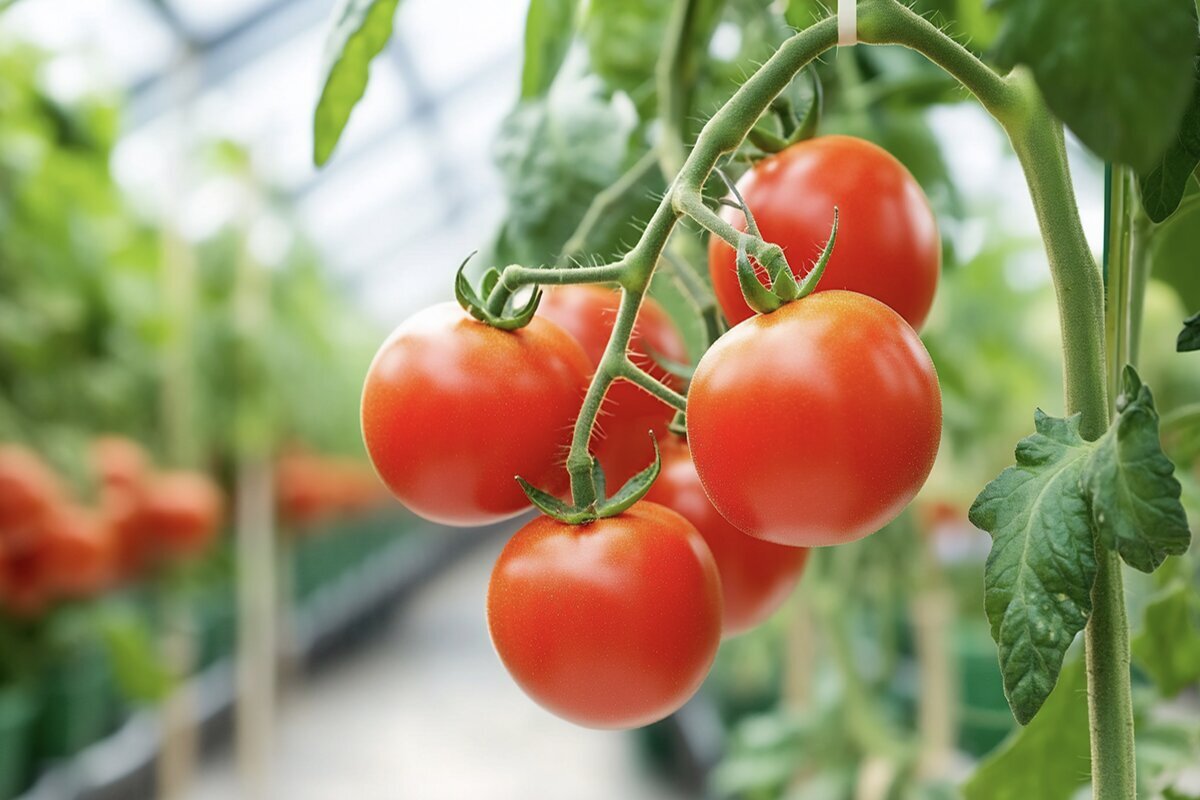
Irish Greenhouse Tomato Growing: The Complete Home Gardener’s Guide
Few garden projects are as satisfying as picking fresh, aromatic tomatoes you have raised yourself. A well-chosen greenhouse lets you start sooner, keep harvesting for longer and protect the crop when weather turns rough. Here, each stage is covered in sequence, along with the reasons a polycarbonate-panelled aluminium greenhouse from Bloomcabin offers a particularly useful place to raise them.
What does greenhouse cover offer tomato plants?
Irish weather can be unsettled, especially in spring and autumn. A greenhouse brings valuable advantages for tomato growers:
- A longer season – giving you an earlier start and a later finish.
- A steadier microclimate – tomatoes prefer even temperatures with fewer sharp changes.
- Cover against wet weather, strong winds and pests – reducing exposure to disease and physical harm.
- Better crops and fuller flavour – when light, heat and moisture are kept suitable.
Besides extending the calendar, growing under cover allows closer management at every point in the crop’s development, beginning with seed and ending with picking.
10 tips for thriving greenhouse tomatoes
1. Pick a suitable variety
For greenhouse growing, choose tall indeterminate varieties, continuing to set fruit over a long period. Good examples are:
- Sungold – an early orange cherry type with notably sweet fruit.
- Gardener’s Delight – vigorous and dependable, making it approachable for beginners.
- Moneymaker – a productive, well-established classic.
- San Marzano – fleshy and low in seed, ideal for sauces.
Where space is limited or pots are preferred, consider bush tomatoes (determinate) including Roma or Balconi Red; both have a compact habit.
2. Use nutrient-rich compost
Tomatoes are hungry plants and need open, humus-rich compost that holds water well. Blend garden soil with compost, sand and, if useful, perlite for improved aeration. A pH of 6.0 to 6.8 is also important.
3. Choose the planting time carefully
Sow indoors from March. Wait to transfer young tomatoes under cover until overnight readings consistently stay above 10 °C – mid-May is only a guide. Inland frost can still occur, so protect earlier planting with horticultural fleece.
4. Support and tend plants
Tomatoes need structure and attention:
- Tie or train each plant on canes, spirals or suspended twine.
- Pinch out side shoots routinely so indeterminate plants remain upright.
- Cut away lower leaves once they yellow to improve airflow.
These steps aid fruit set and help prevent disease.
5. Assist pollination
Under glass, fewer insects may visit the flowers. You can assist:
- In the morning, lightly vibrate each flowering truss.
- A gentle paintbrush or a powered toothbrush also works.
Doing this often helps fruit develop more uniformly.
6. Keep moisture even
An even routine is essential:
- Apply water to the root zone during the cool morning hours.
- Keep leaves dry to reduce fungal risk.
- Ideally, fit drip irrigation for reliable moisture.
Uneven moisture may bring on blossom-end rot or make fruit split.
7. Feed correctly
Tomatoes need plenty of potassium for fruiting. From first flower:
- Feed every 10–14 days with tomato fertiliser.
- Nettle liquid or comfrey liquid are other options.
Avoid overfeeding, which creates leaves rather than fruit.
8. Watch temperature and humidity
Tomatoes perform best at:
- Day: 21–26 °C
- Night: above 13 °C
- Humidity: 60–70 %
Excess moisture favours mould. Open vents thoroughly and, where needed, circulate the air with a fan.
9. Spot diseases and pests
Inspect foliage and new growth often for:
- Aphids – commonly clustered around tender shoots
- Whitefly – often hiding on leaf undersides
- Grey mould – favoured by damp, stagnant air
- Powdery mildew – seen as pale, powder-like leaf coatings
Choose sticky traps or biological controls. Plant-protection products must be Irish-authorised for amateur use and applied as labelled.
10. Harvest at the right stage
Pick fruit after it colours fully but before it softens. Daily checks prevent overripening, while regular harvesting encourages further fruiting.
Common problems and solutions
| Problem | Likely cause | Suggested response |
|---|---|---|
| Blossom-end rot | Poor calcium uptake, uneven moisture | Maintain even watering; add calcium where appropriate |
| Distorted leaves | Heat stress, unsuitable feeding | Provide shade, adjust feeding |
| Grey mould | Excess humidity, poor air movement | Ventilate more, remove affected growth |
| Yellow leaves | Nutrient shortage or overwatering | Feed evenly, avoid waterlogging |
Why a Bloomcabin greenhouse suits tomatoes
Bloomcabin polycarbonate-panelled aluminium greenhouses combine stability, good light transmission and weather shelter for tomato crops. Keen Irish growers should assess local exposure, drainage and siting before choosing a model.
Durable construction with little upkeep
Rust-free aluminium profiles, uncomplicated assembly and high wind and snow-load capability provide dependable performance over many years.
Well-made polycarbonate glazing
- Resists UV exposure and will not splinter
- Spreads incoming light to lessen sun scorch
- Strong insulation – retains warmth through temperature changes
Practical ventilation options
Every model has roof windows, with automatic openers available as an option, making routine climate adjustment more straightforward.
Flexibility for every garden
Urban gardens, terraced-house plots and rural properties can all be matched with different Bloomcabin sizes and models.
Start growing your own tomatoes
A Bloomcabin greenhouse creates a productive setting for tomatoes that are tasty, healthy and rewarding to grow.
See the full choice of Bloomcabin aluminium greenhouses – ideal for home gardeners throughout Ireland.
Bloomcabin – where quality, function and garden style meet.
