
Heating a Garden Shed for Occasional Use: Options to Consider
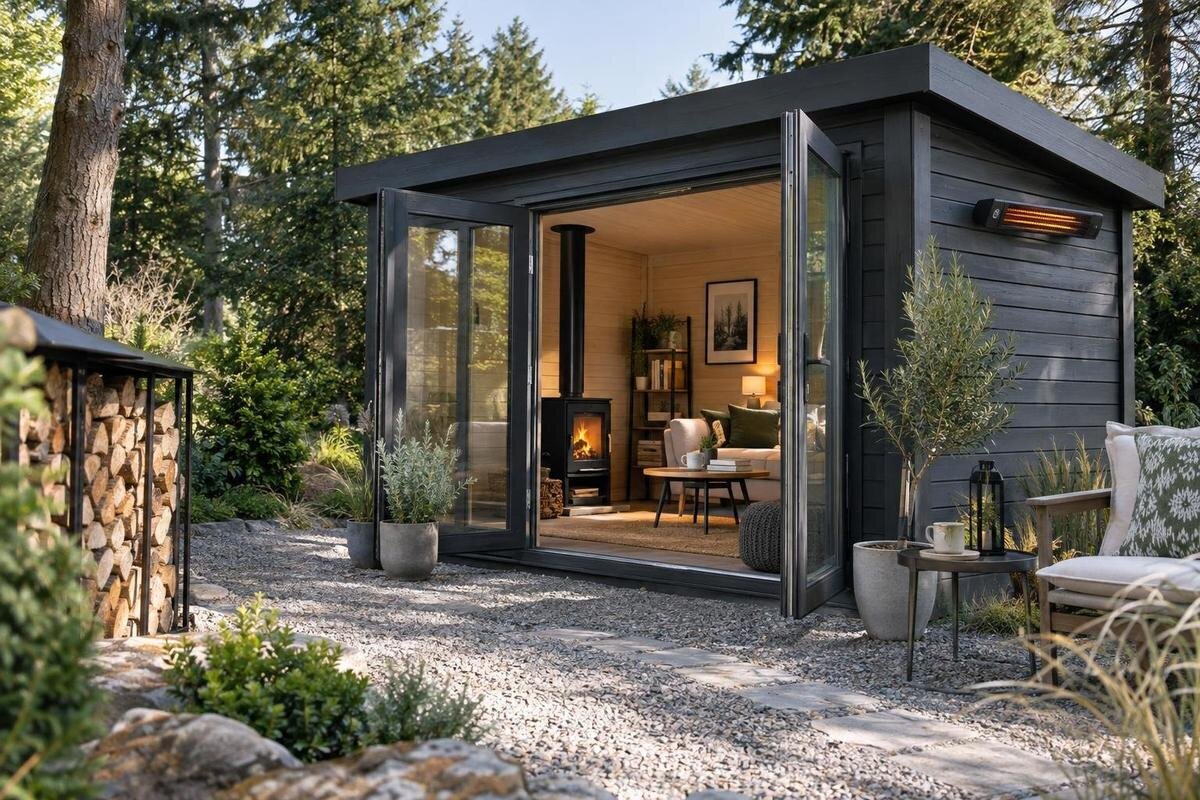
Garden shed planning
Heating a garden shed for occasional use is less about choosing the most powerful heater and more about matching the building, the length of each visit and what you do there. A heater that quickly warms the person beside it may not warm the whole room; a system intended for steady use may be unnecessary if you only drop in now and then. This guide compares common options, explains what to check in the shed and its electrical or ventilation arrangements, and sets out questions to resolve before ordering equipment or a new building.
Before you buy 1
Decide what an occasional visit needs
Start by describing a typical visit: how long you stay, how many people use the shed, whether you sit at a desk or move about, and how often the door is opened. A short spell at a workbench has different heating needs from a long afternoon with several people coming and going. Note the months and times of day you expect to use it, then decide what comfortable means for that activity. Also separate comfort for people from protection of stored items. Paints, electronics or other belongings may have their own storage limits, so check their guidance rather than assuming the room needs constant heat.
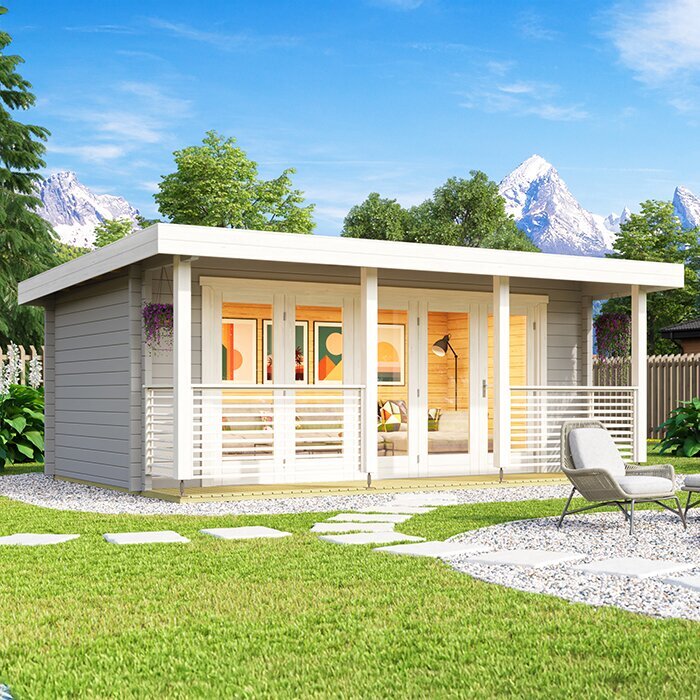
That routine helps you judge whether you need a quick warm spot, a warmer room, or no heater at all for some visits. An unheated shed starts cold, and heating it from time to time is not the same as maintaining warmth between visits. For a short stay, heating one occupied area may be more practical than warming every corner; longer visits can justify allowing more time for the whole space to respond. It can help to picture a representative visit in poor weather and consider what you would do during the first half-hour. If the Verdana 1 garden house is on your shortlist, compare whatever details its product information actually states with your routine; its name alone does not establish insulation, a floor or heating performance.
Check how the shed will hold heat
Before comparing heaters, find out the usable internal dimensions and look at what separates the interior from outdoors: roof, walls, floor, windows, doors and seals. A heater has to offset heat escaping through the building, so the same appliance can feel different in a compact, draughty room and a larger, better-insulated one. Check whether a floor is included and how the door and windows close; do not estimate usable space from an exterior photograph. Use stated measurements and supplier information rather than guessing from a model name. A cold floor or a draught at the entrance can still affect comfort after the air has warmed.
Insulation and draught control can make occasional heating more effective, but adding internal lining is not an automatic improvement. It can alter how moisture moves through the building, so if you are unsure, ask the supplier or a competent building professional before modifying the shed. Keep intended ventilation in mind rather than blocking openings indiscriminately. When reviewing the Verdana 2 garden house, look for dimensions and construction features explicitly stated in its product information, and ask if important details are missing. Check what is included rather than inferring it from the picture.
Before you buy 2
Choose between warming the room and warming a person
Convective heaters warm the air, which then circulates around the room. A fan heater can make warmth noticeable quickly, but its airflow and noise may not suit quiet work. A panel or convector can provide a steadier general rise in air temperature, subject to the building and the unit. Oil-filled radiators often respond more slowly, though their surfaces can continue releasing warmth after switch-off. These are differences in feel, not promises about how fast a particular shed will warm. If the Durano spacious garden shed is under consideration, check its actual internal dimensions and any stated glazing details; the word spacious does not tell you how quickly it will heat up.
Infrared and other radiant electric heaters work differently: they warm people and nearby surfaces in their path, so you may feel comfortable at a workbench before the whole room is warm. This can suit a visit centred on one seat or task, but warmth may feel less even if people move around or sit outside the direct radiant area. Furniture and the heater's specified clearances also affect where it can be used. Decide whether local comfort is enough or whether you want to move freely through a warmed room. If practical, consider the noise and airflow of an appliance in the sort of activity you actually plan to do.
What portable electric heaters can and cannot do
Portable electric units are often considered when visits are irregular because they do not require committing to a permanently fitted heating system. Compare how easy a unit is to carry, how much space it takes up, where its controls sit and how you will store it between visits. Portability does not remove the need for a suitable appliance and power supply, and a heater should only be used in the setting stated in its instructions. Think about whether it might be exposed to damp, knocked by stored tools or left in the way when the shed is used for another purpose.
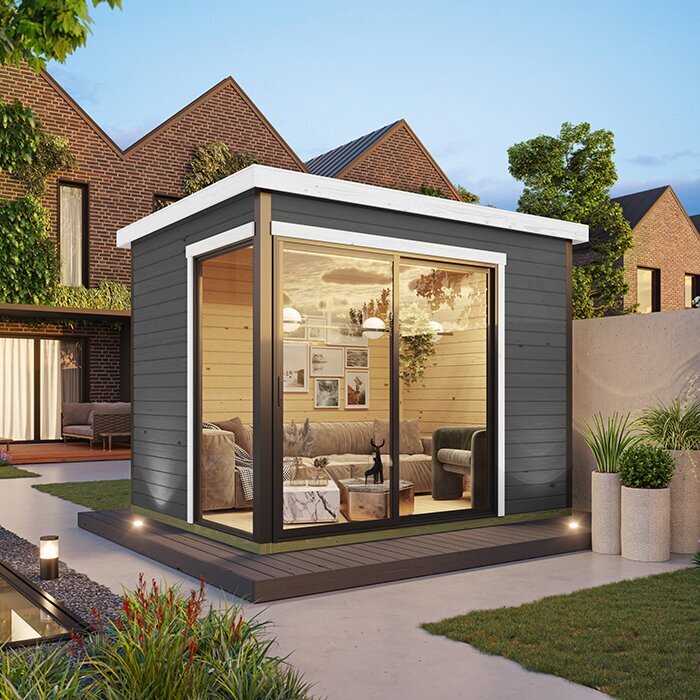
Choose a position that does not block the entrance, narrow a walking route or put stored items close to the heater. Keep the clearances specified by its manufacturer, never cover it and do not leave it operating unattended. Allow it to cool before moving or storing it. Do not assume an extension lead is suitable; follow the appliance instructions and ask an electrician if the supply or connection is uncertain. For the Veltor 1 garden house, use any stated plan and measurements to see whether a heater could be placed safely, and request details if they are not provided.
Before you buy 3
Fixed systems and fuel-burning heaters need more planning
A fixed electric panel or convector is worth comparing if visits are frequent or long enough to make a predictable room-warming routine useful. It can be paired with controls such as a thermostat, but the response depends on the building's heat retention and the system selected. A heat pump is another fixed option to discuss if regular use might justify equipment and installation; suitability, output and operating costs depend on the particular unit and building. Ask a qualified installer to assess the space, location and supply rather than choosing from a rough guess. The Orello 1 garden house product information may help you identify stated building details, but it cannot by itself establish that a fixed system is suitable.
Fuel-burning heaters and stoves need more caution than a plug-in electric unit. Gas, paraffin and solid fuel produce combustion products; an unvented appliance can also add water vapour, and carbon monoxide is a serious hazard. Never assume a camping, patio or outdoor heater is suitable inside a garden shed. Use an appliance indoors only if its manufacturer explicitly allows that setting, and have any ventilation or flue requirements assessed by a competent professional. A stove is a planned installation, not a casual solution for occasional visits; do not try to design or fit its flue yourself.
Check the supply, controls and running cost
Before buying an electric heater, check where its power will come from and whether the supply is suitable for the intended appliance. Existing sockets, other equipment on the circuit and the proposed location all matter. A garden building's product page does not establish that the site has the necessary electrical capacity. If a new connection, fixed heater or uncertainty about the supply is involved, have a qualified electrician assess it. When reviewing the Modano 1 garden house, rely only on services or components explicitly stated; do not assume electrical provision is included because the building is intended for a garden.
For running costs, compare the heater's rated input with the hours you are likely to use it and your current electricity tariff; actual consumption varies if a thermostat cycles the unit. Use a realistic estimate for a typical visit rather than assuming it will run for only a brief warm-up. Add installation or supply changes to the initial purchase cost, and consider maintenance and safe storage for a portable appliance. A timer can avoid heating the shed long before a planned visit, while a thermostat can help prevent needless continuous running once the room is warm. Neither control makes it sensible to leave a heater operating unattended unless the manufacturer allows that use and the arrangement is safe.
Before you buy 4
Moisture and ventilation still matter
Warm air does not fix a leak, wet materials or poor drainage, and occasional heating can make damp more noticeable rather than solve it. Moisture from people, wet coats or stored garden equipment can condense on colder windows and surfaces as the room cools. Before selecting a heater, look for leaks and persistent damp, and consider where moisture is coming from. Keep wet items out where possible and allow the shed to ventilate in the way its design permits. If the wooden garden tool shed M is on your shortlist, check the actual construction guidance before adding insulation or heat; its name alone says nothing about how moisture is managed.
Ventilation deserves particular attention with any combustion appliance, because it is part of managing combustion products as well as moisture. Do not block intended vents in a bid to retain warmth, and do not treat an open door as a designed ventilation system. If the room remains damp after a source of water is addressed, get advice on the building and its ventilation rather than adding more heat. For an electrically heated shed, drying wet footwear elsewhere and keeping air paths clear can help avoid asking the heater to compensate for moisture.
Place the heat where the shed is used
Plan around the place you will actually sit or work. A radiant unit is directional, so it needs a clear path to the occupied spot and the clearances in its instructions; a convective heater needs room for air to circulate around it. Either type can become obstructed by a chair, coat, tools or boxes if the shed is arranged only for storage. Keep the entrance and normal walking route clear, and consider whether the person using the room would have to reach past a hot surface to switch the heater off. If the door opens frequently, place the seating or work area where it is not continually exposed to a draught.
Review furniture and storage in the same plan: an open area near a workbench may be more useful than trying to heat around full shelves. Check whether the heater's controls remain accessible and whether its cable or fixed position will cross a route; ask a qualified professional about fixed equipment or supply. If you are considering the wooden garden shed S, use any published plan to test your intended arrangement, and request measurements if they are not available. Do not infer internal clearance from an illustration.
Before you buy 5
Questions to settle before ordering a garden shed
Ask for the measurements and construction information you will need to select a heater later: usable internal dimensions, stated wall, roof and floor details, glazing and door information, and whether a floor or insulation is included. Check whether a heater or electrical service is included only if this is clearly stated; do not assume either from a photograph or category description. Keep any guidance about lining, ventilation or alterations with the product documents. This is particularly useful if you expect to add fixed equipment after purchase, as an installer may need building details before assessing the proposal.
Consider the plot and the way you will use the door before finalising the layout. A heater must not obstruct access, and permanent electrical work needs a suitable route and professional assessment; dealing with this after the building is in place can limit your choices. Ask who can answer technical questions and which details are confirmed or optional, and request written information where necessary. For a shed used intermittently, it is more useful to understand what the building and its supply can support than to buy a heater first and try to make it fit afterwards.
Compare the full cost of occasional heating
Compare total ownership cost rather than the heater's purchase price alone. Include any electrician or installer assessment, fixed equipment, changes to the power supply, energy used during expected visits and upkeep. A portable unit may avoid a permanent installation but still needs suitable equipment and safe power; a fixed system may add cost before it provides any convenience. For irregular visits, consider how many hours the heater will actually run, not simply how often you visit. Without the appliance rating, expected use and tariff, a cost estimate cannot be meaningful.
Then match the choice to the routine you wrote down: a radiant unit may be worth comparing for one occupied spot; a fan, panel or oil-filled electric heater for warming room air; a fixed system if visits are regular enough to warrant professional assessment. Fuel-burning options require extra care and are not a shortcut around installation questions. Once a safe, suitable arrangement is in place, assess it during a normal attended visit. Note whether the chosen area reaches the comfort you want and whether the warm-up time fits your routine, then adjust your plan based on that experience rather than oversizing on guesswork.
Frequently asked questions
Can I heat the shed only while I am using it?
Yes, provided the heater and power supply are suitable and you use the appliance as instructed. Allow for the fact that a cold shed can take time to feel comfortable. For short visits, warming the area where you sit may be more practical than heating the whole room. Do not leave a heater operating unattended unless its manufacturer explicitly permits that use and the arrangement is safe.
Is radiant heating better than a fan heater for a short visit?
It depends on how you use the space. A radiant heater directs warmth towards people and nearby surfaces, which can suit one work or seating area. A fan heater moves warm air quickly but creates airflow and some noise. If you move around the shed, more general air heating may feel preferable; neither type is best for every building.
Should I insulate a garden shed before adding a heater?
Insulation can reduce heat loss, but it is not a simple add-on for every shed. Check the building's construction and guidance before lining it, as changes can affect moisture and ventilation. If you are unsure about a retrofit, ask the supplier or a competent building professional before choosing materials or making alterations.
Can I use a camping or patio gas heater inside a garden shed?
Do not assume an outdoor or camping heater is suitable for an enclosed shed. Fuel-burning appliances produce combustion products, and some also add water vapour; carbon monoxide is a serious hazard. Use an appliance indoors only if its manufacturer explicitly allows that setting, and have any ventilation or flue requirements assessed by a competent professional.
What should I check if I might heat a shed after ordering it?
Check the stated internal dimensions, construction, glazing, doors and any included floor or insulation. Ask what changes are permitted and whether the information is sufficient for an electrician or installer to assess a future heating system. Also consider the shed's position and how a heater could be placed without obstructing the door or walking route.
Heating a garden shed now and then works best when the plan reflects the visit, not an imagined all-day routine. Decide whether you need a warm work spot or a warmer whole room, check how the actual building is constructed, and match the heater and controls to a safe supply. Occasional use rarely calls for keeping the shed warm when empty unless stored contents require it. A portable electric option may be worth considering for flexible use; a fixed or fuel-burning system calls for professional assessment as part of the decision.
