
Hot Tub Features Worth Paying For—and Which You May Not Need
Hot tub buying guide
A hot tub’s feature list can make every extra sound essential. Each feature’s value depends on who will use the tub, how often, and whether it improves comfort or simplifies care without adding work you do not want. A control option that helps with a repeated task may suit frequent use; decorative lighting may add little if you mostly use the tub in daylight. Treat each feature as a separate decision: establish what is standard, what is optional and what the extra actually does. The aim is to choose a package that suits your routine, rather than pay for the longest list of equipment.
Start with how you will use the hot tub
Begin with your routine, not the longest feature list. Decide whether use will be occasional or frequent, mainly for quiet time or company, and whether you expect to use the tub throughout the year. Note who will use it and any clear preferences about comfort or ease of operation; people in the same household may value different things. Then mark each proposed feature as essential, useful or merely appealing. Give a feature priority when it meets a recurring need, such as making controls easier to operate or providing a seating arrangement you prefer, rather than because it appears on a premium specification sheet. If you cannot name a real occasion when you would use it, its value is probably low for your household.
Compare the benefit with the extra purchase cost, rather than assuming that a more expensive package represents better value. Describe what each option would change during an ordinary session: fewer operating steps, a more comfortable position or a choice of lighting effects. This makes it easier to distinguish a useful improvement from something that simply sounds impressive. The Bloomcabin Hot Tub Cove 2 listing is one place to begin a model-specific comparison, using only explicitly stated features. Model names do not establish equipment or capacity. Where a detail is missing, leave it undecided rather than giving the option credit for a benefit you have not confirmed. A shorter list of clear benefits is more useful than a long list of assumptions.
Comfort depends on the people using the tub
Comfort features are personal, so a label such as ‘ergonomic’ or ‘premium seating’ is not enough to justify an upgrade. Consider seat shape and position, support for the back and head, foot placement, and whether people can settle comfortably without being forced into one posture. Where a display model is available, the intended users can assess it directly; otherwise ask for a seating diagram and any dimensions that are actually published. Compare the documented layout with users’ preferences, not with an assumed capacity based on a model number. A feature that suits one person may bother another, so take different preferences seriously before paying for a particular layout.
Jet options deserve the same scrutiny. More outlets, different patterns or adjustable settings are not automatically better: placement, how the controls work and whether the sensation suits the user matter more than a headline count. Ask which settings can be changed, whether that varies by seat, and what cleaning or care the system calls for. One person may enjoy having a choice; another may use one setting or avoid it altogether. When reviewing the Bloomcabin Hot Tub Haven 6 page, compare any stated comfort features with those preferences. If users want different settings, ask whether they can make those adjustments independently or would need to agree on a shared setting.
Controls are valuable when they simplify a routine
Controls can justify extra spending when they remove an annoyance from a routine the owner repeats. A clear, simple interface may be valuable if several people will use the tub, if reaching the controls could be awkward, or if the operating steps are hard to follow. Before paying for a more elaborate panel, ask to see its functions or request the manual. Check how a user changes ordinary settings, understands status information and returns to a basic setting. A control described as advanced has little value if the household finds it harder to operate than a simpler alternative; the number of buttons is not a measure of convenience.
Schedules, app access or automated settings may suit frequent users, but only after you know exactly what each function does. Ask what can be controlled, whether a connection or account is required, whether any recurring fee applies, and which routine tasks still need attention from the owner. For connected controls, ask what happens if the connection is unavailable. Automation is not the same as eliminating care, so do not pay for a promise broader than the written function. When reviewing the Bloomcabin Hot Tub Fjord 8 page, distinguish between a feature that performs a task and one that only displays information or sends a reminder. Those functions offer different kinds of convenience and should be valued accordingly.
Lighting adds atmosphere, but may not be essential
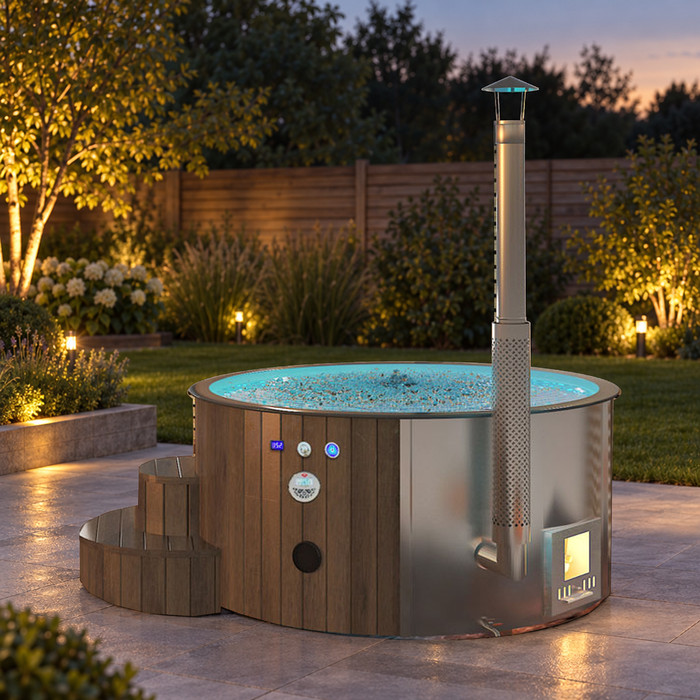
Lighting is usually an atmosphere choice: colour effects or a softly lit interior may suit evening use and social occasions. Its value falls if the tub will mostly be used in daylight, the owner prefers a plain setting, or the option costs more than the benefit is worth. Decide whether you want a particular appearance or a practical lighting function, because those are different reasons to spend. Ask what part of the tub is lit, how settings are selected, whether the effect can be changed or switched off, and whether it is included or separately priced. Multiple colour modes matter only if you expect to choose between them.
Do not assume every lighting package does the same job. A colour-changing feature may offer visual variety, while a simpler light may suit a different preference; check the actual description rather than relying on labels. Decorative lights should not be treated as proof that the route around the tub, steps or controls are adequately visible. When reviewing the Bloomcabin hot tub Aurora 10 listing, consider any explicitly described lighting on its own merits. If one person wants changing colours while another prefers a steady light, the ability to select a plain setting may matter more than the number of effects. Include any documented maintenance or replacement costs in your comparison.
A cover can be a practical everyday feature
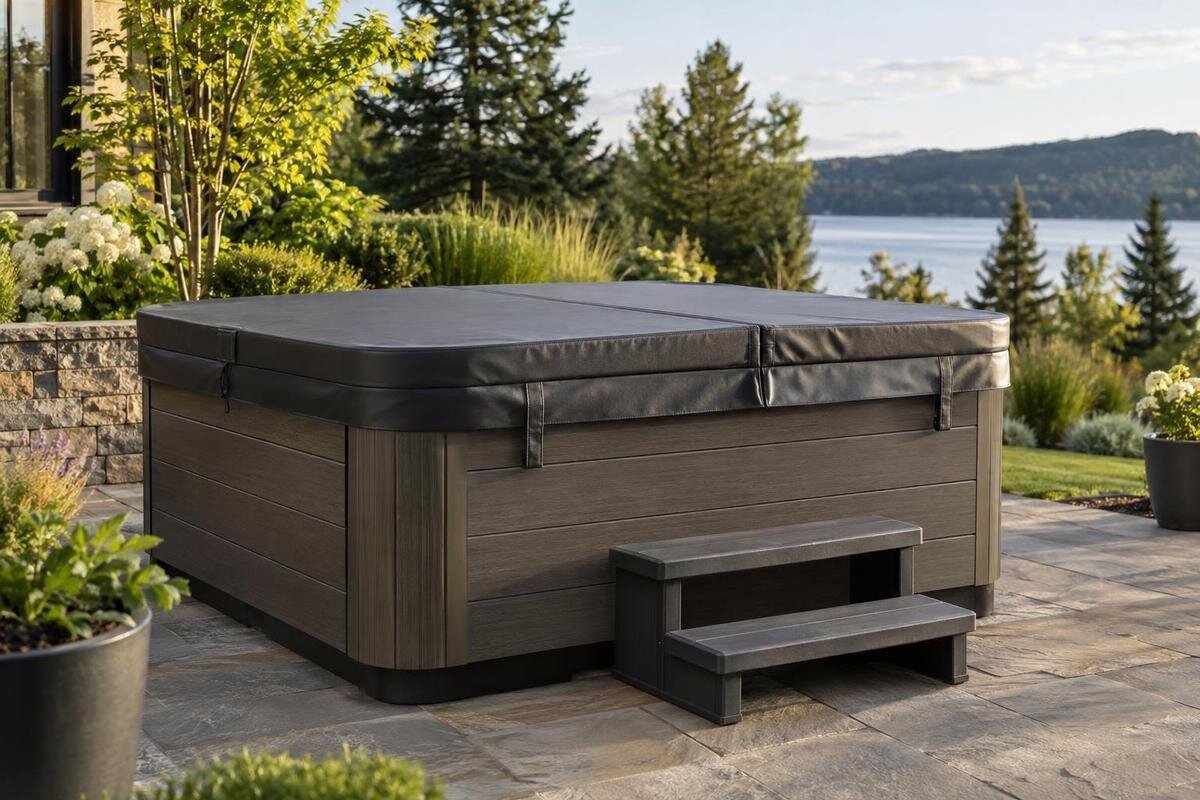
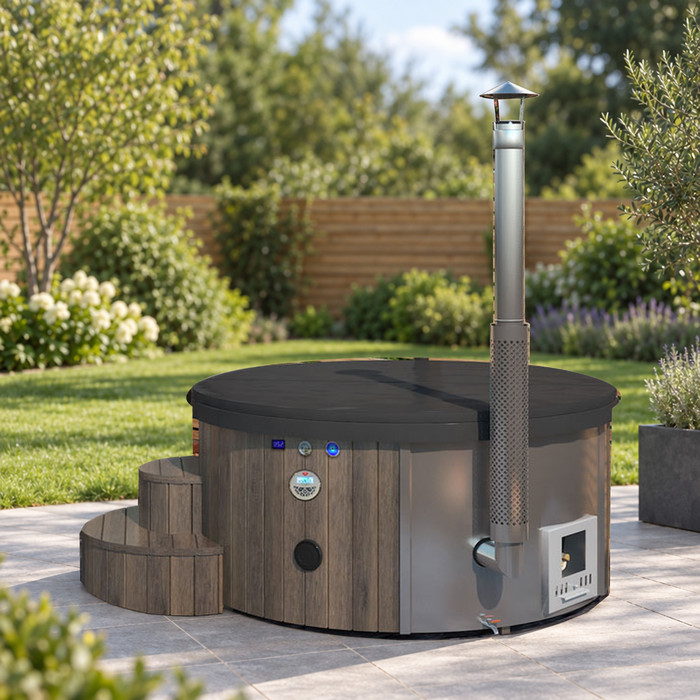
A cover is a practical feature to assess because it is used between sessions, not just admired when the tub is new. A correctly fitting cover can help keep debris out and limit heat loss while the tub is not in use, but its actual construction and performance need to be documented. Ask whether a cover is included in the quoted package or listed as an option, whether it is specified for the exact configuration, and what care the manufacturer requires. Do not assign a saving or assume a particular construction without supporting details. If more than one cover option is offered, ask what differs in the specification.
Ease of handling can determine whether an otherwise useful cover fits the household routine. Find out how it is opened and stored, who will usually handle it, and whether product information gives guidance on its weight or a handling mechanism; do not assume an aid is included. Consider where the cover would go during use and whether the proposed handling arrangement suits that space. For the Cove 2 product listing, check the cover description alongside any stated handling options, then compare their separate benefits and prices. Include documented care and replacement implications in that assessment. A modest convenience used every session may be more valuable than an extra used only for guests.
Judge insulation by what is actually specified
Insulation is worth assessing as a stated feature, not as a vague label. In general, insulation is intended to slow heat transfer, but the result depends on the whole setup, including the cover, ambient conditions and how the tub is used. A broad claim does not tell you what material or arrangement is present, where it applies or what performance is expected. Ask for the specification and any explanation of the conditions behind a comparison. That keeps an appealing phrase such as ‘well insulated’ from being mistaken for a quantified promise; without a stated basis, a precise saving cannot be established.
How much it matters depends partly on expected use. Someone planning frequent or year-round sessions may value documented insulation more than someone who uses the tub occasionally, but frequency alone does not establish likely savings. Describe your intended pattern of use when asking about an upgrade, including whether sessions are likely to be spread throughout the week or concentrated into occasional periods. On the Haven 6 listing, look for an explicit description of the insulation before comparing options. Ask whether any stated performance comparison reflects a pattern similar to yours. If it does not, the information may still explain the feature, but it is not a sound basis for predicting the same benefit in your own routine.
Filtration and the care it requires
Filtration deserves attention because it forms part of the water-care routine, but its value lies in a clear, workable process—not a broad claim that the tub looks after itself. A filter can capture particles carried in water as it circulates; it does not, by itself, explain the full water-care process. Ask which filtration components are included, how they are accessed, what cleaning instructions apply, and which parts or consumables may need replacing. Use the manufacturer’s written care guidance rather than assuming that a label such as ‘enhanced’ or ‘automatic’ tells the whole story.
An upgrade may reduce a particular task, but it may also add parts, instructions or consumables. Ask what still needs to be done manually, what schedule is stated for the included system, and whether replacement items are identified in the product information. Compare that work with the household’s willingness to keep up a routine; do not treat added automation as maintenance-free. For the Fjord 8 product page, use any stated filtration details to identify the tasks an upgrade would change. If it reduces one job but leaves the rest unchanged, judge its extra price against that specific improvement rather than a general impression of easier ownership.
Separate standard equipment from paid upgrades
Before comparing feature packages, separate what is standard, what is optional and what remains unconfirmed. A sales description may mention a control system or cover without making clear whether that exact version is included in the quoted configuration. For each item, ask for a plain description of its function, its status and the price difference if optional. If the feature is bundled with another, ask what each part adds; do not assign the bundle’s full value to an item you would not choose on its own. This is especially useful when two listings use different wording for what sounds like a similar option.
Keep the purchase amount and any documented ongoing charge distinct, and compare the same configuration rather than two unlike packages. A feature might involve consumables, a service, a connection or a separate component; treat each as a question until confirmed, not as an automatic cost. Use the Aurora 10 listing to identify the configuration you are considering, then ask the seller to distinguish included equipment from separately priced options. If a bundle contains one feature you want and several you do not, compare its full extra price with the benefit of that one feature. Unwanted additions do not become valuable merely because they are packaged together.
Prioritise features that improve regular use
To rank upgrades, use three tests. First, frequency: will you use it most sessions, occasionally or almost never? Second, impact: does it change comfort or remove a task that matters, or merely add variety? Third, upkeep: does it require extra cleaning, replacement items, learning or an ongoing payment? A frequent, meaningful benefit with manageable upkeep is a stronger candidate than an option that is rare and complicated to maintain. This is not a numerical score; it is a way to prevent a long catalogue from making low-priority extras look equally important. Then weigh the verified extra price against your own budget.
Apply the tests to your actual routine. A household using the tub regularly may put more weight on seating that suits its users, straightforward controls, a well-specified cover and an easy-to-follow filtration routine. Someone using it for occasional gatherings may prefer a simpler package, unless a particular comfort or lighting choice is genuinely central to those visits. These are examples, not rules: regular use does not make every upgrade worthwhile, and rare use does not make a comfort feature pointless. Keep each choice tied to a named benefit and to the people who will notice it.
Compare each feature, its cost and its upkeep
Write each shortlisted feature on one comparison sheet with its exact documented function, included-or-optional status, added price, any stated ongoing charge, maintenance requirement and the user who would benefit. Add how often that person expects to use it, and note any unanswered question. This record prevents a vague phrase such as ‘premium filtration’ from being compared with a precise specification as if they were equivalent. When two listings use different terms, ask what function is meant and what components are included rather than assuming the labels describe the same equipment. Keep the seller’s clarification with the quote.
Use the completed comparison to choose between the packages you would genuinely consider buying. If both provide the comfort and practical functions you need, identify exactly what the dearer package adds and who would use those additions. Keep it on the shortlist only if those benefits justify the difference to your household. If neither package meets an important need, adding decorative extras will not resolve that shortcoming. Where a feature’s operation or cost remains unclear, leave that decision open rather than counting it as a benefit. The final choice should reflect a useful combination of features, not the number of entries on the specification sheet.
Frequently asked questions
Which hot tub features are most worth paying for?
Usually, features that improve comfort for the people using the tub or make frequent care easier. Consider the seating layout, clearly described controls, the cover and insulation details, and a filtration routine you can maintain. Their value still depends on what is included and how often you expect to use the tub.
Does a higher jet count mean a better experience?
No. A count does not explain the jets’ position, whether settings can be adjusted or whether the sensation suits the people using the tub. Look for written details and weigh each user’s preference rather than paying for a bigger headline number.
Is extra insulation worthwhile for occasional use?
It depends on the specification, price and how you plan to use the tub. Ask what is insulated, whether it is included and what evidence supports any performance claim. Compare the confirmed extra cost with your expected use; do not rely on an unquantified label or predicted savings.
Does automated filtration mean no maintenance?
No. Automation may handle a particular task, but ask what remains manual, what needs cleaning or replacing and which care instructions apply. Get the exact function and any documented consumable or service costs in writing before paying extra.
How can I tell whether a feature is standard or optional?
Ask the seller to identify each feature in the exact configuration, mark it as included or optional, and state any added or recurring charge. A product name, photograph or general package description is not enough. Treat an omitted detail as unconfirmed until clarified in writing.
The best-value hot tub is not necessarily the one with the longest feature list. It is the one whose documented features suit your expected routine: comfort people appreciate, controls they can use, a care process they can keep up with and extras that justify their confirmed cost. Treat unknown inclusions as questions, not promises, and feel free to leave out an option you would rarely use. Paying for fewer, well-matched features can be more satisfying than buying every available extra.
