
How Long Does a Hot Tub Take to Heat Up?
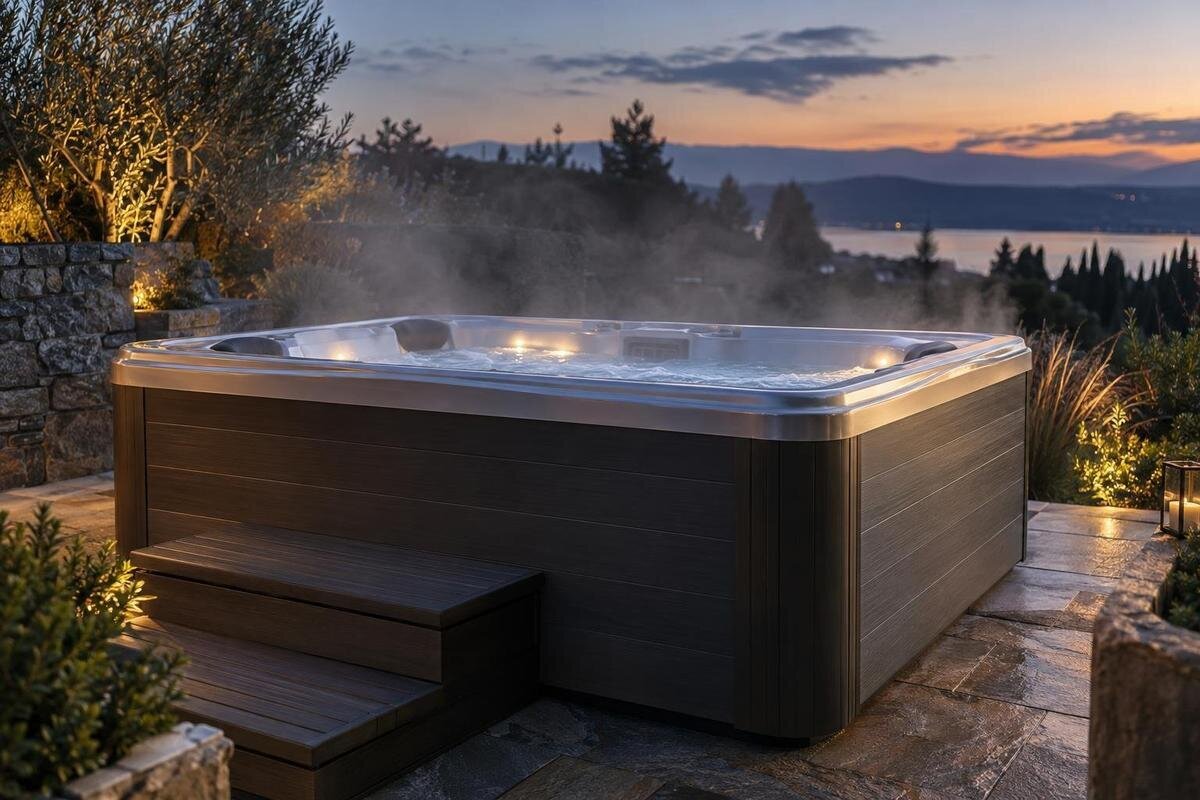
Hot tub heating
Hot tub heating times are often quoted as if one figure applies to every fill. It does not. The time depends on the water temperature when heating begins, the target you choose, the volume and exact heating setup, as well as the conditions behind the manufacturer’s data. A rate recorded under one test setup is not automatically a promise for an exposed garden. This guide explains how to read model-specific evidence, make a cautious schedule and decide what to ask before buying—without guessing a warm-up time from a product name.
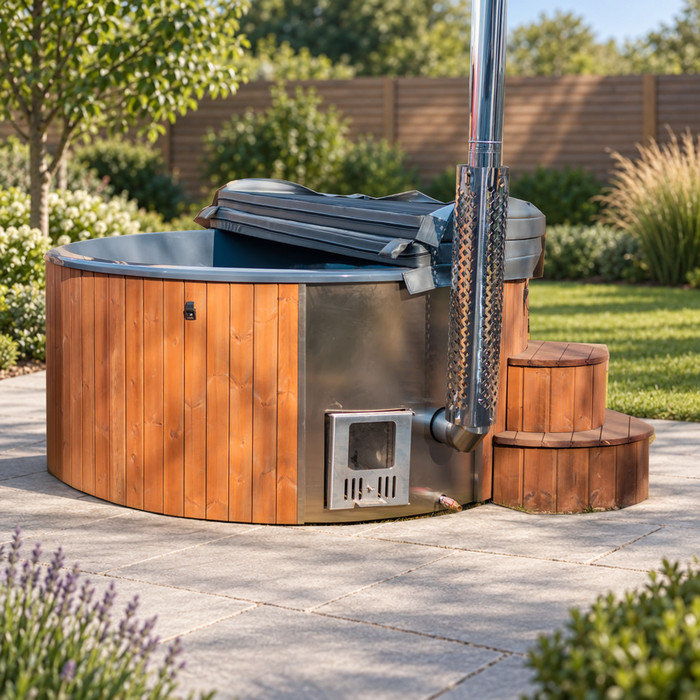
Why there is no single hot tub heating time
Hot tub heating time is not a fixed property you can read from a model name. It depends on the temperature the water starts at and the temperature it needs to reach, while the specified heating system adds heat under particular operating conditions. Water starting closer to its chosen target needs a smaller temperature rise than a colder fill; water volume and the heater’s documented output matter too. An answer without a starting point, target and exact model context is not a dependable basis for planning. A headline number is useful only when the conditions behind it are clear.
Treat a product listing as an identifier, not a warm-up forecast. If the Cove 2 product page is on your shortlist, its name, photographs or any number in the model title do not verify its capacity, heating system or performance. The same applies to any other model: compare a documented figure for the exact model and configuration being offered, not a general claim for a different tub. When conditions are missing, record the warm-up time as unknown rather than using an online average as a substitute.
Starting and target water temperatures
Starting water temperature is the first detail to pin down. The word cold is not a useful test condition by itself: the initial reading can vary with the source and the moment the tub is filled. Check whether the maker’s duration starts from a stated water temperature, after a defined fill or from another clearly described point. If timing a real warm-up, note the starting reading and the time you begin instead of estimating from the season or how the water feels. This makes it easier to compare your experience with a manufacturer’s chart and distinguish a slower run from one that began colder. When discussing two possible schedules with a seller, state the starting temperature for each. A comparison between a fresh fill and water left from an earlier session needs two clearly labelled starting points, rather than a single description such as cold water.
The target is the end of the interval, so it matters just as much. A duration documented from one starting temperature to one target does not automatically answer how long it takes to reach a different target. Follow the temperature ranges and operating directions for the exact model rather than inferring them from a general product description. If you are considering the Haven 6 listing, ask the seller to connect any quoted time to the target you expect to use and the precise system offered. If your target differs from the test, request a matching figure instead of treating one rate as universal.
Water volume and the heating system
Water volume determines how much water must be brought through the required temperature rise. With the same heater and comparable conditions, a greater volume needs more heat input; a heater with a different documented output changes the comparison again. This is why a time cannot be transferred between tubs merely because their outside dimensions look similar. Use the maker’s stated fill or operating volume, and check whether a quoted test uses that same volume. Do not estimate capacity from photographs, seating labels or a number in a product name: catalogue identity alone does not establish the heating inputs.
The heating system matters as well. A time for one specified heater cannot be applied to another, and a model name does not tell you whether the system is electric, wood-fired or another type. Ask which heating arrangement is included in the quoted configuration and whether the published figure covers it. When considering the Fjord 8 listing, use the page to identify the model, then request heating data for its exact setup. Confirm what is included in the configuration rather than assuming every listing refers to the same arrangement.
Outdoor conditions and the test setup
Outdoor conditions can make a manufacturer’s figure difficult to apply unless its test setup is stated. Ask whether the published result records air temperature, exposure to wind, cover position and the operating conditions used during heating. These details help you judge how closely the test resembles the place and way you expect to use the tub; they are not a reason to improvise a different operating method. Follow the manufacturer’s instructions for any cover or equipment. A figure that omits its setup may still be a benchmark, but it cannot promise the same elapsed time in every garden.
Weather and exposure can change from one planned use to another, so read a heating time as a result under stated conditions rather than a guarantee for a particular day. If you are comparing the Aurora 10 product page, ask which exact heater and test setup any quoted rate refers to; do not infer them from the model name. Describe your intended position and ask how the published conditions compare with it. Where the manufacturer gives figures for more than one set of conditions, keep each result with its own description rather than combining the shortest duration with a different setup. This also helps distinguish a result relevant to your garden from an example included only to illustrate performance. If the available data does not cover your circumstances, ask what can reasonably be concluded from it rather than adding an arbitrary weather allowance.
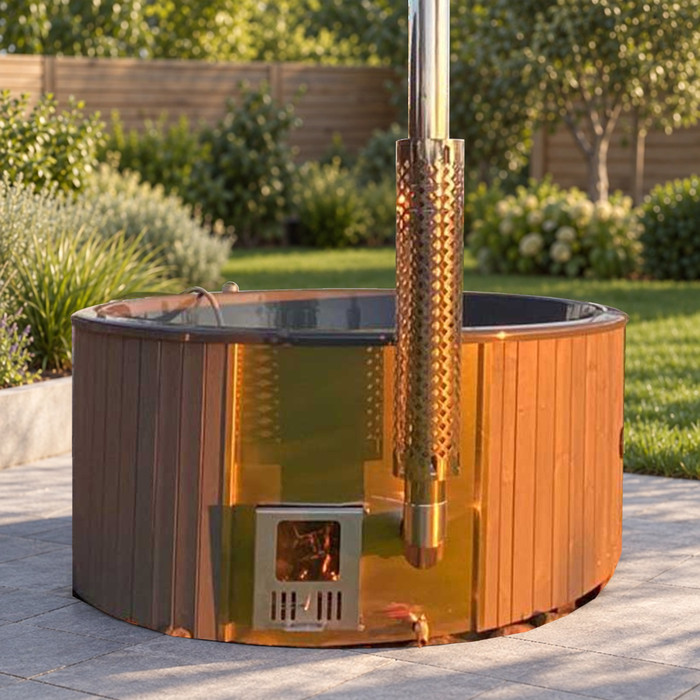
Heating from cold versus maintaining temperature
Heating a fresh fill from cold and bringing water back up after it has cooled are different tasks. For a fresh fill, the starting point is the water temperature after filling, and the full volume must reach the intended target. If water has been kept near that target, the required rise is smaller, although the heater still has to replace heat lost during use and between sessions. A partly cooled tub sits between those cases. Its remaining warm-up depends on the actual water temperature, not simply on how many days have passed since it was last used.
Do not apply a full-fill duration to a routine temperature adjustment, or assume a maintenance setting will restore water at the same rate as a cold start. The manufacturer may give separate guidance for different operating patterns, so check the instructions for the exact model. For a buying decision, consider whether you expect occasional use after the water has cooled or regular use with the water kept near the maker’s recommended setting. The documented schedule should suit that routine; a single headline time cannot answer both questions.
How to interpret a manufacturer’s heating figures
A manufacturer may give a total warm-up duration or a heating rate, and the two need different interpretation. A duration should state the starting temperature, target, volume and configuration it covers. A rate, such as degrees of rise per hour, may describe an average across a named interval or a result from one part of a test. It does not necessarily mean the same rise repeats at every stage. Check the method and limitations alongside the headline. Unless the maker says a rate applies across your full temperature range, do not extend it as a constant or use it to promise an exact ready time.
The product information available for this guide identifies the listed models but does not provide a verified manufacturer warm-up rate or duration. The Haven 6 product details identify the model being considered; the information supplied for this guide does not establish how long it takes to heat. No model-specific hour count can therefore be given here for Haven 6 or the other listed tubs. Ask for current manufacturer documentation or a seller’s response that names the test conditions. Keep any later answer with the quotation for that configuration so that the basis of your comparison remains clear. A missing figure means the time is unknown, not that performance is especially fast or slow.
Estimating when the water will be ready
For a practical estimate, start with the exact model and heating configuration in the quote, then note the water’s actual starting temperature and intended target. Look for a manufacturer table or duration covering that same interval and stated water volume. If the published duration uses a different start, target or heater, it is not a direct match; ask for data that is. When checking the Fjord 8 product information, use the maker’s data for that exact model rather than assuming another product’s rate applies. Keep the stated operating conditions alongside the number.
If the manufacturer publishes a rate rather than a duration, first establish whether it is an average for the full interval or a rate measured under specific conditions. Only when the maker says it applies across the range and setup should you divide the required temperature rise by that rate for an approximate duration. Treat the result as a planning estimate, not a guarantee, and allow a margin for conditions that differ from the test. If the rate is a peak, or its range is unclear, do not make that calculation; request a complete duration instead.
Planning a routine around warm-up time
Once you have a matching duration, work backwards from when you want the water ready, using your likely starting temperature rather than a best-case assumption. If the maker gives a range, treat it as a range: for a fixed time, plan around its slower end instead of the most optimistic figure. Leave additional room if the actual fill temperature or outdoor setup differs from the test. Also check when the timing starts. A heating-only duration may begin after filling is complete, so do not assume it covers the full period from an empty tub to ready. Separate the time before heating begins from the warm-up itself in your plan; otherwise, an accurate heating figure can still produce an unrealistic start time. Where a seller quotes a complete preparation period, ask which parts it includes. Keep any allowance you add clearly separate from the manufacturer’s duration, rather than presenting the combined estimate as a published specification.
Your usual pattern belongs in the buying decision too. If you are comfortable planning ahead after the water has cooled, a documented full warm-up may be enough; if you expect more spontaneous use, ask what the maker says about maintaining the water and bringing it back up after it drops. Do not assume a particular setting or operating mode without checking its instructions. Consider your own availability as well as elapsed time. Ask what attention the specified heating system requires during that period, rather than assuming that a quoted duration means you can leave it unattended. A schedule may fit the evening you have in mind but not the time you can set aside beforehand. The useful comparison is therefore between the documented routine and your actual plans, not simply between the shortest numbers advertised for different tubs.
Questions to ask before buying
Make the request specific: what is the warm-up time for the exact model and heater quoted, from which starting temperature to which target, and for what water volume? Ask whether it is a measured duration or a calculated estimate, and whether any quoted rate is an average or a maximum. If comparing the Cove 2 listing, keep the question attached to that exact configuration; a general answer for the brand or a different tub does not settle the timing question. Also ask whether the stated clock begins after filling or includes the fill itself.
Request the manufacturer’s manual, a technical data sheet or a written response that states the relevant conditions. Useful details include whether the figure assumes a particular cover arrangement, heating configuration or operating procedure, and whether it describes a fresh fill or water already near the target. Ask whether the result is typical, a best-case test or a guaranteed duration; do not assume a seller’s estimate is an official manufacturer figure. If a listing and a later reply give different times, ask which applies to the configuration in your quotation before choosing one for your schedule. Keep unresolved entries marked as unknown when comparing models, rather than treating a blank as either an advantage or a drawback. A clear answer that the time is not specified is more useful than a precise-looking number whose basis cannot be explained.
What to check if heating takes longer than expected
If your tub takes longer than a quoted figure, compare the actual run with the test conditions before judging performance. Check the starting and target readings, water volume, precise heating setup and documented conditions such as outdoor exposure or cover position. Record the time and readings rather than relying on touch or memory. For the model shown in the Aurora 10 listing, as for any other, a comparison only helps if the figure belongs to the exact configuration. If an input differs, the results may not be directly comparable; an estimate from another starting point cannot explain the difference by itself.
Follow the current manual’s guidance on normal operation and confirm that the tub was prepared as the maker specifies. Do not change settings or alter equipment to force a faster result, and do not infer a fault from one comparison with an incomplete estimate. If a long run remains unexplained, contact the retailer or manufacturer with the model and configuration, starting and target readings, elapsed time and observed conditions to hand. A clear record makes that conversation more useful and avoids guesswork about a defect or repair.
Frequently asked questions
How long does a hot tub take to heat up from cold?
There is no reliable universal number. Cold is not a precise starting point: the water’s actual temperature, volume, chosen target, heating system and the conditions behind the manufacturer’s figure all matter. Use a duration for the exact model and setup that matches those details; otherwise, the time cannot be stated responsibly.
What information makes a heating time reliable?
Look for the exact model and heating configuration, the starting and target temperatures, the water volume and the test conditions. Check whether the stated duration covers heating only or also includes filling. A figure with no explanation of what it measures is difficult to use as a schedule.
Can I use a heating rate to plan when to start?
Only if the manufacturer says the rate applies across your full temperature range and to the same model, volume and setup. Then it can give you an approximate duration, not a guaranteed ready time. If it is a peak rate or its test range is unclear, ask for a duration that matches your situation.
Is maintaining temperature the same as heating from cold?
No. A fresh fill needs to reach the target from its actual starting temperature. Water already near the target needs a smaller rise, though the heater still has to replace heat lost during use and between sessions. Do not apply a full warm-up duration to a routine temperature adjustment.
What should I ask if a listing has no warm-up time?
Ask the seller for the manufacturer’s figure for the exact model and heating configuration. Request its starting temperature, target, water volume, test conditions and whether it is a measured duration or an estimate. If there is no verified figure, treat the time as unknown rather than relying on an unrelated average.
A useful warm-up estimate begins with a defined starting temperature and target, then follows manufacturer data for the exact volume and heating setup. If the maker gives a rate, its stated range must support the calculation; otherwise, do not stretch it into a duration. Make timing part of the buying comparison: a documented schedule that fits your routine is more useful than a confident number with no stated conditions.
