
How Often Should You Change Hot Tub Water?
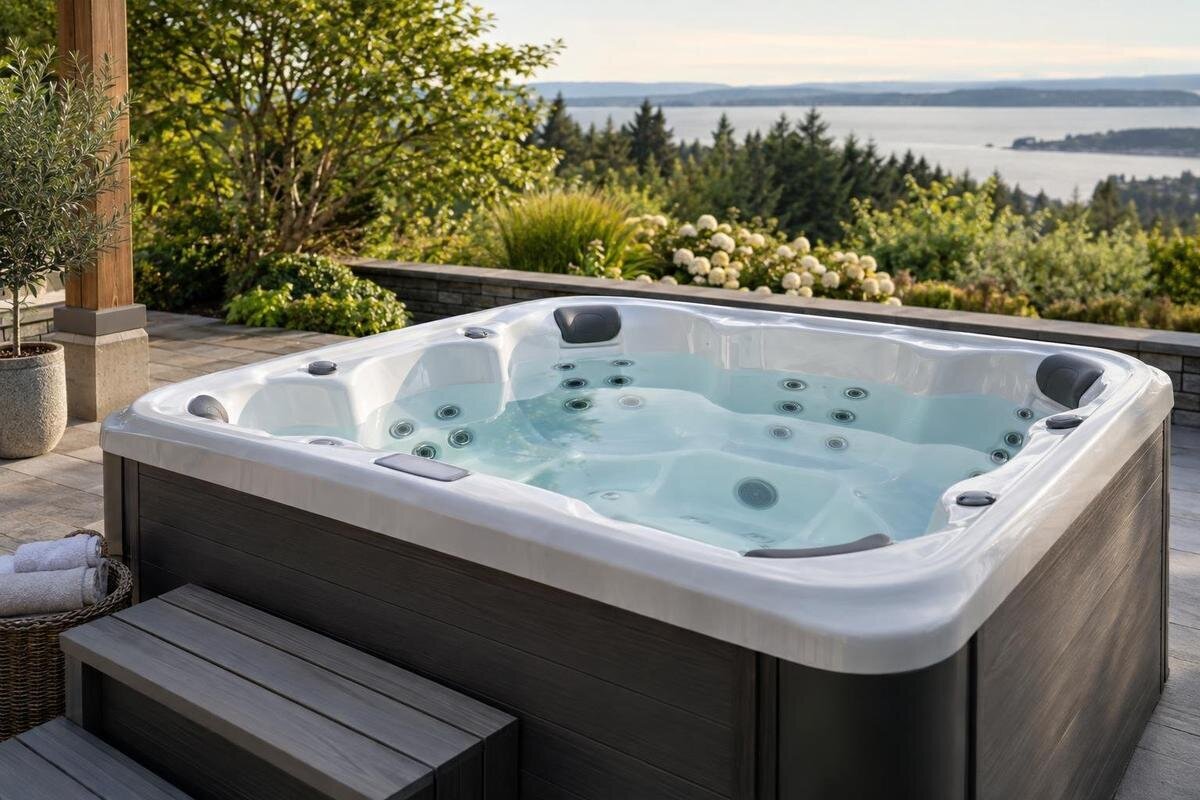
Hot tub water care
A hot tub does not have one water-change calendar that suits every owner. If you are weighing up a full drain and refill, the useful answer comes from the instructions for your exact model and from how the water has been used and cared for—not from a generic number repeated online. This guide separates a full replacement from routine upkeep and explains what to confirm before you act.
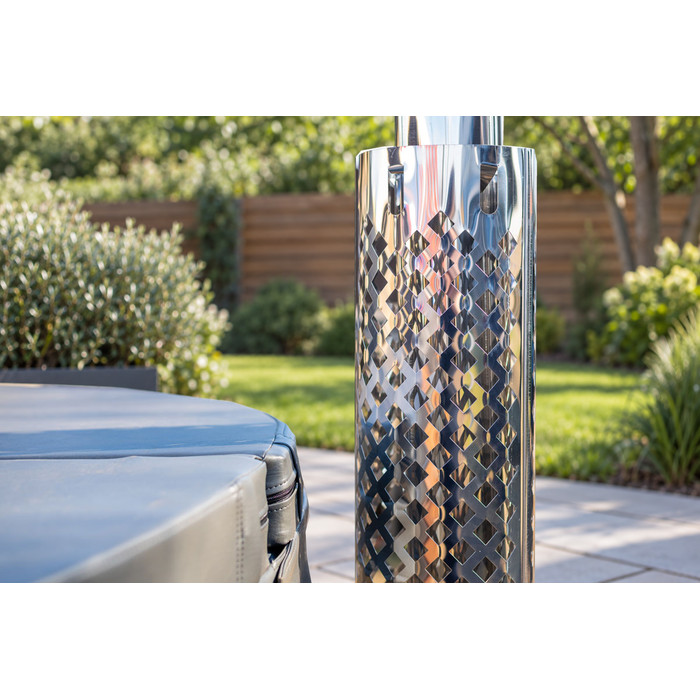
Is there a set schedule for changing hot tub water?
There is no single calendar rule that can be responsibly applied to every hot tub. Water volume, system design and the manufacturer’s water-care instructions can differ, so a date copied from another owner or a general article cannot establish when your tub is due. The guidance for a particular model may give a fixed replacement period, a condition-based rule, or a combination of the two. These are possible forms of instruction, not a universal recommendation. Treat a generic timetable as a prompt to find the right manual; it may rest on different assumptions about use and care. That distinction matters whether you are deciding about the current fill or planning ahead.
If you are comparing hot tubs before buying, use the Bloomcabin Hot Tub Cove 2 listing to identify the model you want to ask about; its name does not confirm a water-change interval. Request the current operating manual and any separate water-care instructions before relying on a schedule in your comparison. If you already own a tub, check that the document applies to its exact model and configuration. Ask the manufacturer or retailer for clarification if the timing guidance is missing or ambiguous, rather than borrowing a date from a similar-looking or similarly named tub.
Which use patterns can affect replacement timing?
Consider how the tub is actually used, not just how many people might use it at one time. Frequency of bathing, busy occasions, and material brought in by users or from the outdoor setting are useful context when reviewing the manufacturer’s criteria. A change from occasional use to regular use is worth noting, but it does not automatically establish a new drain date. The practical question is whether your model’s instructions say how a heavier or lighter pattern affects replacement timing. Do not infer water volume or user capacity from a model number, photograph or marketing label; use published information for the exact product.
When assessing Bloomcabin Hot Tub Haven 6, ask what assumptions any published water-change guidance makes about use. Find out whether it sets the same rule for all owners or describes circumstances that affect timing, and request the actual written instructions. As an owner, note changes in use over time so that you can explain them when seeking advice. A long period of light use is not, by itself, permission to keep water indefinitely; equally, a short busy spell does not establish that an immediate full change is required. Apply only an adjustment supported by the manufacturer.
How water-care records help you judge timing
A simple record is more useful than trying to reconstruct the tub’s history from memory. Note the date of each full drain and refill, the broad pattern of use since then, and the checks or actions you have carried out under the manufacturer’s water-care plan. Keep partial top-ups separate from full replacements. If the instructions ask you to monitor a particular condition, record the result in the way they specify; do not invent a testing frequency or threshold from another model’s manual. The record helps you apply the instructions to your own tub, but it does not replace them.
Review entries together rather than treating one note as a verdict. A log may show that use has changed, that a replacement date is approaching, or that you lack information needed to apply a condition-based rule. Keep the full-refill date easy to find, with later top-ups recorded separately, so you do not accidentally calculate elapsed time from the wrong event. Separate observations from actions: a note about increased use is different from a record of work completed. For a new owner, begin recording from the first fill and keep the manual nearby. If you inherit an existing record, check what its dates actually refer to before using them to plan a replacement. Where the tub’s earlier history is unknown, mark that gap rather than guessing how long the water has been in use, and ask the manufacturer how to proceed.
What can water appearance tell you?
Appearance can prompt a closer look, but it cannot give a complete water-change schedule. Clear-looking water does not cancel a replacement date or condition specified by the manufacturer, and a change in appearance does not by itself explain its cause. Do not rely on sight or smell as a substitute for any checks the model’s instructions require. This is especially important when a guide uses defined water-care criteria: those criteria, rather than a casual visual judgement, are what owners need to understand and apply.
If the water changes noticeably, consult the model-specific guidance on assessment before deciding that a full drain and refill is the remedy. The instructions may distinguish a replacement requirement from a separate issue that needs investigation; avoid adding products or changing the water based on a guess. A prospective owner considering Bloomcabin Hot Tub Fjord 8 can ask the retailer where the written guidance explains that distinction. For an existing tub, describe what you observe and what you have recorded when asking the manufacturer for advice, rather than relying on a generic cloudy-water rule.
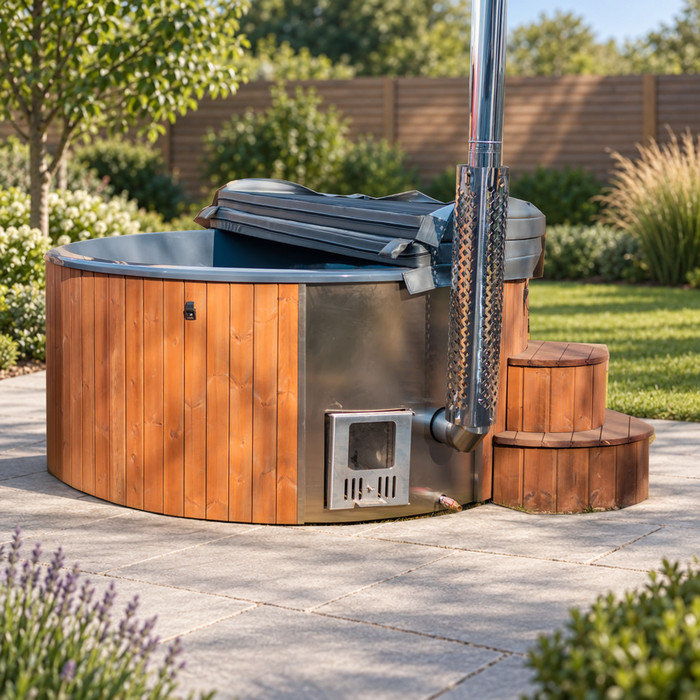
Water replacement is different from routine water care
A full drain and refill replaces the water in the tub; it is not a substitute for the other care tasks in the manufacturer’s instructions. Routine water checks, any specified water-care actions, filter care and surface cleaning are separate responsibilities, each with its own guidance. The reverse is also true: completing routine checks, cleaning or a partial top-up does not document a full replacement. Keep the date of a complete water change distinct from other entries in your record, and do not assume that one task resets the requirements for the others.
This difference is worth understanding before choosing a model. For Bloomcabin hot tub Aurora 10, ask for both the water-replacement guidance and the ongoing care instructions, then consider the combined commitment. A headline interval without its context may leave out the work owners need to do between full changes. Compare the actual documents rather than assuming that a familiar routine will apply to every tub. This article is about replacement timing; it does not replace the model’s instructions for ongoing checks, filter maintenance or cleaning.
Read the instructions for the exact model
Look for the operating manual and any separate water-care document issued for the tub. Confirm that the model identification matches your unit and that the instructions cover its configuration. Check whether the document states a calendar period, a condition that triggers replacement, or both, and note any qualifications that affect how the rule applies. Read the surrounding explanation as well as any schedule: establish what event a stated period runs from and whether the wording describes a requirement or an example. Do not assume that separate conditions are alternatives unless the text says so. A leaflet for a different model or an older set of notes from a previous owner may not answer the question. If you are unsure which document is current, ask the manufacturer or retailer to identify the version that applies.
When checking the Cove 2 product listing, treat the listing as a starting point for identifying the product, not as proof of its water-care requirements. Ask for the applicable manual and for clarification of any wording that leaves the replacement decision open. A useful response should explain what information the owner is expected to consider and where the relevant instructions are published. If advice from different documents appears to conflict, do not choose whichever answer seems most convenient; ask the manufacturer to resolve the discrepancy for your exact model.
What to check before draining and refilling
Before beginning a full change, establish from the manufacturer’s instructions that one is due and read the model-specific guidance for the work involved. Do not adapt a draining sequence from a different tub or assume that every part of the process is the same. Check what preparation and follow-up the manual requires, and whether it expects the owner to do the work or to seek assistance. If the instructions are unclear, or the equipment or layout is unfamiliar, pause and ask the manufacturer or an appropriately qualified professional rather than improvising.
Plan for the practical interruption as well as the water change itself. Consider when the tub can be out of use, how the refill will be managed, and what the instructions require before it is returned to service; do not guess at time or treatment requirements. Avoid promising that it will be ready for a particular gathering until you understand the full process. If someone else shares responsibility for the tub, agree who will organise the change and record its completion, so a planned date is not mistaken for work already done. A buyer looking at the Haven 6 listing can ask what written guidance is available and what support may be needed for the process. For an existing owner, have the relevant manual to hand and check the intended water source and disposal route before committing to a date.
Plan where the water will go in Ireland
A suitable disposal route depends on the property, so do not assume that a nearby outdoor drain, garden area or soakaway is appropriate for hot tub water. If the water has been treated as part of normal care, check whether the manufacturer’s instructions address disposal. For a home in Ireland, consult the relevant local guidance and, if the route is unclear, contact the local authority, water or wastewater provider, or a qualified drainage professional. This is a practical check before draining, not a claim that one disposal arrangement applies everywhere.
The water supply also varies by home. If you are unsure whether your supply is suitable for the tub or whether the manufacturer gives specific guidance about it, ask before refilling rather than assuming that all water sources are interchangeable. When considering the Fjord 8 product page, ask where to find the model-specific refill and disposal instructions; do not infer them from the product name. Water charges, any energy needed after a refill, care products specified by the manufacturer and possible assistance are all variables to include when planning the commitment, not costs that can be estimated from a model label alone.
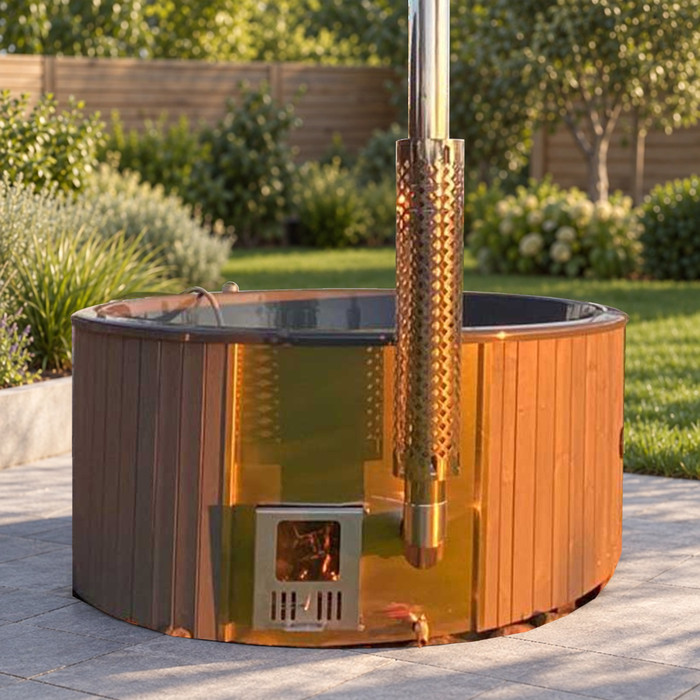
Compare water-change requirements before buying
Ask for the published replacement guidance before choosing a hot tub. Compare whether it gives a time-based rule, a condition-based decision or both, and what use or water-care information owners need to take into account. If a manufacturer publishes the water volume, use that figure rather than guessing from the model name when considering refill arrangements. Also check where the manual explains the drain-and-refill process, the relevant disposal guidance and any follow-up required. A clear answer lets you compare documented commitments; it does not depend on assumptions about the tub’s appearance or name.
The Aurora 10 listing identifies the product when you contact the retailer, but the listing alone should not be treated as evidence of an interval or of the effort involved. Ask what documents are supplied, where to get the current version and who can clarify a question after purchase. Keep a short comparison note for each model, separating published requirements from questions still awaiting an answer. Missing information should remain an open question, not be counted as a lighter maintenance commitment. Consider the full practical picture: the frequency or conditions stated in the instructions, the work of arranging a refill, water and energy use, and any ongoing care between changes. Compare models on the same basis; a calendar interval for one and an unexplained condition for another are not directly comparable answers.
What to ask if the guidance is unclear
Make the question specific enough to answer. Give the manufacturer or retailer the model identification, quote the wording you cannot interpret and explain the decision you are trying to make. For example, you might ask: ‘My last full refill was on this date, and use has changed since then. Does the stated replacement rule still apply, or does this passage describe a different requirement?’ Supply your actual dates and circumstances rather than treating the example as a rule. If a water condition is mentioned without an explanation of how owners should interpret it, ask what information is needed to assess it. Keep questions about when replacement is due separate from questions about how to carry it out. This makes it easier to see whether the response resolves the timing issue or only describes the draining process.
Keep the reply with the manual and your water-care record, especially if it clarifies an ambiguous instruction. Note which model and circumstances the answer covers, rather than reducing a qualified explanation to a date on the calendar. If the reply describes a particular situation, do not silently turn it into a permanent schedule for all future fills. Where an answer remains incomplete, identify the unanswered point in your follow-up: for example, whether a stated period runs from the last full replacement or another event. You are looking for a usable criterion, not simply reassurance that the water is probably fine. Once the question is resolved, record the applicable guidance alongside the refill history so you can understand the basis for the next replacement decision.
Frequently asked questions
Is there a standard number of months between water changes?
No single interval applies to every hot tub. Follow the replacement schedule or condition-based rule in the instructions for your exact model. A timetable from another owner or an online article is not a substitute for that guidance.
Does clear water mean it is not time to change it?
No. Appearance alone cannot override a replacement date or condition stated by the manufacturer. If the water looks different, use the relevant model-specific guidance to decide whether further assessment is needed; do not assume that a drain and refill is automatically the answer.
Should I drain the tub after a busy weekend?
Not automatically. Note the change in use and check whether your manufacturer gives instructions for adjusting replacement timing. Without a model-specific rule, a busy period does not establish a particular drain date.
Does topping up count as a full water change?
Treat a top-up and a full drain and refill as separate events in your records. A top-up adds water but does not, by itself, document a full replacement. Follow the manufacturer’s definition if its instructions explain how to record partial additions.
What if my manual does not say when to replace the water?
Ask the manufacturer or retailer for the current instructions and a clear replacement rule for your exact model. Share the relevant use and water-care history if requested. Do not fill the gap by borrowing another model’s timetable.
Use the replacement rule for your exact model, informed by your own use and water-care records. A date copied from another tub, a product name or one look at the water cannot replace that guidance. Keep full changes distinct from routine care, and confirm the refill and disposal arrangements before draining. If you are still choosing a tub, compare the written requirements rather than trying to infer them from a listing.
