
How Often Should You Repaint a Wooden Garden Shed?
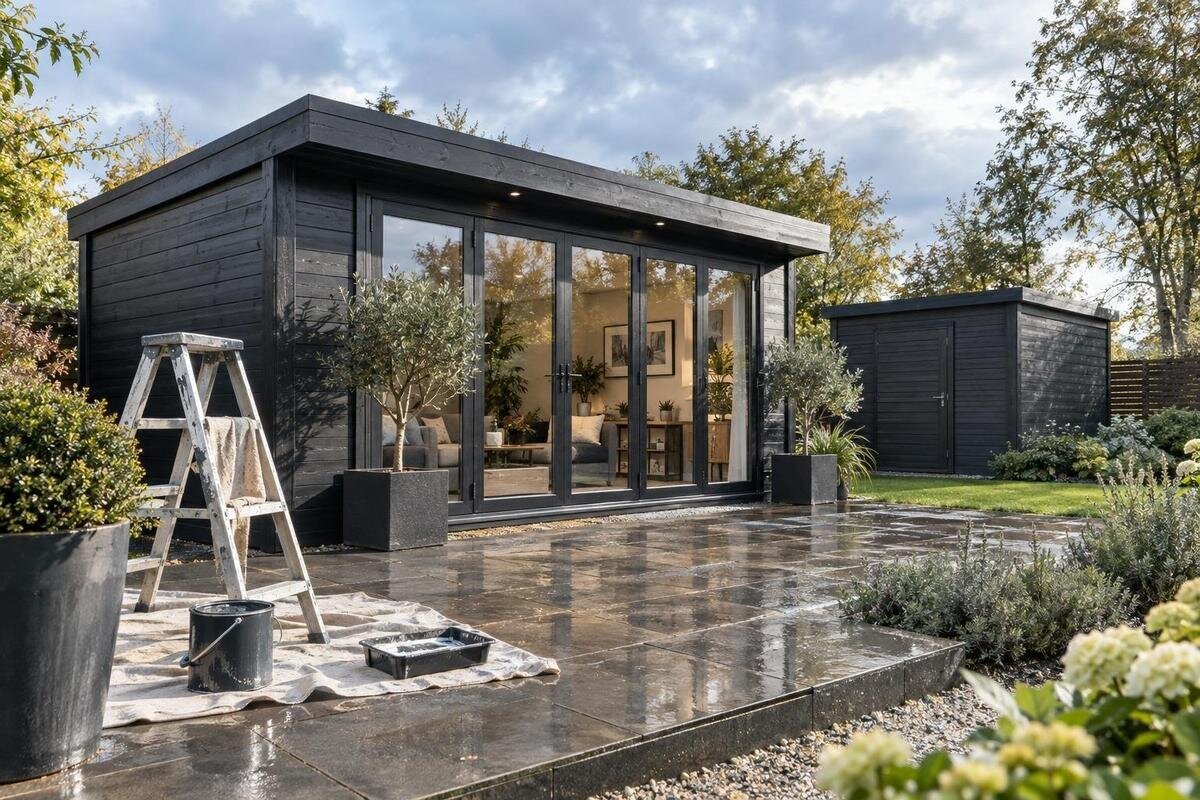
Garden shed care
How often you need to repaint a wooden garden shed depends on the coating, the timber beneath it and the conditions around the building. There is no reliable interval that suits every garden: exposure, the original finish and the shed's maintenance history all affect how quickly paint wears. One wall may fade while another stays sound, and a dull colour does not automatically mean the coating has failed. A regular condition check is a better guide than repainting by calendar alone. It helps you catch exposed timber early without adding another coat while the existing paint is still sound.

01
There is no fixed repainting interval
No single repainting interval suits every wooden garden shed. The time between coats depends on the paint system, the condition of the timber when it was coated, how the finish was applied and the weather it faces. A sheltered shed with a sound coating may need attention less often than one exposed to driving rain, strong sun or repeated splashing. Even on one building, different sides can age at different rates. The age of the paint is useful background, but it cannot confirm on its own that a repaint is due.
Use a yearly visual check as a planning habit, not a repaint deadline. If the paint remains firmly attached and the timber is covered, there is no need to add a fresh coat simply because a certain number of years has passed. Keep any care guidance supplied for the coating, but compare it with the shed's actual condition and site. If one wall changes noticeably between reviews, check it sooner rather than waiting for the next calendar reminder. A dated note makes comparison easier. Consistency, rather than a formal survey, is what makes the review useful.
The original finish affects the maintenance timetable
Before considering an interval, identify what is already on the timber. A shed may be supplied bare, treated, painted or finished in another way, and each surface has different care requirements. Repainting means applying paint over an existing paint coating; applying the first coat to bare timber is a separate task. A coloured photograph does not confirm what finish is supplied. If you own the shed, look for care notes, a finish label or records of earlier work. Previous spot repairs can complicate its history, so note them too. If the surface is unknown, do not assume new paint will suit it: compatibility needs to be established first.
When reviewing Verdana 1 garden house, make the delivered surface and future care part of your purchase questions. Ask whether the timber arrives uncoated, treated or painted, whether any initial coating is needed, and what guidance applies to later repainting. Do not infer those details from a model name or product image. If the listing does not answer them, ask the seller before ordering and keep the reply with your records. Knowing the starting finish helps you interpret later changes and avoid choosing an interval for the wrong coating.
02
Weather exposure varies from one garden to another
The conditions at the shed's own site are a major influence on repainting frequency. Wind-driven rain, splash-back or long damp spells can put more strain on a coating, while sustained sun can fade exposed paint. A shaded wall may dry more slowly after wet weather; shelter may reduce direct exposure without guaranteeing that the area stays dry. Conditions can vary from one side of a shed to another, too. Treat these as influences, not a formula: no single compass direction or garden setting predicts exactly how long paint will last. Two sheds close together may still face different levels of shelter and water movement.
As you compare Verdana 2 garden house, consider where it would stand rather than expecting the product name to tell you how often it needs repainting. Think about sun, the usual direction of wind and rain, nearby hard surfaces that send water back onto the walls, and branches or plants that hold moisture or rub against the finish. If one side is persistently wet or marked by run-off, look for the source as well as watching the paint. Another coat will not stop continued wetting or abrasion, so the intended site belongs in your maintenance estimate.
Check edges, joints and lower boards
Small details often reveal wear before broad wall faces do. Check lower boards, end grain, cut edges, corners and joints, along with timber around doors, windows, fixings or other openings where present. Water may collect, run down or strike these points repeatedly; moving parts and everyday contact can also scuff paint. A worn line at a lower edge can therefore matter more than an evenly faded wall. Include these areas in each inspection even when the main surface appears sound. Look, too, at places where roof trim directs run-off. These small zones are easy to miss from the garden path.
When considering Durano garden-shed listing, rely on product information only for details it actually confirms. If photos or description do not show how exposed edges and joints are finished, ask about them instead of guessing from appearance. When comparing garden houses, ask the same question of each so you can compare the care information rather than assume similar-looking timber will need identical attention. Once the shed is installed, note any points where water or contact marks the finish first. Knowing where wear begins can help you focus later inspections.

03
Fading and chalking need context
Colour loss is easy to spot, but fading alone does not prove that the paint film has lost adhesion or needs immediate renewal. Sunlight can alter the appearance of exposed faces, while an older coating may look dull yet remain continuous. If the surface is still covered, with no cracks, peeling or exposed timber, note the change and keep watching it rather than treating colour as the only test. Appearance matters too: you may choose a fresh coat for a more even look, but that is a choice about appearance, not proof that protection has failed. Compare different faces, since the sunlit side may fade first.
Chalking is a powdery residue associated with some weathered paint, but dust, pollen or other deposits can look similar. A single mark is not enough to set a repaint date; check whether the coating itself is breaking down and whether the powdery appearance covers a wider area. When assessing Veltor 1 listing, ask what surface finish is supplied and keep that information. It will help you interpret a later change in painted colour or bare timber. If the finish type is unclear, get product-specific advice before choosing another coating.
Peeling, blisters and cracks are stronger warning signs
Peeling, flaking, blisters and cracks are stronger evidence that the paint film is failing than colour change alone. Watch for edges lifting, small bubbles, open splits in the coating and bare timber showing through. These signs can start at a joint or lower edge and spread, so assess them rather than waiting for a particular year. A blister or crack can have more than one cause; it is safer to describe what you see than to assume a new coat will solve it. Repeated failure in the same place is especially useful to note, as it may point to a recurring source of wear.
Judge the extent as well as the symptom. One isolated chip on an otherwise sound wall is different from peeling across several faces. If the timber looks soft, distorted or persistently wet, paint alone may not address the underlying problem; ask a suitable tradesperson or paint supplier for advice before covering it. Keep a model reference, such as the Orello 1 listing, when asking what care guidance applies. The product name identifies the shed, but does not establish which paint is compatible or how often it should be applied.
04
Inspect the whole shed, not just the front
Make the inspection deliberate but simple. Walk around all visible sides in good daylight, rather than judging only the entrance face. Look across the broad wall surfaces, then check the base, corners, joints, openings and areas exposed to run-off. Try to assess the coating when it is dry enough to see its condition clearly; wetness can disguise colour and texture. You are looking for changes such as peeling, cracks, powdering or uncovered timber, not trying to diagnose every mark. A consistent route makes it less likely that a sheltered or less visible side will be forgotten.
If you are weighing up the Modano 1 garden-house listing, include ongoing care in the comparison and ask whether inspection or repainting guidance is available. For a shed you already own, use any maker's advice alongside a visual check, and note any areas the documentation calls out. The important habit is not to inspect constantly; it is to look over the whole structure at sensible intervals and again if a particular patch changes. A short, repeatable review is more useful than a timetable that ignores the shed's condition.
Distinguish surface dirt from damaged paint
Not every dark, green or dirty-looking patch means paint has failed. Dirt, pollen, leaf marks or surface growth can sit on top of a coating that is still intact, so colour by itself is an unreliable trigger. Look for actual film damage: lifting edges, cracks, flaking or visible wood. If the coating is sound and the concern is surface soiling, repainting may be unnecessary; cleaning and repainting are separate jobs, and an unsuitable cleaning method can harm paint. On the tool shed M product page, ask what finish is supplied so a future change is easier to interpret.
Once you have identified coating failure, decide whether it is confined to a small, clear area or appears across several walls and details. A compatible local touch-up may be enough for isolated damage, although the repaired patch can differ in colour or sheen. A larger repaint may give a more even result when paint is failing in several places. The choice depends on how firmly the surrounding finish is attached, what coating is there and the finish maker's advice, not on a fixed percentage of the surface. If in doubt, get product-specific guidance before painting rather than covering loose paint and assuming the issue is solved.

05
Ask about maintenance before ordering
If you are choosing a new garden shed, ask about upkeep before placing the order. Find out whether the timber is delivered bare, treated or painted; if it is painted, ask what coating was used and what later maintenance it requires. Ask whether an initial coat is needed and whether written guidance covers compatible paint or suggested inspection intervals. If there is no clear answer, include that uncertainty in your buying comparison. Two garden sheds that look alike in a photograph may arrive in different surface conditions, so purchase-day appearance alone does not provide a maintenance plan.
For the garden shed S listing, treat the product name and photographs as identification and appearance, not proof of a finish or repaint schedule. Check the published details and, where an important care point is missing, ask before ordering. Keep the reply, product information and any paint label in a safe place. These records save guesswork when colour changes or small marks appear later, and help you discuss care using the correct model and coating. Include likely maintenance time in your decision alongside the shed's intended purpose and position in the garden.
Use records to guide future checks
Once you own the shed, create a baseline for future comparisons. Record the date, the finish or product information you have, and any existing signs of wear. Dated photographs of the same sides and details are useful because memory is poor at judging gradual fading or small changes. At later checks, note whether a mark is new, stable or spreading, and whether it is confined to one exposed area. This is not a technical inspection, but it turns a vague impression into a more reliable maintenance decision and helps you spot changes sooner.
Use the pattern to decide how closely to monitor the paint, rather than inventing a lifespan for it. If the coating remains sound from one review to the next, continue with routine checks and follow any specific care advice. If deterioration appears or speeds up, inspect that area sooner and plan repainting before bare timber is left exposed. When it is time to paint, follow the instructions for the existing coating and the new paint, including the stated application conditions. Record the work and its date so you, or a future owner, know what was applied.
Frequently asked questions
Is there a standard number of years between coats?
No. Paint type, the timber's condition, application, weather exposure and upkeep all affect how long a finish lasts. Follow any care guidance for the coating and check the shed's condition at least once a year. A yearly inspection is not a yearly repaint.
Does faded paint mean the shed needs repainting?
Not by itself. Colour can fade while the paint remains attached and the timber stays covered. Look for other signs, such as peeling, cracks or bare patches, before deciding that a fresh coat is needed. You may repaint for appearance, but that is a separate reason.
Can I repaint only the damaged section?
A local repair may be suitable when the damage is isolated and the surrounding paint is sound. The repair may not match the older finish exactly, and the new paint must be compatible with the existing coating. If damage is widespread, a larger repaint may be more appropriate.
Should I repaint a new wooden shed straight away?
First confirm how it is supplied and read its care guidance. A shed may arrive uncoated, treated or painted, and these conditions call for different care. Do not assume that colour in a photograph means the timber is painted or that an extra coat is due immediately.
What should I do if paint is peeling or timber is exposed?
Note how widespread the damage is and whether the timber itself looks affected or remains wet. Peeling and exposed timber are stronger signs of coating failure than fading alone. Follow the relevant paint guidance, and seek advice from a suitable tradesperson if the timber appears damaged or the cause is unclear.
The useful answer is not a fixed number of years, but a decision based on the finish, exposure and what you can see on the shed. Check the whole structure regularly, give vulnerable edges close attention and distinguish fading or surface marks from paint that is lifting or cracking. Keep the original care information and a simple record of changes. That way, you can repaint when the coating needs attention rather than applying another coat on a timetable that may not suit your garden.
