
How to Choose an Outdoor Hot Tub for Your Garden
Outdoor hot tub buying guide
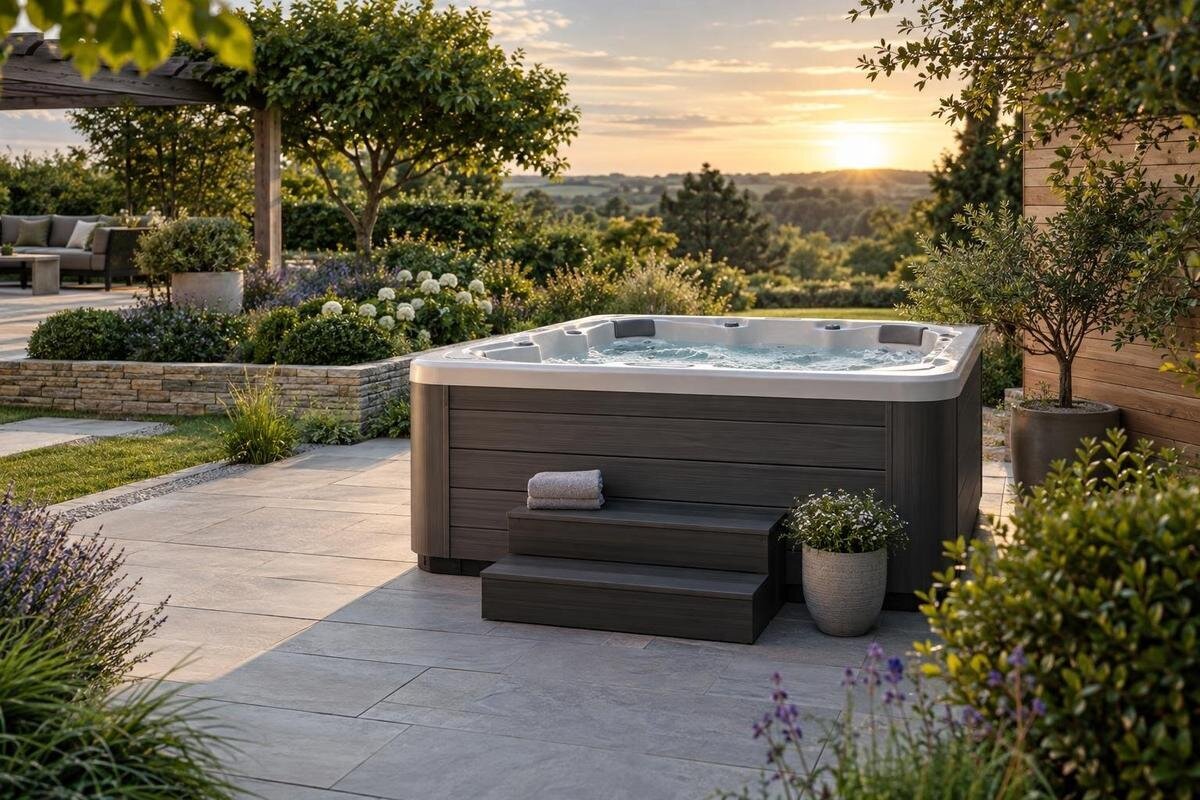
Choosing an outdoor hot tub means thinking about your garden and routine as well as the product itself. The right shortlist depends on who will use it, how often, what water care you can manage, what the site can support and what the complete set-up will cost. Compare broad types first, then check each model’s written specifications; a catalogue name or photograph cannot confirm capacity, heating, dimensions or installation needs.
Start with how you plan to use the hot tub
Decide what a normal week looks like before comparing finishes. How often would you use the tub? Would the same people use it together, or would household members take turns? Is it a regular evening routine, a weekend treat or something reserved for visitors? These answers affect what deserves priority. Frequent use makes daily access, water care and energy use more important; occasional use makes preparation, storage where relevant and the effort of getting the tub ready more prominent. Write down the usual group and the occasions that matter, rather than buying around a rare maximum. A number in a model name is not a verified capacity; compare stated seating and dimensions. Also consider who will handle cleaning and monitoring, so the routine is manageable.
Think about when and how people will reach the tub from the house, whether the chosen corner offers the privacy you want, and how it would fit alongside a table, play area or planting. A spot that looks neat on a plan can be awkward if there is nowhere for towels or if the route back indoors is inconvenient. When considering the Bloomcabin Hot Tub Cove 2, compare its stated seating and layout with the way your household would use it. Keep regular use separate from occasional entertaining, so you can distinguish the features you would appreciate every week from those you might rarely need.
Compare tub formats and heating approaches
Outdoor tubs come in different formats, including rigid, hard-sided designs and inflatable options. The practical distinction is not simply appearance: find out how each candidate is set up, what surface and space its instructions require, whether it is intended to remain in place, and what storage or maintenance steps apply. A rigid model may suit a household looking for a permanent garden feature, while an option designed for temporary set-up may fit a different routine. These are broad categories, not guarantees about a particular product. Read the maker’s instructions for the exact version and consider how much assembly, packing away and ongoing care you are prepared to take on.
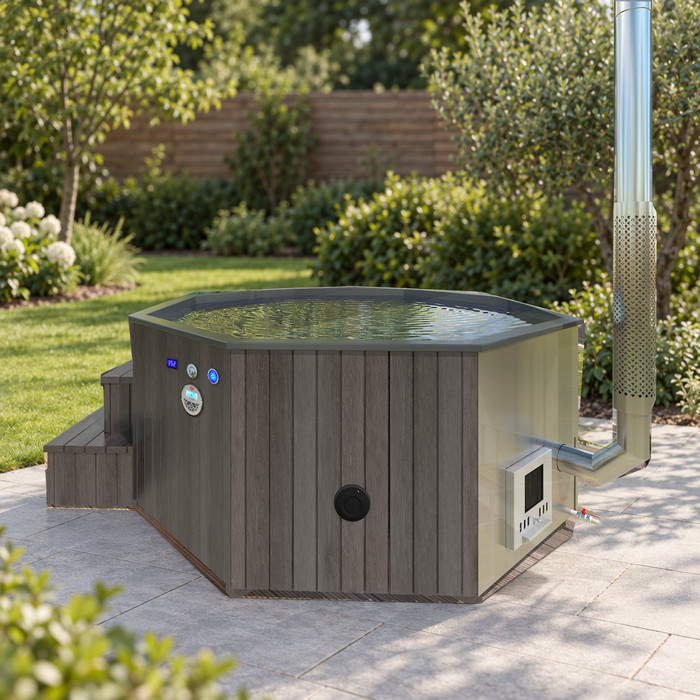
Heating is another choice, commonly electric or wood-fired, and the method changes the routine as well as the installation questions. An electric system needs a suitable supply and professional assessment; a wood-fired approach means planning for fuel and following the maker’s operating and safety instructions. Control, heating time, maintenance and energy or fuel costs vary by model, so do not assume one method is automatically faster, cheaper or easier. When comparing the Bloomcabin Hot Tub Haven 6 with other candidates, establish its heating method and consider whether the preparation and operation would suit your usual times of use.
Choose a location that works in your garden
Choose the garden location as carefully as the tub. Look at the route from the house, sightlines from neighbouring windows, privacy, wind exposure, shade and how the space is already used. A secluded spot may feel appealing but be less convenient to reach or harder to service; a central position may improve access while competing with a patio or play area. Think about the view from the tub and how the area feels in different weather, not just at the time you inspect it. The setting has to work for bathing, access and ordinary household life, so sketch possible locations before settling on one.
Check the practical setting too: where water will come from, how water-care tasks will be done, and how draining or maintenance water can be handled without creating a nuisance or damaging nearby areas. Consider leaves, dirt and routine garden work around the proposed spot, and whether privacy measures would block access for servicing. To assess the Bloomcabin Hot Tub Fjord 8 for a particular location, compare its exact external measurements and siting guidance with a measured garden plan. Mark the access and service space required by the instructions as well as the tub itself, so the plan reflects how the area would actually be used.
Check the footprint and delivery route
Measure the intended footprint against fixed boundaries and the space needed around it. Use the exact external dimensions for the precise version, then compare them with paths, furniture, walls, fences and doors. Include room to reach controls and maintenance points where the manufacturer’s instructions require it, and allow for steps or a cover if they are part of your planned set-up; do not assume accessories are included. Product photography can conceal scale and perspective, so it is not a substitute for measurements. A simple garden plan, with dimensions and nearby obstructions, can rule out candidates that would crowd the space before you spend time comparing other details.
Delivery access is a separate check from the final footprint. Walk the likely route from the delivery point to the garden, noting gate openings, narrow turns, changes in level, overhead obstructions and surfaces that may complicate moving a large item. Ask the seller or delivery team what access information they need and whether the product can be brought to the proposed spot; do not assume a gate that looks wide enough will work. Review the Bloomcabin hot tub Aurora 10 dimensions and delivery details against that route. If access would require special equipment or changes to the route, ask a competent provider to assess the plan and include any costs before choosing.
Confirm the support surface before ordering
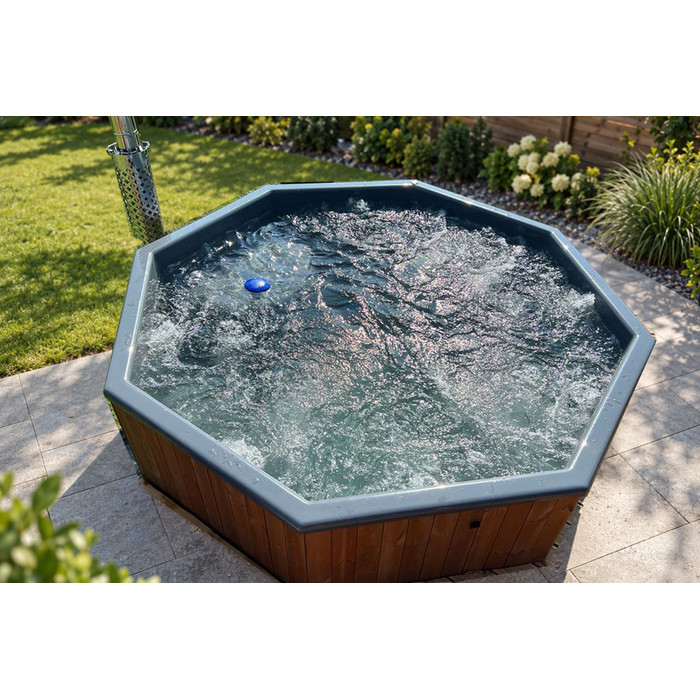
A hot tub needs a support surface that meets the manufacturer’s requirements for the specific model and installation. A paved area, lawn, deck or existing patio should not be treated as suitable just because it looks level or has held garden furniture. The load changes when the tub is filled and in use, and the actual requirement depends on the model and set-up. Do not guess from a photograph or use an empty-product weight as your only check. Obtain the maker’s site and support guidance, then have a qualified professional assess any surface whose suitability is uncertain, especially an elevated structure.
Do not calculate a base from generic rules or copy another garden’s solution. The installer or another relevant professional needs exact product information and details of the proposed location to advise. Ask whether the surface needs preparation, whether nearby drainage affects the plan, and what access the team needs to complete the work. If you are considering this model, use the current site requirements in the Cove 2 listing to inform that discussion. If the property is rented, shared or managed, establish who can approve changes before spending money. Include any recommended preparation in your budget and planning.
Plan electrical, fuel and water services
Electrical planning is an early buying check, not a last-minute DIY task. Ask a qualified electrician to assess the intended location and the proposed model’s current written electrical requirements before you order. The electrician or installer should confirm what work is needed for that product and site; this guide cannot prescribe a connection or installation method. If the required supply would be difficult to provide, that may rule out a model or change the project budget. Find out whether electrical work can be arranged alongside delivery and base preparation, so the site is ready when the tub arrives.
Compare a fuel-based option on its own terms: storage and handling, the maker’s operating procedure, clearances and any flue or other installation requirements must be confirmed for the exact model. Do not infer these details from a broad category or from another tub. Review the heating and service requirements on the Haven 6 product page when deciding which professional advice your proposed installation needs. Changes to water supply, drainage, a flue or a garden structure may also need advice from a relevant qualified tradesperson or local authority. Requirements depend on the project, so resolve uncertainties before purchase.
Choose a care routine you can maintain
Water care is part of owning an outdoor hot tub, not an occasional extra. Find out what the maker requires for monitoring and treating the water, cleaning the tub and maintaining its filtration system. The schedule and suitable products depend on the specific model, so follow its instructions rather than applying advice from another tub. Ask how filters are accessed, what care they need and how replacements are identified. This helps you judge the time involved as well as the cost. If several people will use the tub, agree who is responsible for routine checks and cleaning before purchase; an unclear plan can turn a desirable feature into an unwanted chore.
Consider where you would keep any care products and replacement parts, and how easily you can reach the tub when routine attention is due. Check whether the maker provides clear maintenance guidance and what support is available if a part needs attention; do not assume a particular service or spare part is included. Use the filtration and care details supplied with the Fjord 8 listing to compare its maintenance needs with those of other candidates. A model that fits your garden but requires more time or upkeep than you are willing to give may be a poor match for your routine.
Decide how you will use the tub through the year
Be clear about whether you want a tub for warmer months, occasional use throughout the year or a regular routine in every season. Weather exposure and changing temperatures can affect comfort and the demands placed on equipment, but conditions vary between gardens. Consider how wind, rain, shade and the route from the house would affect your willingness to use it. A sheltered location may be more appealing, but it still needs to meet the maker’s access and installation requirements. The key question is not whether year-round use sounds attractive; it is whether the exact tub, site and care routine support the way you intend to use it.
Read the instructions for operation during colder weather, periods of non-use and any winter-care or shutdown procedure. Ask what the manufacturer recommends if you are away, and whether the selected heating approach and expected running costs suit your plans. Do not assume that a cover is included or that a model is suitable for every weather condition. When reviewing the Aurora 10 product page, look for information on insulation, cold-weather use and energy consumption. Consider those details alongside the care needed between uses, especially if you expect long gaps rather than a regular year-round routine.
Budget for the full cost of ownership
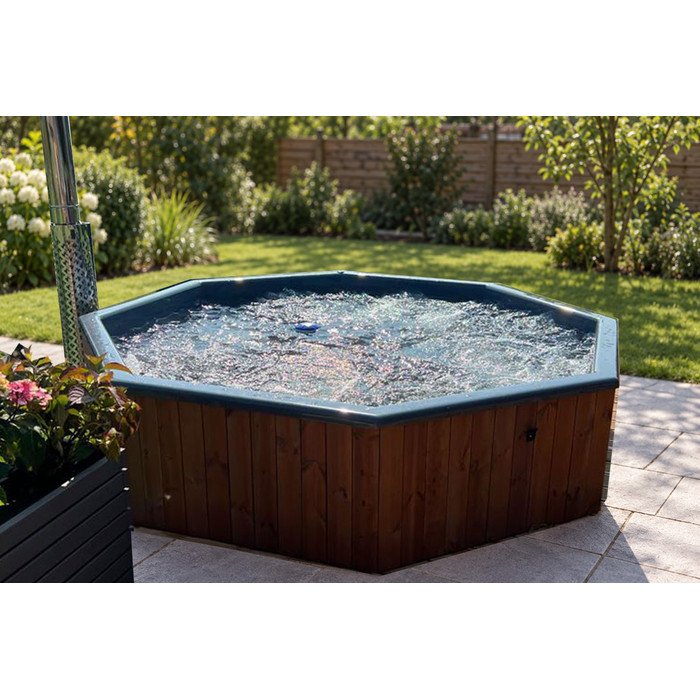
Separate the purchase price from the cost of getting the tub ready to use. Depending on the project, the full initial budget may need to account for delivery, access arrangements, site preparation, electrical work or other installation, and any accessories you choose. Confirm what is included in the current price and order details rather than assuming a photo shows the complete set-up. Put unknown costs on the list instead of treating them as zero. If a professional needs to assess the garden or services, obtain an estimate based on the exact model and site. This gives you a more useful comparison than looking at the tub price alone.
Then estimate the recurring costs: water, electricity or fuel, water-care products, filter replacements and any maintenance or repairs. These depend on how often you use the tub, the specific equipment and your own energy tariff or fuel costs. If a supplier provides consumption information, check the assumptions behind it and use a realistic pattern of use; treat the result as an estimate, not a promise. Compare models over the same period and routine, separating one-off costs from ongoing ones. A tub with a lower initial price may not be the more affordable choice if its verified requirements do not fit your household budget.
Turn your priorities into a model shortlist
Make a short list of requirements before comparing individual models. Mark each as essential or desirable: the number of people who need to use it together, the available footprint, the heating approach, the maintenance effort and the total budget. Use the practical constraints first to rule out options that cannot fit the garden or be installed as planned. Then compare the remaining candidates on details that matter to your routine. This prevents a striking finish or an appealing feature from distracting you from a non-negotiable requirement, while leaving room to choose a model that suits your preferences once the basics are covered.
For each candidate, record the current written capacity or seating, external dimensions, heating method, installation requirements, care instructions, stated inclusions and any relevant terms. Match those details to the exact model and version, not just a similar product image or name. If a decision-critical point is missing or unclear, ask the seller for written clarification before treating that candidate as a match. Keep a note of what is confirmed and what remains unresolved. The strongest shortlist is not necessarily the longest or the one with the most features; it is the set of options that can meet your actual needs with requirements and costs you understand.
Frequently asked questions
How much space should I leave around an outdoor hot tub?
There is no useful universal clearance figure. Use the instructions for the exact model to allow for access, servicing and any planned steps or cover. Measure the tub’s footprint and the route to its location, then ask the supplier or installer about anything the instructions do not make clear.
What kind of base does a garden hot tub need?
The required support depends on the specific tub and installation. Ask for the manufacturer’s site requirements and have a qualified professional assess whether your proposed surface is suitable, particularly if it is a deck or another elevated structure. Do not rely on appearance or empty-product weight alone.
Can I use an outdoor hot tub all year in Ireland?
Not automatically. Year-round use depends on the exact model’s instructions, the installation and how much upkeep you can manage through colder weather or periods of absence. Confirm its operating and winter-care guidance, along with likely energy or fuel costs, rather than assuming any garden tub is suitable for every season.
Is an electric or wood-fired hot tub the better choice?
Neither is better for every household. Compare the site and installation requirements, how the heating method fits your routine, what fuel or energy it uses, and what maintenance is involved. Check the current details for each model and get professional advice where installation or safety requirements are unclear.
How should I compare hot tub capacity?
Think about who will use the tub together most often, then compare that need with the stated seating or capacity for the exact model. Check its external dimensions too. A number in a product name is not proof of capacity, and buying for a rare maximum may not suit your usual routine.
A suitable garden hot tub is one that fits your regular use and can be installed and cared for within your practical limits—not necessarily the largest or most striking option. Let practical constraints remove unsuitable candidates first, then compare specifications, heating, maintenance and the total cost of ownership among the remaining models. Your shortlist should reflect how you will actually use the tub and look after it through the year, rather than which model looks best in a photograph.
