
How to Plan Water Supply and Drainage for a Garden Hot Tub
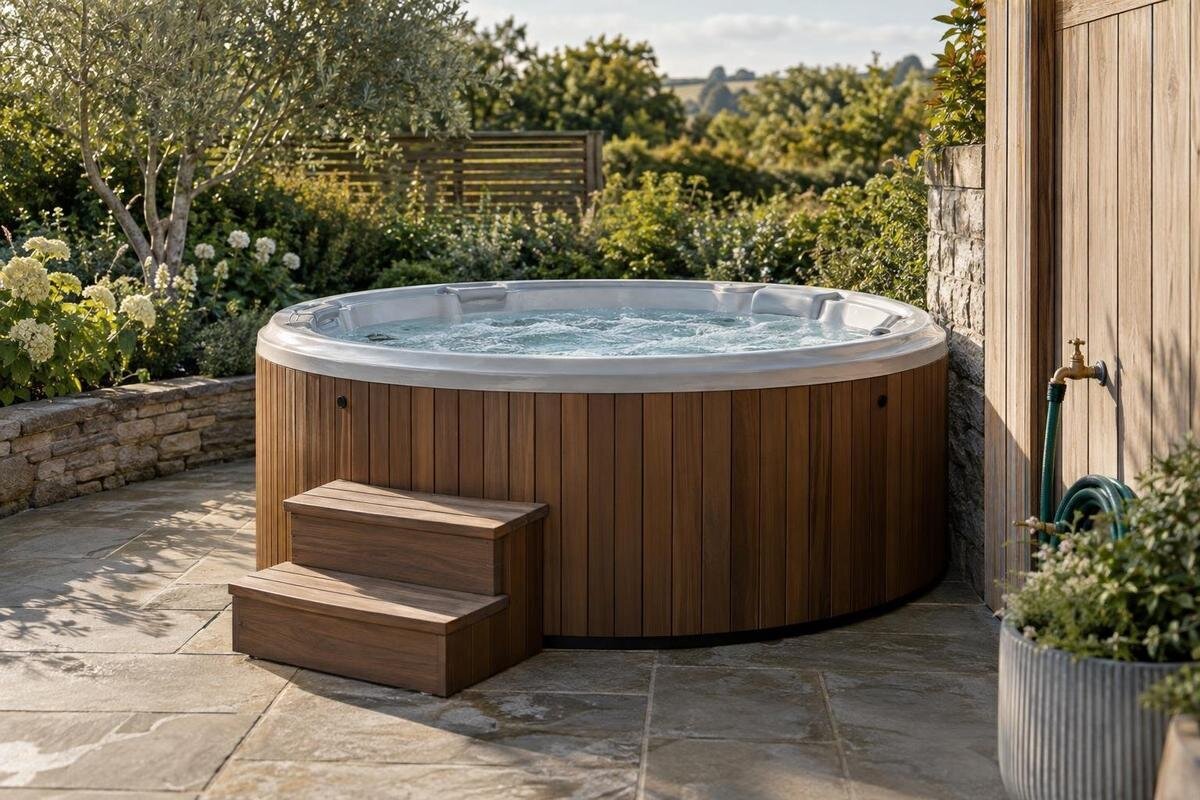
Garden hot tub planning
Water planning has two separate parts: getting suitable fill water to the tub and routing drained water to a destination appropriate for both the water and the property’s drainage. Neither is settled by a catalogue name or by the nearest outdoor tap or drain. Before ordering, identify the source, trace the filling route, find out how the selected model is filled and emptied, and confirm the proposed discharge with the responsible local body. The aim is to compare each candidate against your actual garden without assuming unlisted fittings, drain positions or permissions.
Identify a dependable water source
Begin by listing the sources actually available: an external tap, an indoor cold-water tap if a suitable hose can be routed safely, or a private supply such as a well. Treat these as possibilities to investigate, not interchangeable options. Record who controls the source, whether it will be available when you plan to fill, and whether other household or garden uses compete for it. If the supply is shared, metered or subject to a separate arrangement, clarify access and any charges. Inspect the actual tap and route rather than assuming a familiar-looking fitting will suit the hot tub.
Source quality matters as well as access. A private well, storage tank or harvested rainwater system may need checks that a mains-fed source does not; appearance alone cannot establish suitability. Ask the manufacturer which source types it accepts, what water characteristics matter and whether its instructions call for testing or preparation. Tell the supplier if water passes through household treatment or storage. If testing is recommended, use a competent water professional and share the result before filling. When enquiring about Bloomcabin Hot Tub Cove 2, describe your intended source so the supplier can address that arrangement rather than give an answer based on an assumed mains supply.
Check supply capacity and connection requirements
An accessible tap does not tell you how quickly it can supply the chosen tub or whether the household plumbing can maintain the required flow. Ask the supplier for the model’s stated fill volume and any specified inlet conditions. If the supply’s flow or pressure is uncertain, ask a qualified plumber to assess it. A useful fill-time estimate needs both the manufacturer’s confirmed water quantity and a realistic assessment of the source; do not guess from a model number, tap size or another tub’s experience. If other household uses share the supply, ask whether they could affect filling.
Clarify what connects the source to the tub: the inlet location and type, compatible hose or fittings, and whether the manufacturer allows a temporary hose arrangement. Wait for those details before buying an adaptor or arranging permanent plumbing. Ask a qualified plumber whether the proposed connection needs any cross-connection or backflow protection and what local provisions apply; do not improvise a direct connection. When considering the Haven 6 product listing, distinguish between components supplied with the tub and items you would need to buy separately. Ask who will provide and fit each item, and include the scope and cost of any proposed plumbing work in your comparison. A quotation should make clear whether it covers only work at the tap or the complete agreed connection, so a missing fitting does not remain unnoticed until the first fill.
Map the filling route through the garden
Draw the route from the chosen source to the confirmed fill point before deciding that an existing hose will reach. Note the actual path, including corners, doors, steps and changes in level. Measure the route a hose would follow rather than taking a straight-line measurement across the garden, and check the narrowest passages. Consider whether the hose can reach without being pulled tight, kinked around a corner or pinched by a door. A simple sketch with measurements is more useful to a supplier or plumber than a description such as the tap is nearby.
Consider the route during ordinary use of the garden. A hose might block a gate, cross a doorway, create a trip risk on a path, or be exposed to vehicles, pets and garden work. Avoid a plan that depends on dragging it over a fragile surface or through a living area unless the arrangement has been checked. If you have more than one possible source, compare the practical route from each and where the hose can be monitored. Mark gates and doors that need to remain usable, rather than measuring the route only with everything standing open. Include this sketch in your enquiry about Bloomcabin Hot Tub Fjord 8 and ask the supplier to confirm the fill-point location. Keep alternative routes marked separately so you can see which measurements need revising once that position is known.
Make filling practical and controllable
Reaching the inlet is only part of a workable filling plan. Ask how the supply is connected and turned off, whether the manufacturer specifies a filling sequence, and how the operator should monitor the process. If the instructions do not explain whether the supply can be left running, ask the supplier rather than making an assumption. Check that the hose can be secured as instructed and that the tap remains accessible throughout filling. If an adaptor is needed, confirm that it suits both the tap and the model before buying it.
Allow for the costs associated with the water route, without relying on an unverified volume or price. Relevant variables include the model’s confirmed fill quantity, how your source is charged, any hose or fittings required, and plumbing changes. Check applicable charges with the provider of the supply and obtain a local quotation if work is proposed. For a private source, ask its owner or provider whether the intended use is permitted and whether its capacity and quality are suitable. When comparing the Aurora 10 product page with other options, keep the tub price separate from these property-specific expenses. Record which costs are confirmed and which remain estimates, with the assumptions beside them. This makes it easier to compare a temporary hose arrangement with proposed plumbing work without treating an incomplete quotation as the cheaper finished option.
Get model-specific filling instructions
Read the current manufacturer’s instructions for each candidate, or request the relevant manual before purchase. Look for the specified fill point, water source, connection method, filling sequence and any cautions about operating the supply. Check that the document names the model you are considering, and note its version or date so advice for a different tub is not mistaken for the right procedure. Read the sequence as a whole rather than extracting only the hose connection detail: your plan needs to accommodate the stated preparation, filling and shut-off steps. If a point is missing, write it down as a question instead of filling the gap with general hot-tub advice. Where a supplier’s answer appears to differ from the instructions, ask which procedure applies to the exact model before relying on either.
Ask what water-care requirements apply at first fill and how the source you identified affects that procedure. Follow the manufacturer’s directions on any specified water checks or treatment, rather than adding products based on generic advice. Use the model identity on the Cove 2 listing to request the correct instructions, then separate tasks you can carry out as directed from questions that need the supplier’s help. For example, ask who should interpret a requested water test and what to do if the result falls outside the manufacturer’s stated requirements. Keep that answer with the filling sequence, not just in an unrelated email about the order. This gives you a usable first-fill plan while keeping unresolved source or treatment questions visible before purchase.
Find out how the tub drains
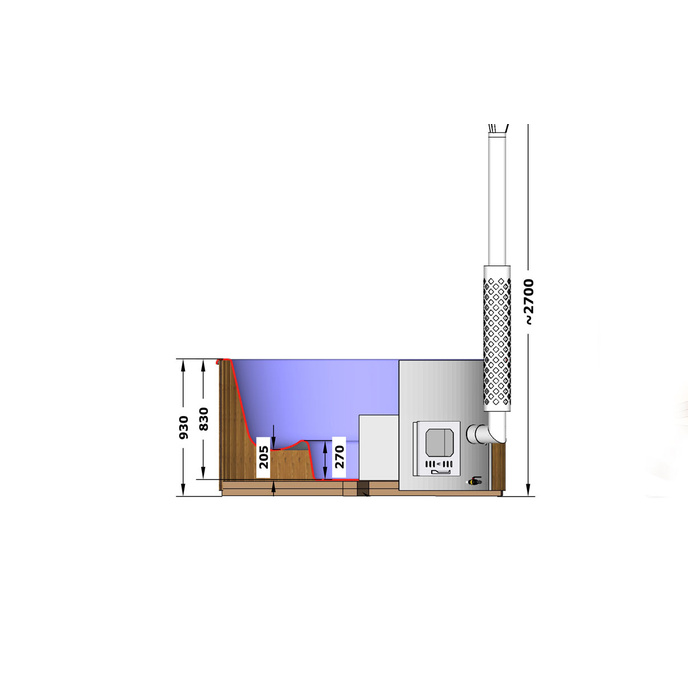
Locate the drain outlet using the manufacturer’s instructions or a product drawing, not a marketing photograph. Ask where the outlet is, how it can be reached once the tub is in position, what hose or fitting it uses, and whether it remains accessible without moving the unit. Confirm whether emptying relies on gravity, a pump or another specified method. Do not infer the method from a model name. Also ask whether the stated outlet removes all the water or whether the instructions describe a separate procedure for residual water.
Mark the confirmed outlet position on your garden plan and check that it will not be hidden behind a fixed obstruction or require an awkward reach beneath the tub. Consider access for attaching and removing the specified hose as well as for operating the drain; being able to see the outlet is not the same as being able to use it comfortably. A photograph of the proposed area can help the supplier understand the question, but ask for the outlet drawing as well. For Bloomcabin Hot Tub Haven 6, confirm the compatible hose, any adaptor, the steps for operating the drain and whether equipment must be purchased separately. Resolve these details before finalising an arrangement that would restrict access.
Map the route for emptying
Trace the route from the confirmed outlet to the proposed destination, just as you would trace the filling route. Measure the path, note corners and changes in level, and identify any doors or walkways a hose would cross. If the manufacturer specifies gravity drainage, ask what route conditions its method requires and have the supplier or a qualified plumber check that your layout is compatible. If the instructions specify pumping, ask what equipment and operating method are approved. Do not choose a pump or assume equipment is included without confirmation.
Check that the hose can reach the intended discharge point and be managed safely at both ends. It should not be liable to come loose or direct water across a neighbouring boundary or public path. Avoid a plan that lets water spill onto a walkway, entrance or area where it could pool. Consider how you would reach the outlet and the discharge end while the hose is in place, without stepping over it repeatedly. Use the Fjord 8 product page to identify the model when asking the supplier about its emptying method and expected discharge behaviour. Those answers should inform the route, rather than an estimate based on the tub’s appearance.
Confirm where the drained water can go
Identify the drainage system before choosing where the water will go. A nearby grate may serve surface water rather than household wastewater; its appearance or position does not prove that it can accept hot tub water. A public foul sewer, surface-water drain, private wastewater treatment system and area of garden are different destinations, not interchangeable options. Ask the relevant authority or drainage operator to confirm which system a particular drain serves and whether it can receive the proposed discharge. Do not choose a stream, ditch, roadside drain or neighbouring land simply because it is convenient.
Hot tub water may contain treatment products, so the appropriate disposal route can depend on both the water-care instructions and the receiving system. Ask the manufacturer whether its guidance specifies any preparation before discharge, and follow those instructions. Do not invent a neutralising step, combine chemicals or assume that dilution makes a destination suitable. If you are considering a lawn, flower bed, soakaway, septic tank or domestic treatment system, get advice from the responsible wastewater professional or system designer first. For Bloomcabin hot tub Aurora 10, ask for the disposal guidance that applies to that model and its specified water-care procedure, alongside confirmation that your proposed destination is acceptable.
Check Irish and local drainage requirements
In Ireland, confirm current requirements for the actual address and receiving system rather than relying on advice given for another property or an unidentified drain. Describe the proposed discharge and the water-care products used to the relevant local authority and the provider or operator responsible for the drainage system. Ask whether the destination is appropriate, what conditions or permissions apply, and whether any further body needs to be contacted. The answer may depend on the system connected to the property, so a general description cannot settle every site-specific question.
If the property uses an on-site wastewater system, contact its designer, service provider or another competent professional before proposing a hot tub discharge into that system or onto its treatment area. Explain separately whether the property also has a well, so advice about the water source is not confused with advice about disposal. Give the professional the manufacturer-confirmed discharge information and details of the water-care products, then ask what the proposed receiving system can accept. For rented, shared or managed property, check with the owner or manager as well as the relevant authority; permission to use a tap does not establish permission to use a drain. Keep any advice or conditions in writing, linked to the specific destination discussed.
Questions to settle before ordering
Send the supplier a written request for each model on your shortlist. Ask for its current filling and emptying instructions, confirmed fill-point and drain-outlet locations, compatible connections or hoses, water-source requirements and prescribed emptying method. Request the confirmed water quantity and ask what drain equipment, if any, is supplied or must be sourced separately. Ask whether the water-care instructions affect disposal and which details the supplier can confirm. Keep the response with the correct model name and manual so it cannot be confused with information for another candidate.
Compare the answers with your garden plan. Is an approved source available? Does the confirmed filling connection work with a route you can manage? Can you reach the drain outlet and use the specified emptying method? Has the operator of the proposed destination confirmed that it can accept the discharge? Mark each point as confirmed, unresolved or needing a plumber or wastewater professional. If an important answer is missing, resolve it before paying or arranging plumbing work. The more useful comparison is the one based on verified routes and arrangements for your property, not assumptions drawn from a model name.
Frequently asked questions
Can I fill a hot tub from a private well or rainwater system?
Only use a source the manufacturer confirms is suitable for the chosen model. Tell the supplier if the water is stored or treated at home, and ask whether its instructions call for particular checks or testing before filling.
Will the nearest outdoor tap supply enough water?
Not necessarily. Ask for the model’s confirmed fill volume and inlet requirements, then have a qualified plumber assess the actual supply if its flow or pressure is uncertain. Do not estimate from the tap’s appearance or the model name.
Can I drain the tub into the nearest garden drain?
Do not assume so. Find out whether the drain serves surface water or wastewater, then confirm with the responsible drainage provider or local authority whether it can accept the proposed discharge and any conditions that apply.
Is it all right to empty the hot tub onto the lawn?
Do not treat a lawn or flower bed as a suitable destination by default. Ask the manufacturer how the water-care products affect disposal, and get advice on the proposed route and discharge from the relevant local or wastewater professional.
What should I ask the supplier before ordering?
Request the model’s current filling and draining instructions, confirmed inlet and outlet positions, compatible hoses or fittings, water-source requirements, and the prescribed emptying method. Separately confirm that the destination for drained water is acceptable for your property.
A workable plan accounts for both journeys: from a confirmed source to the model’s fill point, and from its drain outlet to a destination that has been checked for the property. Supplier instructions establish the equipment and method; the relevant plumber, drainage operator or local authority can address the parts that depend on your supply and location. Once those answers are clear, you can compare shortlisted hot tubs on arrangements you know will work rather than on assumptions.
