
How to Reduce Hot Tub Heat Loss and Running Costs in Ireland
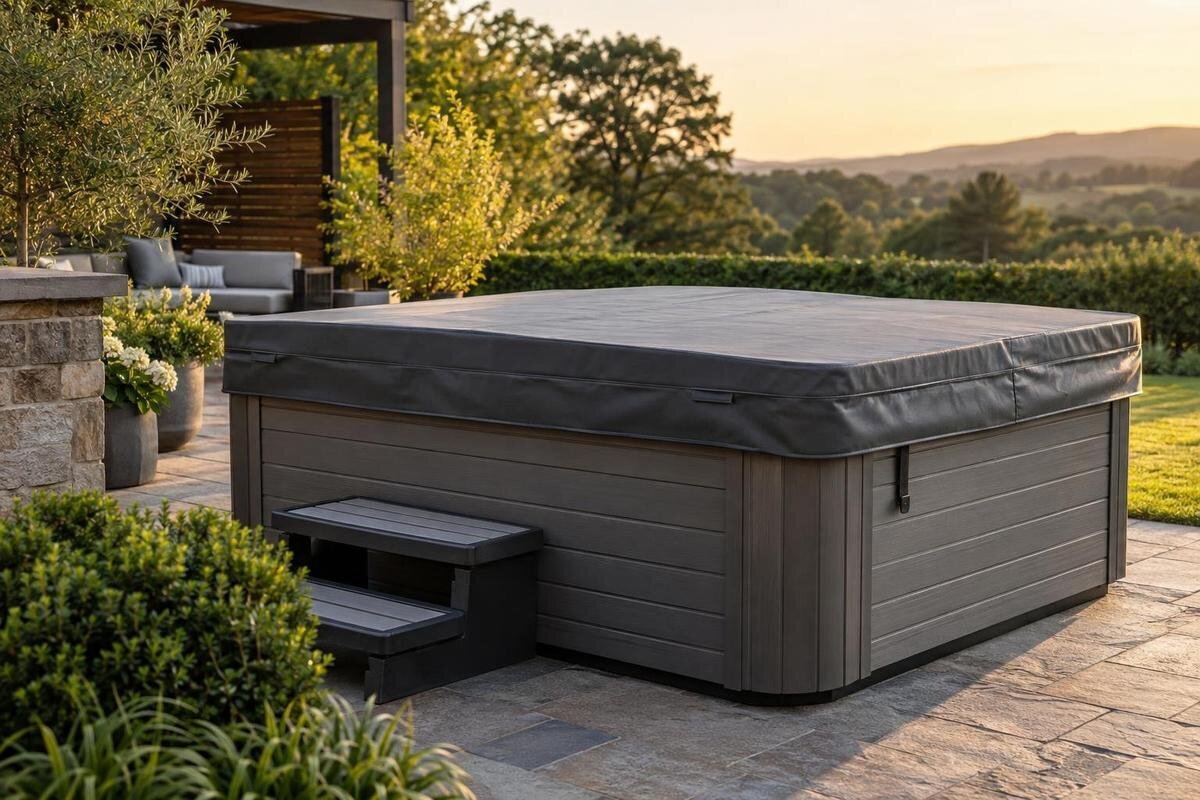
Hot tub heat retention
If the water cools between uses, that alone does not show whether the cover, insulation, weather or heating system is responsible. Start with what keeps heat in, then make a fair comparison of energy use before spending money. This guide focuses on heat retention and the choices that can affect it; it cannot promise a fixed saving, as the result depends on the tub, heating method, conditions and how often it is used.
How hot tubs lose heat
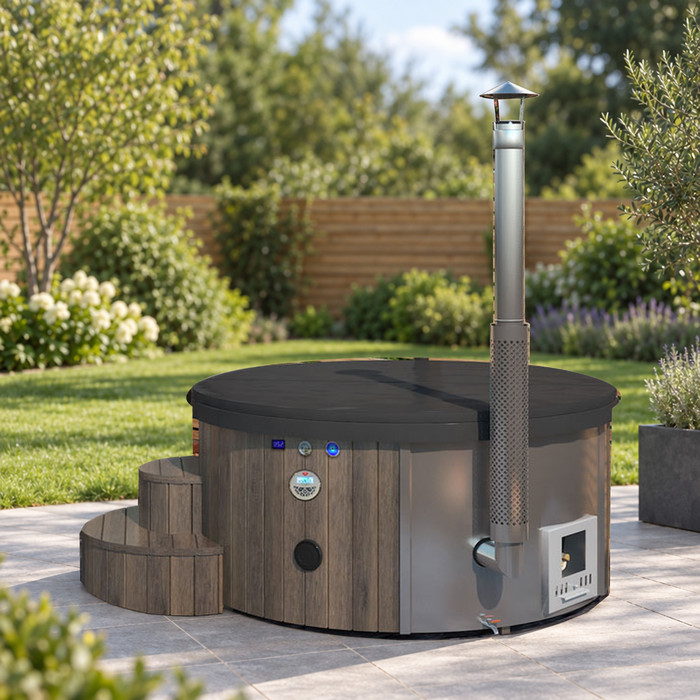
Heat leaves an outdoor hot tub in more than one way. When the water surface is uncovered, evaporation carries heat away; moving air also draws heat from the water and the tub's exterior. Heat can pass through the shell, base and connected pipework too, with the amount depending on the construction and installation. A colder or windier spell, a long period with the cover off, or a gap around the edge can all affect how quickly the water cools. A temperature drop on its own cannot identify the main route of heat loss or prove that the heater has failed.
A cover and insulation are heat-retention measures: they slow the loss of heat already in the water. Heating efficiency is different; it concerns the useful heat a system delivers for the electricity or fuel it consumes, while its controls and operating cycle also affect use. Better retention can reduce the heat that has to be replaced, but it does not establish how efficient a particular heater is. Equally, a higher-rated heater does not stop exposed water losing heat. To understand costs, separate heat escaping from the energy used to replace it, and rely on actual operating information rather than a product name.
Check the cover's fit and condition
Start by checking that the cover sits evenly around the rim in its normal closed position. Look for corners that lift, an edge that fails to meet the rim, a twisted hinge or fastenings that no longer line up. Use the manufacturer's instructions for closing and securing it. A poor fit may leave a path for air, but do not force the cover into place, add weights or improvise a seal; the cause could be a mismatch or a damaged part. If you ask the seller for help, give the exact model name, such as Bloomcabin Hot Tub Cove 2, and identify the tub version.
Inspect the top and the areas where wear may become visible: seams, hinge, edging, straps and fastening points. Look for tears, splits, sagging, deformation or water pooling where it did not before. A cover that has become noticeably heavier or holds water may indicate internal damage, but it does not prove a particular fault; ask the supplier to assess it before paying for a repair or replacement. Follow the care instructions for the cover. A cosmetic fix or generic replacement should not be assumed to restore its fit or heat retention, so confirm the appropriate remedy for the exact model.
What insulation information should you request?
Ask what the manufacturer means by insulation rather than relying on a broad label. Request details about which areas are insulated, such as the sides, base and pipework, and whether the information refers to the standard construction or an optional addition. If thickness or material is published, treat it as one part of the evidence, not a direct measure of running cost: construction, gaps, the cover, operating conditions and heating system all affect the result. When enquiring about Bloomcabin Hot Tub Haven 6, ask which insulation details apply to the version being quoted and whether any proposed additions are included in that price.
For performance, ask whether energy use or heat loss has been measured, and under what conditions. Useful context includes the water volume, starting water temperature, target temperature, outdoor conditions, cover used, test duration and whether the figure includes pumps or other functions. Compare only figures taken on a reasonably like-for-like basis; an estimate for a covered tub cannot be fairly compared with an uncovered test. If comparable data are unavailable, record the result as unknown rather than assigning a saving. Before adding panels or wrapping exposed parts, check with the manufacturer or a qualified installer: an unapproved change may trap moisture or obstruct ventilation, service access or drainage.
How wind and shelter affect heat retention
Wind and air movement around the tub can increase heat transfer from exposed surfaces and make a poor cover fit more noticeable. Observe conditions at the tub itself: a sheltered corner may be calmer than an open passage, but a nearby wall or fence does not automatically make a suitable enclosure. Weather changes, and a short spell of cooling on a windy day is not a reliable estimate of annual energy use. If you are keeping a log, note whether the tub is exposed to a breeze when the cover is off and whether the conditions differ between comparison periods.
Before adding a screen, roof or enclosure, check the manufacturer's requirements for access, ventilation, drainage and the heating system. These can differ, particularly where combustion or mechanical components are involved. Do not cover vents, service panels or controls to block draughts, and use a qualified installer to assess technical or structural changes. When asking for location guidance, give the exact model identifier, for example Bloomcabin Hot Tub Fjord 8, rather than assuming a general tip applies. A change is worth considering only if it is permitted and does not make normal use or servicing more difficult.
How use patterns change heat loss
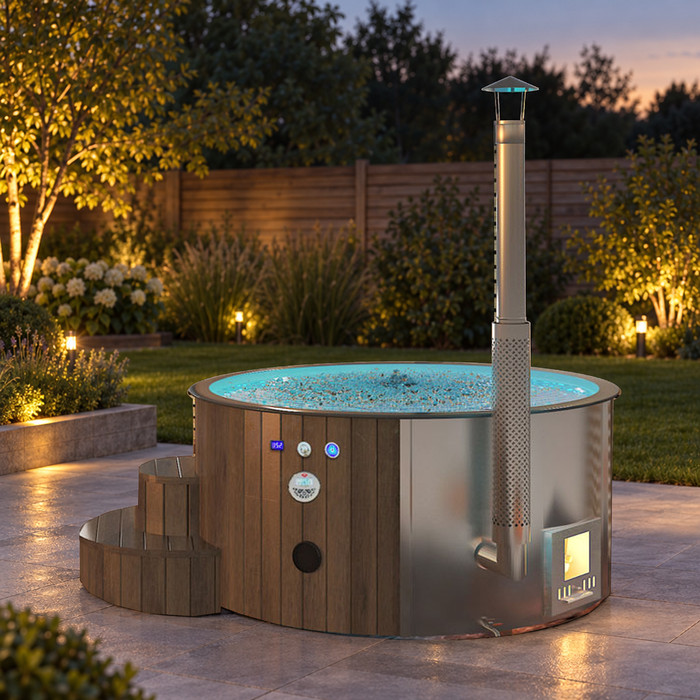
Make a simple record of when the cover is off, how long the tub is used and how often it is used. Long uncovered periods allow more heat to escape than brief access, while frequent use can mean the water is exposed repeatedly. Close the cover after use in line with the manufacturer's instructions. Note the setting shown on the controls as well: comparing energy use is difficult if that setting or the use pattern changes at the same time as a cover or insulation improvement.
Water changes and refilling can also affect the energy needed to bring the water back to its operating setting, so note them in your usage record. Follow the manufacturer's water-care guidance rather than stretching maintenance intervals to try to save on heating. A lower setting or a change to a standby mode may alter energy use, but the result depends on the heater, controls and how soon the tub is used again. For Bloomcabin hot tub Aurora 10, ask which operating instructions apply before deciding whether a different setting would suit your pattern of use.
How to estimate the cost of heat loss
For electricity, use the hot tub's measured consumption in kilowatt-hours and the variable unit rate you actually pay, in euros per kWh. If your tariff varies by time, use the rate for the relevant period rather than treating every unit as the same price. Do not count a lower usage figure as a saving on the standing charge: reducing consumption alone does not remove that fixed charge. For a fuel-heated system, record the quantity consumed and the current price for the same unit. Avoid mixing units, such as a quoted price per bag and a recorded amount by weight, unless you have a reliable conversion.
Use an existing system readout if it reports energy use; whole-home meter readings may include other appliances and make the result harder to isolate. Do not assume that a heater's rated power multiplied by the time elapsed equals actual consumption, as controls and operating cycles can affect use. Compare similar periods and record the applicable rate and conditions. The basic estimate is the difference in variable energy cost before and after a change; a simple payback estimate divides the change's upfront cost by the annual saving, if that saving is supported by comparable evidence. Use the same tariff assumptions when comparing your existing tub with the Cove 2 hot tub, so a price difference is not mistaken for an energy saving.
Which improvements are worth paying for?
Begin with checks that cost nothing: make sure the existing cover is seated as intended, close it promptly after use and record any visible damage or persistent exposure to wind. If you find a defect, get a quote for an approved repair or replacement and compare it with the cost of leaving the issue unresolved. If the cover appears sound, gather insulation and energy-use information before buying extra panels or other equipment. Keep the quote tied to the fault or gap in performance you have identified, rather than paying for a broad upgrade package whose likely benefit is unclear.
For any paid improvement, compare the full cost of the change, including compatible parts and installation where needed, with a cautious estimate of the energy it could save. Do not use the whole bill as the baseline: focus on variable energy or fuel costs that the improvement could affect. Ask what the evidence assumes about weather, settings and use, and allow for uncertainty where those conditions differ from yours. If you are considering the Haven 6 instead of improving your existing tub, compare the purchase cost with the repair or upgrade quote separately from any estimated running-cost saving. That keeps the immediate spending decision distinct from a potential longer-term benefit.
Compare documented heat-retention features
If you are comparing another model with your existing setup, ask for written details rather than relying on promotional terms. Check the heating method, the areas covered by insulation, what cover is included and whether an accessory is optional. Request comparable energy-use or heat-loss data, with the test conditions stated. A heater's rated input or output alone does not show how much energy the complete tub uses over a typical period; pumps, controls, insulation and the way it is operated all matter.
Make sure any figures use comparable starting water temperatures, target temperatures, outdoor conditions, cover arrangements and operating periods. If those details are missing, do not rank one option as more economical on the basis of the number alone. When assessing the Fjord 8, request the specifications for the version on offer, including its heating type and documented heat-retention features. Model names and photographs do not establish dimensions, materials or performance. If no like-for-like information is available, treat the potential saving as uncertain and weigh that uncertainty against the cost of changing your setup.
Keep operating changes within the manufacturer's guidance
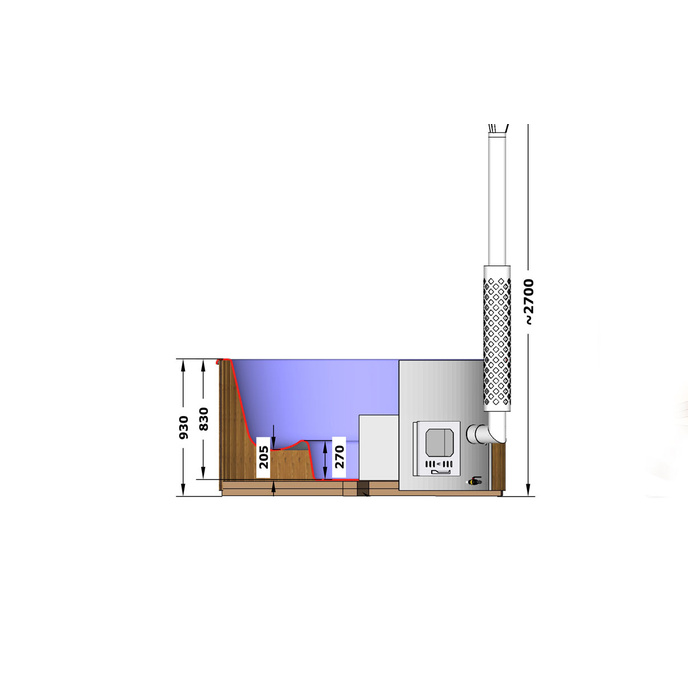
Check the manual before changing the temperature setting, standby mode or heating schedule. Different systems can have different operating requirements, so advice that suits one tub may not suit another. In particular, follow the instructions about the cover and heating, rather than assuming it should be on or off in every situation. If you own an Aurora 10 hot tub, confirm that the instructions match your particular version and heating equipment. Resolve any uncertainty about the controls before testing a change, so that you know which setting you are comparing with your usual routine.
Change one setting or routine at a time and keep a record of what changed. That makes it easier to see whether the adjustment affected energy use, the time needed to bring the water to the setting you want, or the convenience of using the tub. Record those outcomes separately: an adjustment may change the preparation time without giving you enough evidence to calculate a saving. Leave heater components unchanged. If the system behaves differently after an adjustment, return to the previous setting if the manual permits and ask the manufacturer or a qualified professional for advice.
A practical order for testing improvements
Start with a baseline that reflects ordinary use. Record the control setting, how often and how long the tub is used, how long the cover is open, and any energy reading available. Note the weather and exposure as well. A temperature reading can add context, but it does not show how much energy has been used. If you cannot separate the tub's consumption from the rest of the household, make that limitation clear rather than treating a whole-home meter change as a tub-only result.
Next, inspect the cover and gather the manufacturer's information on insulation and operation. Deal with a confirmed fit or damage issue using an approved remedy, then compare energy use over a similar pattern of use and conditions before making another change. Where the weather or routine differs, the result may not be conclusive; repeat the comparison when conditions are closer rather than claiming a precise saving. This order helps distinguish a straightforward maintenance issue from a case where an equipment upgrade might be worth investigating.
Frequently asked questions
Will replacing the cover always reduce my hot tub bill?
No. A new cover may help if the existing one is damaged, poorly fitted or no longer performing as intended, but the amount of heat lost also depends on insulation, exposure, use and the heating system. Confirm the fault and ask for comparable energy-use information before treating replacement as a guaranteed saving.
Should I switch the heater off between uses?
There is no universal answer. A lower setting or shutdown may reduce energy used to maintain the water, but it can also mean more reheating when you use the tub. Check the manufacturer's instructions for your particular heating system and compare options using similar periods of use.
Can I add insulation around the outside of the tub myself?
Do not assume that generic panels, wrapping or an enclosure are suitable. They may obstruct ventilation, service access or drainage, or trap moisture. Ask the manufacturer whether an addition is approved for your model; have a qualified installer assess any change that affects the structure or heating equipment.
Does better insulation make the heater more efficient?
Not by itself. Insulation and a well-fitting cover slow heat loss, so less heat may need to be replaced. Heating efficiency describes how much useful heat the system provides for the energy or fuel it uses. A change to one does not establish the performance of the other.
How do I estimate savings using current Irish energy prices?
Compare the hot tub's energy use before and after a change under similar conditions, then multiply the difference in kWh by the variable unit rate on your current bill. For fuel, use the quantity consumed and the current price for the same unit. A temperature drop alone is not enough to calculate a reliable saving.
Work from observable checks: inspect the cover, find out what insulation is documented, and note how exposure and use affect cooling. Then compare energy or fuel use under similar conditions using the rate you currently pay. Spend only when there is a clear reason to expect an improvement, and treat missing or non-comparable performance data as uncertainty. That gives you a sound basis for keeping your existing setup, arranging an approved repair or considering a different model without relying on a promise of savings.
