
Inflatable or Rigid Hot Tub: Which Makes Sense for Long-Term Use?
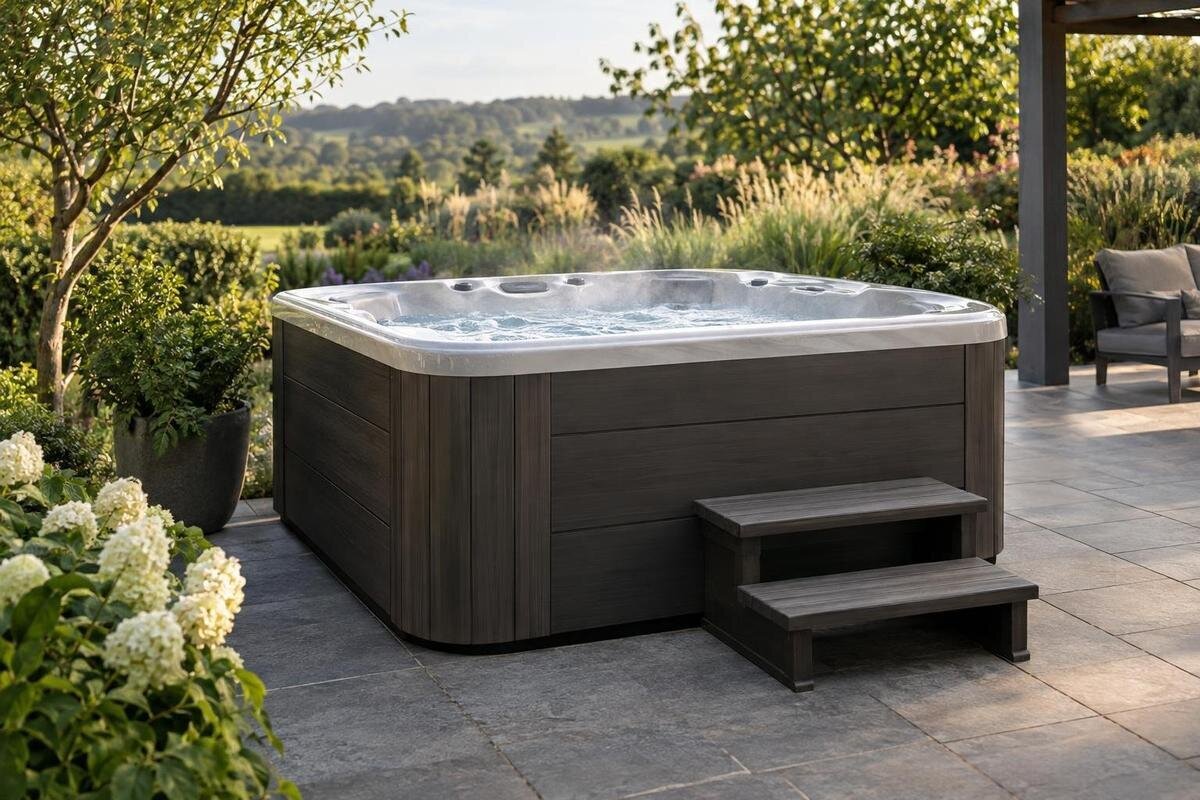
Long-term hot tub ownership
Keeping a hot tub for years makes the choice less about first set-up and more about how it fits your ordinary routine: where it stays, how often it is used, who looks after it and what happens when a part needs attention. Inflatable and rigid describe formats, not guaranteed lifespans or maintenance levels. In Ireland, plans for cooler-weather use add questions about documented operating limits and seasonal care. Compare those practical demands before choosing; this guide offers a decision framework, not a verdict that one type or named model is automatically the better long-term option.
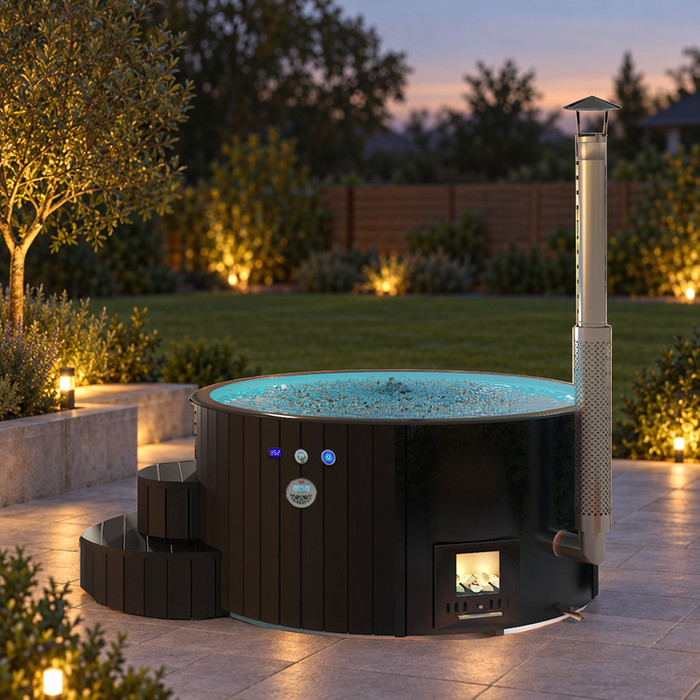
A realistic year of hot tub use
Before comparing formats, describe a normal year rather than the version of ownership you hope to achieve. Mark likely use across colder and milder months, how often people will use the tub, and whether it will stay set up between sessions. Include weeks when you expect no use: idle periods can change the value of a permanent arrangement or storage flexibility. Be realistic about gaps; occasional gatherings create a different pattern from a tub used as part of an ordinary week. This affects the value of easy access, routine care and preparation time. If Bloomcabin Hot Tub Cove 2 is on your shortlist, compare its stated requirements with this annual pattern rather than judging it only by how you would use it in summer.
Then assign the work, not just the enjoyment. Decide who will read the care instructions, organise routine water care, keep the area accessible and follow the maker’s guidance when the tub is not in use. If one person handles everything, a small recurring task may matter more than an optional feature nobody uses. Note limits on your schedule—travel, work shifts or evenings when you have little time—because a setup that depends on regular attention may not suit the household. This is not a claim that one format needs more care; it is a way to compare each product’s documented routine with the time you can reliably give it. Agree who can take over if the usual person is away.
Inflatable and rigid formats: what the labels tell you
The words inflatable and rigid describe form, not a long-term-use rating. An inflatable tub has a structure designed to be inflated; a rigid-format tub keeps a formed shape. That contrast may affect how an item is assembled, stored or moved, but it does not establish which materials are used, how a cover performs, what routine care involves or whether the particular model can be dismantled. Check the current specification and manual for those details. A product family can include choices that change the practical picture, so use the category as a first filter only. If a page is silent, record ‘not stated’ rather than filling a gap from an image, model name or broad description.
Neither label proves that a tub will last longer. Product-specific construction, stated operating limits, care and service arrangements matter; a broad category comparison cannot replace that evidence. Do not equate rigid with maintenance-free or inflatable with temporary, because neither conclusion follows from the label alone. Compare the documented materials, care requirements, repair route and written warranty terms for each candidate. Where information is missing, ask the seller or manufacturer for the applicable documents before treating a format as a long-term advantage. Even products described with the same format can have different instructions and support. Keep the decision centred on your routine, not assumptions about how either type is built.
Frequency of use and recurring care
Use frequency as a way to compare the routine, not as a shortcut to a format. Regular sessions mean the same checks and care steps recur; occasional use can create longer periods when the tub is idle. Ask the manufacturer for the maintenance schedule for that exact model, then compare it with the pattern you have written down. Note which tasks happen before use, after use and at intervals, without substituting generic advice from a different tub. Include time for ordering or replacing any consumables specified in the manual, and note any documented seasonal procedures. A list of recurring work is more useful than a neighbour’s routine, because products, use patterns and instructions can differ.
Think about how readily a session will fit an ordinary evening. If an inflatable design requires a setup or inflation step, check the manual for what that means; if a rigid tub stays in place, check the care that applies while it is idle or ready to use. These are questions, not assumed advantages: a listing may not explain the whole process. For infrequent use, ask what preparation, shutdown and restarting involve, and whether the instructions allow your preferred pattern. For frequent use, check that recurring care remains realistic over the months when enthusiasm dips. The comparison should include what happens between sessions as well as during them.
Storage space and moving the tub
Decide where the tub will live and whether that space will remain available throughout the year. Compare the product’s stated dimensions with the chosen location and route into it; if temporary storage is part of the plan, ask for packed or deflated dimensions and the maker’s storage conditions. A footprint alone does not tell you how an item will fit through an access route or what space it needs when put away. Consider gates, turns and other uses of the area, but do not guess at clearances from a product photograph. For a difficult access or site question, get advice from an appropriately qualified professional instead of relying on assumptions.
An inflatable format may be relevant if you need to clear the area, but only if the particular model’s instructions permit deflation and explain storage. A rigid tub generally keeps its form, so allow for a continuing footprint and ask how the maker says it can be moved. For Bloomcabin hot tub Aurora 10, compare the stated dimensions, moving guidance and storage requirements with the space you have available. Distinguish an occasional move to another position from packing a tub away for a season: they are different demands. Resolve any missing measurements before committing space to the tub, and include room for the items that must be stored alongside it.
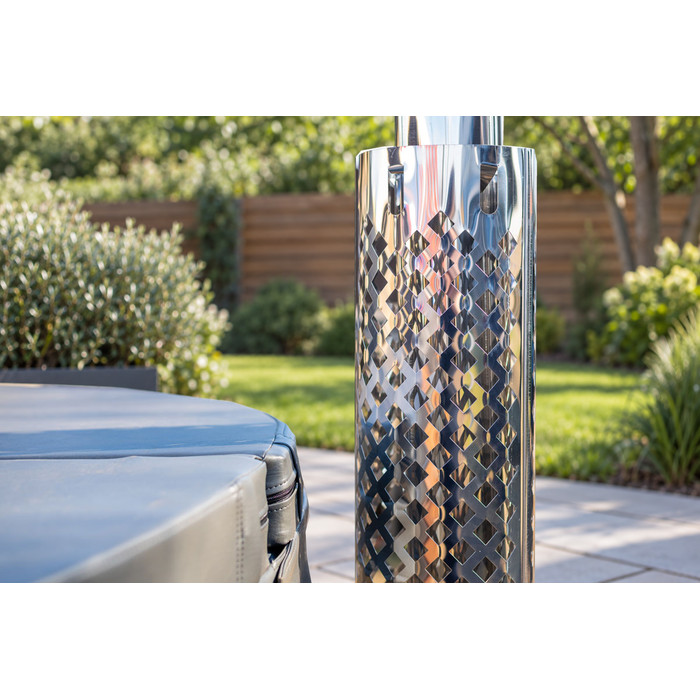
Routine care and periodic servicing
Care is model-specific, so do not choose on the impression that one shell type is automatically low-maintenance. Ask for the current manual and identify the recurring jobs it lists: for example, cleaning and water-care tasks, cover or filter care where relevant, and checks of parts the owner is expected to inspect. Do not borrow a routine from another hot tub or assume every model has the same components. Compare the written instructions with your willingness to do the work, and check whether those tasks can be completed conveniently at the chosen site. A manageable routine is one you can maintain consistently, not just during the first few weeks of ownership.
Separate routine care from periodic replacement or professional servicing. Ask which consumables and parts are required, how the instructions say to source them, and whether any work should be handled by service personnel. When reviewing Cove 2, use the applicable manual to distinguish jobs you would do yourself from those you would need to arrange. This makes the commitment clearer than a single description such as easy maintenance. Keep a simple record of care dates and any questions raised, with the relevant instructions close to hand. For each periodic task, note its stated timing, who will manage it and whether you need to organise help in advance.
Repair access and after-sales support
Long-term use depends partly on knowing what happens when a component needs attention. Repair support and warranty cover are separate questions: request the current written warranty terms, then ask how to report a fault, who assesses it and whether replacement parts can be ordered. Ask which parts are identified in the documentation and whether a repair is intended for the owner or a service professional. Do not infer cover from a general promise of support or assume every repair is included. For any shortlisted product, keep answers tied to the exact model and configuration; policies and service routes can vary, and a catalogue name is not a support specification.
Ask practical follow-ups before committing: is there a parts list or manual, how is the correct component identified, and what should you do if the original part is unavailable? These are questions for the seller or manufacturer, not predictions about future stock. For Bloomcabin Hot Tub Haven 6, establish where a service enquiry would go and what information you would need to provide. Keep those contact details with the purchase record and the applicable warranty terms. A clear route for an enquiry is useful, but it is not the same as a promise that every future repair will be possible or covered.
Plan for cooler-weather use in Ireland
If you expect to use an outdoor tub during colder spells in Ireland, base the decision on the maker’s stated conditions for the exact product rather than assuming either format suits year-round use. Ask which seasons and ambient conditions are permitted, what care is required during use, and what instructions apply during periods when the tub is idle. The garden itself affects the routine: exposure, the route to the house and the practicalities of attending to the tub in poor weather may influence whether it is used regularly. Consider your own site rather than relying on a general idea of Irish weather. These are questions of fit and routine, not proof that one format is unsuitable.
Check that the instructions address the conditions you actually expect, including seasonal preparation or storage; a broad description such as outdoor use does not replace specific limits and care guidance. For Bloomcabin Hot Tub Fjord 8, compare the documented seasonal requirements with the colder months in your annual plan. Include care of the cover and exposed components where relevant, and distinguish guidance for regular use from instructions for an extended break. If you are away during part of the winter, establish what the maker recommends for that period before deciding to leave the tub set up. Where the proposed location or connection needs technical assessment, consult a suitably qualified professional rather than adapting the arrangement on guesswork.
Allow for changes in how you use the space
Long-term ownership is not only about today’s use pattern: gardens are reworked, people move, and the time available for maintenance can change. Consider which changes are plausible for your household rather than trying to plan for every possibility. You might want the tub in one place for several years but need the area for another purpose later. Alternatively, you may expect to clear the space every season. Those plans place different weight on storage and moving requirements. Use the space assessment you have already made to decide whether keeping a permanent footprint is acceptable, or whether being able to put the tub away is essential to the purchase.
Think through a change in responsibilities as well as a change of location. If the person who normally handles care becomes busier, would someone else be willing to follow the routine? If you start travelling more often, would the documented arrangements for idle periods still suit you? Apply these questions to Aurora 10 or any other shortlisted model using its stated care, storage and moving guidance. This is different from choosing for maximum flexibility in theory: identify the changes that would genuinely affect your decision. A pack-away option has little practical value if you would never use it, while a continuing footprint may be acceptable if your plans for the space are settled.
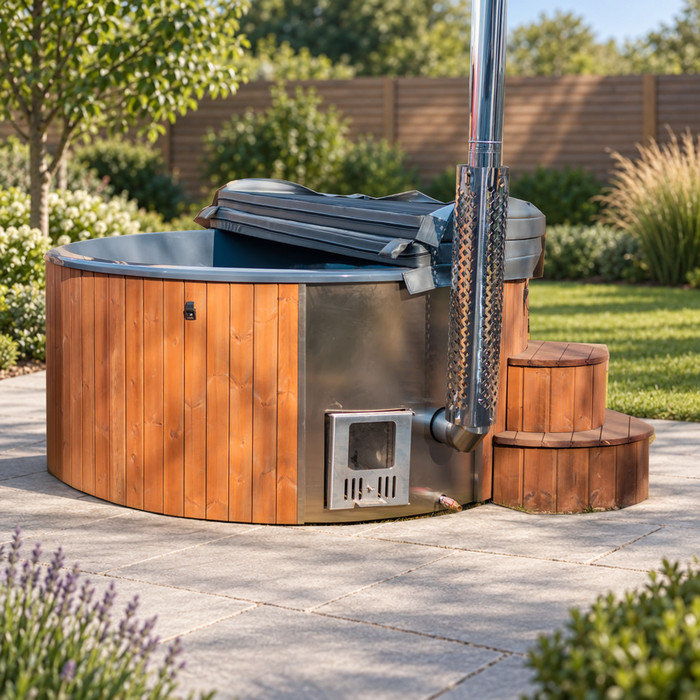
Comparing long-term ownership requirements
Create one sheet for each serious candidate and fill it only with details supported by a current product page, manual or written reply. Include format, stated materials, the care routine, permitted seasons and operating conditions, storage or moving guidance, identified replacement parts, support route and written warranty terms. Give the Fjord 8 ownership comparison the same headings as every other candidate, so that you compare equivalent information rather than the overall impression of each listing. Note the source and date of each answer, particularly if you receive an updated document. Keep optional features separate from essential ownership requirements; a detailed description of an extra should not obscure an unanswered question about routine care.
Mark every field as confirmed, not stated or awaiting an answer, then rank the factors that matter most to your year of use. One household may value a clear storage process; another may put more weight on regular-use care or a documented repair route. Do not give an empty box a favourable score or treat broad wording as a substitute for a precise instruction. This simple method makes uncertainty visible and shows which questions need resolving before purchase. It also keeps the decision centred on ownership over time rather than appearance or a single headline specification. If two options remain close, revisit the priorities you marked as essential.
Which format suits your ownership priorities?
If the tub will stay in one place and be used often, prioritise a verified routine you can maintain, suitable stated conditions and a clear repair path; do not select rigid on the assumption that it lasts longer. If freeing space or storing it between periods matters more, investigate an inflatable format only when model-specific instructions confirm that pattern; do not assume every inflatable is designed for repeated pack-away. If cooler-weather sessions are central, make documented seasonal guidance a deciding factor. These are conditional preferences, not a universal ranking: the best fit depends on which demands are non-negotiable in your home.
Use your essential requirements to narrow the shortlist before weighing preferences. If Haven 6 for long-term ownership is under consideration, identify which of its documented requirements suit your plans and which would mean changing your routine. Apply the same test to the alternatives. A manageable compromise might be accepting a continuing footprint; an unacceptable one might be a care schedule nobody can take on. If an unanswered question could change your choice, request clarification before deciding. If both formats meet your essential needs, choose according to the trade-off that matters most to you rather than looking for a universal winner or an unsupported promise about lifespan.
Frequently asked questions
Does a rigid hot tub last longer than an inflatable one?
The format alone cannot establish that. Ask for model-specific construction details, operating limits, care instructions, repair arrangements and written warranty terms. No verified lifespan is available here, so compare the evidence and your intended use rather than treating either label as a durability guarantee.
Can an inflatable hot tub stay set up all year?
There is no universal answer. Check the exact model’s manual for permitted seasons, ambient conditions, care while in use and procedures for periods when it is idle. If the documents do not address your plans, ask the seller or manufacturer before assuming continuous outdoor setup is supported.
Is one format easier to maintain?
The format alone does not tell you how much maintenance is involved. Compare the routine in each manual, including recurring water and surface care, cover or filter tasks where applicable, and any servicing requirements. Choose a workload you can reliably manage at your chosen site.
Can either type be used in colder Irish weather?
Only product-specific operating and seasonal guidance can answer that. Ask about permitted conditions, required care and what to do during idle periods. Consider your site and access too; do not infer winter suitability from an inflatable or rigid label.
What should I ask about repairs before buying?
Request the written warranty terms and, separately, the service contact, parts list or manual, how to identify replacements and who can carry out repairs. Ask what support applies to the exact model. Treat unanswered points as unknown rather than as a promise.
Long-term fit comes from matching verified product instructions to the way you expect to use, care for and store the tub. If it will remain set up, focus on that routine and its documented seasonal limits; if you need to free the space, confirm that deflation, storage and return-to-use are explicitly supported. Where information is missing, keep it marked as unknown instead of filling the gap from a model name. The sensible choice is the format whose confirmed demands you can meet—not a guess about which format must last longer.
