
Installing a Hot Tub in a Sloping Garden
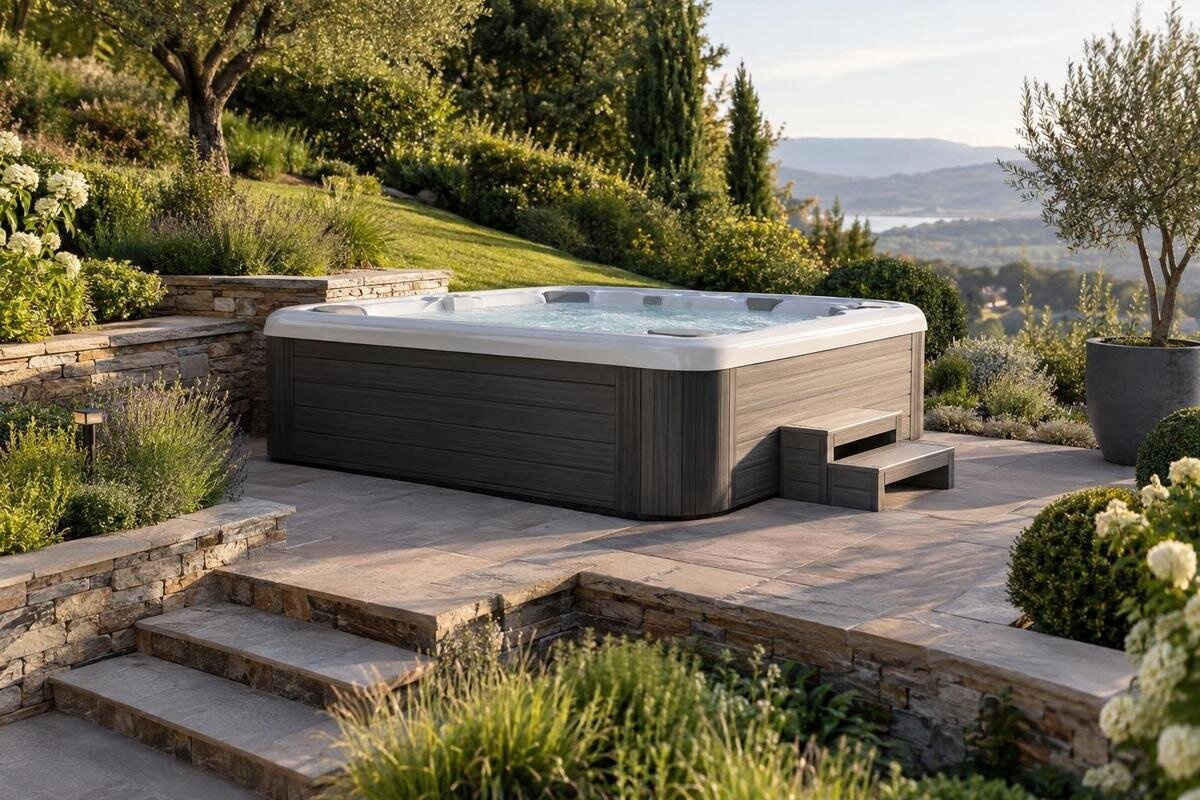
Sloping garden planning
A sloping garden does not automatically rule out a hot tub, but it changes what needs to be settled before you buy. Nearby positions can have different level changes, ground conditions and surface-water paths; proposed excavation or retaining work may also affect the scope of preparation. This guide helps you compare possible sites and identify when qualified advice is needed. It does not assume that any listed model is suitable for a slope: check the exact model’s current installation requirements.
Before you commit 1
Map the changes in level across the garden
Begin with the shape of the ground, rather than judging the garden by its overall fall from one end to the other. Walk around the possible positions and note where the land rises, drops, levels out or changes abruptly. A terrace, bank or shallow hollow can interrupt what looks like one continuous slope. Sketch the high and low sides of each option and mark its approximate boundaries. The whole area required for the chosen model needs to be considered; a spot that looks level at its centre may have a different level at the edges. Give each possible position a simple label and use it consistently in your notes and photographs. Include recognisable garden features so that someone visiting later can identify the same area. This avoids comparing one patch of ground in conversation with a slightly different patch on the sketch.
Record whether each position lies on the slope itself, at a change in level or on a flatter area, and note where the ground changes around it. A rough sketch is useful for comparing options, but it cannot establish whether the site is suitable or what work may be needed. If the slope is uneven or the difference in levels is uncertain, ask a qualified professional what survey or measurements are appropriate. There is no single gradient that makes every position safe or unsuitable: the site conditions and the selected model’s instructions both matter.
Check ground conditions at possible positions
Look for evidence of previous excavation or filling, soft or persistently wet patches, erosion, settling, cracking or soil washing down from higher ground. These are observations to record, not diagnoses. The surface can conceal ground that has been altered, and an inspection on a dry day cannot establish how conditions may change after rain. Note any differences between candidate positions, including changes you have seen over time. The apparent firmness of grass or another surface is not proof that the ground meets the support requirements for a hot tub.
Ask the previous owner or anyone familiar with the garden about known groundworks, and share that information with a qualified groundworks professional. Separate what you know from what you suspect: an account of soil being brought in is different from a guess based on the shape of the lawn. Record roughly where any reported work took place and whether its extent is known. If the history or condition of the ground is unclear, ask whether a site visit or further investigation is needed and what it would cover. For a proposed Cove 2 hot tub, keep these ground observations alongside the model details rather than treating them as separate projects. The useful question is whether the ground at that particular position can meet the model’s requirements, and what still needs to be established before anyone recommends work.
Before you commit 2
Compare possible sites before planning groundworks
Put the candidate positions side by side and compare the level changes across each, the visible ground conditions, the amount of reshaping that may be involved and any likely effect on surface-water flow. This helps distinguish a position that may need limited investigation from one that could involve more substantial excavation or a retaining structure. Do not assume that choosing a different part of the garden removes the issue: a flatter-looking area can still have uncertain ground, while another position may have a different slope profile.
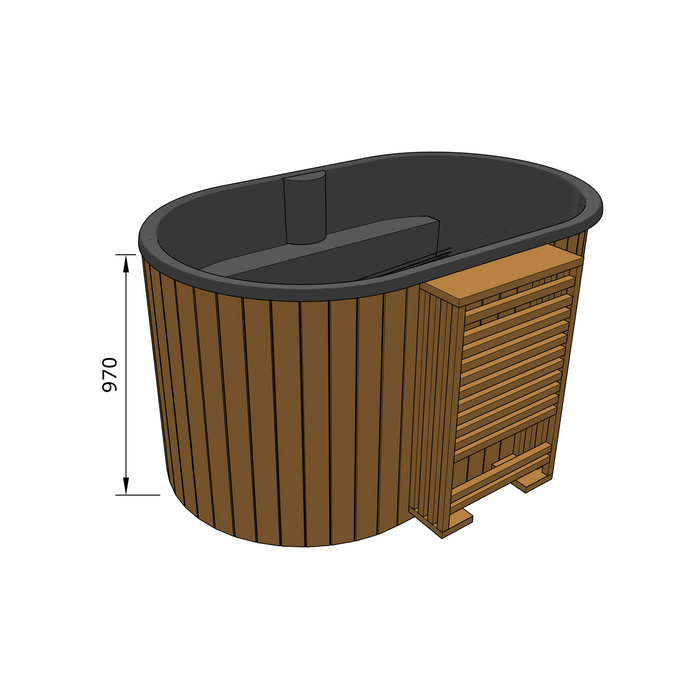
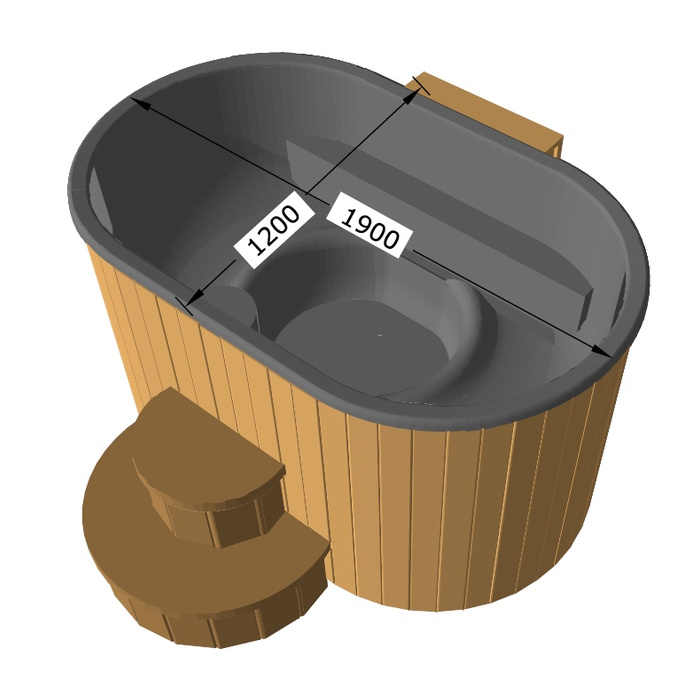
Once you have the exact dimensions from current manufacturer documentation, compare each position with the full area specified for that model. If you are considering the Bloomcabin Hot Tub Haven 6, use the same documented requirements when comparing all the possible positions. Keep a short comparison sheet with a separate entry for each site: observed level changes, known ground history, possible work and unanswered questions. Mark uncertain information as unknown rather than assuming the most favourable answer. This makes it easier to explain why one position deserves further investigation while another may be set aside. It also keeps an attractive view or a convenient-looking corner from overshadowing unresolved ground conditions. The comparison is a way to organise the assessment, not a score that establishes suitability; the product requirements and the ground at each position still need to be considered together.
When might levelling or retaining work be needed?
A position that crosses a slope may prompt a professional to consider excavation, fill or other groundworks to address the change in level. Which approach, if any, is appropriate depends on the site; neither cutting into higher ground nor raising a lower area is automatically the right answer. The amount of work is not obvious from the garden’s overall appearance, because the level changes across the intended area and the ground beneath it also matter. Ask for a site-specific assessment rather than treating a visual estimate as a plan.
A retaining structure may be considered where a proposed change in level would leave ground that needs to be held back. Whether one is needed, and what assessment or design it calls for, depends on the conditions and the proposed work. If the Bloomcabin Hot Tub Fjord 8 is on your shortlist, ask the professional to explain the groundworks proposal in relation to its documented requirements. Have them distinguish between changing the level of the proposed area and retaining neighbouring ground: these are separate parts of the discussion, even where one proposal involves both. Ask which parts of the assessment are settled and which depend on further investigation. You should be able to understand why work is being proposed and where it would take place without choosing excavation depths, fill details or retaining methods yourself.
Before you commit 3
Consider surface-water run-off on sloping ground
Note how rainwater moves downhill around each possible position. From a safe place, observe whether water flows across the area, arrives from higher ground, follows a channel or leaves visible signs of washing soil away. Also note where water gathers at a lower point. These observations help describe the slope’s behaviour; they do not establish how the ground will respond to proposed work or provide a design for managing water.
Ask a groundworks professional whether excavation, fill or a proposed retaining edge could change the existing flow, and how surface water should be accounted for in any site proposal. Do not assume that a levelled area or a retaining structure will stop water from reaching a position. When considering the Bloomcabin hot tub Aurora 10, show the professional the water paths around the proposed area as well as the model information. Distinguish between what you have actually observed during rain and marks you have noticed afterwards. If you have only seen the garden in dry weather, say so; an absence of observations is not confirmation that no water crosses the site. Ask whether the available information is enough to compare positions or whether more observation is needed before the proposed groundworks can be assessed.
Questions to ask a groundworks professional
Explain that you are comparing positions in a sloping garden, then ask what they can establish from a site visit and what remains uncertain. Useful questions include: How do the level changes differ between these positions? Is there evidence of previous filling, excavation or movement? Would further measurements or ground investigation be appropriate? What kinds of work might be considered, and what information would be needed before recommending one? These questions invite an assessment without asking you to choose a construction method yourself.
Ask how the proposed work could affect the slope and the surface-water paths, what assumptions the quotation would rely on, and what is excluded from its scope. If the assessment needs specialist input, ask who should provide it and at what stage. For the Bloomcabin Hot Tub Cove 2, provide the current manufacturer information so that the advice addresses the selected model’s support requirements. Before the visit ends, clarify which questions have been answered and which remain open. Ask who will obtain any missing information and whether it could change the proposed work or the preferred position. A quotation and an assessment serve different purposes: make sure you understand whether the professional is pricing an agreed proposal or still investigating what might be appropriate. This helps avoid treating a preliminary discussion as a settled plan.
Before you commit 4
When to ask about a structural engineer
Ask the groundworks professional whether a structural engineer or another suitably qualified ground specialist should be involved if the proposal includes a retaining structure, a substantial change in level or work close to an existing retaining feature. The same question is sensible if there are signs of ground movement or if the garden’s history leaves important conditions unknown. These are reasons to seek appropriate advice, not proof that a particular structure or type of work is necessary.
Clarify what the specialist would assess, whether further information about the ground is needed and how their findings would affect the positions you are considering. Request a written account of the assessment’s scope, assumptions and limitations, and ask how it relates to the proposed work. If the Haven 6 is on your shortlist, share its current manufacturer requirements as well as the site information. Where more than one professional is involved, ask who will bring their advice together and explain any outstanding decisions. In particular, establish whether the advice covers the proposed changes to the ground, an existing retaining feature, or both. Do not assume that an assessment of one feature answers every question about the wider slope. A clear scope helps you understand what the specialist’s findings do, and do not, establish about the position.
Verify the chosen hot tub’s requirements
Before settling on a position, obtain current manufacturer instructions for the exact model and confirm its dimensions, filled weight, support requirements and siting requirements. Check whether the documentation states anything about levelness or a permitted gradient. If it does not address sloping ground clearly, ask the manufacturer or retailer for clarification rather than assuming that an apparently modest slope is acceptable. A model name, number or photograph is not a specification, and information for a different model should not be substituted.
Compare the verified details with the professional’s assessment of the area and any proposed work. The dimensions help establish the area that needs to be considered, while the stated filled weight and support requirements are information for the relevant professional to review. For the Fjord 8 hot tub, keep a note of the exact model reference and the date or version of the instructions supplied. If a requirement is unclear, write down the specific point needing clarification rather than asking only whether the model is suitable for a sloping garden. For example, identify the proposed position and ask how the stated support requirement applies to the professional’s proposal. Keep any clarification with the original instructions so that everyone is working from the same information. A product listing alone cannot confirm a position, even when the garden appears level by eye.
Before you commit 5
Reconsider the site or model shortlist if needed
Use the assessment to decide whether the current position is worth investigating further, whether another position might involve less change to the slope, or whether the shortlist needs revisiting. Do not assume that a different model will make the work simpler because its name or number suggests a particular size or load. It is only possible to compare alternatives when their dimensions, filled weights and support requirements are verified and assessed against the ground at each candidate position.
If the Aurora 10 is another option, obtain its current installation information before comparing it with other models. Keep the cost of the hot tub separate from the cost of investigating and preparing each position, so that you can see which choices are driving the proposed site work. Costs depend on what is actually specified, including any investigation, excavation, handling of removed soil or retaining proposal. There is no useful universal figure for a sloping garden. Ask for itemised quotations based on the same scope and assumptions, with unresolved items clearly identified. If one quotation covers a different position or excludes work included in another, it is not a like-for-like comparison. Where the proposed work seems disproportionate to what you want from the garden, return to the alternative positions rather than assuming you must proceed with the first plan.
Decide whether to investigate, move the position or pause
It may make sense to investigate site work when a professional can assess the level changes and ground conditions against the exact model requirements. Another position is worth comparing if its slope profile or observed ground conditions appear different, but it still needs its own assessment. Pause the purchase decision if the ground is uncertain, surface-water behaviour has not been considered, or the selected model’s installation requirements are still missing. None of these routes is a guarantee; each is a way to avoid committing on assumptions.
Keep a record of the positions considered, your notes on level changes and ground conditions, observed water paths, professional advice and the version of the manufacturer documentation used. Note why you preferred or rejected each position, particularly where the decision depends on an unresolved condition. This gives you a useful reference if a later assessment changes an assumption or a quotation describes different work. The conclusion applies to that site and model together, not to the garden as a whole. If you change either the proposed position or the model, identify which parts of the comparison need revisiting before committing to groundworks or an order.
Frequently asked questions
Does a sloping garden rule out a hot tub?
Not by itself. The answer depends on the ground, the level changes across the proposed position, any work required and the installation requirements for the exact model. A site assessment is more useful than judging the slope by appearance alone.
Can I use a position with only a slight slope as it is?
Do not rely on a description such as “slight”. Check the manufacturer’s stated siting and support requirements, including any information about levelness or gradients. If these are unclear, ask the manufacturer or retailer and a qualified site professional before deciding.
Will a retaining wall always be needed?
No. A retaining structure is one possible response to a proposed change in ground level, but it is not automatically required just because a garden slopes. A qualified professional can assess whether it is relevant to the particular position and proposed work.
Can I tell whether the ground is suitable by looking at it?
A visual check can flag issues such as erosion, settling or persistently wet patches, but it cannot establish what lies below the surface or confirm suitability. Share your observations with a groundworks professional if the condition of the ground is uncertain.
What should I have ready before asking for a site assessment?
Bring a sketch of possible positions and level changes, notes about ground conditions and where surface water travels, and the current manufacturer documentation for the exact model. Ask what further measurements or investigation the professional needs.
A slope is a site condition to assess, not a verdict on its own. Compare actual positions, understand how proposed groundworks may affect the land and surface-water flow, and check the exact model’s documented requirements against professional advice. That evidence will help you decide whether to investigate work, consider another position or pause the purchase.
