
How to Keep a Glazed Garden Shed Comfortable in Summer
Garden house advice
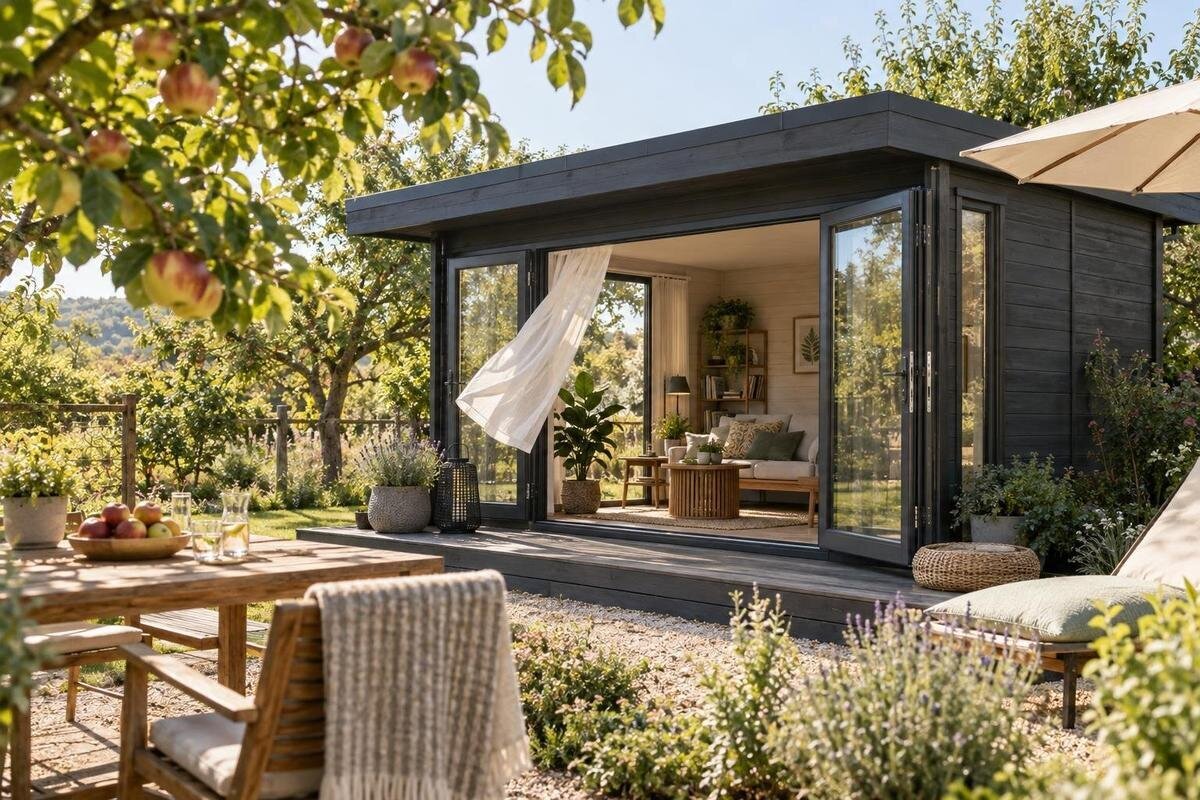
A glazed garden shed can bring daylight and a bright outlook, but it can also bring glare and a build-up of warmth on sunny days. The difference is not determined by glass alone: the direction of the sun, the opening layout, shade and how the room is used all play a part. A garden house used briefly to collect tools has different comfort needs from one used for reading or hobbies in the afternoon. This guide covers practical ways to manage those conditions and the questions worth asking when choosing and ordering a garden house. The aim is to match the design and daily routine to your site and use.
Why a glazed garden house can feel hot
Sunlight through glazing brings daylight and can also warm floors, walls, furnishings and other surfaces that receive direct sun. Those surfaces release some of that warmth back into the room; if air is not moving through, the effect can build over the day. Glare may be uncomfortable even before the whole room feels hot, while still air can make a moderate temperature feel close. So comfort cannot be judged from the forecast alone. The direction of the glazed side, nearby shade and the hours when you use the building all matter. A space that feels pleasant in the morning may need a different plan in the late afternoon.
Before choosing a remedy, work out what feels uncomfortable. If a beam of sun lands on a desk or seat, shifting that activity or adding appropriate shade may help more than simply opening a door. If warmth spreads throughout the room and remains after the sun moves, look at the combination of glazing, shade and air exchange. A stuffy sensation is a reason to review airflow, but opening an entrance does not guarantee that air will travel through the space. Note the time, which side is in sun, which openings are open and what you are doing. A few observations over warm days can show whether the issue is local glare, lingering heat or both, without making several changes that are hard to assess.
Check sun and shade at the proposed site
Before you buy, observe the proposed site at different times of day. Note when direct sun reaches each side, especially during the part of summer when you expect to use the room. A house, boundary wall, fence or tree may shade the glazing in the morning but leave it exposed later; deciduous planting also changes through the year. Check for glare from low-angle sun, not just the length of time the site looks bright. If possible, revisit the spot on more than one clear day and mark the pattern on a simple site sketch. This gives you a more reliable picture than judging from a single visit or a photograph taken at one particular hour.
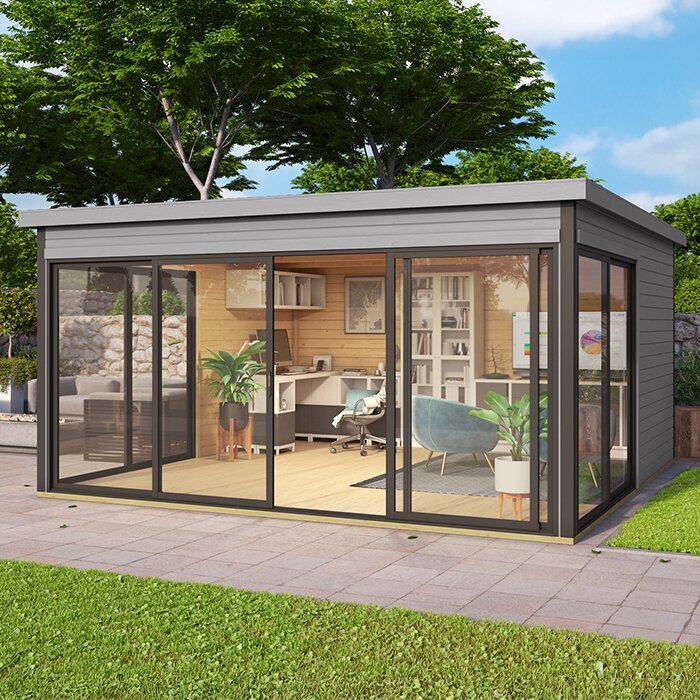
Then look at the site as a working layout: where the building can sit, how you will get to it, where the door opens, and whether air can reach the proposed openings. A tight corner between a fence and a wall may restrict a breeze or leave little access for a shade screen, even if it is the easiest spot to fit. Compare your sketch with the exact drawing and configuration for the model before ordering. The Verdana 1 garden house listing is a page to inspect, not a substitute for a site plan; confirm the glazing and openings offered, their positions, overall dimensions and any stated clearances. Do not infer those details from the model name or an image.
Choose glazing around daylight and summer use
Treat glazing as a balance between daylight, outlook and solar exposure. A larger or differently placed glazed area can make the interior brighter, but direct sun can also bring heat and reflections onto a screen, desk or dining area. The effect depends on the exact glazing and where it faces, so the general description ‘glazed’ is not enough to predict summer comfort. Ask for the specification of the version being quoted, including any stated solar-control properties, and have the seller explain which options apply to that configuration. If you plan to use a fixed worktop or chair, mark it on a drawing and check whether sun would fall there at the hours you intend to use it. This ties the decision to everyday use rather than appearance alone.
Check how much of the glazing can be opened, where the openings sit and whether a shade can be fitted without interfering with doors or windows. A model may have different layouts or options, so rely on the written details for the version you are considering rather than assuming that photographs show every available arrangement. The Verdana 2 garden house page can be reviewed in the same way: verify its listed configuration before judging whether it fits your light, privacy and ventilation priorities. If an important detail is unclear, ask the seller to confirm it in writing before you commit. A layout that already suits the site may be preferable to planning on a later alteration.
Plan for effective airflow
Fresh air can carry warmth out of a garden house, but the result depends on an air path, not just the number of openings. Air needs a way in and another way out; openings on different sides can support cross-flow when the wind and surroundings allow it. A high outlet may help warm air escape if the design includes one. A single open door may make the entrance feel fresher without refreshing a far corner. The actual effect varies with wind, opening size and placement, and nearby walls or planting, so avoid relying on a product headline as a promise of ventilation. Start by finding out which openings the building is designed to provide and how they can be used together.
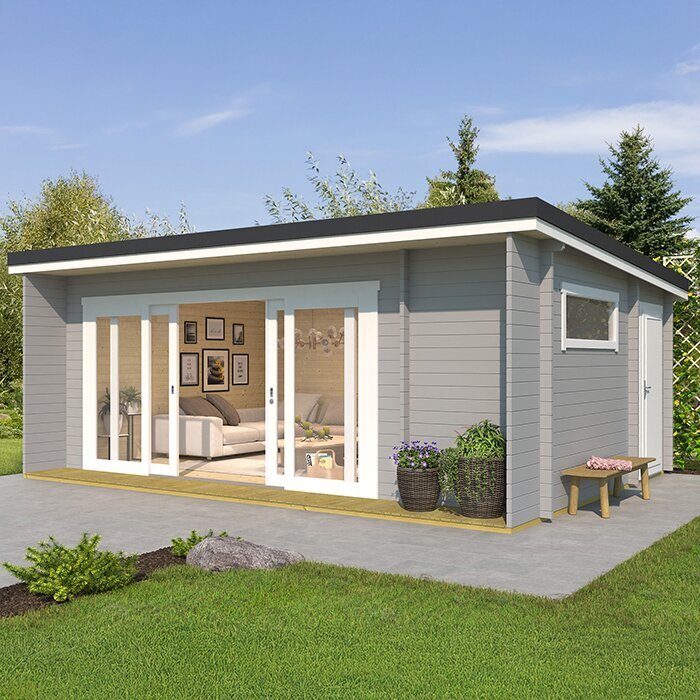
On the product details, look for which doors, windows or vents open, where they are positioned and how they are controlled. Ask whether they are intended to be used at the same time and what limits apply in rain, strong wind or when the building is unattended; security and weather matter as well as airflow. Check whether any screens offered are compatible, as an added layer can affect how freely air moves. The Durano garden house listing is another page to assess from its exact published details, not from its name. Avoid drilling new vents or altering glazing without advice from the supplier or a qualified professional, as changes can affect the structure or weather protection.
Use shade to reduce direct sun
Shading can intercept strong sun before it reaches the glass, helping to limit solar gain as well as glare. Choose its position to suit the hours when the glazed side receives sun; a permanent canopy that shades the wrong side will not solve an afternoon problem. Adjustable external blinds, a suitable awning or planned planting are possibilities, but their suitability depends on the building, the site and the product. Check with the supplier before fixing anything to the house, and ask about wind exposure, fixings and whether the shading option is designed for that exact glazing. The right approach should address the exposed side without getting in the way of doors or ventilation.
Keep useful daylight if the room is used for reading, hobbies or potting; complete darkness is rarely a helpful everyday answer to glare. A retractable or seasonal shade can give you more control, while trees or other planting create a longer-term pattern that changes with growth and leaf cover. Do not treat a garden-house roof as a support for a shade structure or assume a freestanding canopy is suitable for every site; its own design and installation need to match its intended use. When reviewing the Veltor 1 garden house page, confirm what glazing and shade-related options the current specification actually lists. A model title alone cannot establish compatibility.
Manage glare and heat inside
Internal blinds or curtains can cut glare and make a seating or work area more usable, but they intercept sunlight after it has passed through the glazing. They may therefore manage brightness without preventing as much heat from entering as a correctly selected external shade. Choose a product that suits the window and will not obstruct a handle, opening or ventilation route. Before applying reflective film, ask the glazing supplier to confirm compatibility with the exact glass; do not assume a film sold for ordinary house windows is suitable for every panel. For movable shades, consider how easy they are to operate from inside and whether the openings can still be used as intended.
On a warm day, close blinds on the sun-facing glass before direct sun reaches the room, if the room is unoccupied. Use openings according to conditions: airing the space when outside air is cooler may help, while bringing in hotter air can add to the warmth. A fan can improve the sensation of air movement, but it does not by itself lower the building’s temperature or replace ventilation; follow the equipment maker’s directions and keep the route through the room clear. The Orello 1 garden house listing is another page to check before planning internal or external shades. Confirm the exact configuration with the seller if the glazing or openings are not clear in the listing.
Arrange the interior around light and airflow
Arrange furniture around the sun path rather than filling the room before checking where light lands. A chair or workbench set just outside a direct sun patch may feel more comfortable without changing the structure, and moving it seasonally keeps the space flexible. Screens and glossy work surfaces are particularly prone to reflections, so try the layout at the times you expect to use the building. Leave the planned windows, vents and door routes unobstructed; furniture close to an opening can reduce access and make it awkward to air the room. A simple floor plan with seating, storage and walking space marked can help you spot these problems before assembly.
Think about activities that add warmth, too. Lighting and equipment generate some heat, and an appliance used for a long spell can make a small room feel less comfortable; switch off what is not needed and choose lower-heat equipment where practical, without compromising the task. Store items that are sensitive to prolonged direct sun away from the glazed side, and keep a clear route to controls and openings. For an option such as the Modano 1 garden house page, use the stated dimensions and opening layout, if supplied, to test a real furniture plan; do not rely on a product photograph to judge interior clearance. This also helps you decide whether the room can serve more than one purpose.
Match the building to its intended use
Choose a design around what you will actually do inside and when. An occasional visit in the morning has different exposure from working or relaxing there for several afternoon hours. If you need a bright sitting or hobby space, the value of glazing may justify extra attention to shade and airflow; if the main task is storage, consider whether glazing is essential to that purpose. Privacy, glare on screens, daylight for particular tasks and the amount of time spent inside can all influence the choice. Write down the main use and the hours when discomfort is most likely, then assess each option against those conditions rather than choosing by appearance alone.
Compare like with like: glazing, openings, stated dimensions, available options and what is included can vary between listings, so do not treat category labels as a full specification. If you are considering alternatives, the wooden garden tool shed M listing can be checked as a separate product page, but do not assume from its name what glazing, ventilation or storage arrangement it has. Read the current description and confirm unanswered points with the seller. The broader decision is whether a glazed garden house is the right type of building for your use, not whether one model name promises a cooler room. A well-matched purpose can reduce the need to rely on add-ons later.
What to confirm before ordering
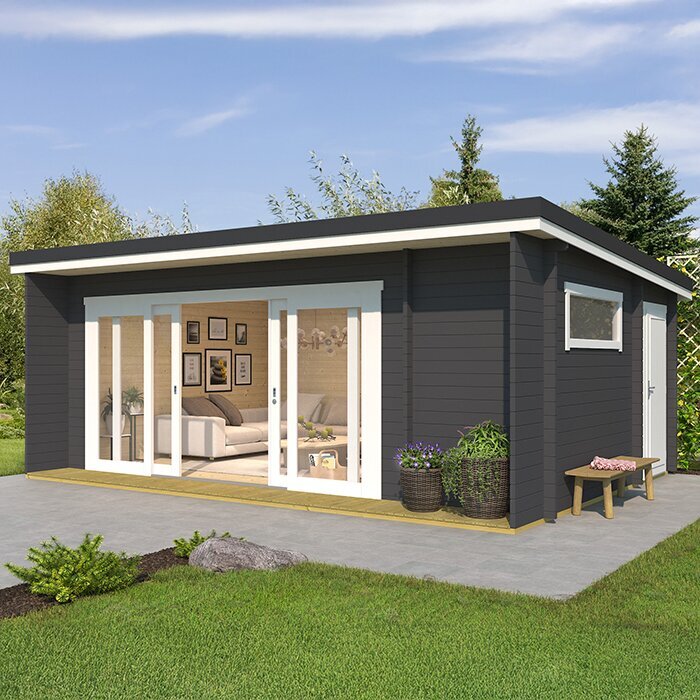
Ask for the exact model and configuration in writing before placing an order. Confirm the glazing type and position, which doors or windows open, what ventilation is included, and whether any shade or blind is supplied, optional or incompatible. Check the overall and internal dimensions, door clearance and the space required to use the openings, then compare them with your site sketch. Product photos may show an arrangement that differs from the version being quoted. The wooden garden shed S listing is only a page to verify in this way; its title alone does not establish glazing or summer-use features. Resolve uncertainty before ordering rather than expecting a later change to be straightforward.
Ask separately about what the quoted price includes, delivery access, assembly, preparation requirements, care instructions and any options that affect shade or ventilation. Details can differ by product and order, so obtain the current terms directly rather than assuming that transport, installation or accessories are included. Follow the maker’s requirements for the base and assembly; if the site or a proposed modification is unclear, consult the supplier or a suitably qualified professional. Check any relevant site permissions or boundary constraints with the appropriate local authority when needed, rather than relying on a general online description. This purchasing check is as important to comfort as the choice of blinds: changes are easier to plan before the building is in place.
A simple routine for warm days
Once the house is in use, make a routine that follows conditions rather than a fixed clock. Before a sunny period, set any approved shade on the exposed glass; when outside air is cooler than inside, open available vents or windows if the weather and security allow. If outdoor air is warmer, keep openings limited where practical and shade the sun-facing glazing. Keep doors and vents clear during use, and avoid leaving heat-producing equipment running unnecessarily. These small choices do not change the building’s design, but they can prevent avoidable heat from accumulating on days when the space is otherwise usable.
If the room remains uncomfortable, make one change at a time and note the difference. A basic indoor thermometer placed away from direct sun can help you compare conditions, while a short record of shade position, openings and time of day shows what was happening. If stronger ventilation or fixed shade is needed, check the maker’s advice before changing the structure or attaching hardware; seek a qualified professional for work beyond simple, approved adjustments. If passive measures still do not suit the way you use the room, reconsider its occupied hours or layout before investing in equipment. The best solution improves comfort without blocking useful light or safe access.
Frequently asked questions
Does a glazed garden house always get too hot in summer?
No. Comfort depends on when sunlight reaches the glazing, how much shade is available, the openings and the way the room is used. A well-chosen position, suitable shade and useful airflow can make a difference, but the exact result depends on the site and the building.
Is opening the door enough to cool a garden shed?
Not necessarily. A door may let air in without creating a useful route through the whole room. Check which other openings are available and whether they can be used together. Wind, nearby walls and planting also affect how air moves.
Are internal blinds enough to manage summer heat?
Internal blinds can reduce glare and make a seating or work area easier to use. However, they intercept sunlight after it has passed through the glazing, so they may not limit heat entering as effectively as a suitable external shade. Check compatibility with the exact glazing.
Should I leave the windows open all day?
That depends on the temperature outside, the weather and whether the building is attended. Airing the room when the outside air is cooler may help; letting in hotter air can add to the warmth. Security and rain are also reasons to use openings selectively.
What should I confirm before ordering a glazed garden house?
Ask for the exact glazing and opening arrangement for the version you are considering, along with any compatible shade options. Check dimensions against your site and interior plan, and confirm what the price includes, delivery and assembly arrangements, and the maker’s preparation requirements.
Summer comfort comes from several decisions working together: choosing a suitable spot, understanding the exact glazing and openings, planning shade and leaving space for useful airflow. In an existing garden house, observe when the room becomes uncomfortable and test one practical adjustment at a time. When planning a purchase, compare the written configuration with your site and intended use. That way, you can make the most of the daylight and outlook without assuming that glazing alone will make the room comfortable.
