
Maintaining patio doors: tracks, rollers, hinges and seals
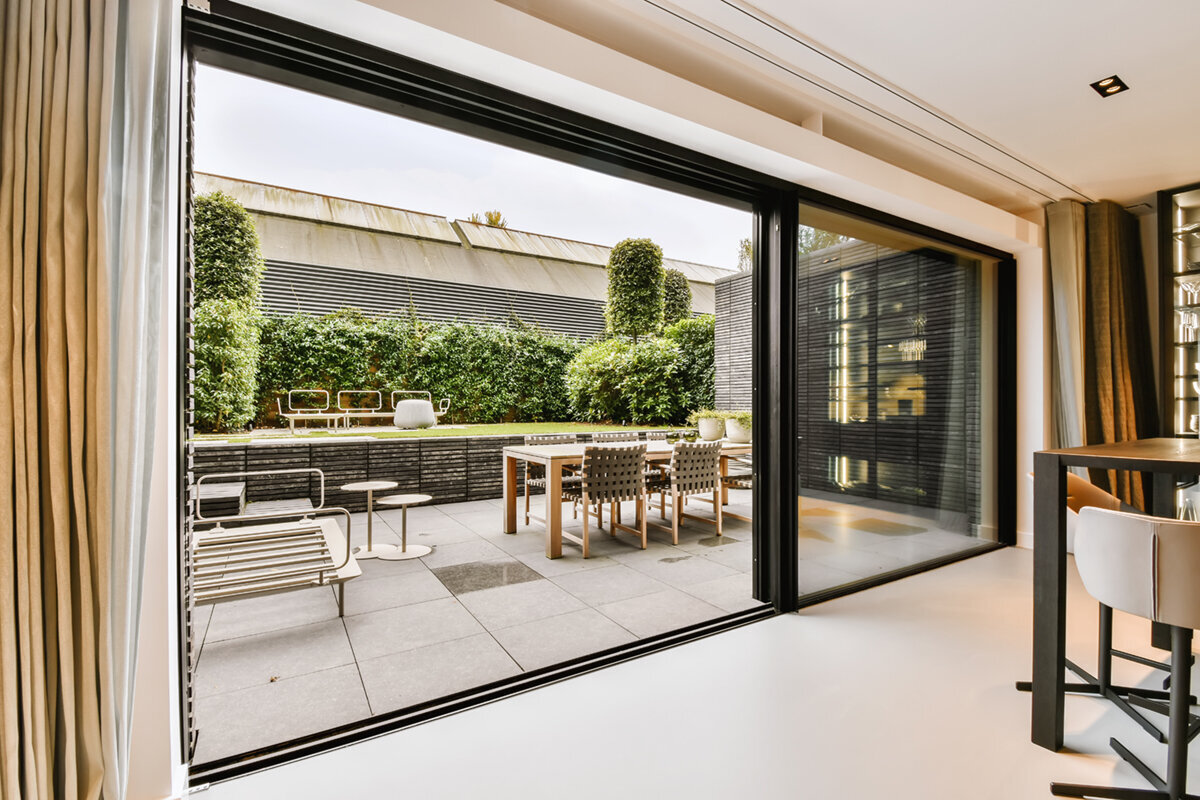
Guide to patio doors
Daily traffic puts a patio door under steady strain. Pollen and grit settle in the running channel, wet footwear soils the threshold, and repeated use may reveal slight misalignment through the handle or closing action. Begin by establishing which mechanism is fitted. Sliding designs rely on guides and rollers; swinging doors use hinges and locking parts, while both depend on effective seals. Considering maintenance, diagnosis and any future replacement as one task reduces the risk of applying lubricant in the wrong place or forcing a resistant leaf. The following checks help owners observe problems safely, undertake modest cleaning and recognise when the next step should be a specialist assessment.
Establish the operating method before tracing the fault
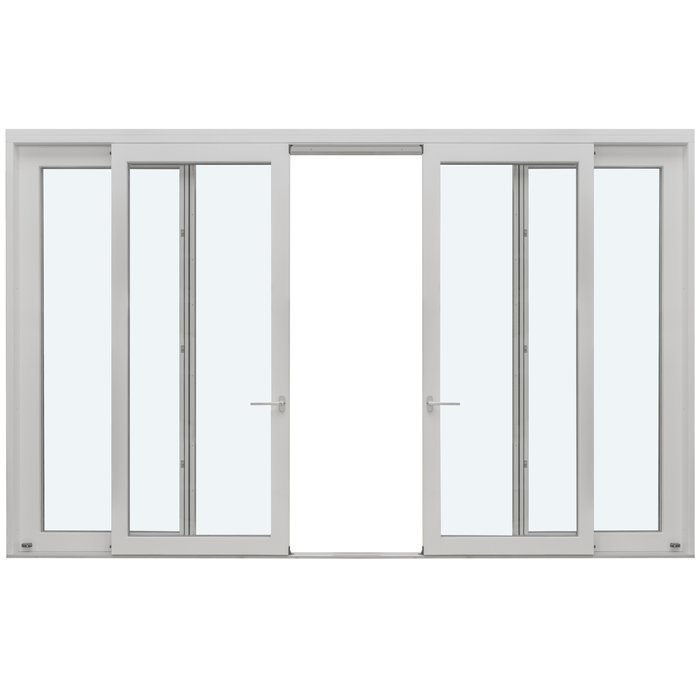
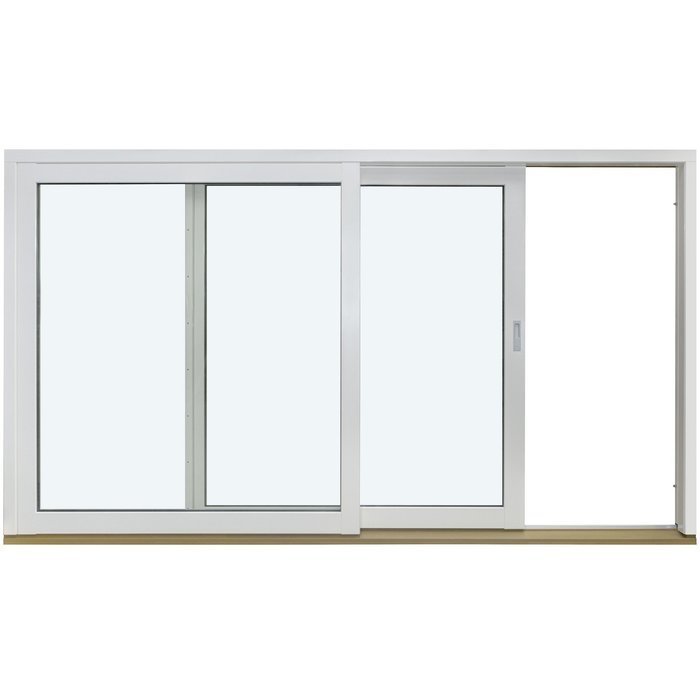
A useful maintenance decision begins by understanding the movement, not by choosing a treatment product. In a lift-and-slide system, operating the handle raises the leaf before it can travel sideways; other sliding mechanisms work differently and use different fittings. A swinging patio door is supported by hinges and secured through its handle, lock and striking parts. Compare present operation with how the door felt when working normally rather than relying on a broad description such as “stiff”. Record whether resistance appears during unlocking, the initial lifting action, one portion of the sideways journey or final closure. Check as well for any visible alteration in the spacing around the leaf. This order helps distinguish contamination, incorrect operation and possible displacement.
A Patio Life door with lift-and-slide action therefore calls for a different approach from a hinged design with one leaf. The bottom running system deserves most attention on the sliding model, whereas hinge alignment, the locking edge and gasket contact matter on the swinging model. Avoid concentrating solely on the most noticeable spot. Resistance near the journey’s end could come from debris lodged in the channel; resistance throughout may instead involve the guide, wheels or leaf alignment. Move the door gently in each direction and do not lean pressure against it. Note whether rain or dry conditions alter the symptom. A clear account of these observations is much more useful to a tradesperson than simply reporting that the door is jammed.
Clean running channels and thresholds without impairing drainage
Dust, grit, leaves and fibres shed by doormats readily settle in the bottom channel of a sliding door. Start by lifting loose material with a vacuum nozzle, a soft-bristled brush or a dry cloth. Cover every visible section and each corner instead of treating only the area beside the leaf. Move the door gently to expose the channel in stages, then examine deep or shaded recesses with a torch. This makes it easier to tell removable debris from scoring or a guide that looks misshapen, without taking the assembly apart. Follow with a barely damp cloth that has been wrung thoroughly to collect residue. Do not pour or hose water through the channel, as this may wash dirt into concealed areas. Abrasive cleaners, wire brushes and implements capable of marking the running surfaces should also be avoided.
Thresholds frequently combine the guiding function with a route for rainwater. Keep any holes, grooves and removable covers clear rather than filling them with leaves, sealant or an improvised stopper. Stop your own work and arrange an assessment if water still pools after cleaning, crosses from outdoors to the room, or a cover has become loose. Effective care means preserving the designed drainage path and removing loose contamination, not testing it with large quantities of water. For a patio door that slides sideways repeat this inspection after heavy pollen, autumn leaf fall or work beside the terrace or balcony. Grit released from paving joints and dust from building work can scour the guide, so remove either deposit without delay.
Observe rollers rather than adjusting them at random
Although the wheels beneath a sliding leaf are seldom available for direct visual examination, the way they run provides evidence. After cleaning the channel, listen and feel for rough movement across the whole journey, repeated jolting at one location or an unusually demanding handle action. If nothing improves, make a record of what happens. Compare travelling movement with final closure too: smooth sideways operation followed by poor locking does not establish a roller fault. A leaf that has visibly lowered, catches one edge or will travel only when manually raised may need its alignment and adjustment examined by a competent specialist.
Adjustment features exist on many door systems, but neither their location nor their result is standard. A minor alteration may change leaf height, gasket pressure and locking engagement at once. Keep screwdrivers and lubricants away unless the correct instructions are available and you understand what that particular control does. Grease or oil applied to the wrong surface collects dirt and may intensify the fault. Frame a service enquiry around specific questions: can the roller be reached, is an adjustment genuinely proposed or does a component require examination, and will the technician verify both smooth movement and proper closure afterwards? For Siegenia doors with sideways sliding action , provide the exact configuration and the section where trouble occurs so the appropriate service approach can be selected.
Understand hinges on hinged doors as load-bearing connections
The hinges of a swinging patio door support the full leaf and hold it in the correct relationship to the frame. Rubbing, irregular perimeter gaps or a handle that operates only when pressure is put on the leaf can signal altered alignment. Begin with observation rather than tools. With the door shut, is the spacing reasonably even? Does contact occur along the top, bottom or locking edge? Does gently supporting the leaf change the handle action? Move the door only through a range you can control safely, listening for unexpected sounds and looking for unsecured covers. Do not tighten an unidentified screw merely because it is visible; its function must be established first.
Opening direction also affects daily use. A patio door with one inward-swinging leaf requires unobstructed space on the room side. Furniture, raised rug edges and child-safety barriers should never press against the opening leaf. An outward-swinging version instead needs clearance outside, suitable stops and a sound surface beneath its path. During one maintenance review, consider the hinges, handle and locking parts together rather than chasing the source of a single noise. Marked looseness, an unsecured handle, sudden sagging or movement that is difficult to control safely warrants skilled attention. Pending examination, do not attempt to compensate by repeatedly slamming the door, wedging it in place or packing material beneath it.
Inspect seals carefully and clean them gently
Door seals provide a resilient interface between the moving leaf and its frame. Open the door and follow each seal around its full route, noting accumulated dirt, cracking, distortion, interruptions in seating or sections lifting from the groove. Wipe away loose material with a gentle cloth. Any care product should be mild, compatible with the seal material and approved in the manufacturer’s instructions. Solvents, strong detergents and rigid tools may damage either its profile or finish. Examine the bottom corners and locking edge particularly closely because moisture and deposits commonly appear there early. Remember to wipe the corresponding frame face as well; a gasket cannot make sound contact against a dirty mating surface.
Draughts, moisture and increased sound are not, by themselves, proof that a new gasket is required. Even an undamaged seal may meet the frame irregularly if the leaf is warped or misaligned. With daylight available, shut the door and view the perimeter line from the room. Variations in pressure or a conspicuous opening help identify where further investigation is needed. Judge the complete outline rather than drawing a conclusion from one spot. On a one-leaf patio door opening outwards also consider whether outside debris or a poorly positioned stop is placing mechanical stress on the gasket. Never select a new profile from an image or rough guess. Its cross-section, fitting method and door system must correspond to the existing assembly, which a specialist can confirm before purchase.
Check handle, lock and keep components as one system
A resistant handle is easily blamed on the handle itself, although leaf alignment, contaminated locking points or pressure from the gasket may be responsible. Compare the action in stages. First operate it while the door is open, then with the leaf lightly against the frame, and finally after complete closure. A change between those stages indicates that the closing relationship deserves investigation. Never add a longer makeshift lever to the handle or drive it forcibly into its final position. Excess force can damage fittings that might still be corrected through timely adjustment or repair after the underlying interaction has been properly assessed.
With double doors, coordination between both leaves is an added factor. On a outward-swinging patio door with two leaves work out which leaf displays the symptom first and whether its partner is shut or open at that moment. Before closing the active leaf, confirm that the normally inactive one has reached its proper secured position. An altered closing relationship may show up through a resistant handle, rattling or inconsistent gasket pressure. Ahead of a service visit, record the overall dimensions, swing direction and leaf count, photograph the exposed fitting side, and set out the order in which the problem occurs. These details are not a diagnosis, but they let the inspection begin from evidence rather than guesswork.
Distinguish cleaning, surface care and lubrication
Cleaning takes away contamination, care products protect appropriate exposed finishes and seals, and lubrication is reserved for specified moving parts. Treat these as separate operations. A glossy coating along a channel is unhelpful when it captures more grit. Likewise, a general household aerosol may be incompatible with gaskets, plastic, metal fittings or powder-coated surfaces. Consult the instructions issued for the actual door before applying anything, use only a small amount and remove surplus product before it can spread to the glazing, floor finish or running channel. If no reliable product guidance can be found, restrict the work to careful cleaning rather than testing an unknown lubricant.
Match the frequency of care to actual exposure, not an inflexible timetable. A sheltered entrance and a windy, dusty position face different levels of contamination. Inspect after gardening, renovation, prolonged pollen or leaf fall instead of repeatedly adding treatments without evidence. With folding doors that open outwards there are several leaves, connecting areas and sets of fittings to consider. Move the leaves one at a time, wipe the exposed rebates and confirm that each section settles naturally into its final position. If scraping, skewing or abnormal resistance is already present, stop rather than continuing to clean in the expectation that the fault will disappear.
Assess moisture correctly instead of merely wiping it away
Describe water by its exact position before deciding what it means. Moisture condensed on the interior face of a frame or pane, droplets confined to one corner, a pool inside the running channel and wetness on the room floor are separate observations. Wipe the area, then note the circumstances of its return: rain, wind, cleaning, morning conditions or operation of the door. Outside, look for paving, leaves, soil or plant saucers obscuring the threshold zone. Do not cut into junction seals, modify drainage pieces or alter perimeter sealing yourself. Where water is visible may differ from the route by which it entered.
When damp returns, photograph it before drying, along with the closed door from inside and the outside threshold area. For a patio door with two inward-swinging leaves include both leaves, the meeting section and each bottom corner in the inspection. Tell the tradesperson whether the moisture follows particular wind or rain conditions or appears without them. Water carried in on one footprint has a different significance from repeated indoor wetness when nobody has used the doorway. Recording that distinction helps prevent treatment of the visible surface while the source remains unknown. Arrange timely investigation where the frame is visibly damaged, a component has loosened or water has reached the room.

Coordinate maintenance with the patio, floor and use
A patio door interacts with everything around it. Replacement paving, a deep doormat, pots, furniture or external shading may obstruct movement, access for cleaning or the intended water route. Before changing the area, map the arc of a swinging leaf, the access needed along a sliding channel and the clearance required to clean the threshold afterwards. Loose decorative items and adjoining finishes must not bear against the frame, leaf or guide. Curtains, cables and furnishings also need to remain outside the sideways travel zone of a slider. Sensible everyday operation therefore supports maintenance: preserve clear movement, keep meeting surfaces clean and never overcome resistance by force.
Where similar symptoms occur across several doors and windows, review them as a group. For each one, list the room, construction type, swing or slide direction, timing and exact behaviour. That record helps show whether one heavily used unit needs attention or whether inspection, care and adjustment should be coordinated throughout the home. A traditional outward-opening patio door with two leaves has different handling and visual details from a contemporary slider, yet the maintenance approach is consistent: understand the construction, clean accessible parts conservatively and record changes accurately. When specifying a replacement or a door for a new project, decide the handing, leaf layout, threshold treatment and preferred operation together before placing the order.
When self-checking ends and which details help
Safe owner care is limited to mild cleaning, visual observation and keeping a record of changes. Stop where the task would involve releasing components, adjusting fittings, putting stress on glazing or opening sealed junctions. Request assistance if the leaf scrapes, will not secure properly, remains obstructed after the guide is cleaned, admits water repeatedly, dislodges a gasket or suddenly behaves differently. Keep people away from the movement zone if a heavy leaf is loose, markedly lowered or difficult to control. Restrict access temporarily, choose another exit when available and never try to lift the leaf out yourself. Protect the immediate area and avoid adding further loads. A specialist can then examine the alignment, fittings, closure, seal pressure, guide and accessible junctions in a logical sequence.
Prepare an enquiry with concrete information. State whether the door swings, folds, slides or uses a lift-and-slide mechanism; give its leaf count and opening direction; and explain when the fault began and at what stage it appears. Supply photographs of the threshold and hinge or handle edge, plus a brief video comparing normal and faulty movement if recording it is safe. For a possible replacement, discuss site measurement, the existing opening, handing and the precise work included with the supplier. Bloomcabin provides a 5-year guarantee for windows and doors, while delivery is 4 to 6 weeks subject to order confirmation. These project details aid realistic planning but do not diagnose the door already in place.
Questions people often ask
When does a patio-door channel need cleaning?
Base the timing on conditions and usage rather than a universal schedule. Look over the channel after high pollen, leaf fall, gardening or an obvious deposit of sand. Once debris appears, lift it out promptly by a dry, gentle method. Cover the channel’s entire accessible run instead of cleaning only beside the moving leaf.
Is oil suitable for the rollers?
Only use a treatment when the instructions for that exact door specify it. The wrong lubricant may capture grit or migrate onto surfaces designed to operate dry. Begin by clearing the parts of the guide you can safely reach. If movement remains difficult, record the symptoms and ask the manufacturer or a specialist which maintenance action is intended.
Why will the handle turn only if I raise the door?
This behaviour suggests that leaf position, gasket pressure and locking alignment may be interacting under strain, but it does not identify one definite fault. Avoid forcing the handle. Observe any contact marks, scraping or unequal perimeter gaps and pass those details to the specialist carrying out the assessment.
Does an exposed seal always need replacement?
Surface dirt or a small visual change alone does not justify renewal. Wipe the gasket carefully and follow its seating around the perimeter. Cracking, sections pulled from the groove, substantial distortion or repeated damp deserves closer investigation. If renewal is needed, the profile chosen must correspond to the particular door system and the way it is installed.
What information helps before a maintenance call?
Provide the operating type, leaf count, opening direction and an ordered description of the fault. Photograph the threshold and the hinge or handle edge; where moisture is involved, capture it before wiping. Remove obstructions from the access route. This gives the specialist room and evidence to evaluate movement, guides, fittings and gasket contact efficiently.
Next steps
Routine, restrained observation helps keep patio doors operating smoothly. Concentrate on running channels and travel where a door slides; for a swinging door, examine hinge support, handle action and the way it closes. Cleaning is worthwhile, whereas unapproved adjustment or lubrication can create further trouble. Note the location, weather and operating stage whenever a symptom occurs. Scraping, skewed movement, repeated moisture or insecure closure is better investigated professionally than overcome with force. If replacement becomes necessary, use what the existing door has taught you about everyday operation, swing direction and threshold access when choosing the next arrangement.
