
Organic Growing: Benefits for Health and Environment
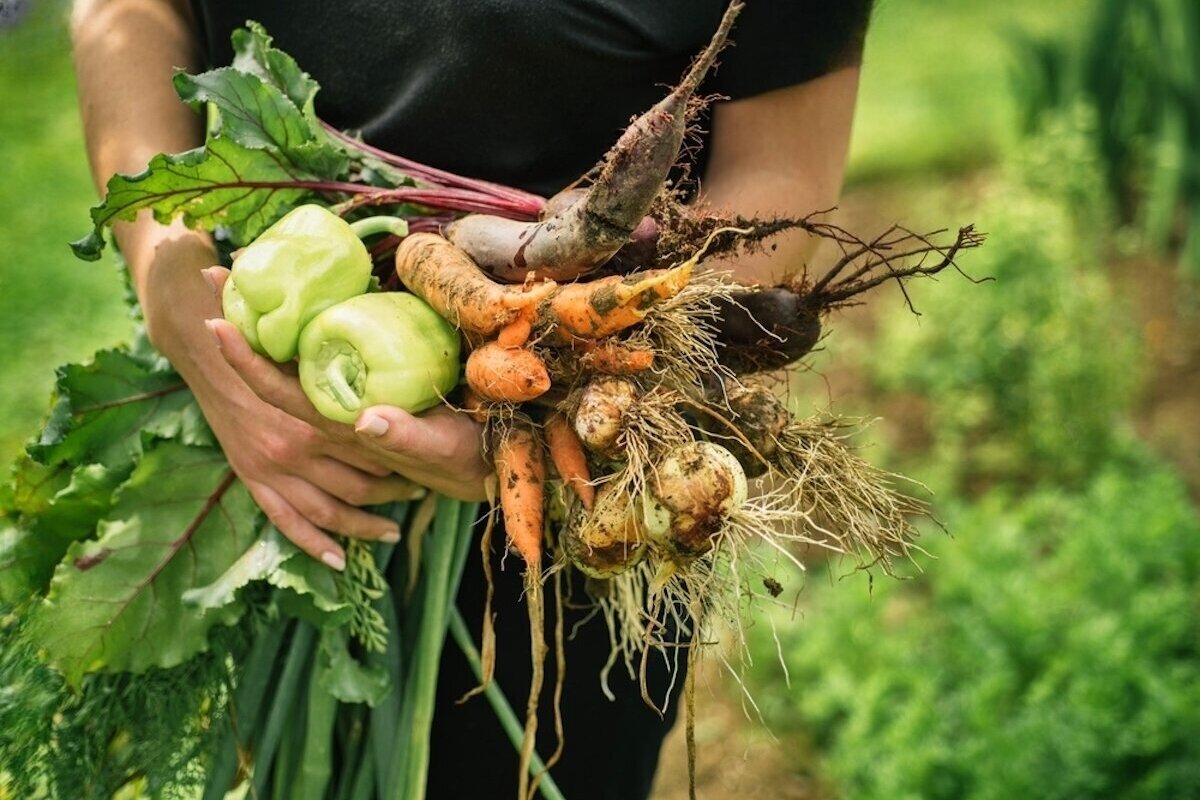
Organic Growing for Personal Wellbeing and a Healthier Environment
Introduction Organic farming is not simply a passing trend. It is a long-term approach intended to care for human wellbeing and the natural world. For home gardeners, raising organic crops under a Bloomcabin aluminium greenhouse offers a practical, efficient way to apply those ideas. The sections below examine the main advantages and explain how protected cultivation can make an organic gardening routine more dependable and productive.
Ways Organic Farming Can Benefit Health
- Lower Use of Pesticides and Chemicals: Organic systems minimise reliance on synthetic pesticides and fertilisers. Instead, growers build healthy soil and manage pests by rotating crops, making compost and introducing biological controls. Produce raised this way may carry fewer residues from synthetic treatments. Choosing it can therefore limit exposure to those substances and form one part of a health-conscious pattern of eating.
- Nutritional Value: Research has found that some organically produced foods may supply more of particular nutrients than conventional equivalents, though results differ between crops and studies. Reported differences can include vitamins, minerals and antioxidant compounds. In tomatoes, for example, organic cultivation has sometimes been associated with increased vitamin C and phenolic compounds, both relevant to a balanced diet and general wellbeing.
- Choosing Crops Without Genetic Modification: Organic growing typically uses crops that have not been genetically modified. Genetic modification can give a plant traits such as tolerance to a herbicide or resistance to a pest, while its longer-term implications remain debated. Organic produce therefore offers an option for people wishing to avoid modified crops, including those who have concerns about possible allergies or other related issues.
Environmental Gains from Organic Methods
- Caring for Soil: Productive organic cultivation begins with living, well-managed soil. Crop rotation, green manure and compost or other organic fertilisers can preserve its structure while supporting fertility and biological variety. Together, these methods help curb erosion, hold moisture for longer and increase soil organic matter. Those improvements underpin a more sustainable approach to producing food.
- Water Quality: Organic methods limit inputs that could wash from fields into streams and groundwater, where nutrient enrichment may damage aquatic life. Farms can further protect water by creating buffer strips and combining several approaches to pest control. Used together, these measures lessen pollution pressure on rivers, lakes and underground supplies.
- Protecting Biodiversity: A robust food-growing system depends on biological variety. Compared with conventional holdings, organic farms may host more kinds of crops, insects and animals. Moving away from single-crop production, varying rotations and planting species together can strengthen ecological balance. These choices also preserve feeding, nesting and shelter areas for wildlife across the farmed landscape.
- Reducing Climate Emissions: Using less synthetic fertiliser can cut emissions of nitrous oxide, a potent greenhouse gas. Other practices, including green manure and lighter cultivation, may help soil retain more carbon that originated as atmospheric carbon dioxide. Together, such measures can contribute to agriculture’s response to climate change.
Raising Organic Crops Under Aluminium
Bloomcabin aluminium greenhouses offer practical support for effective organic cultivation in several ways:
- Longer Season: Aluminium greenhouses shelter crops from changing outdoor weather and can extend cultivation into more of the year. That protection suits Ireland’s generally cool, windy climate and can aid tender organic plants that need closely managed temperature and humidity. Site exposure still matters, and glazing alone cannot guarantee freedom from frost or storm damage.
- Pest Management: Enclosure can reduce dependence on chemical pest treatments. Mesh barriers and beneficial insects offer non-chemical ways to control pests while keeping with organic principles. In Ireland, any plant-protection product used by an amateur gardener must be authorised for that use, and its label directions must be followed.
- Water Efficiency: Greenhouses can accommodate efficient watering methods, including drip irrigation or hydroponic systems, which use water carefully and help reduce waste. This supports the responsible use of water resources and can make an organic garden more sustainable, particularly when crops are grown under cover.
- Better Growing Conditions: Regulating light, warmth and moisture under cover gives plants a steadier setting. With appropriate management, crops may be healthier and more productive, improving the prospects of a successful organic garden.
Conclusion Organic agriculture can offer meaningful advantages for personal wellbeing and the wider environment. Raising food under aluminium allows home gardeners to put many of its principles into practice. Careful methods can yield a regular harvest of nutritious produce while reducing reliance on synthetic pesticides and encouraging more sustainable use of soil and water. Browse Bloomcabin’s aluminium greenhouse collection to choose a workable setting for your organic plans.
