
Paint, Stain or Clear Finish for Your Garden Shed?
Garden shed finish guide
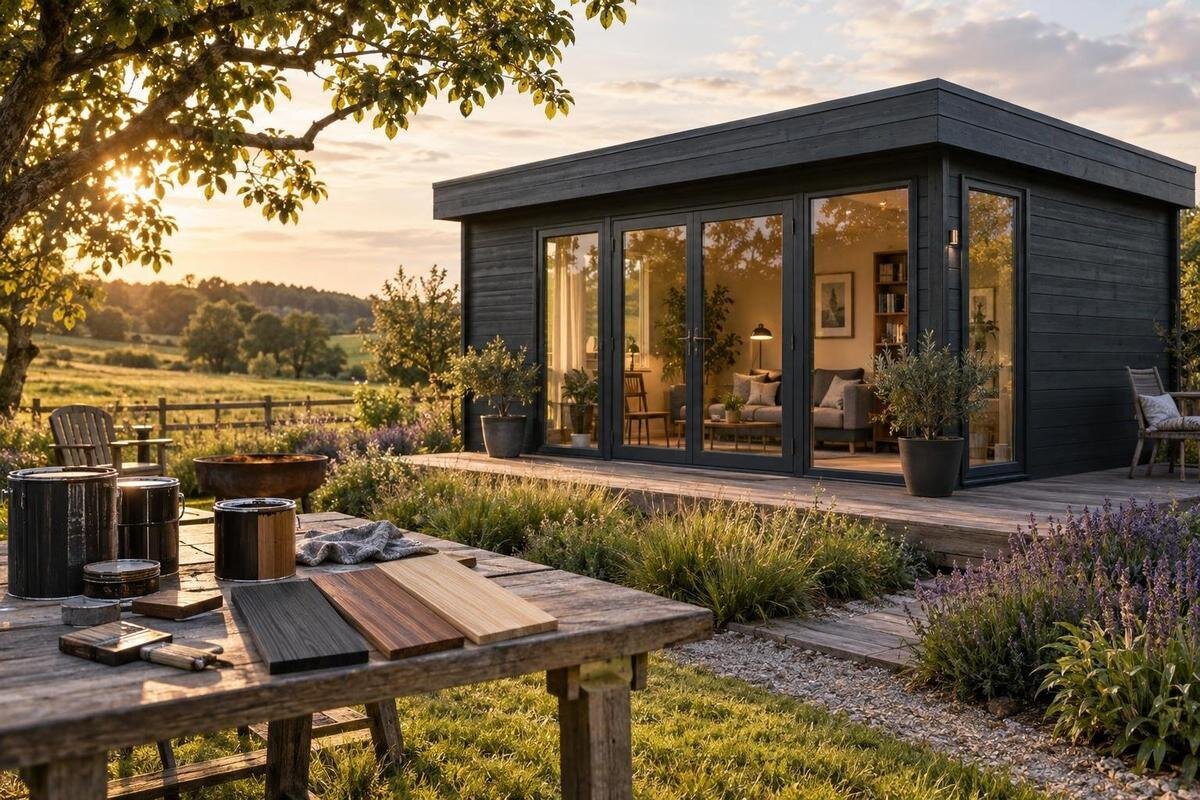
Choosing paint, stain or a clear finish for a garden shed is about more than picking a colour. The timber’s condition, any treatment already on it and the amount of upkeep you are willing to do all affect which option makes sense. These finishes differ in how much grain they show and how easily their condition can be judged, while actual outdoor performance depends on the specific product and its instructions. Before placing an order, establish what finish the shed will arrive with and what the coating is designed to go over. The comparison below helps you make those checks without assuming one finish suits every shed.
What each finish looks like
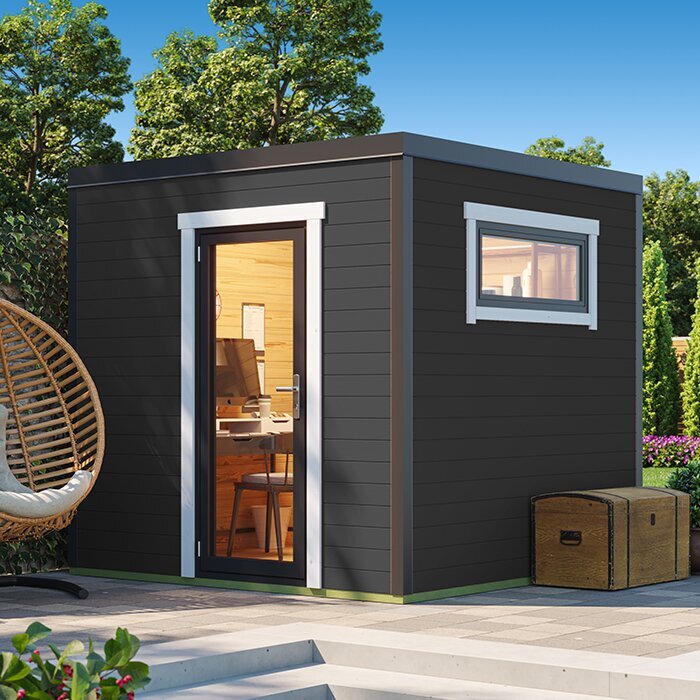
Paint is opaque: it lays a coloured layer over the timber, so the natural grain is largely hidden. A stain adds colour while allowing some grain to remain visible; the amount depends on the product’s opacity, and a heavily pigmented stain may cover more of the underlying variation. A clear finish has little or no visible pigment and leaves the grain on show, but it can still deepen the timber’s tone or add a sheen. These labels are most reliable as clues to appearance, not as a performance scale. Products sold as stains can penetrate the surface or form a film, so read their descriptions rather than relying on a single word.
The distinction matters when planning both the initial appearance and future changes. A colour that hides timber variation may be difficult to reproduce exactly in a small repair, while a transparent finish leaves knots and differences in colour more visible. Clear does not mean untreated, and stain does not always mean easy to renew. Outdoor protection depends on the formulation, the surface, the application and the exposure, not the category name alone. Compare the stated uses, coverage, coats and maintenance advice for the complete system, including primer where specified. Treat the finish as part of the shed’s care plan, not as a decorative extra that removes the need to inspect the timber.
Check the shed’s timber and supplied finish
Begin with the surface the coating will actually meet. A new shed might arrive bare, factory-treated or with a decorative coating, and older timber may already carry paint, stain, oil or another product. Do not infer its condition from a photograph or from a listing that simply describes the product as wooden. Ask the seller what has been applied, whether it is a temporary treatment or a final finish, and which faces or components it covers. If that information is not clear, pause before buying a topcoat: compatibility and preparation depend on what is already there.
Also separate the shed’s construction details from its finish details. A product name, image or category does not establish the timber type, whether it has been treated, or what the supplier recommends for a later coating. Review the exact variant and its current care information, and ask for clarification if needed. When comparing the Verdana 1 garden house listing, use it as a model-specific reference point rather than evidence that a particular coating is included. This check can prevent you from ordering a finish that is unsuitable for the delivered surface or overlooking a treatment that is already part of the specification.
Choosing opaque paint for a garden shed
Paint is a straightforward option when you want a solid, consistent colour and are happy for the timber grain to disappear beneath it. A particular shade may help the shed sit comfortably with the garden or house, but online swatches and printed charts are guides, not exact previews on your timber. The underlying colour and sheen affect how the result looks. A sample on a comparable surface is more useful than choosing from a screen alone; follow the paint maker’s advice about sampling and whether a primer or a particular number of coats is required.
Choose a product labelled for exterior timber and check that it is compatible with the supplied or existing surface. Most exterior wood paints form a surface coating, so cracks, peeling or poor adhesion in old layers can affect the new finish. An opaque colour can cover visual variation, but it cannot repair damaged timber or correct a moisture problem. Before matching a paint system to a specific model, use the Verdana 2 product page to confirm what the product information identifies about its surface and supplied finish. If it does not state a coating recommendation, ask rather than assuming the model name identifies an approved paint.
Choosing a stain when you want the grain to show
Stain is worth considering when you want to add colour without fully concealing the timber pattern. Transparent and semi-transparent products leave more grain variation visible; a more opaque stain may soften that variation, although it can approach paint-like coverage. Terms such as clear, translucent and solid vary between manufacturers, so check the product description and colour samples rather than treating those words as standard grades. If the timber has mixed tones, the finished colour may differ from the sample. A heavier pigment can make the colour appear more even, but the result still depends on the surface and the specific product.
Check that the product is intended for exterior timber and identify which existing finishes it can cover. Exterior stains differ in whether they penetrate the timber or form a film, so the word stain does not guarantee that a fresh coat can simply be added later. Coloured finishes can fade or wear unevenly across more and less exposed areas, making a maintenance coat harder to blend. Keep the product and colour details for future reference. For the Durano garden shed listing, establish the actual surface and supplied finish from the current product information before choosing a stain colour.
What to expect from a clear finish
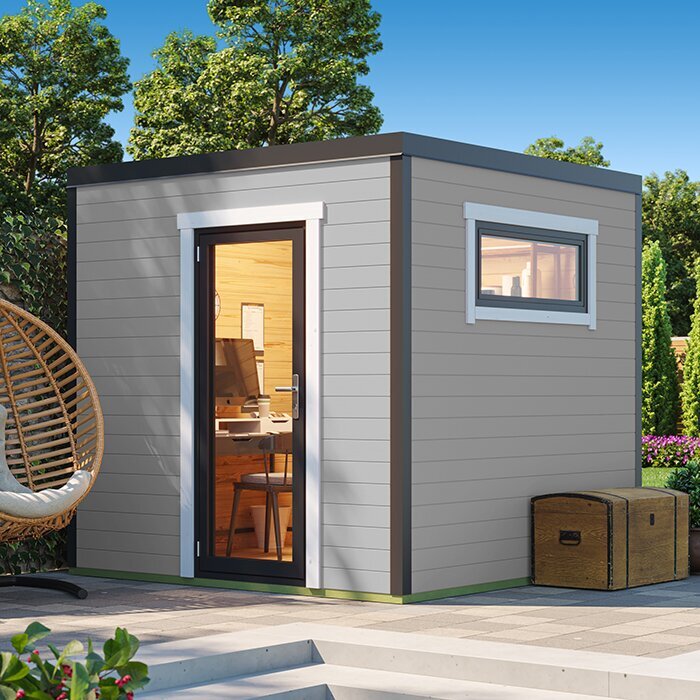
A clear finish suits a preference for visible grain and a natural-looking surface, but it may still make the timber look warmer, darker or glossier. The change can be less obvious in a product photograph than on the shed itself. Try a sample on a comparable piece of timber, if the product maker permits it, and consider whether you will be happy with the timber’s natural variation showing through. A clear coating is not the same as leaving wood untreated: it can add a surface layer, but its intended use and level of protection depend on the formula.
Check the label for exterior use and guidance on sunlight and maintenance. Some clear finishes include UV additives; others may offer little protection from sunlight. A transparent finish can allow more visible change from sun exposure than a pigmented product, but there is no universal performance rule for every formula. Check what the maker says about the specific product rather than treating clear as a guarantee of weather resistance. When reviewing the Veltor 1 product page, look for the supplied-finish and care details before deciding whether a clear coating suits the timber you will receive.
Exposure varies across a garden shed
The shed’s position affects what each face experiences. One side may be more sheltered, while another receives more direct sun, driving rain or splashback, depending on the garden. That can mean the finish ages differently across the same structure. Consider the intended location before choosing a colour or coating, and check that the product is approved for the exterior surfaces you plan to coat. Do not assume that a product suitable for one timber surface is suitable for every part of a shed; follow the maker’s directions for the areas it covers.
A coating is not a remedy for water collecting against timber, damaged joints or another source of persistent moisture. If the shed shows signs of a moisture problem, establish the cause before choosing a finish. Also check whether the coating guidance covers exposed edges or other surfaces that may need separate attention; do not invent an extra treatment where the maker has not specified one. For the Orello 1 garden house listing, use the exact product information to check the supplied surface and any care directions before comparing them with the exposure at your chosen location.
Existing coatings affect what can go on next
Compatibility is a buying decision because it narrows the products that can be used. A surface may be bare, previously painted, stained, oiled or treated in another way, and a new coating will not necessarily adhere or perform as intended over each of these. Look at the timber’s current condition and find out what earlier products were used where possible. Peeling, cracking or a visibly degraded layer is a sign not to treat the surface as a sound base for a new finish. This guide is about choosing a coating, not a step-by-step preparation method, so use the product maker’s preparation instructions for the surface you have.
Read the compatibility guidance for both the existing finish and the product you are considering. If the old coating is unknown, ask the seller, manufacturer or a suitable coatings professional instead of guessing. A small test area may help assess the colour and initial appearance when the product maker recommends one, but it is not proof of long-term performance. While reviewing the Modano 1 product page, check what the current information says about the supplied surface and care. Do not treat a model name or image as evidence that a particular new coating is compatible.
How maintenance differs between finishes
Think about the upkeep you can realistically manage as well as the look you want on day one. Paint can need attention when it cracks, peels or loses its appearance; a stain may fade or wear unevenly; a clear finish may become dull, cloudy or damaged, depending on its formulation. These are possible signs to assess, not automatic instructions to recoat. The important point is that each finish has its own maintenance guidance, and the product label or manufacturer’s instructions are more useful than a general rule about how often all sheds should be repainted or treated.
Plan to look over the finish periodically, particularly after rough weather, and pay attention to areas that show wear sooner than the rest. Keep the exact product name, colour and finish details so you can check what is compatible if a repair is needed. One coating may be easy to touch up in one situation and difficult in another, depending on the surface and how it has aged. When checking the garden tool shed M listing, look for any model-specific care information; if it is not stated, ask what maintenance guidance applies before selecting a finish.

Finish, coverage and other order details
Once you have chosen a type of finish, turn that choice into a practical shopping list. Check whether the shed is supplied with a coating and whether any separate product is needed. Use the finish maker’s coverage information and required number of coats to estimate the amount; do not rely on a generic calculation when the product’s surface area and absorbency are unknown. If the system calls for a primer or another component, include it only as specified. Also make sure you have the exact colour, product type and finish level you intended, as a sample or screen image may not show the result on your timber.
Keep the label and colour details after ordering so you can identify the same system for later care or repairs. Follow the maker’s storage directions for any leftover product rather than assuming it can be kept indefinitely. Before choosing a coating for the garden shed S listing, confirm what the exact order variant includes and what surface the supplied finish, if any, is intended for. If those details are not available, ask the supplier before adding a separate coating to your order. This is especially useful when the finish must be compatible with an earlier treatment.
Three questions that settle the finish choice
First, decide what you want to see. If you prefer a uniform colour and do not need the grain to show, compare suitable exterior paints. If you want colour with some visible grain, compare stains by opacity and sample colour. If you want the timber to remain visible with little added pigment, consider a clear exterior finish and check its sunlight guidance. These are appearance-based starting points, not promises about how long a product will last. Within each category, formulations and maintenance needs differ, so compare the instructions for the actual products you are considering.
Then ask what surface the shed will arrive with and what level of future care you are willing to take on. A finish that looks right but is incompatible with the timber or an earlier coating is not a practical choice. Before ordering, make sure the product is intended for the relevant exterior surface, confirm any required components, and understand the stated maintenance. If an important detail is unclear, get it clarified rather than choosing based on a photograph or an assumption about the model. That leaves you with a finish selected for both the appearance and the care you can manage.
Frequently asked questions
Can I paint over a stained garden shed?
Only if the paint system is suitable for the existing stain and the surface is prepared as its maker requires. Stains differ in how they sit on timber, so there is no universal rule. Check the products’ compatibility advice and do not coat over a layer that is peeling or otherwise failing.
Is a clear finish suitable for outdoor timber?
It can be, but clear does not automatically mean suitable for exterior use or resistant to sunlight. Check the label for its intended use and maintenance guidance. Some clear finishes include UV additives; others may offer little protection from sunlight, so appearance alone is not a reliable guide.
Which finish needs the least maintenance?
There is no finish that needs the least upkeep in every setting. Products, timber surfaces and exposure all vary. Compare the maker’s maintenance guidance and the signs of wear for the specific product. Choose a look you are willing to maintain rather than relying on a general claim that one finish lasts longest.
Can I apply stain over paint?
A penetrating stain generally cannot work as intended over an intact paint film because it cannot reach the timber. Some products described as stains behave differently, so check the manufacturer’s compatibility instructions. Do not apply a new finish over paint without confirming whether removal or another system is required.
Does a garden shed come painted or treated?
That depends on the model and the exact order variant; do not assume a particular finish is included. Check the current product information and ask what has been applied and which surfaces it covers. This also helps you identify a compatible product for any later coating.
Choose by working from the surface outwards: confirm what timber and earlier coating you are dealing with, decide whether you want an opaque colour, visible-grain colour or natural-looking clear finish, then compare products intended for those conditions. Finally, weigh the look against the stated upkeep and check what the ordered shed actually includes. Paint, stain and clear finishes can all be suitable when the product and surface are compatible; none removes the need to inspect the timber over time. A clear understanding of the supplied finish makes the purchase easier to plan and later care less uncertain.
