
Plan a Greenhouse Layout for Easier, More Enjoyable Gardening
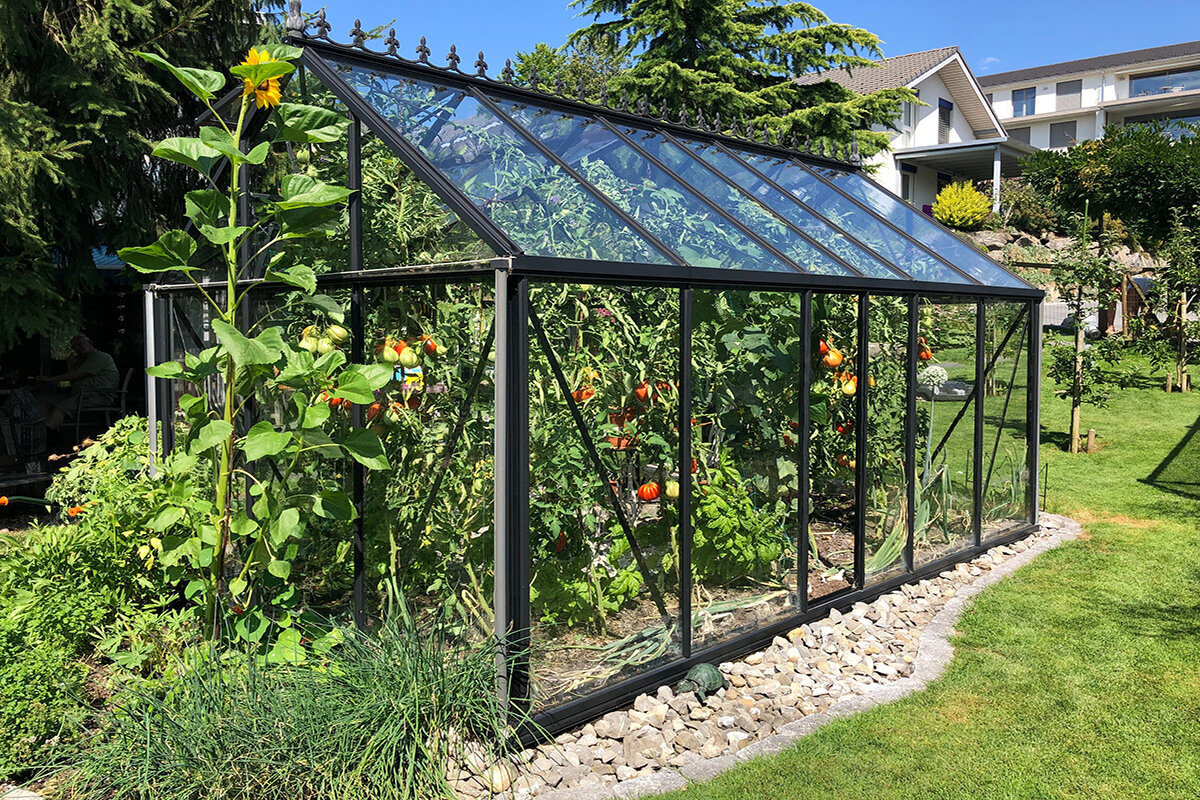
Planning an aluminium greenhouse around the way you garden creates a productive, comfortable space. Distinct places for crops, circulation and storage simplify routine work, support healthy growth and keep the interior welcoming. The guidance below covers planting positions, easy movement and decorative choices for Irish gardens with varied local conditions.
First, read the structure and site
Before choosing beds, containers or benches, note the greenhouse’s shape, measurements and fixed features. Aluminium construction is durable and adaptable for varied planting, but interior length, breadth and headroom set practical limits. Measure carefully, then reserve room for crops, movement and storage. Because Irish weather varies by location and exposure, observe daylight, prevailing wind and seasonal temperatures in your own garden.
Points to consider:
- Light: Match each crop to a position with suitable daylight. The rear and side positions often suit taller growth; reserve the front for shorter crops so unwanted shade is reduced.
- Ventilation: Healthy growth depends on moving air. Leave ventilation openings unobstructed, arranging tall plants and dense foliage so air can pass across the interior.
- Watering access: Keep every bed and container within comfortable reach of water. If regular hand-watering is awkward, irrigation may help streamline the job.
Give different areas a purpose
Assigning clear functions to sections of the greenhouse helps you care for crops whose needs differ. Seedlings could occupy one section, established specimens another, while vegetables or flowering plants with particular conditions have their own place. As the growing season changes, an organised plan also makes it simpler to adjust how each section is used.
Ideas for zoning:
- Temperature areas: Put crops with matching warmth preferences in one section: heat-loving plants can then be managed apart from those favouring cooler air.
- Moisture areas: Group plants that need frequent watering, separately from varieties that are happier in drier growing conditions.
- Height areas: Use eventual plant height to decide positions, balancing available daylight with comfortable access for tending.
Paths and practical access
Unobstructed routes make greenhouse work more comfortable. Decide what must travel along each path—tools, a wheelbarrow or a trolley—and allow enough width. You should reach every zone without pressing against leaves or harming crops. Mark the routes while the interior is empty; finding room after beds and pots arrive is harder.
Path ideas:
- Central aisle: Running the principal aisle down the centre can put each part of the greenhouse within convenient reach.
- Side paths: Slimmer routes beside individual beds allow close access when tending crops or gathering produce.
- Raised beds: Beds raised next to an aisle may drain better and reduce the need to reach down when caring for plants.
Make room for character
Function should lead, yet a pleasing interior makes the greenhouse more inviting. Combine colours, leaf textures and plant forms to give the view balance and rhythm. A thoughtful display can turn a hardworking garden space into an attractive feature without weakening the practical growing plan.
Design ideas:
- Colour combinations: Choose plants with colours and leaf textures that complement one another for a more cohesive, harmonious display.
- Grow vertically: Use climbing plants and shelving for potted specimens to make use of vertical room. It adds interest while preserving valuable floor space.
- Decorative touches: Introduce character with one considered feature, such as seating, a small sculpture or water element, provided it does not impede gardening.
Work upwards as well as outwards
Floor area is only part of the capacity available inside an aluminium greenhouse. A robust frame offers opportunities for baskets overhead, shelving and planters arranged in levels, spreading cultivation upwards. Using several heights lets additional crops fit comfortably while preserving an uncrowded working area below.
Ways to reclaim floor area:
- Hanging baskets: Hanging baskets suit plants with modest root space needs and leave valuable ground-level room for larger pots or beds.
- Shelving units: Shelving provides a home for small plants, containers and equipment. Choose adjustable versions so the arrangement can evolve with your crops.
- Planters with several levels: By stacking growing positions, a tiered container accommodates several specimens on little floor area—an advantage where the greenhouse footprint is limited.
Good planning reconciles three things: the room available, the needs of your crops and the atmosphere you want. Measure before arranging zones, protect the routes used for gardening and look upwards for extra capacity. The result can be an attractive aluminium greenhouse that is easy to work in, whether you are beginning your first growing season or bringing years of experience, while plants receive suitable conditions for healthy development.
