
How to Plan Task Lighting and Ambient Light for a Garden Shed
Garden shed lighting
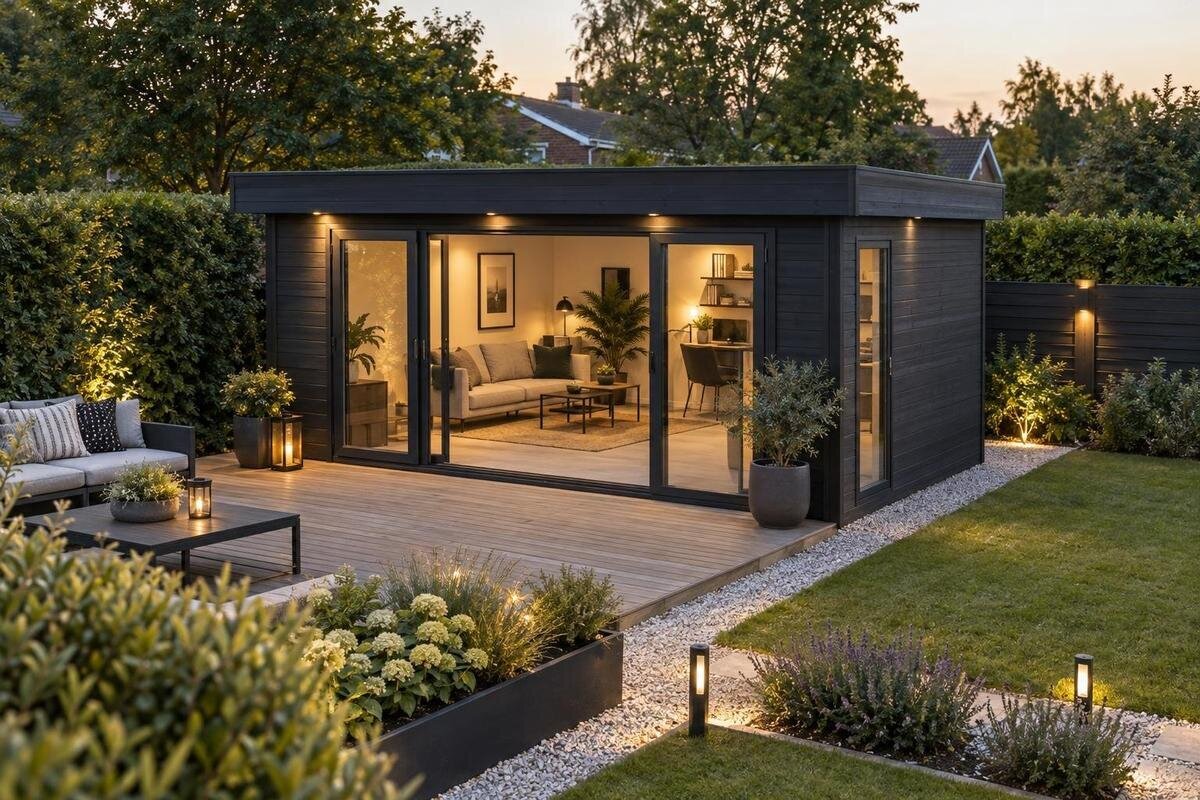
Planning garden shed lighting begins with what you will do inside, not with a list of fittings. Potting plants, sorting tools and carrying out close work at a bench call for different kinds of light, and you may use the shed when daylight is fading. A useful plan combines light that reaches a particular task with gentler general light for moving around. It also accounts for windows, the intended layout and how power will be supplied. Thinking through these points before ordering a garden shed helps you compare product information on practical grounds and decide which lighting questions need a qualified electrician’s input.
Work areas and the jobs they serve
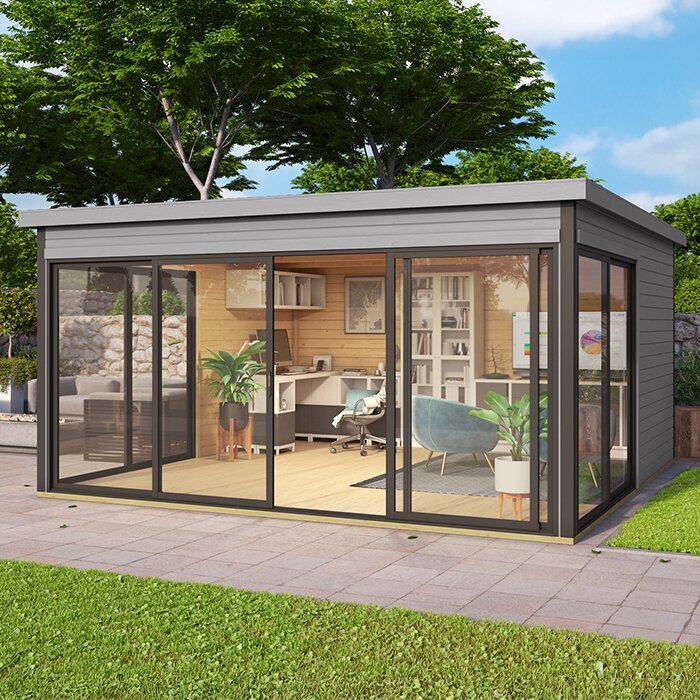
List the jobs you expect to do in the shed, rather than choosing lights from a room photo. Sorting tools or retrieving stored items calls for clear general visibility; close work such as potting, repairing or measuring needs light on a smaller area. Note which tasks are regular, which are occasional and whether you expect to do them in the morning, during daylight or after dark. A detailed job may need a more carefully aimed source than a quick search for an item. This list shows where a focused beam is useful and where softer overall light will do, helping you avoid fittings that do not illuminate the places you actually use.
On a rough sketch, mark the door, storage, work surfaces and the positions where you will stand. Include the route between them: a well-lit bench does not solve a dark path to the tools. Note which jobs need both hands free and where your body might cast a shadow over the work. If one area serves several purposes, decide which activity matters most and whether a movable lamp could cover the rest. This map gives you a practical way to compare a shed’s usable layout with your needs. Mark tasks by priority to distinguish essential coverage from lighting that would simply be a welcome extra.
Daylight changes across the day
Natural light changes with time, cloud and season, so treat it as a useful layer rather than the only source. A window may brighten the area beside it while leaving a wall, shelf or worktop in shade. Trees, fences and nearby buildings can also affect the light reaching a proposed site, and a small change in position may alter the result. Think about when you are most likely to work there and whether essential jobs would remain visible if the sky is dull or daylight is fading. Do not assume that a photograph or the presence of glazing guarantees useful light across the whole interior.
When reviewing the layout for a candidate such as the Verdana 1 garden house, confirm where the doors and glazed openings sit in relation to your work areas. Use the exact product details or a plan supplied by the seller; do not infer window positions or light levels from the model name. If drawings are unclear, ask what is included in the configuration and where each opening is. That information helps you place a bench without blocking daylight and judge which artificial lights may be needed at the back of the room. If the shed location is still flexible, consider how shade at the site could affect the plan.
Task lighting at the work surface
Task lighting should reach the point where a job is done, rather than merely making the ceiling brighter. A bench used for close work often needs a controllable, directional source so hands or tools do not shade the detail. Think about whether you stand, sit, lean over or move along the surface, and where your head would be relative to the beam. Aim to reduce both strong shadows and direct glare in your line of sight. If work shifts from one spot to another, a suitable portable or adjustable lamp may be more flexible than fixing the task area in one place.
When comparing lamps, look beyond a broad claim such as ‘bright’. A high-output source with a narrow beam can leave part of a long work surface poorly lit, so compare the maker’s information on output, beam spread, colour appearance and adjustment with your own task. If you need to distinguish colours or finishes, look for colour-rendering information; no single specification is ideal for every job. Keep the work surface on your sketch beside the layout for the Verdana 2 garden house and confirm the space and permitted fitting options before choosing a fixed lamp. A model label cannot show how light will fall on a bench.
Ambient light across the room
Ambient light is the general layer that lets you enter, move around and locate everyday items without relying on one narrow beam. It should make the room easy to read, rather than leaving a bright pool at the bench surrounded by dark corners. Think about circulation: the doorway, the route to storage and any area used for general jobs. A broadly spread source can soften sharp changes in brightness, while a task lamp supplies direction for close work. ‘Soft’ should mean comfortable and controlled, not so faint that ordinary movement or finding equipment becomes awkward.
Choose this layer with the room’s shape and openings in mind. Shelving, tools and equipment can interrupt an even spread, so picture the shed as it will be used rather than empty. A ceiling source alone may not reach every corner; inspect the stated dimensions and opening layout instead of assuming one fitting will cover the lot. For a candidate such as the Durano garden shed, the product name is not evidence of interior light levels. Check the exact drawings or ask the seller about the configuration, then match general lighting to the route and storage arrangement. Notice any reflective surfaces that could send glare into your normal line of sight.
Controls for task and ambient lights
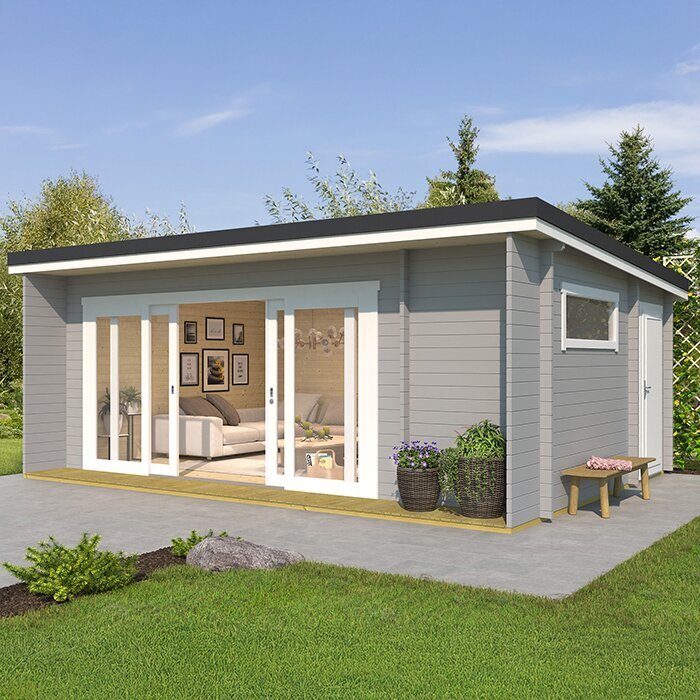
Separate control of task and ambient layers can make the plan easier to use: general light can serve movement while a focused source is added for bench work. Decide whether you would prefer one simple control or separate zones for different parts of the shed; more controls are only useful if they match real tasks. Dimming may help where it suits the lamp, but a dimmer and light have to be compatible, so do not assume every fitting can be dimmed. Consider whether controls can be reached on entry and whether you need to switch the task light without crossing the room. These are choices to describe, not wiring instructions.
Put intended control points on the same sketch as the light positions so a qualified electrician can assess the arrangement if you plan fixed lighting. If Veltor 1 is on your shortlist, use confirmed information for that exact option when noting where general and task lights would be most useful; the model name says nothing about controls or electrical provision. Ask the seller what the chosen configuration includes, and ask the electrician which control arrangement is suitable. A simple, clearly labelled plan can also prevent a later change in bench position from making a switch inconvenient.
Power choices: mains, battery or solar
Choose a power method according to how often you use the shed, where it will stand and what lighting you need. A fixed mains arrangement can suit regular use, but planning and installation belong with a qualified electrician who can assess the site and proposed fittings. Battery-operated lights can be moved without a fixed supply at each light, but check the stated run time, charging or replacement requirements, and whether the lamp will be ready when needed. Solar options depend on the panel’s access to suitable daylight and on the maker’s performance information. A panel in shade may not meet the same need as one with better exposure, so consider the proposed position carefully.
Compare the full ownership implications rather than the purchase price alone: consumables, charging arrangements, compatible components and any professional work can affect convenience and total outlay. If the Orello 1 garden house is among your options, check the confirmed configuration and where it will stand before deciding which power source is practical. Do not assume the shed includes wiring, fittings or a suitable mounting point unless the product information explicitly confirms it. Where fixed electrical work is planned, settle the approach before ordering accessories and have the proposal assessed professionally.
Fitting positions within the layout
Plan light positions around door movement, shelves, hanging tools and the height at which people will work. A task source hidden by an open door or stored item will not serve its intended job; a fitting in a route could be knocked, and a portable lamp or its lead could become an obstruction. Keep portable lighting clear of trip paths and areas where it could be exposed to moisture, and choose equipment intended for the setting. Check for glare from normal standing positions, not only from an empty-room sketch. These are layout considerations; the method of attaching or connecting a fitting should follow professional advice and the maker’s information.
Before buying, establish whether the planned lights can be supported at the chosen positions, and whether the shed surface, lining or interior arrangement needs particular provision. Those details vary and cannot be inferred from a photograph. For Modano 1, as with any shortlisted model, confirm the exact specification and request guidance on fitting limitations rather than assuming a wall, roof or other surface is suitable. If the plan depends on concealed wiring or structural support, coordinate it with the seller or builder and a qualified electrician before work begins. A modest change in lamp position may be simpler than altering the building later.
Compare garden sheds using confirmed details
Lighting is one reason to compare actual garden shed layouts, not just exterior appearance. Check stated internal and external dimensions, the positions and types of openings, and whether the configuration matches your sketch. Consider the clear space needed for a worktop, storage and access to both, and whether an opening or shelf could cast a shadow over the job. Ask whether alternatives shown online are standard or optional, and make sure you are comparing the same configuration. A product image can help identify a style, but it cannot replace measurements and written details. If a drawing does not make clear which dimensions are internal, ask before using it to plan the room.
Use these questions when reviewing the Wooden Garden Tool Shed M or another candidate: can the work area be placed where task light can reach it, will general light cover the route, and do the openings support the daylight plan? Confirm the answers against dimensions, drawings and seller information; do not infer them from a model name or a styled interior. If relevant details are not supplied, ask before purchase. This makes the comparison about fit with your intended use instead of assumptions about an unnamed feature. Keeping the same sketch beside each set of product details also makes differences easier to spot.
Details to settle before ordering
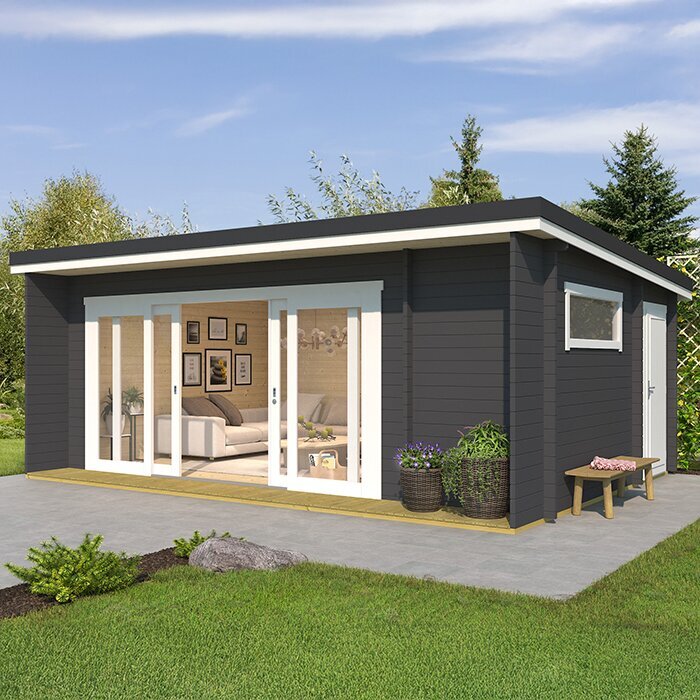
Before placing an order, write down the exact shed model and configuration, the lighting approach you intend to use, and anything that still needs confirmation. Ask what is included in the building and what is separate; do not assume that lights, lamps, wiring, controls or mounting accessories are part of the order. Check whether the product information supports the openings, position and interior layout on your sketch. If a specification or drawing is unclear, request clarification so the person planning the electrical work can refer to the same confirmed details. If you are comparing variants, make sure the information applies to the one you plan to order.
Include practical ownership points in the decision: access to the proposed location for the chosen power option, a suitable place for any battery charging, whether parts can be replaced according to the maker’s instructions, and who will coordinate fixed work. A budget should account for the shed and the lighting components or professional services you choose, without treating an unconfirmed accessory as included. If the Wooden Garden Shed S is a candidate, confirm the exact model details and ask any unanswered layout questions before committing; its name alone cannot establish suitability. Keep the plan and replies with your order information.
Review the plan against everyday use
Review a typical work session, from opening the door to putting tools away. Imagine each task in its real position, then check whether general light lets you move around and focused light reaches the work without a hand, shelf or person throwing a shadow. Include the areas you use briefly, such as reaching a stored item or returning equipment, rather than planning only for the bench. If you can inspect the intended site, consider the daylight at times you expect to use the shed; otherwise treat daylight as variable and plan a dependable alternative.
Leave some flexibility if your activities may change. A movable task light can follow a relocated bench more easily than a fixed source, while the general layer should still make the room easy to navigate. Before buying equipment, check its intended use, controls and maintenance information, and keep the instructions for later reference. If a change would affect fixed wiring, a fitting attachment or the building itself, get professional advice rather than improvising. The finished plan should describe what you need from the shed as well as from the lights, so you can compare both against the same priorities.
Frequently asked questions
Do I need both task and ambient lighting in a garden shed?
They serve different purposes. Task lighting focuses on a work surface, while ambient lighting helps you move around and find things without relying on a single bright spot. The right balance depends on the jobs, the layout and the daylight available. The two layers do not necessarily need separate fittings if a suitable design can provide both.
Can windows replace artificial lighting?
Not reliably. Daylight varies with the time of day, weather, season and anything casting shade near the shed. A glazed opening may brighten one area and leave another in shadow. Plan for artificial light wherever you need to work or move around when daylight is limited, and check the opening positions on the exact shed layout.
How bright should task lighting be?
There is no single brightness that suits every job. Consider the size and detail of the work, how far the lamp will be from it, and whether the beam will cover the whole surface. Compare the maker’s information on light output and distribution with your intended task, and check colour-rendering information if distinguishing colours matters.
Are battery or solar lights suitable for a garden shed?
They can be options, depending on how often you use the shed and where it will stand. For battery lights, check the stated run time and charging or replacement requirements. Solar performance depends on the panel’s access to suitable daylight, so check the maker’s information and the conditions at your site. Consider a different arrangement if reliable light is essential.
Who should advise on fixed lighting?
Ask a qualified electrician to assess any fixed electrical plan, including the proposed fittings and controls. The shed supplier or builder can clarify details about the chosen building and its configuration, but that does not replace electrical advice. Do not treat a lighting plan or product photograph as instructions for wiring or fitting electrical equipment.
Good garden shed lighting is less about fitting as many lamps as possible than about putting light where the work and movement actually happen. A list of activities, the confirmed shed layout and a decision about daylight and power give you a sound basis for comparing models and accessories. Pair focused task lighting with comfortable ambient light, check product details rather than relying on names or photographs, and bring a qualified professional into any fixed electrical plan. That way, the shed and its lighting are chosen to suit the use you have in mind.
