
Polytunnels: A Practical Guide
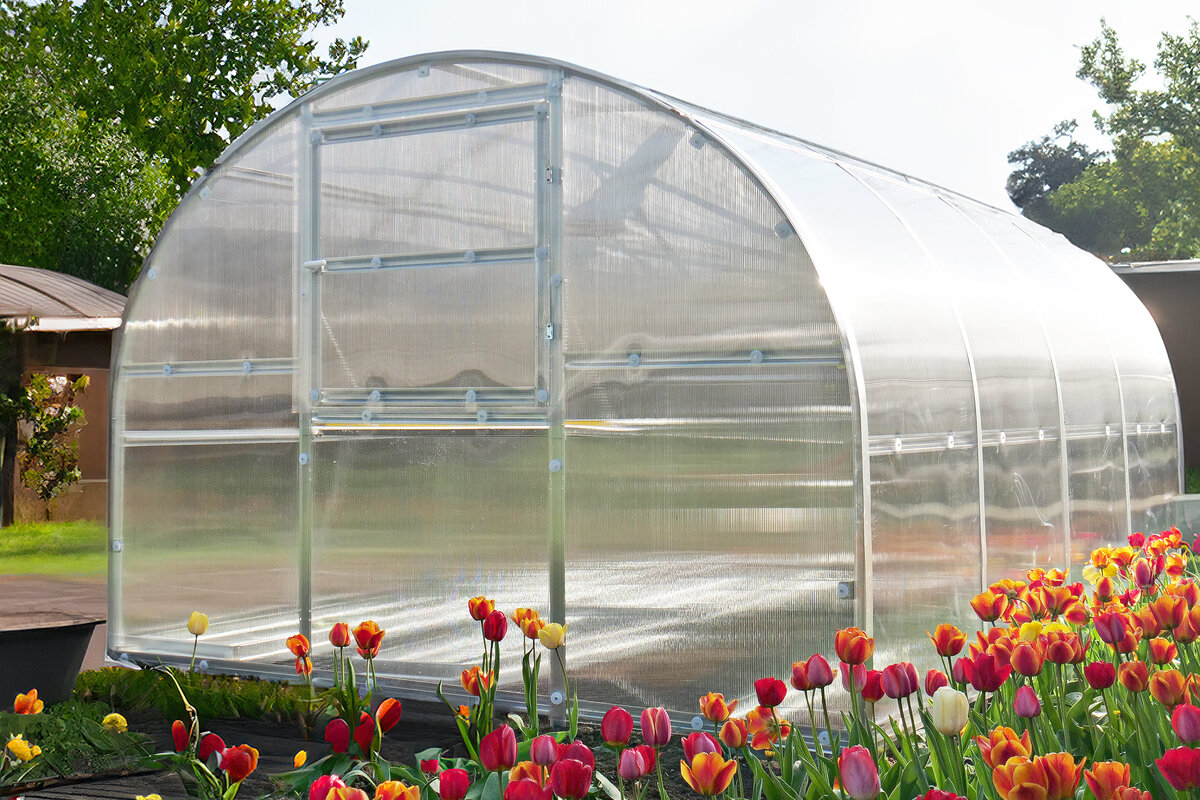
Gardeners and growers use polytunnels—also called tunnel greenhouses or high tunnels—as an economical means of gaining more useful growing time and buffering crops against unsettled conditions. Their construction is plainer and generally cheaper than that of a conventional greenhouse, yet it brings substantial benefits. Below, we look closely at their operation and practical advantages.
What are polytunnels?
Curved steel hoops form a polytunnel and carry a polyethylene skin. By retaining heat and humidity, that cover gives plants a managed, sheltered setting. Polytunnels, unlike conventional greenhouses, normally omit added temperature-control systems such as heaters or cooling units. Air movement is usually provided naturally, which appeals to people seeking an uncomplicated structure for cultivation.
Benefits of polytunnels
- Longer season: Protection from the first frosts and excessive rain gives plants a longer productive window. This can be especially helpful when raising heat-loving tomatoes, cucumbers and similar crops.
- Flexible placement: Because they are versatile, these structures are relatively easy to relocate elsewhere in a garden or on a farm. In contrast with fixed greenhouses, their dimensions, siting and role can be adapted as the seasons or crop rotations change.
- Low maintenance: Polythene covers and other polytunnel components can be replaced when needed. In general, they demand less upkeep than greenhouses made from glass or polycarbonate.
- Ventilation: Doors opening on each end allow air to pass through the tunnel. This circulation curbs excessive heat and supports a healthier environment around the plants.
Best uses for polytunnels
A wide selection of plants can be raised under polythene. In Ireland’s variable Atlantic climate, good shelter needs to be balanced with ventilation and drainage; crops preferring warmer conditions may benefit. Popular tunnel choices include peppers and strawberries, alongside cucumbers and tomatoes. Rosemary and basil suit the setting too, as can fruit trees including peaches and apricots.
Why choose us?
At Bloomcabin , we supply polytunnels chosen for a variety of growing requirements, helping gardeners establish favourable conditions for their plants. Across our greenhouse selection, sound materials meet sturdy construction and keen pricing, offering lasting value for a garden, allotment or larger growing area.
Conclusion
When greater flexibility and more productive months are the goal, a polytunnel makes a strong choice. Bloomcabin’s quality tunnels provide crops with useful cover in every season, subject to appropriate siting and ventilation. Discover dependable options that can move your gardening forward while delivering worthwhile quality at a highly competitive price.
