
A Practical Greenhouse Buying Guide for Irish Gardens
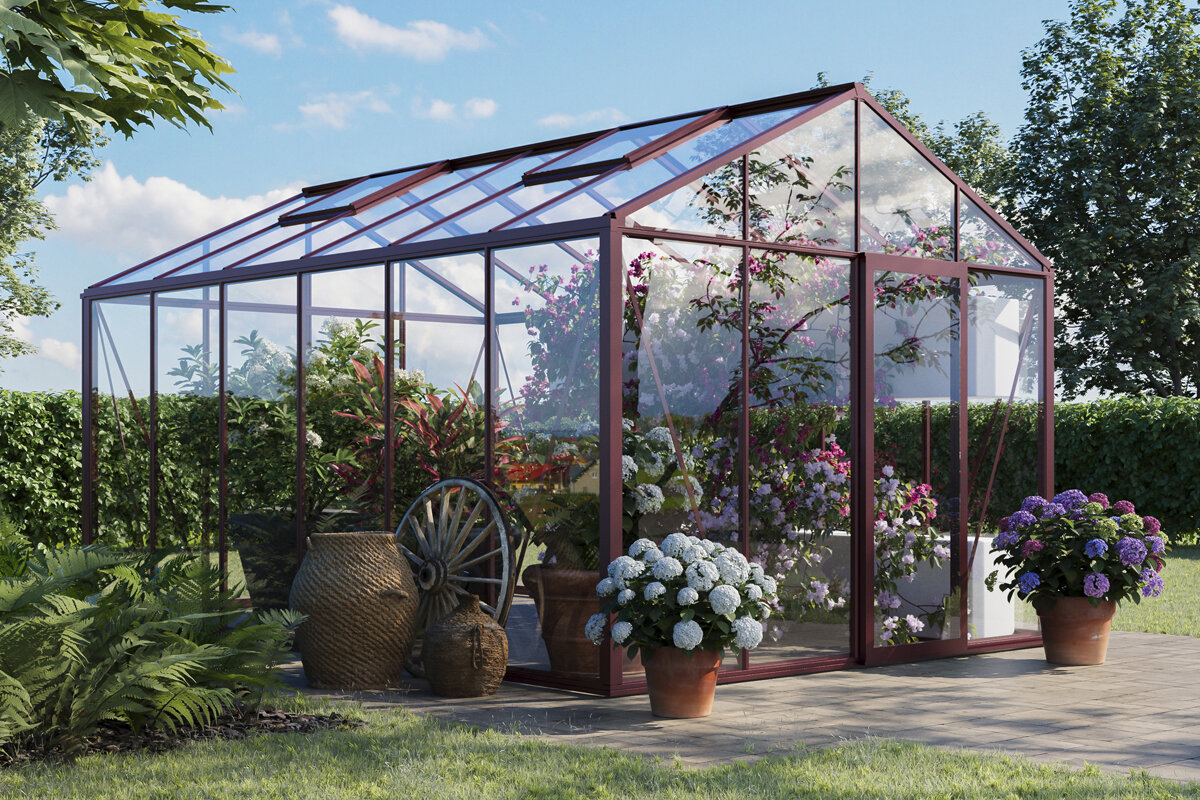
A Practical Guide to Buying Your Greenhouse
Introduction With shelter and closer control of growing conditions, a greenhouse can widen the range of plants raised through the seasons. It suits keen home gardeners and professionals alike, but the design must match its purpose. This guide sets out the practical matters to weigh before purchasing.
Why choose a greenhouse? Glazing shelters crops from bad weather and can limit exposure to pests and disease. This protection lengthens the cultivation season, making plants that struggle locally outdoors more achievable. A greenhouse may also complement the garden and potentially enhance the property’s value.
Key considerations when buying a greenhouse
- Footprint and growing room: Match the dimensions to your plot and planned crops. Think ahead to possible expansion and to the varieties you hope to raise. Extra floor area gives you more scope for benches and planting, although the structure will occupy more ground and demand a higher outlay.
- Materials and durability: Frames typically use aluminium, timber or galvanised steel. Aluminium is light, durable and resistant to rust, hence its popularity. Select a construction able to handle the weather and exposure of its intended position.
- Glazing choices: The covering influences incoming light, heat retention and durability. Typical materials are:
- Polycarbonate: Gives useful insulation and does not shatter.
- Glass: Admits light very effectively, though it is breakable.
- Acrylic: Lightweight, durable and good at diffusing light.
- Ventilation and climate control: Airflow keeps heat and moisture levels manageable. Adjustable roof vents, louvres and extraction fans are worth considering. Automatic controls reduce routine attention while helping preserve suitable conditions as Irish weather shifts.
- Ease of installation: Review the work involved before ordering. Clear directions and factory-drilled parts can make some kits easier to assemble. With a substantial or complicated build, ask whether skilled installation is offered and confirm its location coverage, price and schedule.
- Budget and cost: Cost varies considerably according to dimensions, construction and equipment. Plan for the initial order together with likely extras, including groundworks, staging and any environmental-control equipment.
Useful extra features
- Shelving and benches: Staging helps organise pots, uses vertical room effectively and simplifies tending. Adjustable shelves and benches also provide flexibility for specimens of varying heights.
- Watering systems: Timed watering, including drip systems, reduces manual work and keeps moisture more even. Check for built-in equipment or provision to connect a separate setup.
- Heating systems: Cold spells may call for supplementary heat. Electric, gas or solar-powered systems are among the possibilities. Base the selection on local conditions, your available energy supply and the amount you intend to spend.
- Shading solutions: Intense sunshine may harm crops. Retractable blinds and shading fabric let you moderate light and help stop temperatures rising excessively.
Buying process, stage by stage
- Define your requirements: List the crops you plan to raise, measure the plot and settle your spending limit. Consider where the structure belongs within the overall garden design.
- Research and compare: Examine alternative designs, construction materials and equipment. Consult buyer feedback, specialists and gardeners who already have relevant experience.
- Check local requirements: Before work begins, ask the relevant Irish planning authority and building-control body what applies. Exempt development is subject to conditions, so the answer depends on the proposal and site.
- Select the site: Look for adequate daylight, free-draining ground and practical connections to water and power. Keep clear of overhanging mature trees and hollows liable to flood. Because Irish conditions vary, assess wind exposure and give proper thought to shelter, airflow and drainage.
- Buy and assemble: After ordering, use the maker’s directions throughout assembly. Where specialist help seems necessary, ask whether installation can be provided, and establish the area served, price and timing first.
- Personalise and equip: Add benches, shelves, irrigation and other accessories so the interior serves your chosen crops and working methods.
Looking after your greenhouse Routine care helps keep a greenhouse safe, productive and in good condition. Important tasks include:
- Cleaning: Wash the panes routinely so they continue admitting plenty of light.
- Repairs: Attend to cracked panels and faulty frame parts promptly.
- Pest management: Use appropriate preventive and control measures against insects, other pests and plant disease.
- Climate monitoring: Check temperature and humidity with a thermometer and hygrometer, adjusting conditions whenever required.
Conclusion A greenhouse can make gardening more productive and pleasurable. Weighing dimensions, frame and covering materials, ventilation and optional equipment will help you identify a design suited to your plans and finances. Thoughtful siting, correct assembly and consistent care protect its usefulness over the long term. Browse the Bloomcabin greenhouse range when you are ready to shape a practical place for raising plants.
