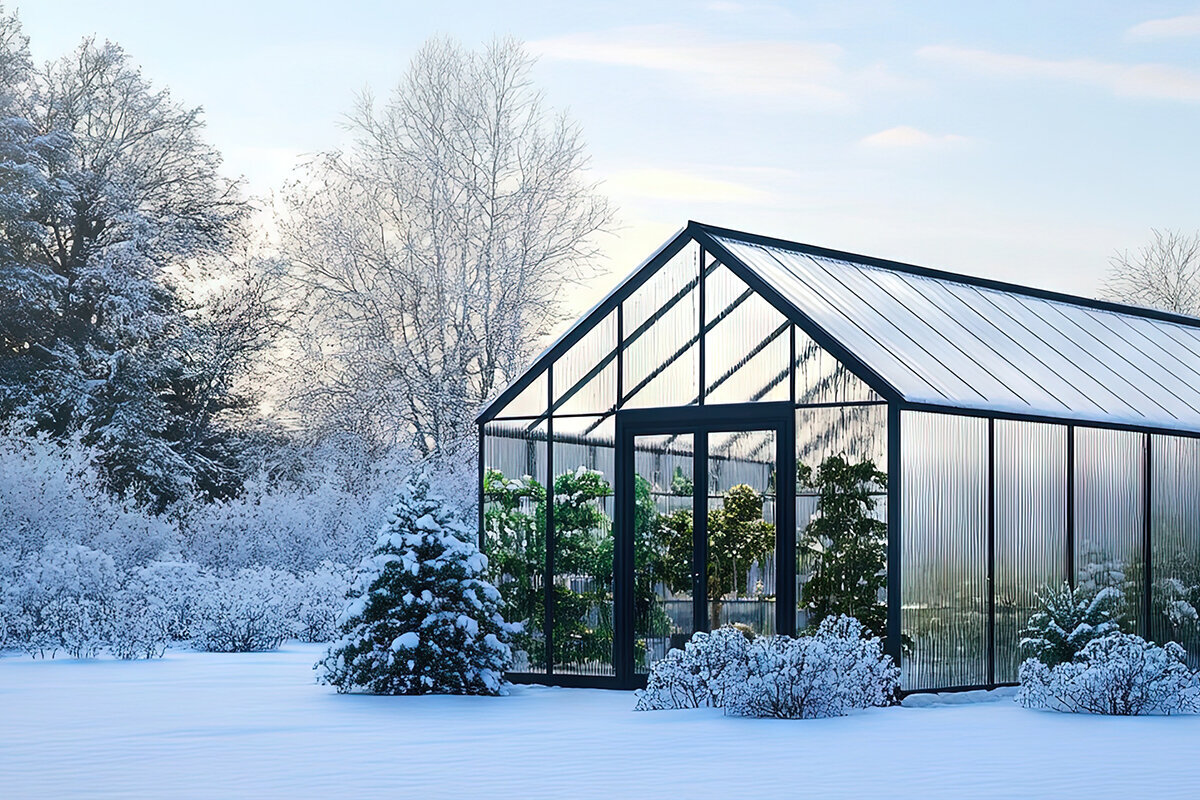
Before colder weather settles in, give the greenhouse a thorough seasonal check so its structure remains sound and plants have dependable shelter. Good preparation reduces frost exposure and supports a steadier microclimate for cultivation. The following practical steps cover the main jobs for an Irish winter. They suit gardens equipped with a premium aluminium greenhouse , as well as those using a traditional design. Each measure helps safeguard the structure and keep it useful in every season.
1. Begin with a Thorough Clean
- Remove spent growth and waste: Remove spent plants, fallen leaves and waste that may harbour pests or disease.
- Clean every surface: Wash walls, glazing and work surfaces with warm soapy water.
- Check for pests: Inspect the greenhouse for insects or pests and deal with any infestation promptly.
2. Inspect and Repair
- Look for cracks and gaps: Examine frames, panels and seals for any damage.
- Strengthen weak areas: Repair or reinforce loose joints and damaged panels.
- Renew cracked panes: Fit new glass or polycarbonate panels wherever breakage could let warmth escape.
3. Improve Insulation
- Add horticultural bubble insulation: Fix purpose-made bubble material to the inside surfaces.
- Stop draughts around openings: Apply draught-proofing strips at doors and ventilators.
- Fit a thermal curtain: This adds insulation, particularly in larger greenhouses.
4. Ensure Effective Heating
- Install a heater: Choose from electric, gas-fired or paraffin greenhouse heaters.
- Control heat thermostatically: Set it to maintain the chosen temperature.
- Make the most of sunshine: Keep glazing clean to maximise available daylight and solar warmth.
5. Improve Ventilation
- Fit self-opening vents: Automatic opening moderates heat and moisture levels.
- Circulate air with fans: Moving air spreads warmth evenly and discourages mould.
6. Grow Winter Vegetables
- Rotate crops: It limits diseases carried in the soil.
- Choose raised beds: They offer roots extra protection from cold conditions.
7. Give Plants Extra Shelter
- Cover tender specimens: Use horticultural fleece or cloches during cold spells.
- Group plants together: A small microclimate can help retain warmth.
- Avoid overwatering: It helps prevent root rot.
8. Review Supplementary Lighting
- Add lighting where needed: LED or fluorescent lamps can extend limited natural daylight.
- Position lights well: Ensure even coverage for healthy plant growth.
9. Put Tools and Supplies in Order
- Prepare equipment before storage: Keep sharp, clean tools in a dry place.
- Top up supplies: Keep seeds, fertiliser and appropriate pest-control supplies ready.
10. Consider Winter Equipment
- Guard against snow: Limit excessive snow build-up across the greenhouse roof.
- Seedling heat mats: They can support seed germination.
- Use cold frames: They provide extra insulation inside the greenhouse.
11. Maintain Regularly
- Track the growing environment: Keep a thermometer and hygrometer in the greenhouse.
- Remove snow: Clear settled snow to reduce the risk of structural damage.
- Reduce condensation: Wipe down surfaces regularly.
12. Prepare for Disruptions
- Power-cut provision: Have a generator available if electricity fails.
- Spare insulation: Keep additional bubble wrap within reach.