
Replace windows and doors before selling your home?
Planning your selling decision
Imagine preparing for viewings while several window finishes are flaking, the patio door catches and the entrance appears tired beside the newly decorated hall. New units might strengthen the presentation, yet they are not always the wisest use of money. Ask instead whether the existing condition may concern buyers, whether the proposed design and extent fit the property, and whether every fitting detail can be finished before advertising begins. A successful scheme should make the home feel considered, not leave isolated modern pieces among neglected work. If retaining the units, describe shortcomings openly, reflect them realistically in the asking strategy and avoid an unfinished building job. Use this guide to weigh selective replacement against repair or an as-is sale.
Replacement check 1
Start with the visible and practical condition
Age by itself does not make a window a barrier to selling. Viewers can usually tell the difference between older joinery that has been cared for and units that hint at expense or inconvenience. Inspect the property from both sides during daylight. Look at frames, coatings and seals, then operate every sash and door. Note staining, cracking, damp traces around junctions and improvised fixes. Also identify the openings that dominate the arrival, principal rooms and garden outlook, rather than recording defects alone. A reluctant cellar window will usually matter less to the presentation than a front door that sticks or feels uncertain as soon as somebody enters.
Sort your findings into three groups. Minor faults with an obvious remedy usually favour repair. A coordinated renewal may be credible when several problems repeat, interrupt normal use or occupy prominent positions. Older units that remain uniform and usable may be better left in place and described honestly. Do not assume novelty is automatically an improvement: replacements can prompt further doubts if their appearance conflicts with the elevation, adjacent openings or the way the rooms work. Your goal is a property whose condition is readily understood, not the greatest possible amount of modern work. Photograph your observations and organise them by room so suppliers and the estate agent receive the same clear account.
Build one plan from separate defects
Treat any proposed renewal in the context of the whole property. Prepare a schedule for each opening, noting its room, existing width and height, swing direction, sash count, reveal details, shading and intended purpose. Mark which elevations will feature in sales particulars and which units appear together from common viewpoints. This exercise may show that placing two new windows beside three visibly different older ones accentuates the change instead of improving the scene. For a fixed-glazed window decide at an early stage how the room will be aired and how the glass can be cleaned; the term identifies fixed glazing, not suitability.
Plan the connected work as well as the windows and doors themselves. Fitting may disturb wall and sill interfaces, internal linings, plaster, paint and door-floor junctions, while shutters or other shading may also need attention. Ask the contractor to identify preparation, protection measures and any finishes that will still need work afterwards. Allocate responsibility for measuring, taking out old units, fitting, making good and resolving snags. A short but precise division of tasks is especially valuable when marketing dates are close. Once the sequence and ownership of every stage are clear, you can decide realistically whether the proposed extent can be delivered before the home is advertised.
Replacement check 2
Define the audience your sale should attract
Choose the work according to the impression the property needs to convey. People seeking a ready-to-occupy home are likely to notice presentation and effortless day-to-day operation. Buyers intending substantial alterations may prefer documented older units that they can address within a wider scheme. A random compromise will satisfy neither audience. For example, a renewed entrance beside several tired patio doors and one striking replacement window may look like an attempt to disguise only the most pressing faults. A smaller scheme with an intelligible boundary is usually stronger, such as dealing with the entrance and street-facing openings, or concentrating on frequently used access to the garden.
Ask your estate agent which rooms, elevations and routes are likely to carry most weight during viewings. The entrance, principal living-room window and patio access commonly draw greater notice than secondary spaces. A panelled front door that opens outwards should be assessed against the available external clearance, its handing, the surrounding construction and the look intended for this particular property. A catalogue description cannot do the design work. Viewers mainly need the entrance, natural light, outlook and movement between spaces to feel straightforward. Well-selected joinery supports that experience, although good specification cannot compensate for poor workmanship or vague explanations about units that were retained.
Set a realistic workload, timescale and launch date
Work back from the day on which the property must again be ready for presentation, rather than treating the order date as the main milestone. Bloomcabin quotes delivery of 4 to 6 weeks, subject to order confirmation. Selection, the final site survey, fitting arrangements and making good all require additional time. Build in enough margin before photographs or viewings. A delayed interface, absent trim or damaged patch of wall should be resolved rather than displayed in the sales particulars. Fix the preferred date for going to market, identify the required completion point, and arrange each preceding stage from there.
A workable programme moves from inspection to scope and specification, then through measurement, ordering, fitting, review and final presentation. Marketing can overlap with a modest job, provided prospective buyers are told clearly and the working areas remain orderly. Do not leave last-minute hardware adjustments or seal repairs as DIY tasks immediately before a viewing. Once fitted, operate and lock each unit, inspect finishes and surrounding joints, account for every key and confirm that the paperwork is complete. Bloomcabin’s commercial guarantee for windows and doors lasts 5 years. File the order-specific guarantee material carefully, but do not read unrecorded characteristics or commitments into those documents.
Replacement check 3
Let practical use guide window selection
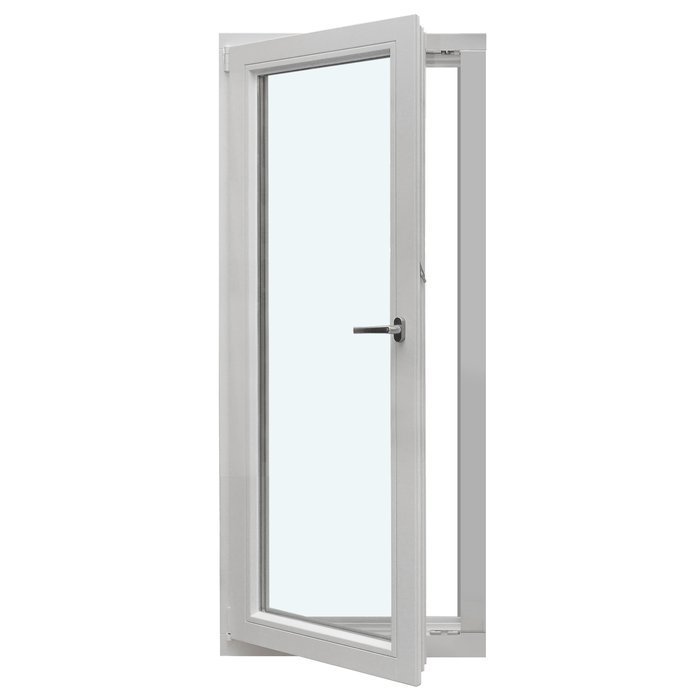
The way a window opens affects ordinary life. In each room, identify its users, frequency of operation, nearby furniture and whether the outside glass must be reachable from indoors. A single inward-opening window can work where the leaf has unobstructed room to travel. A version opening outwards instead occupies space beside the exterior wall, path or terrace. Judge the mechanism at its actual location rather than ranking one type as universally preferable. Establish whether opening is needed at all, or whether the priority is simply daylight and a view. If the choice is uncertain, sketch the room and draw the leaf’s arc proportionally. Add curtains, furniture, radiators and regular walking lines. Finally, test whether intended users can comfortably reach and operate the handle and lock. This brief rehearsal can reveal clashes that a drawing of the elevation alone would miss.
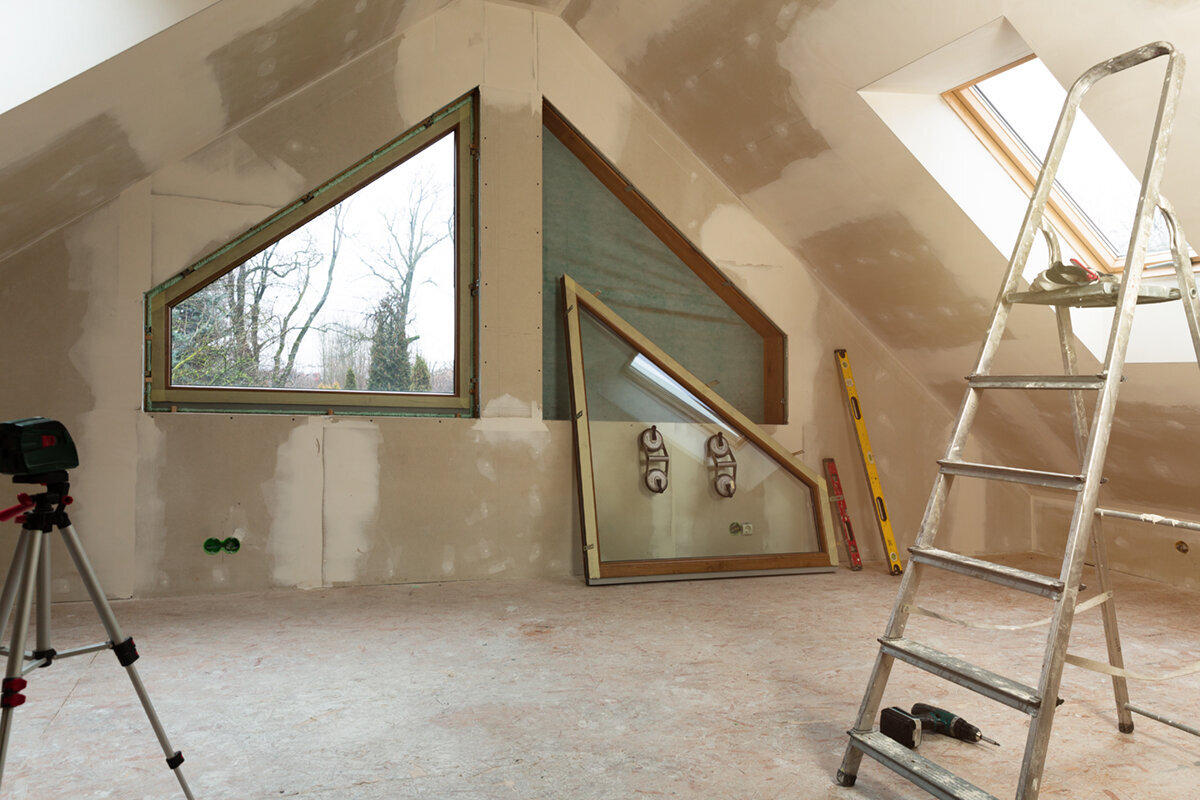
For a generous or unusual opening, choose its geometry for the building and room rather than merely for photographic effect. A fixed triangular or sloping window identifies a fixed glazed element with triangular or inclined geometry. Before specifying it, verify the exact structure, perimeter connection and purpose within the space. Such a form may echo a gable, yet it can add visual noise to an already busy elevation. Require the quotation to show each unit’s appearance, subdivisions, dimensions and opening arrangements. Recording those particulars individually prevents a grouped price from concealing different assumptions about what will ultimately be supplied.
Design doors around movement between spaces
Patio and balcony doors shape the experience of both a viewing and daily living. Examine the existing route first: note the leaf’s travel, furniture positions, access to the exterior and the condition of the floor interface. A single inward-opening patio door has one leaf moving into the room. Its suitability depends on having sufficient indoor clearance and a sensible circulation route. It should be possible to demonstrate the door during a viewing without rearranging the room; garden access appears far less inviting when the moving leaf collides with chairs or a table.
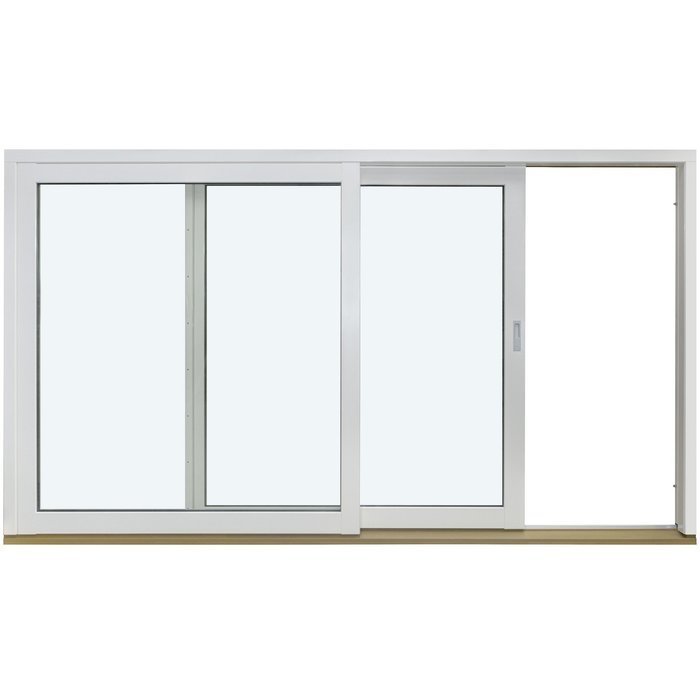
Wider openings need equally careful consideration. Patio Life doors with lift-and-slide operation provide one particular way to form a wide sliding connection; they are not the default answer for every broad opening. Set the required walk-through width, handling, frame sightlines and spatial needs against those of a pair of hinged leaves or another design. Review nearby flooring and exterior paving too, because a crisp new frame can emphasise untidy interfaces around it. Have the appointed professional state which measurements will be taken as final on the property and how the exposed aperture will be kept secure and weather-protected while the old unit is removed. These practical arrangements usually contribute more to an orderly installation than visual drama does.
Replacement check 4
Preserve the house’s character and visual continuity
Extra care is needed where a house derives character from established opening proportions, subdivisions or traditional detailing. Record frame sightlines, sash layout, bar pattern, finish and street appearance before making choices. Decorative bars and bars that genuinely divide the glazing are different constructions, so name the intended detail accurately and request a clear visual representation. An heritage-style “Kombi” casement that opens outwards states an aesthetic and operating direction, but neither feature proves that it belongs on a given older property. Assess proposed and retained units together along the principal lines of the elevation. One small sample is insufficient. Prepare comparable views from matching angles, then stand back to the normal road or photography viewpoint. Examine the proportions of each sash, the rhythm of the bars and the lines carried from opening to opening. A feature that seems restrained when viewed alone may become too prominent when repeated or placed within the full frontage.
Visual disruption may equally follow from replacing a lone unit with proportions unlike those around it. This does not oblige you to renew every opening. A connected group can be addressed together while sound units in less prominent locations remain untouched. If the building or elevation has unusual character, obtain early advice from appropriately qualified professionals on appearance, interfaces and whether the proposal suits the property. Generic claims in promotional literature are not enough. Buyers are more likely to value work that follows a deliberate pattern: related colours and subdivisions, resolved changes between old and new, and ornament chosen for the architecture rather than simply to announce that an upgrade occurred.
Request quotations that can genuinely be compared
A window count alone is an inadequate basis for obtaining comparable prices. Give each supplier matching information: photographs, the approximate position of every opening, handing or swing, requested appearance and the associated tasks to be priced. Establish whether final measurements are taken before manufacture, whether removal and disposal are included, and where responsibility ends for internal finishes, outside interfaces and making good. For a single patio door opening outwards also document the threshold, hinge side, adjoining finish and clear area beyond the opening. Suppliers can then price the same situation, reducing the chance of later extras.
Evaluate the content of each quotation, not merely its bottom line. Every unit should have an identifiable entry, the correct handing or movement, and an unambiguous account of visible details. Seek a written list of omissions. Clarify who handles plaster, paint, flooring and unfinished interfaces, and what records will be issued at completion. A low-looking item may exclude essential peripheral work and therefore fail to represent the finished cost. Because the property must ultimately be presented as complete, a precise scope is valuable. It also lets you tell prospective buyers exactly what work took place without attributing unsupported performance or characteristics to the installed products.
Replacement check 5
When repair or selling as-is is the better choice
Renewal is only one defensible course. If most of a unit remains serviceable and the fault is localised, a proper repair may prepare the property more effectively. This can be particularly important when replacement would disturb plaster, linings or flooring that cannot be made good neatly within the marketing timetable. A single modern unit may also sit awkwardly within an otherwise uniform older group, whereas maintenance followed by an honest explanation retains visual order. Obtain a competent assessment of the joinery before treating one reluctant handle as evidence that the entire set needs to be changed.
An as-is sale still needs a clear and consistent approach. Secure minor loose items, deal with signs of neglect and clean the glass and frames thoroughly, but never use superficial treatment to conceal damage. Assemble a straightforward history of repairs, identify units that operate correctly and flag matters a purchaser may wish to plan for. Only make statements about technical performance, future expenditure or value when dependable records justify them. Most buyers can understand that an older component remains; an unexplained or contradictory account is more troubling. A candid, well-documented position can therefore inspire greater confidence than partially completed renewal undertaken just before the sale proceeds to contract.
Final checks before photos, brochure and handover
Fitting is followed by an easily overlooked task: returning the property to the appearance of a lived-in home. Coordinate removal of films and building debris with the installers, operate each door and sash, and make a photographic snag list. View the elevations from several angles in natural light. Arrange correction of incomplete edges, marks from protection, unsuitable covers and residual dirt ahead of the photographer. During photography or viewings, demonstrate selected functions rather than leaving all units open, and preserve uncluttered circulation through the rooms. Orderly, composed presentation suggests that the work has been brought to a controlled conclusion.
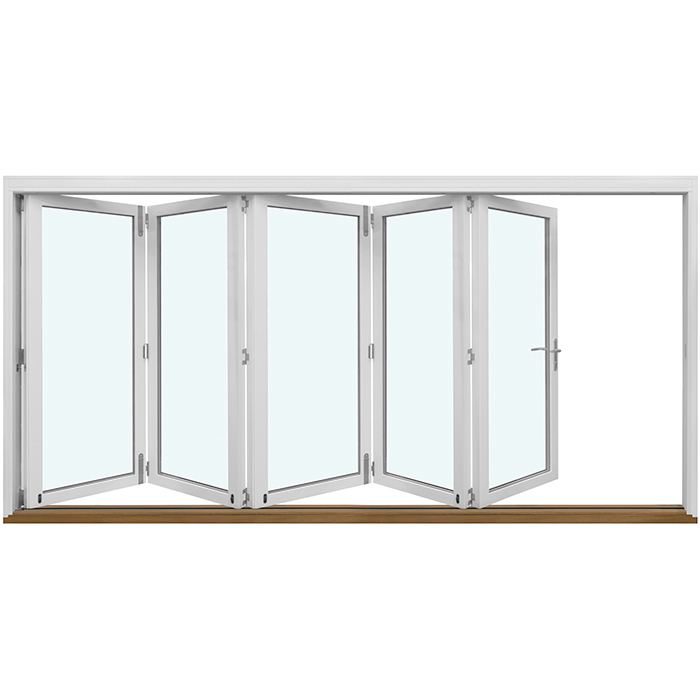
Create a concise handover folder with the order confirmation, invoices, commercial-guarantee papers, operating instructions and any supplied maintenance guidance. Bloomcabin identifies a 5-year guarantee for windows and doors, with the paperwork for the particular order governing its scope. Inventory the keys and accessories so the purchaser knows what is included. For an outward-opening folding-door installation, explain how the actual fitted arrangement operates instead of relying on the catalogue name shown on an invoice. Link each record to the room or position reference used in your opening schedule. Record all accessories transferred and any remedial work finished after the inspection. This prevents a buyer having to infer which component is covered by each line across several invoices. Show the operation of important doors in person where practical. Although this filing system creates no additional sales commitment, it supports accurate answers and demonstrates that the installation was properly closed out.
Frequently asked questions
Will replacing windows and doors definitely increase the sale price?
No. Better windows or doors may enhance the property’s condition and presentation, but they cannot assure a particular price or speed of sale. The result also depends on location, workmanship, overall condition, the scale of the work and purchaser expectations. Consider renewal within the wider selling plan rather than assuming it will repay its cost.
Is it better to change only the front door or every window?
Give priority to prominent units with damage or poor operation. Then consider whether limiting the work would leave the elevation visually balanced. Renewing the front door may strengthen the arrival, provided its scale, colour and interfaces belong with the façade rather than appearing as an isolated upgrade.
What lead time is sensible before marketing the property?
Treat specification, measurement, ordering, fitting, making good and final inspection as a single programme. Bloomcabin quotes 4 to 6 weeks for delivery, subject to order confirmation. Arrange sales photography and initial viewings only after visible snags and surrounding finishes have been completed.
Should buyers be told about older or repaired elements?
Keep a clear record of existing condition and completed repairs. Avoid unsupported statements about performance, likely longevity or later expenditure. Seek advice from appropriately qualified professionals before making specific representations in the marketing process or sale contract.
What paperwork belongs in the post-installation file?
Retain the confirmation, invoice, commercial-guarantee records, user and maintenance guidance, and documents for installed accessories. Include an inventory of units and keys. Prospective purchasers and future owners can then match the actual installation to the records issued for that order.
Next steps
Do not renew joinery solely because of its age. Begin with an objective survey, decide which buyer profile the property should appeal to and allow enough programme for interfaces and finishing. Deal first with prominent faults and units that impede normal use, while avoiding a hurried mixture of unrelated replacements. Where renewal is justified, specification, measurement, fitting and records should form one coordinated scheme. Where repair or retention is more appropriate, present the condition methodically and make no claim that the evidence cannot support. This provides an honest foundation for the sales photographs, subsequent viewings and eventual handover.
