
Replacing an Old Shed: What to Change Before Buying a Garden Shed
Garden shed buying guide
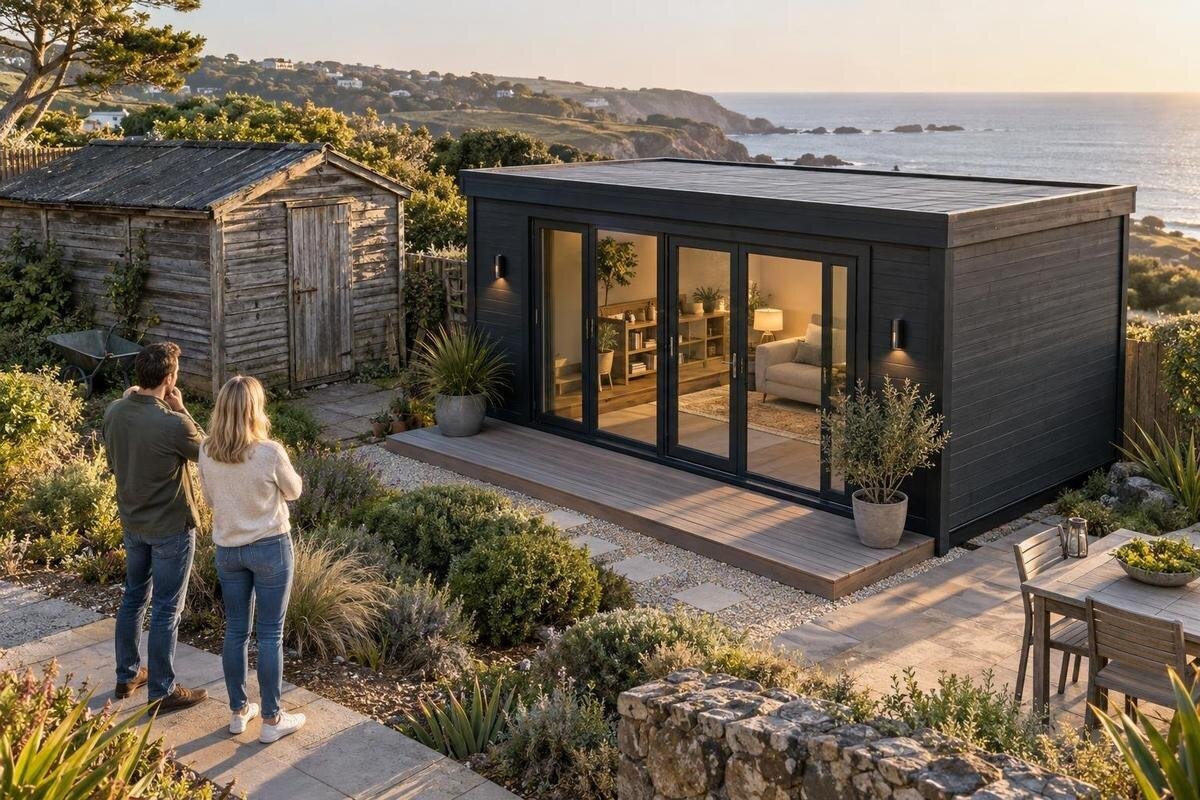
An old garden shed often reveals more than its age: it shows which items need easy access, what will not fit through the door and whether the location still works. Replacing it is a chance to fix specific problems, not simply to order a larger version of the same building. Before you buy a garden shed, separate what should remain from what needs to change. Measure the items you intend to keep, check the site and access route, then compare documented dimensions, layout and ordering requirements. That way, your choice is based on real use rather than the old shed’s footprint alone.
Separate faults in the shed from faults in the layout
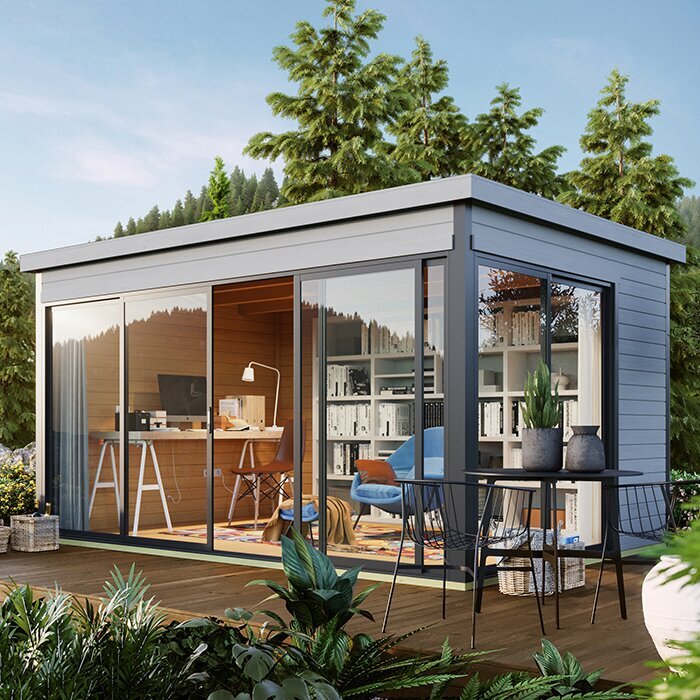
Before browsing, note why the current shed is being replaced. Separate problems with the building itself—such as worn panels, a door that no longer closes properly or repairs that keep returning—from problems of size, access or position. Record how each issue affects day-to-day use, rather than labelling the whole shed ‘too small’ or ‘past its best’. A larger building will not automatically make frequently used tools easier to reach, and a new shed in the same corner will not fix an awkward route. A specific note, such as ‘the mower cannot pass through the doorway’, gives you a clear buying requirement and helps prevent one visible fault from driving every choice.
Then note what deserves to stay. The current spot may be handy from the house, the path may be easy to use, or existing shelving may keep smaller items organised. Record advantages you want to preserve alongside the frustrations that appeared only after the shed filled up. Make a keep-list before you compare sizes, and remove equipment you no longer need from that list. Photographs of the interior can help you recall a useful arrangement, but they are not a substitute for measurements. Finish with two short headings in your notes: must change and still works. This keeps an old footprint from being mistaken for a requirement simply because it is familiar.
Measure the items the replacement must hold
Emptying an old shed can reveal a mix of regularly used tools, seasonal equipment and things that have not been touched in years. Make a keep-list first, then measure the awkward or bulky items rather than estimating from memory. That might include a mower, long-handled tools, bins, folded furniture or other equipment you intend to store. Note each item’s width, height and length, and whether you need to carry it in upright or turn it to get it through the entrance. Mark which things need quick access too: the replacement must allow a usable route to them, not just contain the total volume of a pile.
Use the measurements to compare stated interior space, not just a headline footprint or photograph. External and internal dimensions describe different things, and shelves or bulky equipment can reduce the room available for an aisle. Draw a simple plan showing the largest items and a route from the entrance, using the same units throughout. On the Verdana 1 garden house listing, record published measurements only where they are actually provided, then test them against your sketch. If a relevant dimension is missing, ask for it to be confirmed instead of filling the gap with a guess.
Check the existing base against the new shed
Do not assume that a replacement will sit on the old base simply because the previous shed stood there. Measure the area and note its shape, edges and position in relation to paths and boundaries; compare those details with the candidate’s stated footprint and any stated base requirements. Different external measurements can affect where the doorway falls or whether the existing surface matches the area the new building needs. Do not use a photograph or a broad size label as a substitute for the manufacturer’s information. If the base must change, include that work in your replacement plan, as it can affect both site preparation and the overall budget.
Look for obvious issues on the existing surface, such as movement, cracking or water collecting, but treat them as reasons to ask for an assessment rather than as a diagnosis. Confirm with the supplier or installer what the proposed shed requires and whether the old base is suitable; where there is doubt, speak to a qualified professional before ordering. For a practical comparison, add the Verdana 2 garden house listing to your shortlist and enter its documented footprint and any available base information in the same table as the alternatives. This is a way to organise your checks, not a recommendation based on the model name.
Measure the route from the gate to the shed
Storage is only useful if you can get items into the shed. Measure the route from the point where you unload or carry things, through gates and along paths, including the narrowest width, turns and steps. Note obstacles at height as well as on the ground, such as low branches or an overhang, and check whether a long item has room to turn. If the shed is supplied in sections or assembled on site, access requirements may differ. Ask the supplier how the order is supplied and what the delivery or assembly arrangements require. Do not assume that a package will fit through a route simply because the finished shed fits in the garden.
Check the opening size and position against the widest item you need to move through it, allowing for how you will hold and manoeuvre that item. A doorway that works for a person may still be inconvenient for a mower or wheelbarrow. Mark the entrance on your site sketch and check that a gate, fence or path will not make it difficult to use. When comparing the Durano garden shed listing, rely on dimensions and opening details stated on the page or confirmed by the seller; a product photograph is not a measurement.
Plan the interior around the entrance
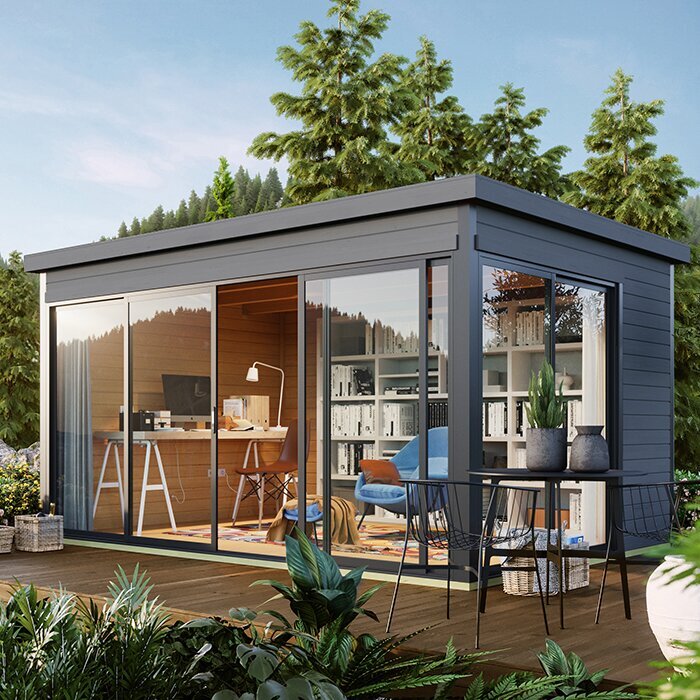
Once you know what must fit, decide where each group of items will go. Put frequently used equipment where you can reach it without shifting seasonal belongings; give bulky objects a defined space and keep a route to the back if you expect to use it. Sketch shelves or cabinets only if they suit the items being stored, and allow for the floor area they occupy. This turns a rough capacity estimate into a layout test. If the entrance opens straight into a pile, or the mower blocks tools you use every week, the plan needs adjusting even if every item technically fits.
Include door operation in that plan. Check which way the door opens, how much clear space it needs and whether a threshold affects how you move equipment, using details for the particular model rather than assuming all sheds are arranged alike. If you plan to hang items or fit shelving, look for the maker’s instructions and any stated limits; do not assume a wall or fixing point can carry a particular load. Assess the Veltor 1 listing against your drawn layout, and note any unanswered questions before deciding whether it suits the space you have in mind.
Choose a position that works with the garden
Replacing the shed in its existing place is convenient only if that position still meets your needs. Check the route from the house, access from the garden, nearby gates and whether stored items will be easy to retrieve. Look at the ground after ordinary rain and notice where water runs or collects, as well as whether plants, fences or other structures make routine access difficult. Moving the shed elsewhere may improve circulation, but it can also mean a longer carrying route or make an item less convenient to reach. Compare the current position with at least one realistic alternative on a simple site sketch.
Before settling on a spot, compare its available area with the proposed footprint and any placement or clearance requirements stated by the manufacturer. Leave room for the intended door operation and for the assembly or maintenance access the supplier specifies; there is no need to assume one clearance suits every product. If planning requirements may apply, check current guidance with the relevant local authority or a qualified professional rather than relying on a neighbour’s arrangement. Include the Orello 1 listing in your comparison only after you have identified the dimensions and placement information actually supplied.
Compare care requirements with what went wrong last time
Think back to the work the old shed needed: note repairs, cleaning or surface treatments, and how often you found yourself dealing with them. A maintenance problem may have resulted from the material, exposure, age, a missed treatment or several factors; the old building alone may not tell you which. Use your notes to decide what you want to avoid, then compare stated construction and finish details rather than choosing by appearance. If you had to repaint or repair something repeatedly, ask what care a replacement needs and whether any first treatment is included, required or left to the owner.
Read each product description and care information closely, and ask for clarification if the material, finish or maintenance instructions are not stated. Do not assume that a product name or photograph confirms how it is made or what upkeep it needs. Add the Modano 1 listing to your shortlist if you are considering it, and record only information explicitly documented for that listing. Comparing the same points for each option is more useful than relying on a broad label such as ‘low maintenance’, unless the supplier explains what that means in practice.
Match the shed to the way you will use it
Separate the contents by purpose before ordering. Gardening tools, bags of compost, seasonal furniture and children’s outdoor equipment may need different positions and different levels of access; you do not want to move half the contents every time you need one item. Make a short zone plan and account for equipment you expect to add. Put frequently used things near the entrance in your drawing and consider storing seasonal items farther back. This is more useful than choosing a building solely because its model name suggests generous storage, as a name does not tell you how the interior will work for your belongings.
Be clear about any use beyond storage. If you expect to spend time inside the building or use it as a hobby space, check whether the exact product and its documented arrangement suit that purpose; do not infer suitability from a garden-house label or photograph. Ask the seller about features your intended use depends on, and consult a qualified professional where the question concerns services or construction. The garden tool shed M listing can be included in your comparison, but its name alone does not establish its capacity, layout or suitability for a different use.
Arrange removal, delivery and assembly before ordering
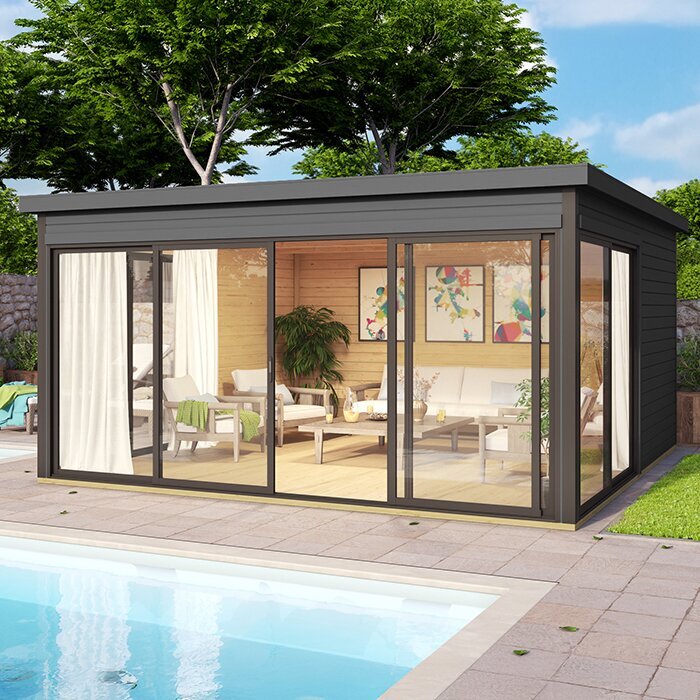
Treat removal of the existing shed and preparation for the new one as separate jobs. Decide who will empty and dismantle the old structure, whether any parts are worth keeping, and how removed material will be dealt with. If the old building has services connected, or you are unsure how to take it apart safely, arrange help from a qualified person rather than treating removal as routine work. Check whether the existing base needs alteration before the new building arrives, and establish who is responsible for that work. This avoids ordering a replacement before the site is ready for it.
Before paying, confirm the supplier’s delivery arrangements for your address, how the shed is supplied, whether assembly is available and what you must prepare. Check the stated contents, assembly information and any exclusions; do not assume that a floor, fixings or a particular service is included unless the order documents say so. Include the garden shed S listing in this ordering check and note any unanswered details to confirm before purchase. Clear arrangements help coordinate site preparation, arrival and removal without relying on assumptions made from product photographs.
Compare each candidate on the same checklist
Put your shortlist side by side and compare the same information for each option: internal and external measurements, entrance position and dimensions, stated base requirements, material and care information, and any intended-use details that matter to you. Mark each item as confirmed, not stated or unsuitable instead of filling gaps with assumptions. Include the available site area, route to the shed and objects from your inventory, so the comparison reflects your garden rather than an abstract size category. A simple table can reveal a mismatch that a photograph or model name conceals.
Then consider the whole replacement plan, not just the building price shown on a product page. Account for any base work, removal, assembly, accessories and delivery charges that apply, using confirmed amounts and terms rather than assuming there is a fixed package. Read the final order summary for the exact model, stated dimensions, inclusions and arrangements agreed with the seller. If a missing detail could affect fit or installation, get it clarified before committing. The right replacement is the one that resolves the old shed’s real shortcomings and fits the measured site, not automatically the largest option.
Frequently asked questions
Should I use the old shed’s footprint when choosing a replacement?
Treat it as a reference, not a specification for the new shed. Measure the available site separately, then check each candidate’s stated footprint, entrance position and base requirements. The old footprint may reflect the previous building’s dimensions rather than the storage space and access you need now.
Can the replacement use the existing base?
Possibly, but first confirm that its dimensions, condition and position meet the new manufacturer’s requirements. An outline that looks like a match is not enough. Ask the supplier or installer to confirm suitability, and involve a qualified professional if the base is damaged, uneven or showing signs of movement.
What is the easiest way to choose the right size?
List and measure the items you intend to keep, including the largest object and anything that must pass through the doorway. Sketch where they will go and leave a route to reach them. Then compare your plan with the stated internal dimensions and the space available on site; do not rely on a size label alone.
Which measurements should I confirm before ordering?
Check the external footprint against the available site, the usable interior against your storage plan, and the door opening against your largest items. Measure the access route from the gate as well. Confirm the base requirements and how the shed will be supplied, as both can affect preparation and access.
What if I want to use the shed for more than storage?
Treat that as a separate suitability question, rather than inferring an answer from a product name or image. Confirm that the specific building meets the needs of your intended use, and ask about any construction or service requirements before ordering. Use a qualified professional for technical questions.
A good replacement keeps the advantages of the old arrangement while addressing the problems that made a change necessary. Use your inventory, site measurements and access sketch to judge each candidate against the details confirmed for it. Check the base and ordering arrangements as part of the same plan. The most useful comparison is not between two product photographs, but between the way you use the shed and the measured space and documented details available for each option.
