
Running electricity to a garden shed: what to discuss with an electrician
Garden sheds
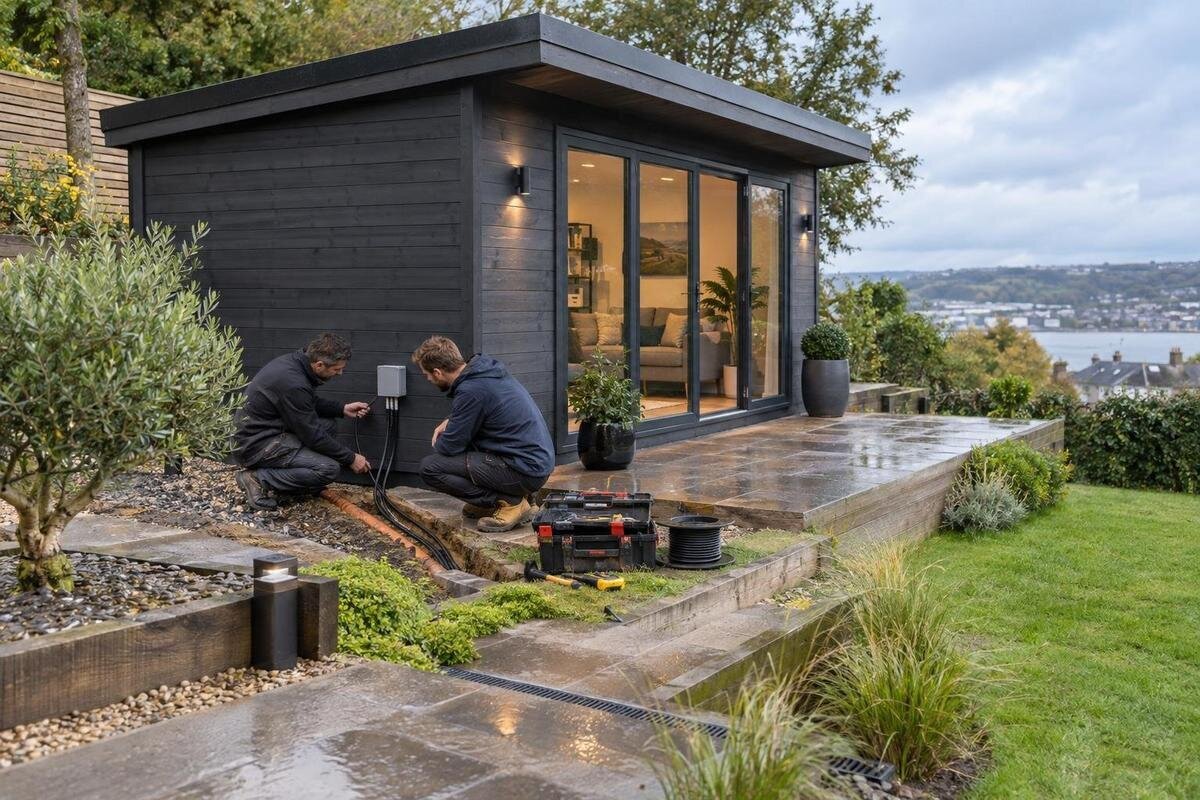
Running electricity to a garden shed starts with a clear plan for the building, its intended use and the route from the house. An electrician needs more than a request for a socket: equipment, where it will be used and what the proposed route crosses all affect the discussion. Use this guide to prepare before ordering a shed or arranging an assessment; leave the design and installation to a suitably qualified electrician.
01
Explain how you plan to use the garden shed
Describe the job the garden shed will do, rather than saying only that you want power. A building used mainly for storing garden tools may need a different arrangement from one used for regular projects, charging equipment or spending long periods in. Note whether you expect to use it after dark, whether anyone else will use it at the same time and whether equipment will remain connected between visits. If your plans are not final, separate definite requirements from ideas. That gives the electrician a concrete brief and avoids treating an undefined all-purpose shed as a complete specification.
Think through an ordinary visit from arrival to leaving: what do you turn on, where do you work and which tasks might happen together? Record occasional jobs separately from everyday ones. If you may add a heater, power tool or other equipment later, mention it, but distinguish a likely purchase from a remote possibility. The electrician can explain whether it changes the proposed supply or is better treated as a later decision. Also mention if the use may shift from storage to hobbies or regular work. The building may stay in the same place, but its use can change the questions about lighting, connections and safe access.
Prepare an equipment list for the electrician
Make a simple inventory of the electrical equipment you expect to use. Include fixed appliances, portable tools, chargers, lighting and anything you will bring out only occasionally. For each item, note its type and model if known, and provide the information on its rating label or in its instructions where available. Add how often you expect to use it and whether another item might be running at the same time. You do not need to calculate a total or choose an electrical rating; give the electrician enough detail to assess the demand. If you have not bought an item, describe what you have in mind rather than guessing at its exact requirements.
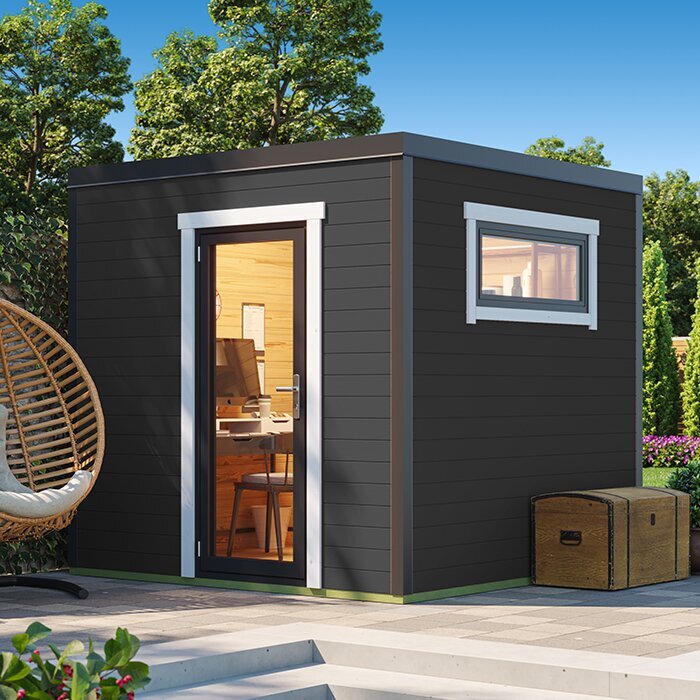
If the Verdana 1 garden house is among the options you are considering, put that exact name on the brief alongside your equipment list and any product information you have. It gives the electrician and supplier a shared reference, but the model name alone cannot confirm a cable entry, an allowed alteration or a suitable electrical layout. Send photographs of equipment labels or instruction sheets where available, and let the electrician make the technical assessment. Mention equipment with motors or heating elements, too, so they can consider how it operates as well as how often you expect to use it.
02
Confirm the building and its position before finalising the plan
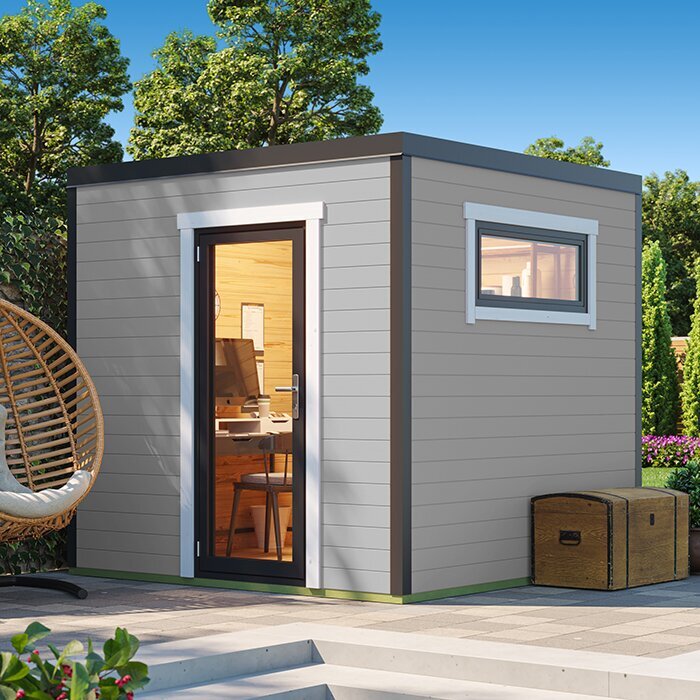
If you are still comparing garden sheds, do not base an electrical plan on a catalogue picture or model name alone. Check the building’s dimensions, door and window positions, assembly requirements and any instructions about adding fixtures in the current product information or with the supplier. If the Verdana 2 garden house is on your shortlist, identify it by its exact model name when you ask questions. Do not assume its orientation, internal layout or cable-entry options from the name. The electrical plan needs to relate to the particular building you intend to order and the site where it will stand.
Mark the proposed position on a simple garden plan, including the entrance, paths, gates and any paving or planted areas near the route. If you know where the house supply point is, show its approximate location, but leave technical assessment to the electrician. Include features that could affect access or future work, such as a driveway, boundary, drainage area or existing services. If the position may change, say so before asking for a firm plan or quote. A small move can affect the route, so it is better to settle the location with the electrician before ordering or arranging installation.
Walk the proposed cable route with the electrician
A route that looks simple on a garden plan can meet obstacles on site. Walk from the likely point of supply at the house to the proposed shed position and point out paving, paths, planting, gates, driveways and places where people or garden equipment regularly pass. Mention any planned landscaping or other garden work that could affect the route later. Photograph awkward areas if the electrician will review the information before visiting, but do not treat photographs as a substitute for seeing the site. Also identify anything you know about previous building work or services in the garden, while making clear where you are unsure. If you are considering the Durano garden shed, use its confirmed position on the plan rather than assuming the model name determines where a cable can run.
Ask the electrician to assess the possible routes and explain what is suitable for the site, including how any exposed or buried section would be protected and maintained. The shortest or least visible route is not automatically the right choice. Discuss the risk of accidental damage from digging, mowing or moving equipment, and whether the route could conflict with other work. Do not dig, lay cable or decide on a route from a sketch alone. Treat your drawing as a proposal for discussion; the electrician should confirm the route and installation requirements.
03
Plan the cable entry and indoor layout
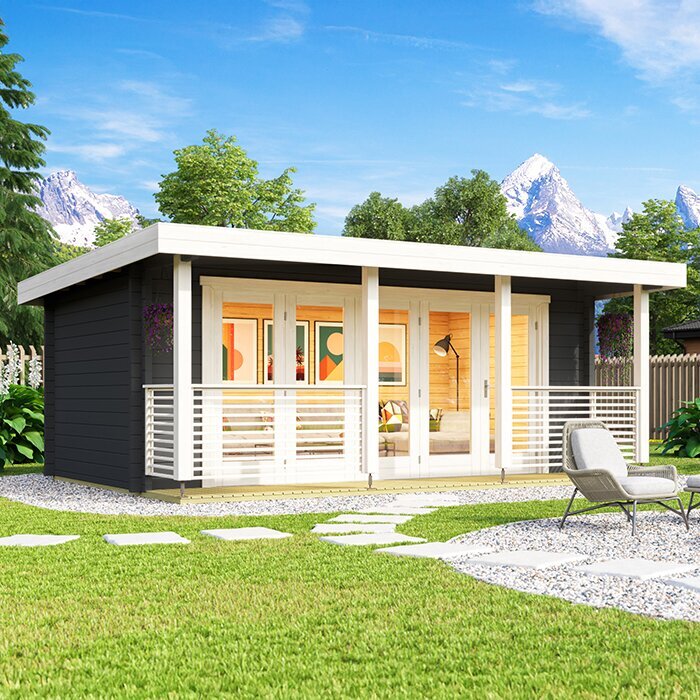
Think about where you expect the supply to enter the building and where you will actually use power. Mark the entrance, work area, storage and any fixed equipment on a rough layout. If the Veltor 1 garden house is on your shortlist, give the electrician and supplier its exact model details and ask how a cable entry can be accommodated. Do not drill, cut or make an opening before the supplier has confirmed what changes are allowed and the electrician has agreed the proposed arrangement.
The layout should reflect real tasks rather than an arbitrary number of sockets. A point hidden behind shelving or stored tools may be awkward to reach; one beside a work area may be more useful, depending on the equipment and the electrician’s assessment. Mark where you might want switches and connections, then ask the electrician to recommend suitable positions and explain any limitations. Share the plan with anyone assembling or modifying the shed so that the agreed electrical layout is not overlooked during other work. If furniture or storage is not final, note what may change.
Discuss weather exposure and the risk of damage
Describe the conditions around the shed and along the route rather than assuming the installation will face the same conditions as wiring indoors. Mention areas exposed to rain or splashing, damp ground, watering, garden tools and regular mowing. Ask what protection is appropriate for the actual site and where electrical equipment can be positioned safely. An accessory marketed for outdoor use is not automatically suitable for every location, so leave that choice to the electrician.
Include the exact building you are considering, such as the Orello garden house, when discussing any external connection or fitting. List what you would like to power outside as well as inside, and explain how you use the surrounding garden. Ask how the proposed arrangement will reduce the chance of accidental damage and what to do if a fitting or cable is damaged or exposed to water. Avoid choosing equipment based on appearance or making changes yourself; the electrician can specify what is appropriate for the site and intended use.
04
Separate lighting from outdoor power needs
Lighting is easier to plan when you describe the tasks it needs to support. Note whether you need light at the entrance, over a work area or in another part of the shed, and whether you expect to use the building after dark. If you want an external light, include that as a separate request and explain where it would be useful. The electrician can discuss suitable positions and switching; a product image is not a lighting plan.
If you also expect to power equipment outside, mark where and how it will be used rather than relying on an indoor connection or a lead through the doorway. That can affect the proposed position and type of fittings, which the electrician must assess. For example, if the Modano 1 garden house is under consideration, keep the exact model and your lighting and outdoor-power requests together in the brief. Confirm with the supplier whether any electrical fittings are included; do not assume they are part of the building.
Allow for likely future use and building changes
Tell the electrician what you might add later, but rank those ideas by how likely they are. A planned piece of equipment or a probable change of use is more useful than a vague request to future-proof everything. Ask what would be included in the proposed work, what a later addition might require and whether there is a practical reason to plan for a specific change now. The electrician can explain the trade-offs for your site; there is no universal future-ready arrangement that can be selected without considering the actual use and supply.
Before you commit to a building, check with its supplier how electrical entry points, fittings or other alterations can be accommodated. If the wooden garden tool shed M is on your shortlist, ask about any relevant product instructions before planning changes to it. Do not assume that a wall, panel or other part can be cut or altered to suit a route. Share the supplier’s guidance with the electrician, and agree any modification before work begins. This helps avoid planning an installation around a change the building supplier has not approved.
05
Request a site assessment and a clear written quote
Ask whether the electrician needs to visit before pricing the work. A site assessment can clarify the route, access and any uncertainties that cannot be settled from photographs or a garden plan. Request a written scope that says what the proposed work includes, what is excluded, which assumptions it relies on and what may change if the site differs from the information provided. Ask whether any work to paths or other surfaces is included, if the route affects them, rather than assuming it forms part of the electrical work.
When you seek a quote for the wooden garden shed S, provide its exact model name, chosen position, proposed layout and equipment list. If you are still deciding, explain which details are provisional so the electrician can say what needs confirming. Ask what qualifications or registration are relevant to the work in Ireland and how you can verify them. Confirm what documentation will be provided at handover and who to contact if the agreed scope needs to change. Comparing written proposals is more useful when each is based on the same site details and work requirements.
Agree the work sequence and ask about handover
Before work is arranged, confirm that the building model, position and intended use match the information the electrician assessed. Coordinate the timing with the shed supplier or installer if the electrical plan depends on the building being assembled or on a permitted alteration. If the site, building or equipment list changes, tell the electrician before proceeding; an earlier route or quote may no longer fit. Make sure everyone involved knows which work has been agreed and who is responsible for any changes to the building or surrounding area.
At handover, ask the electrician to explain the controls and any points you will use, what the supplied documentation records, and what to do if equipment is damaged or a protective device operates. Ask which details should be retained if you later sell the property, arrange maintenance or need to describe the installation to another qualified electrician. Keep the documentation with the shed’s product information, so it is available if the installation or use changes later. Do not add equipment, alter fittings or arrange other work near the route on the assumption that the original plan still applies. Ask the electrician to review any significant change before it is made.
Frequently asked questions
Should I choose the garden shed before speaking to an electrician?
You can ask for preliminary advice while comparing options, but a useful final assessment depends on the intended building and its position. If either is undecided, share the alternatives and ask which parts of the advice are provisional. Do not assume a route will work until the electrician has assessed the chosen site.
Can I rely on an extension lead for a permanent supply?
A trailing extension lead is not a substitute for a planned fixed supply. Its suitability depends on the conditions and how it would be used; a lead across a doorway or where garden equipment could catch it also creates practical risks. Ask an electrician about a suitable arrangement rather than treating a temporary lead as a long-term solution.
What information should I send the electrician?
Send the exact shed model if chosen, a plan or photos of the proposed position and route, and a list of equipment with rating-label or instruction details where available. Note what may be used at the same time, any outdoor power needs and likely future changes. The electrician can tell you what else is needed.
Will every garden shed need a separate circuit?
There is no single answer that suits every property and use. The electrician needs to assess the existing household supply, its other demands, the proposed equipment and the route to the shed. Ask them to explain the options for your situation rather than assuming a particular arrangement will be suitable.
Can the electrics be planned before I order a shed?
Yes, an early conversation can help you understand what needs checking, but the final plan should be based on the exact building and agreed location. Confirm dimensions, layout and any permitted changes with the supplier, then ask the electrician to review the site and proposed route before work is arranged.
A useful garden shed electricity plan is based on real tasks, the exact building and its position in the garden. Put those details in front of an electrician, discuss the route and outdoor conditions, and agree what the quote and handover will cover. If the building or intended use changes, revisit the plan before work proceeds rather than relying on an earlier assumption.
