
Setting Up an Art Studio in a Garden Shed: Light, Surfaces and Ventilation
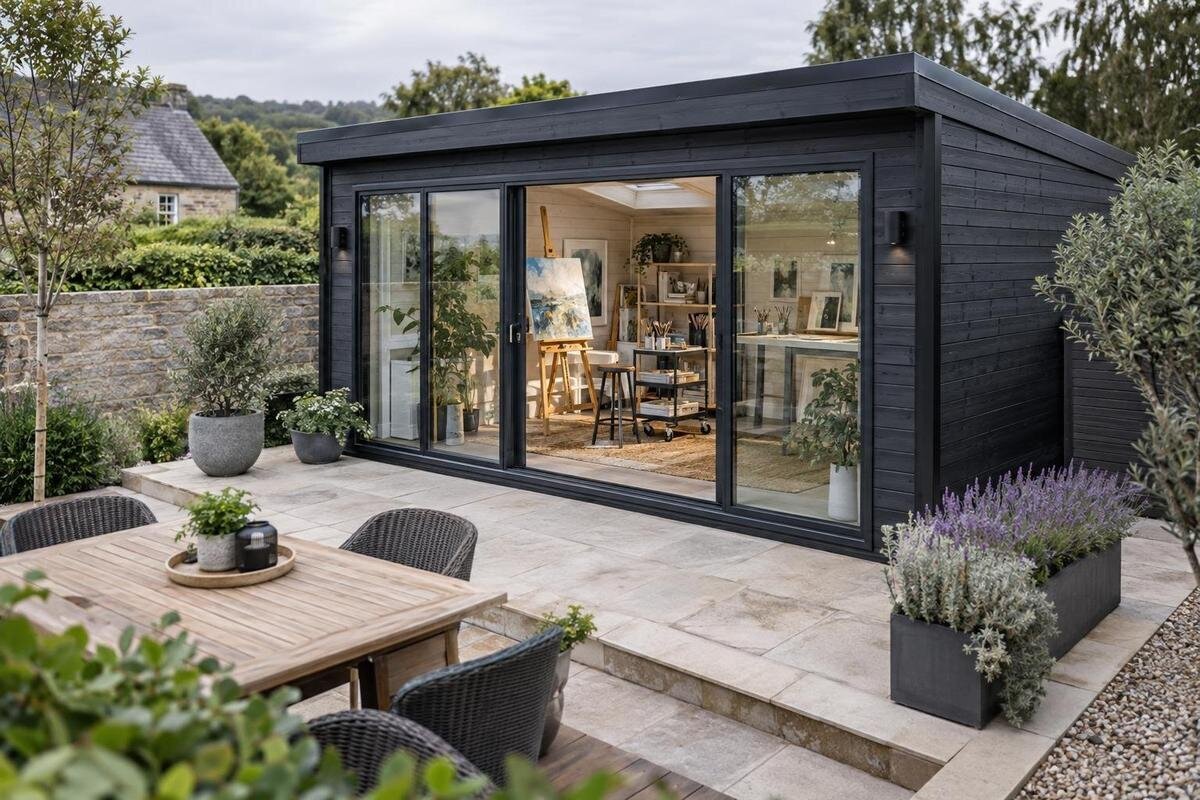
Garden sheds
An art studio in a garden shed needs to work for the way you make art, not just look bright in a product photograph. Daylight changes across the day; paper, canvases and work surfaces have different care needs; and opening a door is not automatically enough ventilation for every material. Before comparing garden sheds, set out the processes, equipment and working space you need. Then assess each garden house against that plan and the features its listing actually confirms.
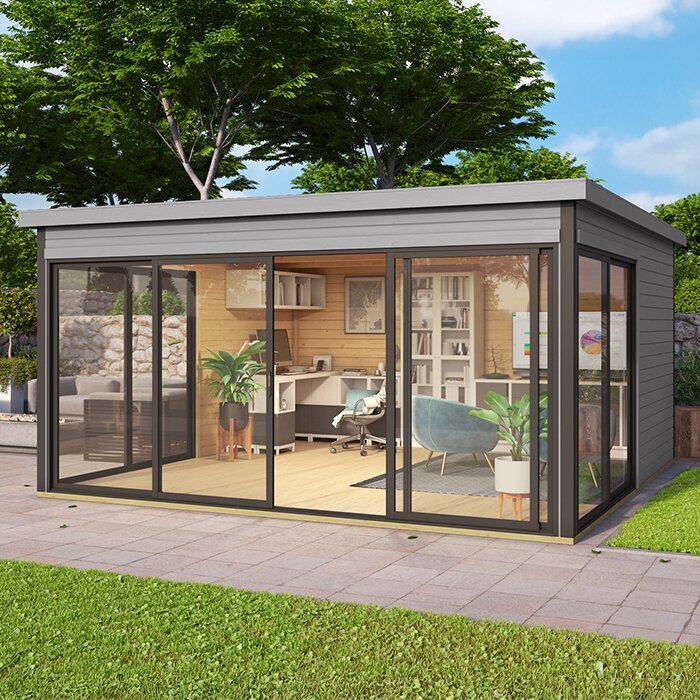
Before you order 1
Define the work before planning the room
List the work you intend to do in a typical session: drawing at a table, painting at an easel, preparing canvases or making mixed-media work. These tasks use a room differently. Tabletop work needs a stable surface and room for tools; a large canvas needs space to turn and a place to stand back; an easel needs clear space in front and access around it. Note the biggest item you plan to bring in, not only the sketchbook you usually use, and whether you work seated, standing or move between the two. Include wet processes and how water will be brought in or managed, even if you are not planning a sink.
Map a session from arrival through setup, active work and clean-up to leaving an unfinished piece to dry. Decide where clean materials will stay apart from dusty tools or wet brushes, and where work in progress can remain without blocking your next session. If a project needs to lie flat, reserve a flat area; if it needs to stand, consider its height and route into position. Sketch the main zones before buying furniture, then mark them on the plot at full size if possible. This shows whether you need one dedicated station or several distinct working areas, and whether the room supports your routine rather than just looking good in a photograph.
Measure usable space before comparing garden houses
Use internal measurements for your working plan rather than relying only on the advertised outside footprint. The usable area may change if you add lining, shelving or protective floor layers, so find out which dimensions are supplied and what they describe. Draw the easel, bench, chair and drying rack to scale, leaving practical room to work and pass; include the widest canvas and any table you need to turn. A building can fit its place in the garden and still be awkward inside if a doorway, corner or wall position prevents furniture from sitting where planned. Record the openings on your sketch too, as they may affect how you arrange the working area.
On your shortlist, record the dimensions you can confirm, the positions and sizes of openings, the floor or glazing included, and the finish supplied. If a detail is missing, ask rather than estimating from a photograph. The Verdana 1 garden house can be one listing in that comparison, but the model name alone cannot tell you whether your studio plan fits. Compare stated measurements against your drawing, and keep confirmed facts separate from open questions such as clear door width or a feature you plan to add. Include space around the building for the installation process, based on the supplier’s guidance; the outside size alone says nothing about the clear route inside.
Before you order 2
Place the easel around natural light
Natural light is useful, but there is no single window direction or position that suits every art practice. Someone checking colour may value consistent light, while direct sun moving across the work can alter how it appears and cause glare on a glossy surface. Observe the proposed site during the hours you expect to work, noting where direct light falls and how shadows shift. If you cannot check at several times of day, plan for a movable blind or screen rather than designing the entire room around one bright moment. Seasonal changes can alter the balance, so think beyond the day you view the plot. Trees or nearby buildings may also shade a position at particular times.
Place the easel or bench so you can see the work without casting your own shadow across it, and consider the wall you need behind a canvas or pinboard. A window beside a work surface can provide daylight, but it also uses wall space and may affect where shelving can go. Check a shortlisted listing for stated opening positions and sizes; a window in a photograph is not proof that a particular configuration is included. The Verdana 2 garden house is another listing to compare against your sketch, not a substitute for confirming its actual specification. If the light is variable, allow for a screen or blind only after considering how it will fit.
Add task lighting for close work
Plan artificial light as part of the room, not as a late fix for a dark corner. A general light helps you move around and find materials; a separate adjustable task light can illuminate detailed drawing, colour mixing or small work without forcing the whole room to be brightly lit. Position a lamp so your hand, easel frame or shelves do not cast a hard shadow over the area you are using. Try the arrangement with the chair or easel in place, because the best position changes with your posture and the direction of the work. A movable lamp can also be useful if you switch between a bench and an easel.
When colour matters, compare the lamp’s stated colour-rendering information and light appearance with the conditions in which you expect to view finished work. Labels and descriptions vary, so do not choose on a vague claim alone. Test samples under both daylight and the proposed work light before deciding that a wall or paint colour looks right. When comparing a garden house such as the Durano garden house, separate lighting you will provide from features actually stated as included; a building listing is not evidence that studio lighting is fitted. Have any fixed electrical work assessed and carried out by a suitably qualified professional.
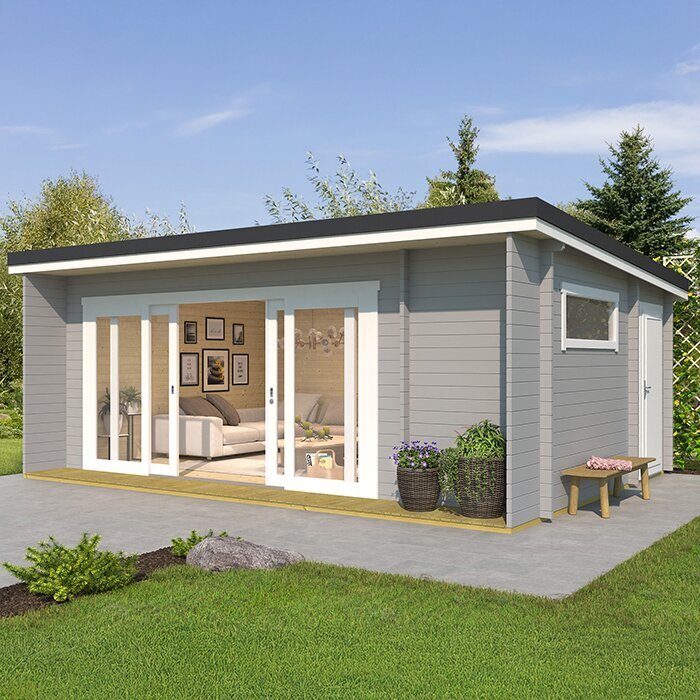
Before you order 3
Plan ventilation around your materials
Start with the mediums and products rather than a generic request for fresh air. Ventilation may support everyday comfort and help manage moisture or odours, but those aims are not the same as controlling vapours or fine particles. Make an inventory of the paints, cleaners, adhesives and any spray processes you expect to use. Read product labels and safety data sheets, and note any airflow or handling precautions they specify. Materials that release vapours or are sprayed can require more than occasional window-opening. Do not assume that a natural opening is enough where the product guidance calls for a different control.
Plan the work area so that any openings you rely on are not blocked by an easel, drying rack or shelving. Consider how often you will need to ventilate and whether you can do so during a session, rather than treating an open door as a complete plan. The Veltor 1 garden house is a model to compare only after checking what its listing states about openings; a model name or image does not confirm an airflow plan. If the materials you use call for a specific ventilation system, discuss that requirement with a qualified professional before ordering or arranging the room.
Choose wall finishes for your process
Wall finishes affect cleaning, pinning and how your work appears against a backdrop. If charcoal or pastel creates dust, a surface that can be cleaned using the product maker’s recommended method may be preferable around the work area. For wet media, consider where splashes are likely and whether a compatible protective finish would help. Raw surfaces, paint and lining can behave differently with tape, adhesives or damp cloths, so test materials on a sample before treating a large area. Avoid making a finish choice based solely on the colour shown in a photograph; it may look different beside your work and under your lighting.
Plan the backdrop and fixtures together. A pale, subdued colour can be useful for viewing art, but the right choice depends on your light and the colours you handle; check a sample under both daylight and task lighting. A glossy surface may reflect lamps, while a textured one can collect dust or be harder to clean. Decide where you need a display wall, tool rail or pinboard, and confirm what support is appropriate before fixing anything substantial. The Orello garden house listing is one place to look for stated wall construction and included finishes; neither the model name nor a room image guarantees a ready-to-use studio wall.
Before you order 4
Pick a floor that is manageable to clean
The floor has to cope with more than foot traffic. Charcoal, pastel dust, dropped paint and water from a brush can all affect how often you need to clean, while a mat can help protect the area around an easel or workbench. Choose a surface that you can care for using methods suitable for the materials you use, and avoid a mat edge that becomes an obstruction in your working route. A steady floor also matters when you are standing back to assess a canvas or working at a table. If water is part of your process, decide where splashes are likely and how you will deal with them without assuming there is a drain or sink.
Check whether the garden house listing includes a floor and what the description actually says about it before choosing an additional covering. New flooring needs to suit the underlying surface and the conditions in the room; do not use a covering to hide signs of moisture or an uneven base. The Modano garden house is one listing you can compare for stated floor details, but do not infer them from a photograph. If you are unsure whether a proposed finish is compatible with the building or site, ask the relevant product maker or a qualified building professional before buying materials.
Keep drying space and movement in the layout
Work in progress needs a place that does not compete with the next task. A canvas left to dry, a watercolour sheet laid flat or a mixed-media piece being assembled all take up space in different ways. Measure a drying rack when it is in use, not only when it is folded away, and allow room to approach it without brushing against other work. Keep the route to the door clear and avoid placing fragile pieces where they can be knocked during clean-up. If you often move between an easel and a table, leave enough room for that changeover rather than fitting the furniture tightly against every wall.
Keep supplies close enough to use without filling the working area with containers and boxes. Divide the room into a working surface, a place for clean materials and an area for drying or cleaning up; the exact arrangement should reflect your process. If a listing is on your shortlist, compare its stated measurements with the full layout: for example, the wooden garden tool shed M page does not by its title establish whether your easel, bench and drying rack will fit. Use the clear space you can confirm, and leave room for furniture doors, drawers or racks to open without blocking your working route.
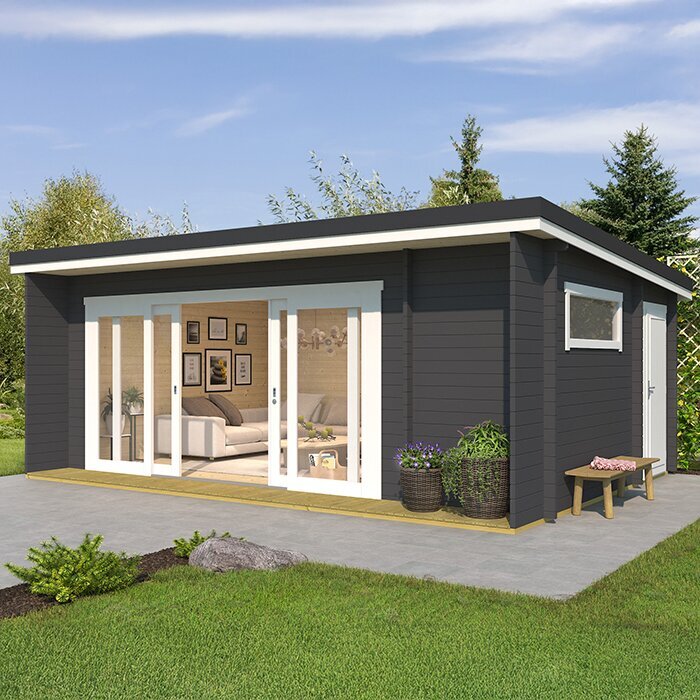
Before you order 5
Account for damp and year-round use
Consider the conditions your materials need when the studio is not in use. Paper, canvas, adhesives and art supplies can have different storage requirements, so follow the instructions for the products you keep there. Think about rain exposure and moisture at the proposed site, and avoid putting finished work or sensitive materials into a room until you have a clear idea of how it behaves. If you notice signs of damp or are unsure about the site, get advice before adding wall or floor layers. A new lining or insulation can affect how air and moisture move, so do not treat it as a simple cosmetic addition.
If you plan to work through the year, check what the chosen building actually includes and consider how temperature, ventilation and moisture will affect your routine. Do not infer insulation, weather performance or moisture management from an exterior appearance or product name. The wooden garden shed S is another named listing to compare using its stated details, not assumptions about the building. Before adding insulation, heating or fixed ventilation, ask the manufacturer or a suitably qualified professional how the proposed changes may affect the structure and the room’s conditions. Any electrical work should be assessed and carried out by a qualified person.
Compare product details before you order
Make a comparison sheet for every garden house you are considering. Record the stated outside and internal dimensions, clear door opening, position of windows or other openings, floor details, wall finish and any listed ventilation features. Mark which items are included and which you expect to add yourself. If a measurement or feature is not stated, leave it as a question rather than filling the gap from a product image or model name. Compare the answers with your scale drawing and note whether the largest canvas, easel and drying area can all be accommodated. This makes trade-offs visible before you commit to a layout.
Check the practical ordering details as well: whether the building can reach its intended position on your site, what space is needed for installation and what the supplier says is included in the order. Confirm the preparation required for the site or base using the supplied guidance, and get professional advice where the work involves structural changes, fixed ventilation or electrical services. Check with the relevant authority if local requirements may apply to your site or intended use. Keep the answers alongside the specific listing and order details, so you can distinguish confirmed features from the studio changes you still need to plan.
Frequently asked questions
Which way should the studio windows face?
There is no single direction that suits every artist or site. Notice where direct light and shadows fall at the times you expect to work, and weigh that against glare and the wall space you need. If the light changes, a controllable blind or screen and a task light can help.
Can natural light replace studio lighting?
It may suit some tasks during part of the day, but it changes with the weather and time. A general room light and an adjustable task light give you more control for detailed work and evening sessions. Try them in position with your easel or bench before settling the layout.
What should I look for in wall and floor finishes?
Choose surfaces to suit your materials and cleaning routine. Think about dust, splashes, tape or adhesives, and whether a protective covering would help. Check that any coating or floor layer is compatible with the underlying surface and follow its maker's cleaning and application guidance.
Is opening the door enough to ventilate an art studio?
Not necessarily. What is appropriate depends on the materials and processes you use. Read product labels and safety data sheets, especially for products that release vapours or are sprayed. If they call for specific controls, get advice from a qualified ventilation professional rather than assuming occasional airing will meet the need.
Can I use a garden shed as an all-year art studio?
That depends on the particular building, its stated features, the site and your work. Check what is actually included and consider moisture, temperature, lighting and ventilation during the seasons you plan to use it. Do not assume that insulation, heating or a suitable ventilation system is included.
Set the building choice against the workflow you mapped: light that can be managed, surfaces suited to your materials and ventilation planned before furniture fixes the layout. A measured sketch makes trade-offs visible; a bright position may reduce wall space, while extra shelving can cut into the room you need to stand back from a canvas. Resolve any specialist ventilation or building changes with a qualified professional, then choose the garden house that supports the work you actually do. The result is a studio planned as a functioning workspace, rather than a collection of equipment squeezed into a shed.
