
Shading a Garden Shed with a Large Glass Front
Garden shed planning
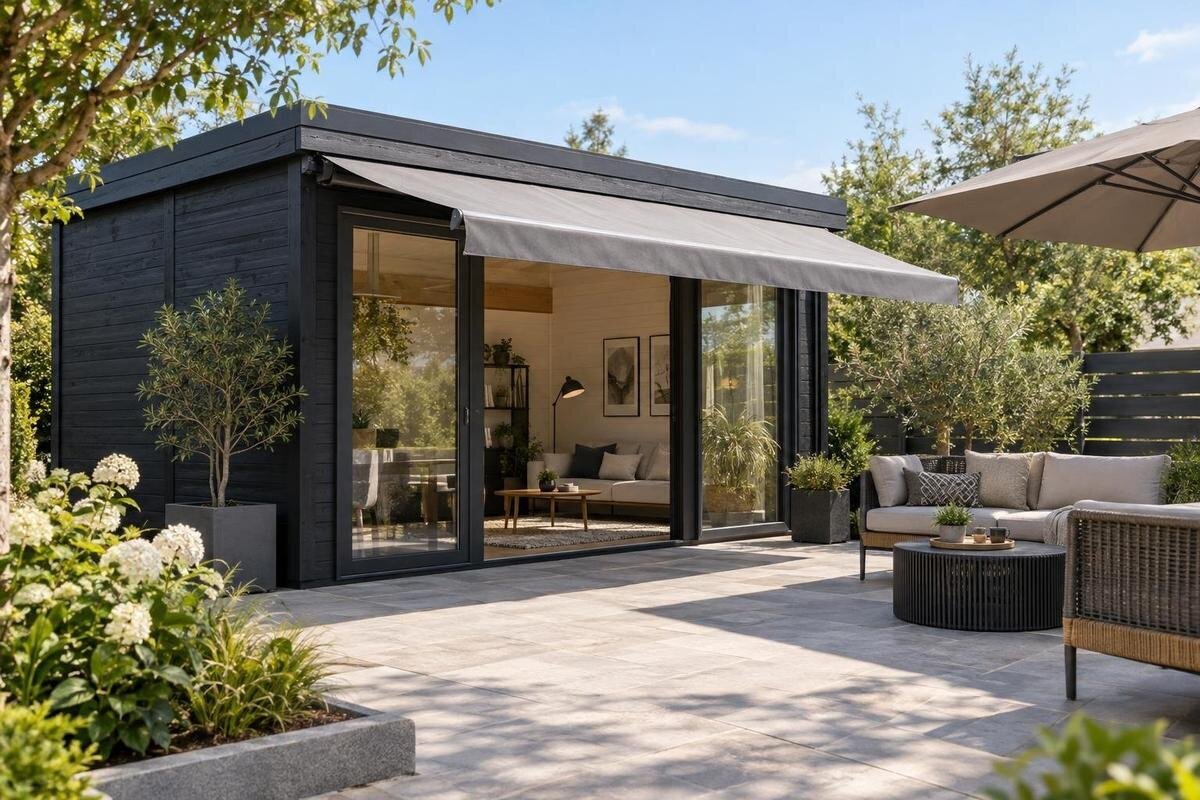
Shading a garden shed with a large glass front is about controlling direct sun and glare without losing the daylight and garden outlook that made the glazing appealing. The right arrangement depends on the light at the chosen site, the hours you use the space and how the front opens, not on a shade product picked in isolation. Plan the building and shade together: observe the sun, confirm the actual front layout, then decide whether an adjustable screen, an internal blind or a separate outdoor structure suits the garden.
Decide what the glass front needs to do
Start by identifying what the glazing is meant to do. It may frame a view, admit natural light for a bench or workspace, or make the shed feel more open when the doors are shut. Note who will use the space and at what times, then name the problem you want to address: direct sun on a seat, reflections on a computer screen, a bright patch that interrupts a task, or an interior visible from a neighbouring space. These are different concerns. A privacy screen can affect the view as well as the light, while a targeted change may be enough when glare reaches only one part of the room.
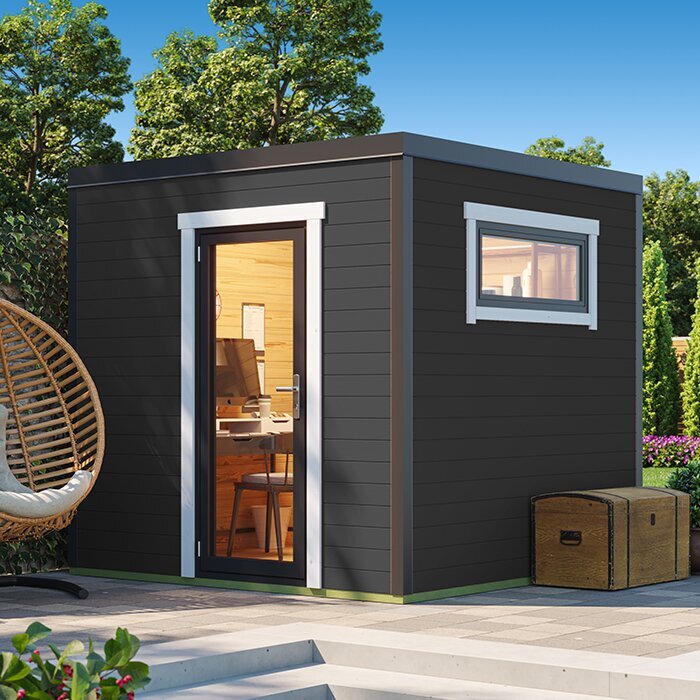
Give those priorities an order before comparing buildings. Decide whether an unobstructed view matters more than uninterrupted screening, whether the whole front needs shade or only the area beside a chair, and whether you are willing to adjust a screen through the day. Also consider whether the problem is seasonal or present whenever you use the shed; that can affect whether a fixed or adjustable option makes sense. Keep these notes beside your shortlist so a striking product image does not set the brief for you. When reviewing the Verdana 1 garden house listing, use the product details to confirm that its glazed arrangement matches your plan; the model name alone cannot establish that.
Track sunlight at the planned position
Before choosing a shade, observe the light at the exact spot where the building is intended to sit. Mark the line of the future glazed front and look at it at different times of day: early morning, around midday and later afternoon. Note whether sunlight falls directly on the front, enters at an angle or misses it, and where bright reflections appear inside. Record the date and weather as well as the time, and repeat on more than one clear day if possible. Cloud cover can make one observation misleading, while nearby walls, trees and fences cast shadows that shift as the sun moves. If the shed is not in place yet, stand where its front is planned rather than using the current shed as a substitute.
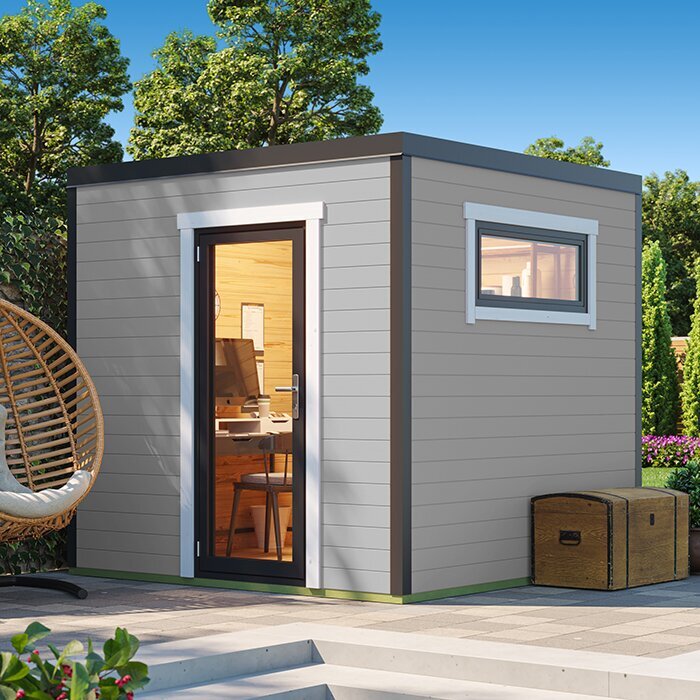
Sun angle and daylight change with the season, so a single sunny-day snapshot cannot tell you how the front will behave all year. Note when you expect to use the space most and whether the issue matters in that period; if you need a year-round answer, observe at different times of the year or use a reputable sun-path tool as a planning aid. Such a tool cannot account for every feature of your garden, so compare its guidance with what you see on site. For the Verdana 2 garden house listing, or any shortlisted model, ask the seller to confirm which face is glazed and how it is shown in the current drawing. Then tie your observations to the actual orientation you would order.
Account for existing shade and garden access
Existing shade can be a useful part of the plan, but check it at the height and position of the planned glazing. A boundary wall or neighbouring building may block sun only at certain times, while a leafy tree can create a different pattern as its foliage changes. Walk the boundaries and sketch fixed structures, trees, hedges and paths around the proposed footprint. Consider the view from inside as well: a screen that cuts glare could also cover the garden outlook or make the entrance feel enclosed. Compare shadows on the ground with light at the height of the planned front; ground-level shade alone is not enough to judge what will happen at the glass.
Plan for access and future garden work as well as shade. The doors need a clear route, and you may want room to reach the sides of the building, maintain planting or move equipment past it. A dense hedge or new tree can take time to create the effect you want, so treat it as a long-term landscape choice rather than an immediate screen. Conversely, do not assume an existing tree will keep its present shape; if its long-term condition or management is a concern, speak with a qualified tree professional. When assessing the Durano garden shed listing, check the confirmed footprint and front orientation before deciding that a nearby feature will shade it. Keep a practical route around the building even if the planting plan changes.
Choose between external, internal and movable shade
An outside shade intercepts direct sun before it reaches the glass; an inside blind or curtain acts after the light has entered. That distinction can guide the purchase. External options might include a freestanding screen or canopy, or an attachment specifically approved for the building. Their shade pattern changes as the sun moves, and the screen itself may affect the view. Internal blinds can be adjusted from inside and can address brightness at a particular part of the glazing, though they may reduce the daylight you wanted to keep. Neither choice is universally best: consider whether you value an open view, frequent adjustment or avoiding a permanent structure most.
Treat each approach as a separate item to verify, rather than assuming it comes with the shed. Check whether a proposed screen is fixed or movable, whether it fits within the available garden space, and whether a blind or awning is compatible with the glazing and door operation. A listing photograph may show styling or accessories without confirming what is included. For the Veltor 1 garden house listing, as for any model you consider, use the written product information or ask the seller which items are supplied and whether a particular shade system is approved. If that cannot be confirmed, plan around a separate shade option rather than assuming you can attach one.
Balance glare control with daylight
Decide how much of the glass should remain clear. A full-width covering might deal with a broad band of direct sun, but it can also obscure the view and leave the interior dimmer when the light changes. Partial shade can preserve a bright area, while an adjustable solution lets you change coverage at different times. Consider where you sit or work and whether direct light needs blocking only at one point. If the goal is to reduce glare from a particular angle, a shade at the affected section may be preferable to covering every pane. Sketch the arrangement first, including the areas you want to keep bright.
Ask for confirmed glazing dimensions and the exact position of doors or opening panels before choosing a blind, screen or canopy width. Do not size a treatment from a photograph, a product nickname or a number in a URL; those do not establish the finished opening. For the Orello 1 garden house listing, request the relevant current drawing or dimensions from the seller and compare them with the shade supplier’s requirements. If details are not available, ask rather than treating a rough estimate as an order measurement. This helps avoid choosing a treatment that leaves the wrong area exposed or interferes with a frame.
Keep doors and furnishings in the plan
Door movement deserves a place on the plan from the start. A glazed front may include opening parts, but their exact arrangement varies by building; do not assume that a door swings, slides or folds in a particular way from a styled image. Check the current drawing and operating information, then allow for the space needed to enter, carry items and open the door fully. Shade should not obstruct the entrance or catch on moving panels. If a screen is freestanding, mark its proposed footprint beside the door path; if it is fitted to the frame, get confirmation that it will not interfere with the opening.
Plan interior furnishings at the same time. A desk facing the glass may catch reflections, while a chair positioned to enjoy the view may need only local shade; moving furniture can sometimes address glare without covering the whole front. Sketch furniture, door paths and the line of incoming light on one simple plan, and note what can be changed after installation. With the Modano 1 garden house listing, as with any other candidate, confirm the opening layout from the supplied details before ordering a treatment. If the arrangement is unclear, pause the shade purchase until you have the correct information; otherwise even a suitable-looking product may be the wrong fit.
Confirm attachment compatibility
Fixed external shade can be useful, but a wall, frame or roof edge is not automatically designed to carry an added awning, sail, trellis or screen. Do not infer fixing capacity from the building’s appearance, from a similar model or from the fact that a shade product is sold for gardens. Check instructions for both products and ask the shed supplier to confirm whether the proposed attachment is suitable for the exact model and location. If the answer depends on how the building is installed or exposed, consult a qualified installer or other relevant professional. This is a compatibility check, not a reason to make an unsupported modification.
If approval for an attachment cannot be established, choose a genuinely separate support system and follow its maker’s instructions for placement and stability. Think about the exposed site, the available space and how the shadow shifts as the sun moves; a freestanding screen still needs a suitable position and must not obstruct access. Do not treat the shed roof as a ready-made support for a canopy or shade sail. If your plan needs a fixed canopy or other structure, ask a professional to assess it rather than working from generic dimensions. Resolve this before you place an order, because the building and shade may need to be selected as a compatible pair.
Compare product details rather than product names
Product titles and photographs are useful for recognising a model, but they do not establish the size, glazed area, opening direction or what is included. Check the current description, drawings and specification for the exact version you mean to order. Look for a front elevation that clearly identifies glazing and doors; if it is missing, ask the seller for confirmation. Separate building features from accessories shown for presentation, and note whether shade is included, optional or not described. Keep a written record of answers that affect your plan. This is especially important when product names describe a use or style rather than the configuration you need.
A label such as the garden tool shed M listing cannot by itself tell you whether the front is largely glazed, so check the actual product details before treating it as a candidate for this layout. The same rule applies to any garden shed: compare its confirmed glazing and front arrangement with your notes, not just the category name or a close-up image. If you are choosing between several buildings, use the same questions for every listing. That makes the comparison fair and helps prevent you buying a shade treatment for a front that differs from the one you assumed.
Confirm the order details against your shade plan
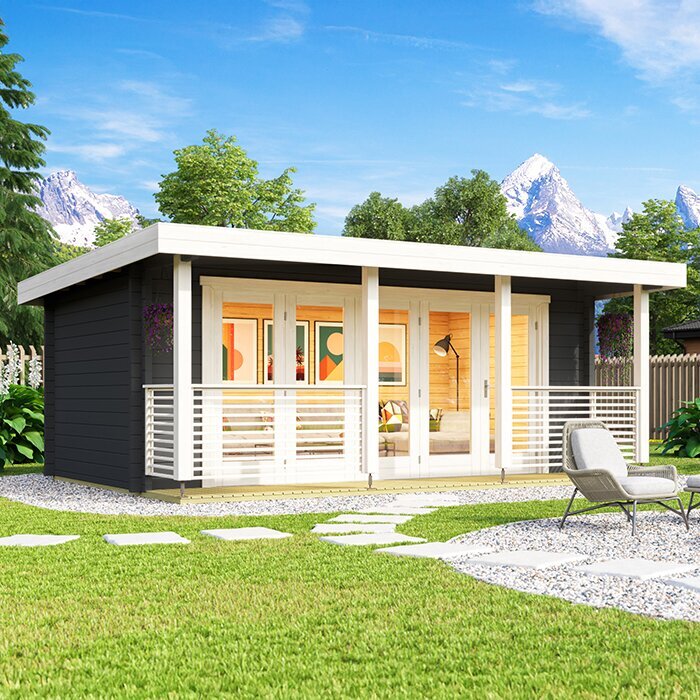
Before ordering the building or a separate shade, turn your plan into a short list of facts to confirm: the exact model and version; the front’s orientation and opening layout; the dimensions of the glazed section; the treatment’s coverage and operating space; and whether any attachment has been approved for that model. Check how the building will reach its final position, including access through gates or around other structures, and whether the selected shade requires clear garden space. These are different checks: a shade that fits the glass on paper may still block a path, door or other use of the garden.
Use separate product documents for the building and the shade, and do not assume one supplier’s general information applies to another model. For the garden shed S listing, or another item on your shortlist, compare the confirmed front layout and stated dimensions with the plan for that exact building; avoid copying measurements from a different listing. Ask who supplies any proposed accessory and who is responsible for confirming compatibility. If details conflict between a photograph, a page description and a drawing, ask for clarification before ordering. A clear answer now is easier to work with than adapting a shade arrangement after delivery.
Allow for seasonal changes and upkeep
Shade needs may change as the garden grows, furniture moves or you use the shed at different times. Where glare is intermittent, an adjustable or easily relocated option may preserve more light than a permanent covering. Where a fixed screen is the only practical route, make sure its level of shade suits the uses you listed and that it does not hide the view you value. If possible, try the intended position with a freestanding temporary screen, following its maker’s instructions and keeping the entrance clear. Check it at the times when glare is most likely. A short trial helps test the layout, but it cannot guarantee long-term performance.
Include upkeep in the buying decision. Ask what routine care the shade requires, whether it needs to be removed or adjusted in certain conditions, and how the glazing and frame should be cleaned around it. If plants form part of the plan, consider who will maintain them and how their height and shade may change; do not choose planting solely for an immediate result. Keep instructions for the building and shade together, and revisit the arrangement after the first periods of use. You can then fine-tune where people sit or how much of the glass stays screened without starting with a permanent alteration.
Frequently asked questions
Is external shade better than an internal blind?
Not always. An outside screen can intercept direct sun before it reaches the glass, while an internal blind can reduce brightness from inside but may also limit the view and daylight. Choose according to how much of the outlook you want to keep, how often you need to adjust the shade and whether the proposed system is compatible with the building.
How can I tell when the glass front will get direct sun?
Observe the planned position at different times of day and on more than one clear day. Note when sunlight reaches the front and where it creates glare inside. Because the sun’s path changes through the year, observations from one season may not reflect how the shed will behave in another.
Can trees provide shade for a glass-fronted garden shed?
They may, but the pattern depends on the tree’s position, size and foliage, and it can change as the tree grows or through the seasons. Treat planting as a longer-term part of the garden plan, not an instant screen. Check that it will not interfere with access or the space you need around the building.
Can I attach an awning or shade sail to the shed?
Only if the building supplier confirms that the proposed attachment is suitable for the exact model and installation. A wall or roof edge is not automatically designed to carry an added shade. For a fixed attachment, ask the supplier or a qualified installer to confirm compatibility rather than relying on appearance or generic instructions.
Will an internal blind remove glare?
It may reduce brightness from inside, but sunlight has already passed through the glass, and the blind can also reduce the daylight and view you want to retain. Its effect depends on where the glare occurs and how the blind fits. Check compatibility with the glazing and door movement, and consider how it works at the times you use the shed.
Good shading starts with observations rather than an accessory: identify when the glass front receives direct light, decide what daylight and view you want to keep, and check the front and door layout of the exact building before ordering. Then choose a shade method that suits the garden and has confirmed support or a separate structure. The aim is not to make the shed dark, but to keep the glass useful at the hours that matter. A confirmed drawing and a clear shade plan are more dependable than guessing from a product image.
