
Why Timber Garden Sheds Need Room for Natural Movement
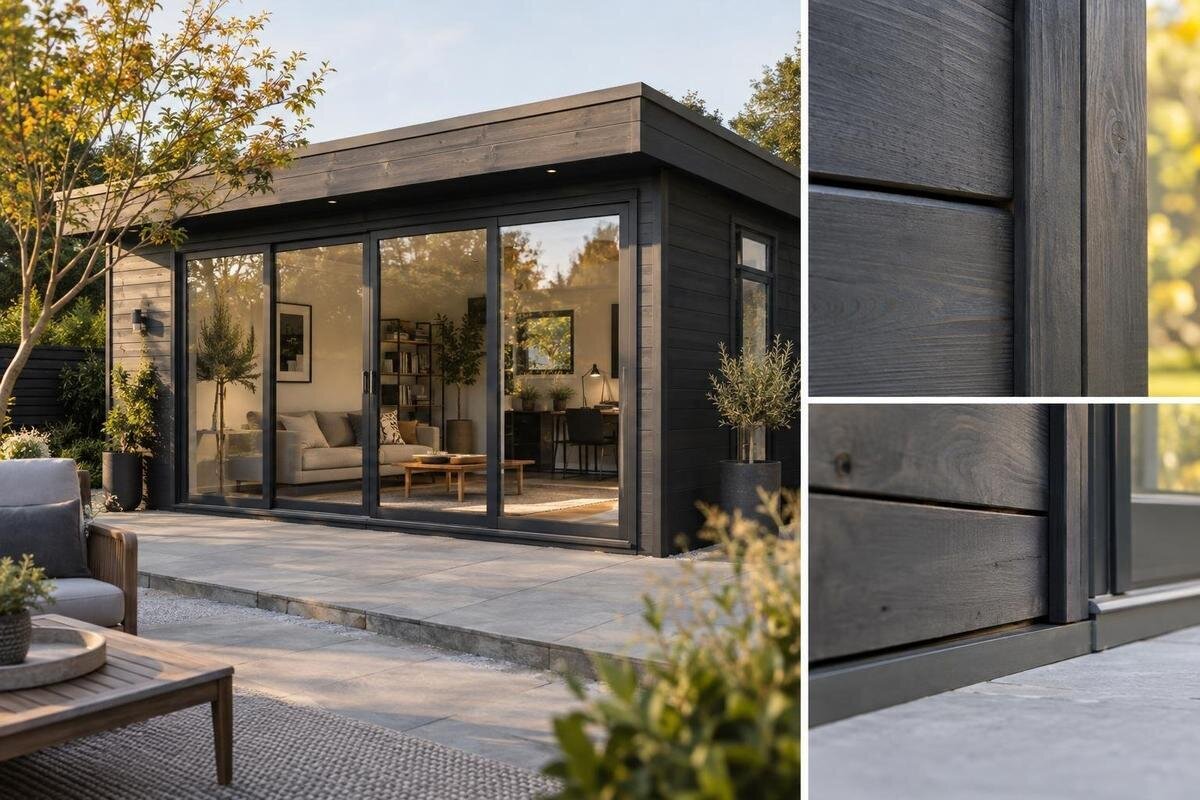
Garden shed planning
Timber naturally takes up and releases moisture, so a garden shed can change slightly as conditions around it change. That movement is not automatically a defect; trouble is more likely when the structure has no intended way to accommodate it, or when the base, fixings or openings are poorly planned. Allowance does not mean leaving random gaps around the building. It means understanding how the chosen shed is built, preparing its support and following the exact instructions for assembly, clearances and care.
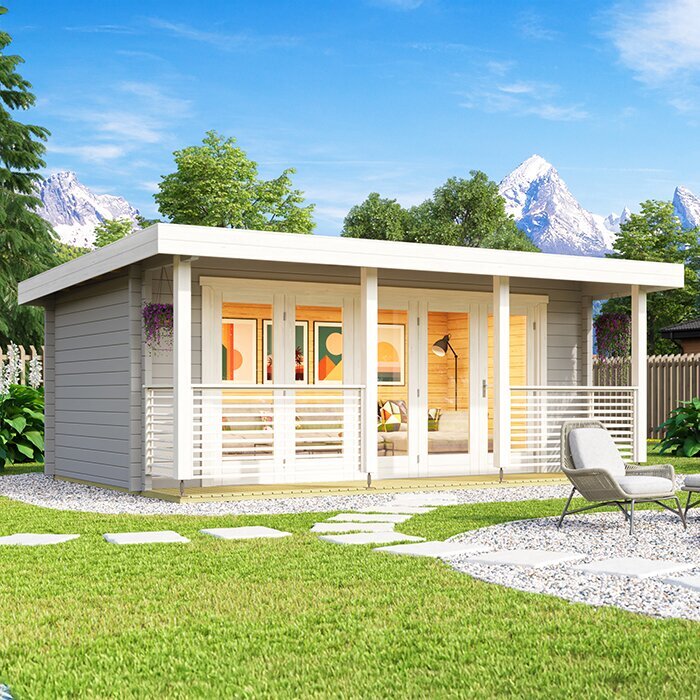
Why timber garden sheds need movement allowance
Timber is hygroscopic: it exchanges moisture with the surrounding air and can also take up moisture through wetting. As its moisture content rises, it generally swells; as it dries, it shrinks. This response can repeat as conditions change and may not be obvious from one day to the next. How much a piece moves depends on the timber, how it has been cut and prepared, and how much its moisture content changes. A timber shed is therefore not dimensionally inert. Its design has to account for movement rather than assume every board will stay exactly the same size.
An allowance means that joints, panels and connections have a planned way to accommodate changes while the shed remains stable and keeps out the weather as intended. If a part is restrained where it needs to move, a joint may open, a board may bow, a fixing may be stressed or an opening may bind. Those symptoms can also result from a base or assembly issue, so they do not prove that natural movement is the cause. The aim is neither to stop all movement nor to leave an arbitrary gap around the building. It is to preserve the route designed for movement in the chosen shed.
Moisture changes drive expansion and contraction
Timber moisture content responds to the humidity of the air as well as to direct wetting and drying. A roofed shed still experiences changes in the surrounding air, while timber near a damp surface may respond differently from a more sheltered piece. In most sawn timber, movement across the grain is more noticeable than movement along its length. That is why the width of a board can matter more than its length when considering joints and gaps. The whole building does not expand evenly in every direction, and the grain and design determine where changes are most relevant.
Conditions during storage, transport and assembly may differ from those at the eventual site, so a further adjustment can happen after delivery. Timber responds over time; the weather on one assembly day does not tell you how it will behave through later wet and dry periods. Do not estimate an allowance from a photograph or product title: even the name Verdana 1 garden house does not identify the wall system or its movement details. Use information for the exact model and ask the supplier if the assembly conditions are unclear. This matters when comparing different designs rather than treating all garden sheds as interchangeable.
Wall construction affects where movement is managed
Timber garden sheds are not all assembled in the same way. Some use solid timber members or interlocking courses; others use framed panels with boards or cladding. Depending on the design, movement may be most relevant at board edges, between courses, at panel joints or around an opening. These are broad examples, not a way to identify a particular model from its appearance. The instructions should explain how that construction is intended to move and which parts need to stay aligned. Knowing the system helps you understand why one shed's assembly details may not suit another.
Before choosing between models, look for assembly instructions and drawings that match the exact model and version you plan to order. Check whether they identify the wall arrangement, connections, opening details and any specified clearances. For the Verdana 2 garden house, as for any listing, establish the construction from its own documentation rather than inferring it from a name or photograph. If a movement detail is not explained, ask before placing the order rather than improvising during assembly. This also helps distinguish a planned movement detail from a part that needs careful alignment.
Why the base must be level and stable
A sound base does not stop timber changing dimension, but it prevents uneven support from adding another problem. If the support is twisted, uneven or out of level, the walls can be pulled out of square; doors and windows may then sit poorly even if the timber has moved only a little. Follow the model's stated support arrangement, including whether the shed needs continuous support or particular bearing points. Do not choose a base solely because it suits another shed or looks flat from a distance. Check its footprint and requirements against the product information before the kit arrives.
Base distortion is not the same as natural expansion or contraction, although the two can occur together. Uneven support can make a door catch for a different reason, and adjusting the timber will not correct a base problem. Compare the required footprint and support details for each option: the Durano garden shed should be assessed against its own instructions, not a base plan assumed from another model. If you are unsure how to provide the specified support on your site, ask a competent installer or suitable professional before assembly rather than compensating with improvised packing.

Choose a site that allows inspection and drying
Where the shed sits affects how long its timber and base are exposed to wetting, drying and restricted airflow. Check for water that collects at the intended position, run-off from nearby surfaces, soil that stays damp and places where vegetation or a close wall would block inspection. Sun and shade can also differ across the building, so opposite faces may not dry at the same rate. These conditions do not create one universal rule for every site; they are reasons to assess the actual plot and the clearances named in the installation guidance. Plan access for assembly as well as for later inspection.
Leave the space specified by the maker for assembly, opening doors and maintaining the outside surfaces. Do not assume that a tight fit between a fence and shed is suitable just because the footprint fits. Air circulation and access can help you notice persistent dampness, damage to a finish or a blocked drainage route, but they do not replace the product's base and weather details. When reviewing the Veltor 1 listing, compare the proposed location with its exact installation information. If nearby trees or buildings affect shade or direct water towards the base, take those conditions into account when planning the position.
Use the specified clearances and fixings
A movement allowance is not a perimeter gap for the installer to guess. Depending on the wall system, the maker may specify a clearance at an opening or joint, or a connection that lets one component shift relative to another; some designs may use a different arrangement. Apply only the details shown for that model and in the positions specified. A standard measurement borrowed from a general online tip could be too large, too small or in the wrong place, leaving a shed exposed or preventing a joint from working as intended. The required allowance is a product-design detail, not a general timber rule.
Use the supplied fixings and assembly sequence, and do not clamp or force parts in a way the instructions do not allow. Equally, do not leave connections loose, remove fixings, trim a door or cut a slot in an attempt to create movement; those changes can undermine the intended fit. Check how the manual treats door and window frames, cladding and connections to the base. For the Orello 1 listing, rely on instructions for the exact model rather than a method used on a different shed. If a part will not align, pause and find out why before forcing it.
Store timber carefully before assembly
Exposure to moisture between delivery and assembly can change the condition of timber components. Plan delivery so the base and assembly arrangements are ready, and store the kit in the way the supplier specifies. Avoid leaving components where they can sit in standing water or covering them in a way that traps moisture; the suitable arrangement depends on the packaging and instructions. Keep labels and piece identification readable, as correct placement matters when parts are assembled into a designed system. If packaging is damaged or components appear distorted, ask for advice before building them in.
Acclimatisation advice is not one-size-fits-all. A waiting period, unpacking method or stacking arrangement suggested for another product may not apply. Follow the guidance for the exact kit rather than leaving it unprotected for a guessed number of days. If the manual says components should adjust to site conditions, use its stated method and keep them protected as directed. Check handling and storage information for the Modano 1 listing before delivery, or ask the seller if it is unclear. This can help avoid starting assembly with material stored in conditions the manufacturer does not recommend.
Finishes do not stop timber movement
A finish can reduce the rate at which timber takes up or releases moisture, but it cannot make wood dimensionally fixed. It may also serve a weather-protection role, depending on the system supplied, but do not assume that any paint, stain or preservative is suitable. Follow the maker's directions on compatible products, preparation, timing and which surfaces or joints should be treated. In particular, do not fill, coat over or bridge a joint that the instructions identify as needing to move. A continuous-looking finish is not worth obstructing a designed connection.
Keep the care plan realistic: inspect the exterior and accessible joints from time to time, especially if you notice water collecting or damage to the finish, and follow the maintenance instructions. Look for changes in the same places over time rather than judging by one small crack or a single damp day. A change in a board's appearance does not automatically mean that more coating or a larger gap is needed. Before buying the Wooden Garden Tool Shed M, confirm the care guidance and compatible finish for that exact model instead of assuming all timber sheds take the same treatment.

What to confirm before ordering a timber garden shed
Before ordering, make a list of the information you need to plan for movement: the wall construction, specified base arrangement, treatment of openings and joints, fixings, and any clearance the installer must preserve. Check the overall footprint against the planned base and find out whether assembly documents are available for the exact model. Product photographs and names identify a listing but rarely show the details that govern installation. If an important point is unclear, ask the seller or manufacturer before placing the order or booking an installer. Do not treat another model's manual as a substitute.
Think about timing as well as the shed itself. If the base is not ready when the kit arrives, you will need to store the components in the specified conditions, so confirm delivery arrangements and storage guidance before choosing a date. Make sure whoever assembles the shed can refer to the instructions and understands any movement-related details before work begins. If considering the Wooden Garden Shed S, use its own listing and documents to verify what is supplied and what preparation is required. Clear information before ordering is more useful than trying to correct an unclear detail after the walls are in place.
How to respond if doors or joints shift
A change in the appearance or fit of timber may accompany changing conditions, but no single visual sign proves that movement is harmless. A joint that opens slightly can have more than one cause, while a door that catches may reflect the base, assembly, moisture or another alignment issue. Notice whether a symptom appears after conditions change, whether it recurs and whether other parts have shifted too. Compare what you see with the manual, and do not assume every gap needs filling or every sticking door needs trimming. A pattern across several parts may be more informative than one isolated mark.
If a panel is visibly distorted, a connection has pulled apart, an opening becomes difficult to use or the problem continues, stop forcing the parts and review the support and assembly against the instructions. Take clear photographs and note when the change appeared; that information can help a supplier or competent installer assess the issue. Avoid unapproved cuts, extra fasteners or loosening existing connections, as these may hide a cause without resolving it. Where the source is uncertain or the structure's alignment is significantly affected, get qualified help before carrying out an alteration.
Frequently asked questions
Does natural movement mean my timber shed is faulty?
No. Timber naturally responds to changes in moisture, so some movement is expected. However, substantial distortion, separated joints or persistent trouble with an opening can have other causes as well. Compare what you see with the assembly and care instructions, and ask the supplier or a competent installer if you are unsure.
How much movement clearance should I leave?
There is no single clearance that suits every timber shed. The location and amount depend on the design, its joints and openings, and the specified base and assembly method. Use the instructions for the exact model rather than guessing or borrowing a measurement from another shed.
Will paint or preservative stop timber expanding and contracting?
No. A suitable finish may slow the rate at which timber takes up or releases moisture, but it will not make the wood dimensionally fixed. Follow the maker's directions for compatible products and avoid coating or filling any joint that the instructions say must remain free to move.
Can an uneven base make a door stick?
It can contribute. Uneven or twisted support may pull a shed out of square and affect the alignment of doors or windows. That is different from natural timber movement, although the two can occur together. Check the base and assembly against the model's instructions before changing the door or its fixings.
Should I loosen a fixing if a board seems to have moved?
Not unless the model-specific instructions tell you to. Fixings help hold the structure together, and loosening or moving them without guidance may create a new problem. Check the assembly details and the support first; if the cause is unclear, ask the supplier or a competent installer before making an alteration.
Natural movement is best treated as part of choosing and planning a timber garden shed, not as a reason to guess at gaps or change fixings after assembly. Confirm how the exact model handles movement, prepare the specified support and follow its guidance for storage, installation and care. That gives the shed room to behave as designed while helping you recognise when a change needs further attention.
