
Using an Outdoor Hot Tub in Winter: What to Prepare
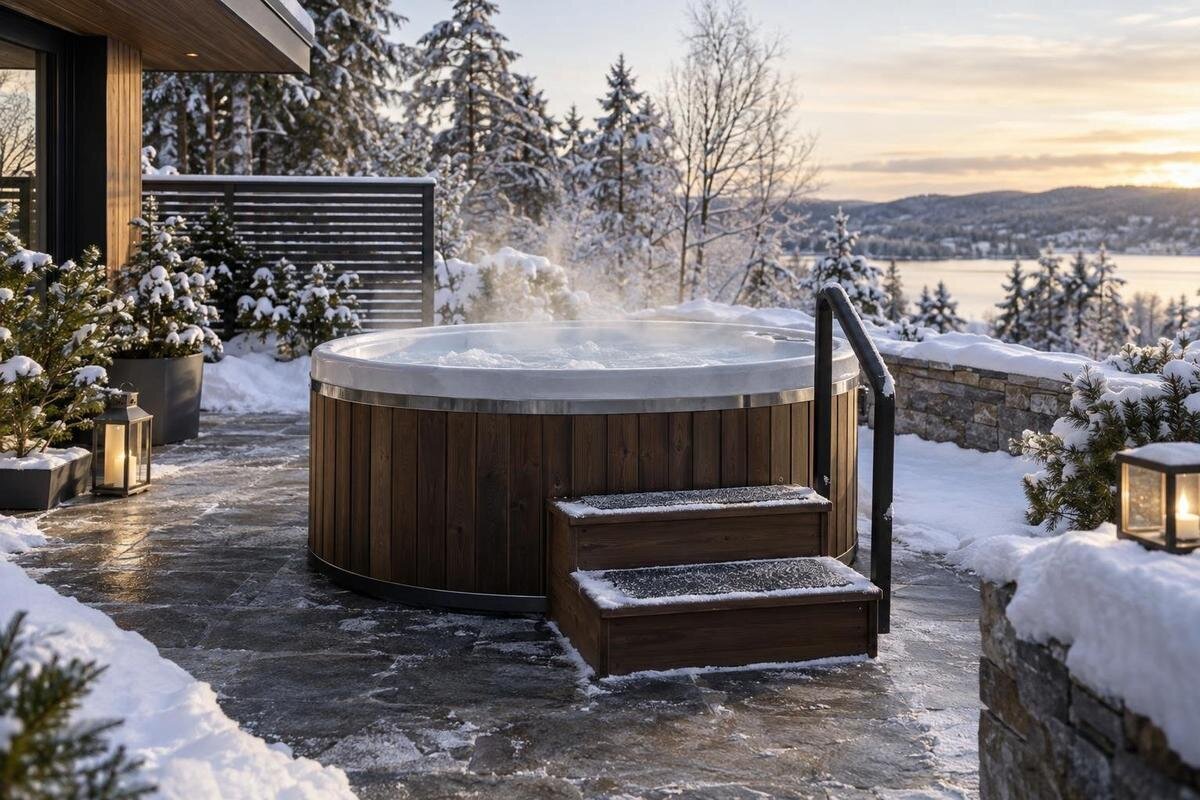
Winter use
Using an outdoor hot tub in winter calls for more than a general cold-weather checklist. The right preparation depends on the exact model’s current instructions and on the conditions where you live. Before a session, clarify frost precautions, operating limits, water-care and safety guidance, then plan the practical details: the route outside, a place to change, towels, daylight and the local forecast. This guide focuses on tubs intended to remain in use, and on how to decide whether a model’s documented requirements fit your routine.
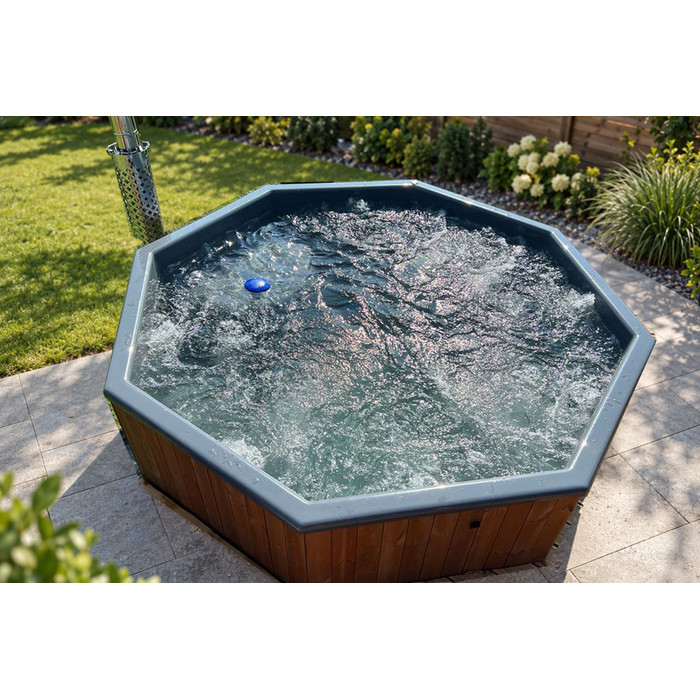
Before you choose 1
What to prepare before a winter hot tub session
Before heading outdoors, agree a realistic start time and outline the whole trip: gather what you need, change, walk to the tub and return indoors. A winter session includes every one of those steps, not just time in the water; darkness, rain or damp clothing can make an unplanned extra trip awkward. Decide who is joining and what each person needs, then set clothing and supplies aside before anyone changes. Separate what must go outside from what can stay indoors, so you are not carrying loose items back and forth. Keep the plan flexible: if conditions differ from those expected, compare them with the exact model’s current instructions and postpone if the guidance does not cover them.
For a prospective buyer, describe a normal winter week before looking at products: perhaps an evening routine, weekends in daylight, or use only when the weather suits. Decide how much preparation and checking you can realistically fit in, and whether changing indoors and carrying essentials will work for everyone who expects to use the tub. The Bloomcabin Hot Tub Cove 2 listing identifies one candidate to investigate, but its name does not establish cold-weather limits or suitability. Ask for current documentation for the exact model and compare its stated requirements with the routine you actually plan to follow. A practical checklist based on your habits is more useful than assumptions drawn from a photograph or model name.
Find the current instructions for your exact model
Find current instructions for the exact model and confirmed equipment configuration, rather than relying on a general guide, an old copy or a page for a similar tub. Check that the model identification matches the unit and note the document version or date if shown. Look for the cold-weather operation section and mark anything it says about environmental limits, warnings, continued use or interruption. If a term is unclear, ask the manufacturer or seller to explain it for your precise setup; do not assume that advice for another configuration applies. If there are separate operating and water-care documents, identify which one answers each question and keep the relevant instructions accessible before you go outside.
When comparing a model such as Bloomcabin Hot Tub Haven 6, organise the information you receive by purpose: operating instructions, cold-weather guidance and water care. Note where each document is stored so you can find the relevant section without searching through several files before a session. Keep any official clarification alongside the instruction it explains, with the model details and date of the reply. If a product page, printed manual and later support reply seem inconsistent, ask which current instruction applies. This gives you a usable reference for preparation rather than a collection of disconnected messages, and avoids choosing whichever version seems easiest to follow.
Before you choose 2
Confirm frost precautions and operating limits
Ask the manufacturer what frost precautions apply while the tub is filled and being used as intended. Distinguish ordinary use from a temporary interruption, such as a loss of power or another function, and from a planned pause; a procedure written for one situation may not apply to another. Check whether the instructions define limits for outdoor conditions, explain warnings, or say what to do if service is interrupted. There is no useful universal figure or workaround to apply without knowing the exact equipment and its guidance. If the manual does not answer a question about the conditions you expect, get direct advice before relying on an assumption.
If you are considering Bloomcabin Hot Tub Fjord 8, include interruption arrangements in your questions about winter use. Ask how the guidance distinguishes a session you decide to postpone from an interruption after preparation has begun. Establish whom to contact and what information they will need about the model, its equipment and any warning shown. For an existing owner, keep those contact details with the relevant instructions rather than having to search for them when plans change. The aim is to know where to find the prescribed response, not to devise a general frost procedure that might conflict with the requirements of your particular setup.
Plan the route between the house and hot tub
Walk the route from the changing space to the tub and back at roughly the time you expect to use it. Note doors, thresholds, gates, steps, loose objects and places where you may need to stop while carrying a robe or towel. Consider how rain, frost or reduced light could affect visibility and the ease of carrying your things. Check the return journey separately: a door or gate that is straightforward on the way out may be awkward when you are bringing belongings back indoors. This walk-through helps you identify practical arrangements to resolve; it does not replace the manufacturer’s instructions or establish whether the conditions are suitable for use.
For a prospective buyer, the Aurora 10 product page can be a starting point for questions about the exact model’s access requirements. Ask for confirmed details relevant to getting in and out, then consider those alongside the route from your changing space. A model name or photograph cannot establish whether that journey will work for you. Think about where you would put the items you carry and whether doors or gates would be awkward to manage with wet hands. For an owner, use the same walk-through to identify belongings left in the way or arrangements that need changing before people are waiting outside.
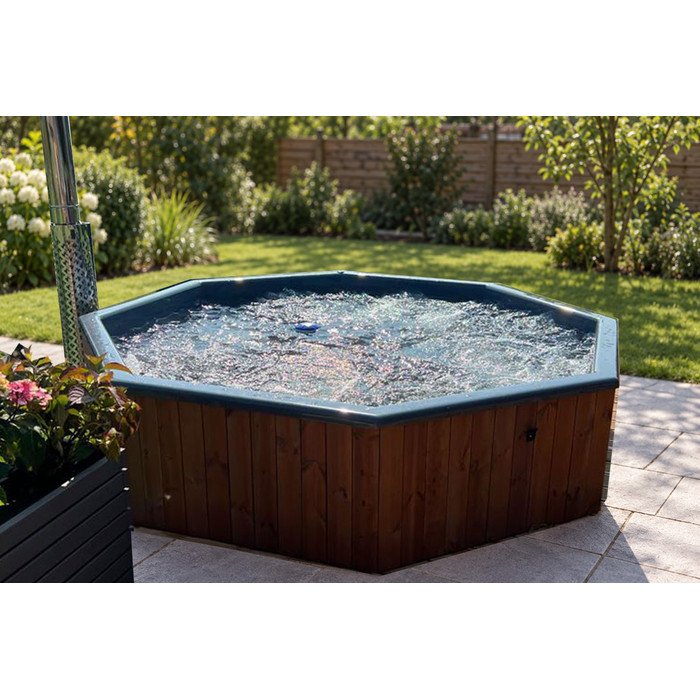
Before you choose 3
Arrange a dry place to change
Choose where everyone will change and decide where dry clothes, swimwear and wet items will go. Keeping ordinary clothes separate from towels makes it easier to return indoors without sorting through a damp pile at the doorway. Check that the changing space offers the privacy people need and that there is a straightforward route back to it. If guests are joining, tell them in advance what to bring and where to leave their belongings. That avoids last-minute trips in and out and makes the preparation easier to share.
Think through the return as well as the way out: where will each person leave wet swimwear, and can they reach their dry clothes without moving someone else’s belongings? If several people share the changing space, agree an order and allow for anyone who wants to return indoors earlier than the others. Explain the arrangement to guests before they change, including which space is private and where their belongings will remain. Keep spare clothing indoors until needed rather than leaving it where it may become damp. A clear arrangement for the return means people can get changed without a last-minute search or a queue at the doorway.
Choose a time using daylight and local conditions
Do not plan from a broad assumption about Irish winter weather: conditions differ by locality and can change during the day. Check a reliable local forecast near the time you intend to use the tub, including the conditions relevant to your route and return indoors. Treat the forecast as one planning input, not as a replacement for the model’s stated operating limits. Compare what is expected with what the manufacturer says; if you cannot establish whether the conditions are covered, ask for guidance or choose another time. Recheck if the weather changes while you are preparing rather than continuing simply because the session was planned.
Allow for the possibility that a convenient time after work falls after daylight, and include changing and the trip back inside when you set the start time. Check whether the route and relevant controls are visible under the conditions you expect. If lighting needs to be changed or electrical work is involved, get advice from an appropriately qualified professional instead of improvising an outdoor setup. When considering the Haven 6 listing, distinguish the model’s documented weather limits from your preferred session time. Even if the operating guidance covers the expected conditions, you still need a workable plan for seeing your way out and returning indoors.
Before you choose 4
Keep towels and other essentials ready
Set out towels, a robe, suitable footwear for the route and dry clothes before changing. Put them somewhere you can reach when you return from the tub, and keep them separate from items that might get wet while you are outside. A single basket or bag can make it easier to carry essentials without juggling several things. If each person needs different items, prepare them separately so no one has to search indoors after the session has begun. Include any personal belongings you normally use, but keep them in a place where they will stay dry and secure.
Before going out, check that everything is ready for the whole group, not just the first person. Consider who will bring the items back in and where wet towels or swimwear will be put afterward. If the manufacturer’s instructions call for a particular check or item before use, make sure you understand the directions and have what they specify; do not substitute a product or method based on an unrelated online tip. Keep the list short enough to repeat: towels, changing items and the essentials required by your model’s instructions are easier to remember when they have a set place.
Follow model-specific water-care guidance
Use the current water-care instructions for your exact tub and treatment system. Before a session, find out which checks the manufacturer requires, what method and readings apply, how to interpret them, and what the instructions say if a result is outside the stated range. Do not borrow figures or procedures from another model or a general winter article. Directions for treatment products also matter, so read their labels and follow the guidance that applies to your setup. If a result or instruction is unclear, contact the manufacturer or the relevant product supplier before proceeding rather than guessing at a correction.
When considering the model on the Fjord 8 product page, ask to see the water-care instructions so you can understand the preparation involved before buying. Look at what you would need to have ready, which directions you would consult and which checks must be completed before use. Consider whether you can fit that preparation into an evening session rather than judging the routine only by time spent in the tub. Owners can use the same approach to organise the required items and directions. Resolve any unfamiliar measurement, product reference or timing in advance, so the preparation does not depend on an answer you still need to obtain.
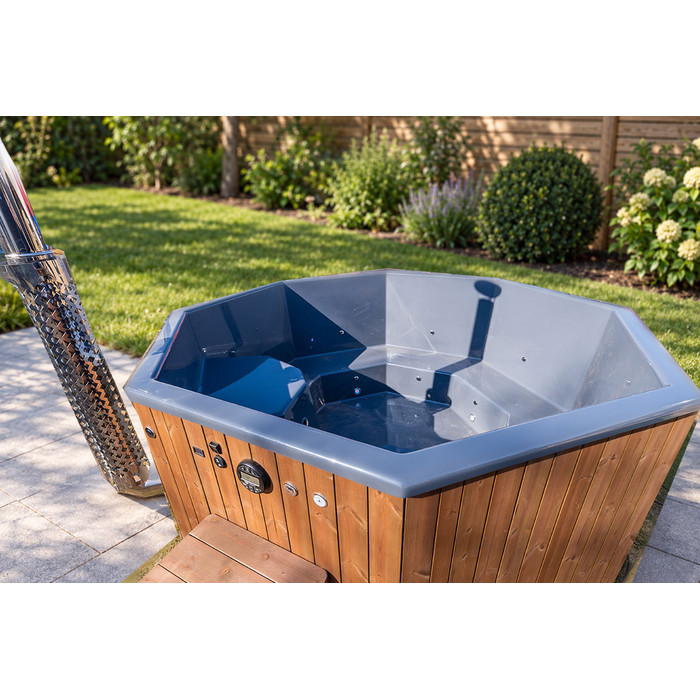
Before you choose 5
Confirm temperature, electrical and fire-safety guidance
Before the session, locate the temperature guidance in the current instructions for your exact tub. Confirm both the permitted range and the specified way of assessing the water temperature; do not fill a gap in one by borrowing advice from another model or an informal article. If someone else will help prepare the tub, make sure you are both referring to the same directions and understand who will carry out the required check. Keep any clarification with that part of the manual. An unresolved question about a reading or instruction needs an answer before use, rather than an assumption made once everyone is ready.
Electrical and fire details depend on the exact equipment and installation, so separate questions about operating the tub from questions about work on the installation. For example, if you are considering the Aurora 10 catalogue entry, confirm the equipment supplied rather than inferring its heater type from the name. Questions about the installed electrical supply, inspection or repair belong with the manufacturer and an appropriately qualified professional. If the setup uses combustion equipment, obtain its operating and fire-safety directions from the relevant manufacturer and current authoritative guidance. In Ireland, use a qualified professional familiar with applicable requirements; this preparation guide is not a set of installation or repair instructions.
Check whether the model fits your winter routine
A suitable winter routine is one you can follow within the verified instructions, not a promise that a tub can be used in every kind of weather. Make a comparison list covering cold-weather limits, frost precautions, what to do if use is interrupted, required water-care checks, access, changing and daylight. Note who will handle each task and where you still need an answer. Ask for missing information before purchase, especially if an important part of the routine depends on an assumption. This helps distinguish a model whose documented requirements suit your plans from one that would leave you uncertain whenever conditions change.
When comparing the Cove 2 listing with other candidates, use the same questions and record the answers beside each model. Separate confirmed requirements from points still awaiting clarification, particularly where an answer could change your intended routine. A model name does not establish capacity, equipment, performance or winter suitability. Consider the whole session rather than one appealing feature: preparation, the journey outside, changing and what happens if plans are interrupted. If a requirement depends on conditions or preparation you cannot reliably manage, include that in your decision. The useful comparison is whether each model’s documented requirements fit the winter use you actually have in mind.
Frequently asked questions
Can I use any outdoor hot tub during an Irish winter?
There is no single answer for every model or every set of conditions. Check the current instructions for your exact model, including its stated operating limits, and compare them with the weather where you are.
What should I do if frost is forecast?
Check the manufacturer’s guidance for frost precautions during normal use and ask what applies if use is interrupted. Do not assume a limit or procedure from another model’s instructions applies to yours.
What water-care checks should I make before a session?
Use the current, model-specific water-care instructions and the directions for any treatment products. Confirm which checks and readings apply to your system; do not substitute figures or methods from a general guide.
How should I plan a session after dark?
Allow time for changing and the return indoors, and check that you can see the route and the relevant controls. If better lighting or electrical work is needed, get advice from an appropriately qualified professional.
Does the number in a model name tell me its capacity or winter suitability?
No. Treat a model name as an identifier, not as evidence of capacity, performance, equipment or cold-weather limits. Check those details in current, model-specific documentation.
Winter use is easier to judge when the model-specific guidance is clear and the practical preparation is repeatable. Confirm the instructions before the day, arrange access and changing, and have towels and essentials ready. Then use the local forecast and the stated operating limits to decide whether that particular session fits your plans. The most useful preparation is the kind that lets you act on verified guidance instead of guessing about frost, water care or safety.
