
How to Ventilate a Garden Shed While Keeping Insects Out
Garden shed guide
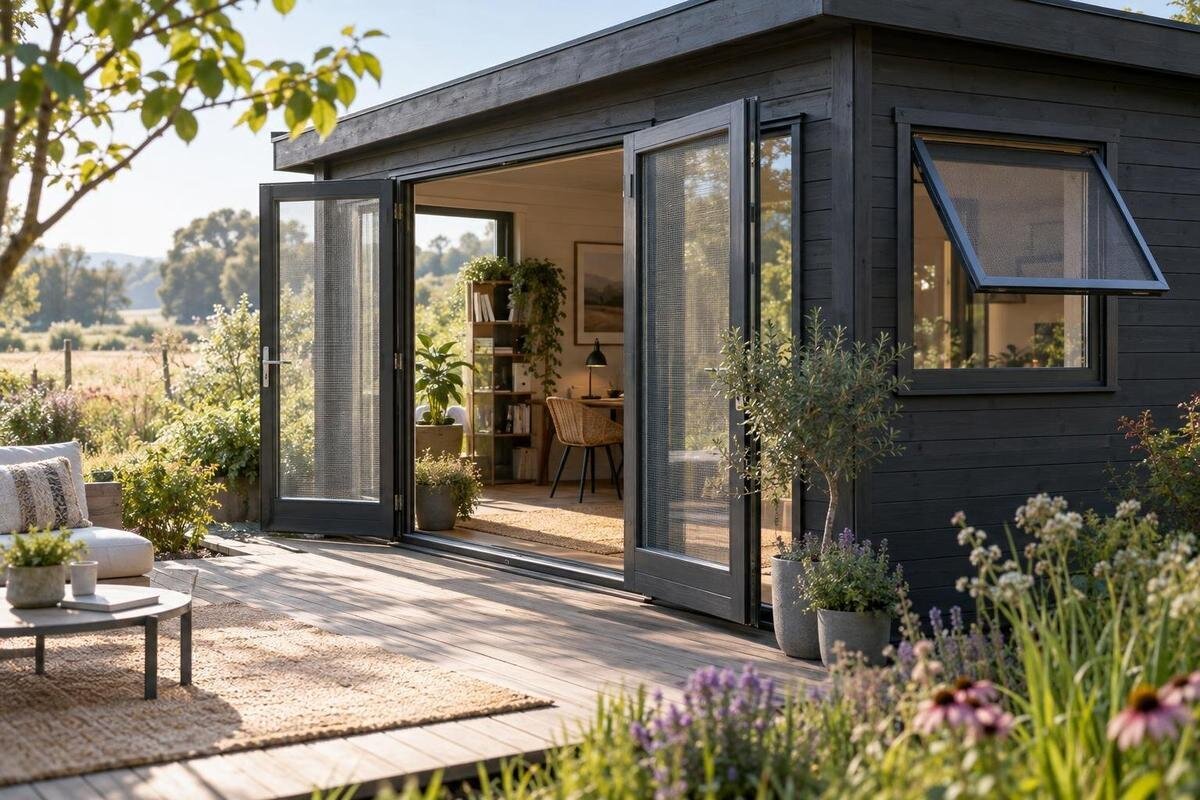
Ventilating a garden shed while keeping insects out is a balance: air needs a route through the building, but every open vent can also become an entry point. A screen can reduce that risk, though fine mesh, a poorly fitted edge or a blocked grille may restrict airflow. It is easier to plan these details while comparing garden sheds than to treat insect mesh as an afterthought. This guide covers vent positions, mesh and other gaps insects can use, along with the questions to ask before ordering and the checks that help the arrangement work once the shed is in use.
Why ventilation and insect protection need to be planned together
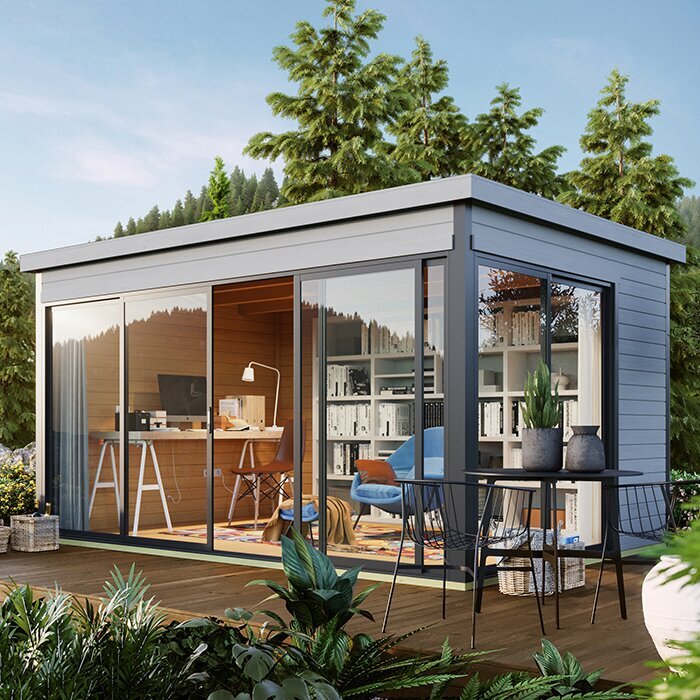
Think of ventilation as a route, not a single hole. Air needs an entry point and an exit; opening the door may help while you are working, but it does nothing once the door is shut. Permanent vents keep a route available when the shed is unattended, yet every uncovered vent is a direct opening to the garden. A screen can reduce insect entry, but it takes up part of the opening and may collect dust or webs. Adding the finest mesh available without considering its effect can leave too little effective area, so airflow and insect protection need to be considered together. The route also needs space around it: air cannot circulate well if both openings lead into crowded corners or if stored items seal off one side of the shed.
Set a practical goal: let air move through screened openings while closing gaps that are not meant to ventilate the shed. Mesh only protects the area it covers; insects may still enter through an open door, an unscreened window or a gap around another fitting. Wind, temperature, the shed's position and its internal layout all influence airflow. A sound plan therefore combines screened, intentional vents with a check for unintended gaps. It should not aim to make the whole structure airtight by blocking the very openings designed to let air through.
Match ventilation to the shed's intended use
Start by considering what you will keep or do in the shed. A space used mainly for dry garden tools has different day-to-day demands from one used for potting, hobbies or regular work, where people and damp items may be inside more often. Note which doors or windows you expect to open, what might be stored against the walls and whether the shed needs a ventilation route when it is closed. Think too about seasonal changes: wet boots, freshly washed pots or cut plant material can introduce moisture even where the usual contents are dry. This helps you avoid relying on an open entrance as the only source of airflow, or assuming that one small vent will suit every use.
For each candidate, make a note of which openings are permanent, where they are, whether screens are included and whether shelves or stored equipment could obstruct them. A candidate such as the Verdana 1 garden house listing should be assessed using its product information or documentation, not assumptions based on its name. Confirm the actual vent arrangement and whether mesh is supplied or needs to be planned separately. If those details are unclear, ask before ordering and compare the answer with the requirements of your intended use.
Position vents along a clear route for air
Natural ventilation needs a route through the interior. Where the design allows, a lower opening for incoming air and a higher outlet can support air movement as warmer air rises. Openings on different sides may also allow wind to move air across the shed. Keep the route in mind when choosing the shed's orientation, but do not assume that exposure alone will provide consistent ventilation: calm weather can limit wind-driven movement. These are planning principles, not a formula for a particular building: performance varies with the vent size and position, wind direction, temperature and nearby obstructions. Several openings do not guarantee good airflow if they are all blocked or cannot work together.
Consider where air can pass once the shed is fitted out. A vent behind a tall cupboard, stacked pots or stored tools may have little clear space inside, while a hedge, fence or bin placed close outside can restrict access to it. Look for a product drawing or written information that shows the openings in relation to doors and walls. On the Verdana 2 garden house listing, check whether the available information shows vent positions; if it does not, ask for clarification before deciding where the shed can sit and how its interior can be arranged.
Choose insect mesh without losing too much airflow
Choose mesh for the insects you want to keep out, rather than relying on a general label such as insect-proof. The size of the openings matters: mesh intended to exclude smaller flying insects is often finer and can restrict more air than a more open screen of similar dimensions. There is no single mesh specification that suits every insect or every shed. Consider whether insects are mainly a nuisance at particular times of year or whether exclusion is needed whenever the shed is closed; this helps frame the balance you need from the screen. Consider the level of exclusion you need alongside the airflow the screened vent must provide, and check that the mesh is intended for use in an outdoor opening. Also consider how the mesh will be supported: a screen that sags against a grille can reduce the free opening further and can be harder to clean without damage.
Compare the vent's effective open area with the screen fitted, not just the dimensions of its frame. The mesh, its supports and any louvres can all reduce the space air can pass through. Ask whether any stated airflow figure applies to the vent alone or to the vent with its screen in place. A listing such as the Durano garden house listing is a prompt to check exactly what is included: do not assume that a screen comes with a vent, or that any separately purchased mesh will fit it. If the information is missing, ask the supplier before choosing a screen.
Cover the full vent and close unintended gaps
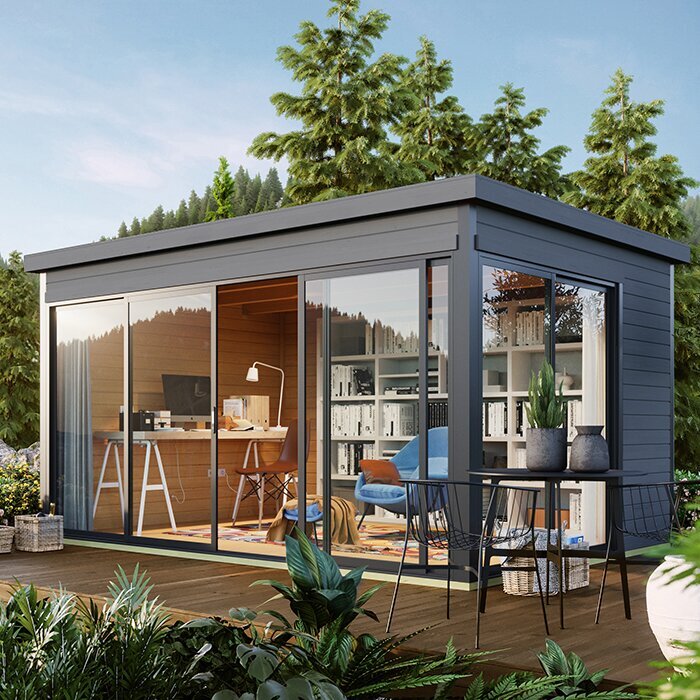
A screen only works as a barrier if it covers the whole opening and its edges meet the frame without gaps. A loose piece of mesh can shift, sag or leave an exposed corner; a purpose-made frame or compatible retainer is easier to inspect and keep in position. Check that the mesh remains clear of the vent's opening and does not fold over it when fitted. Where a screen needs to be removed for cleaning, it should still sit securely during normal use.
Look beyond the vent face for other routes inside: panel joints, eaves, gaps around windows and spaces where fittings pass through the walls may also need attention. Close unintended gaps using an approach suitable for the building, but do not fill or cover openings that are meant to provide ventilation. When reviewing the Veltor 1 garden house listing, check the available assembly information for the intended openings and any screen-fitting guidance. If you are unsure whether a gap is part of the design, ask before sealing it.
Protect vents from rain, debris and obstruction
A garden shed's vents are exposed to outdoor conditions, so consider how their position and design handle rain. A louvred grille or hood may help limit direct rain while allowing air through, but the presence of a cover does not by itself show that a vent suits every location. Check the manufacturer's information for the intended use, and avoid placing an opening where water is likely to collect or splash directly into it. Consider the prevailing exposure of the site, nearby hard surfaces and roof runoff when discussing vent positions. Do not solve a rain problem by covering the vent completely; ask about a more suitable position or vent detail instead.
Leaves, pollen, spider webs and dust can also build up on a screen or grille, while nearby shrubs and stored items can restrict the opening. Choose a location that can be reached for inspection and cleaning, and keep the area around both sides of each vent reasonably clear. When looking at the Orello 1 garden house listing, check what information is available about vent placement and weather-facing details rather than assuming a particular feature is included. Ask for guidance if the listing does not explain how the openings should be positioned.
Include doors and windows in the insect plan
A screened vent cannot keep insects out while an unscreened door is left open. Doors are useful for moving items in and out, but they are not a reliable substitute for permanent ventilation when closed. If you expect to work with a door or window open, consider whether a suitable screen can be fitted and used without obstructing access. A removable screen may be more practical for occasional access, whereas a frequently used opening needs a solution that can be operated consistently without being left aside. Do not assume a screen intended for a house will fit a garden shed opening; check the dimensions and the way the opening operates.
Inspect the thresholds and edges of doors and windows for gaps, as well as joints and other openings around the structure. Close gaps that are not needed for airflow, but keep purpose-designed vents clear. When considering the Modano 1 garden house listing, check the product details for how the relevant openings are described and whether compatible screening is available or permitted. If the information does not say, ask before ordering rather than assuming you can add a screen later without affecting the opening.
Questions to ask before ordering
Before placing an order, ask for the number and position of the vents, their dimensions and any information about airflow. Find out whether figures refer to the bare vent or include a fitted screen, and whether mesh is supplied, optional or not specified. Ask how the intended vent arrangement relates to the version of the shed you are considering, particularly if product images and written details show different views. A drawing can help you see whether the intended route is clear of doors, walls and likely storage areas. These details make it easier to compare candidates on the ventilation arrangement rather than on a model name or a general description.
Also confirm what the order includes, what screen options are compatible and whether any further opening or alteration would be needed. Check the assembly instructions for guidance on fitting screens and preserving the intended vents. The wooden garden tool shed M listing is one page to review, but if it does not answer these questions, ask the supplier for written clarification before buying. Keep the response with the product information so you can refer to it when planning the shed's position and layout.
Plan for cleaning and replacing mesh
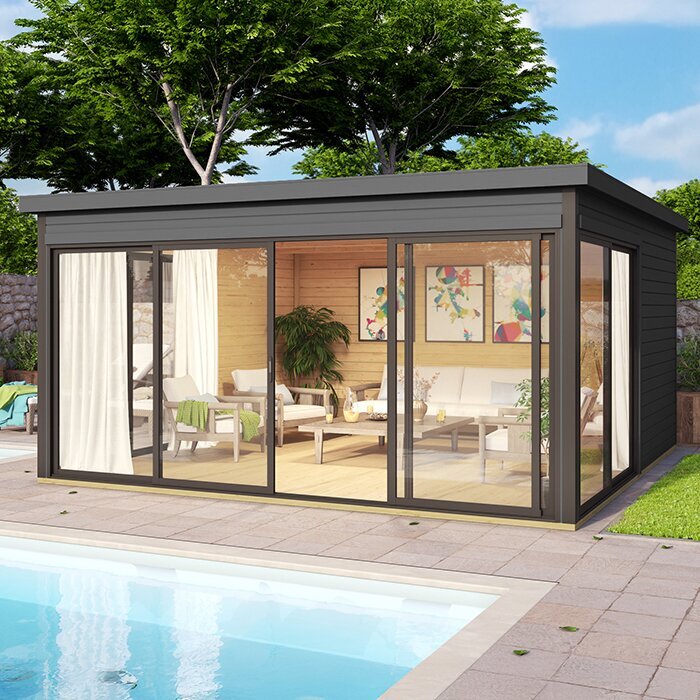
A screen that is damaged or clogged can no longer do its job properly. Check mesh and frames regularly for tears, loose edges, dirt, leaves and webs, and clean them using the method recommended by the manufacturer. Avoid an approach that could stretch or damage the screen. Check both the inner and outer faces where they are accessible, since debris may collect on either side depending on wind and the shed's surroundings. How often it needs attention depends on the setting and how much debris reaches the vents; checking after bad weather or when airflow seems reduced can help you spot a problem early. Inspect fastening points as well as the mesh itself, because a sound screen can still leave an entry route if its frame has come loose at an edge. Replace damaged parts promptly with compatible components rather than relying on a temporary patch that may leave gaps.
Ease of access matters when you choose a setup. A screen that can be inspected and removed in the way its instructions allow is simpler to maintain than one hidden behind fixed storage or difficult to reach. Before choosing the wooden garden shed S listing, ask whether maintenance instructions and replacement screen details are available, and whether the vent parts can be identified for future reference. Keep any relevant product information, as a clear record can make it easier to find compatible replacement parts without guessing.
Check the system once the shed is in use
After assembly, check that each screened vent is open, undamaged and unobstructed on both sides. Make sure shelves, boxes or tools have not been placed directly in the airflow path, and that plants or stored items outside have not grown or shifted in front of the openings. See how the shed behaves with doors and windows closed, as this is when permanent vents need to provide their route for air. Natural airflow can vary over time, so one observation will not tell you how it performs in every condition.
If the interior seems poorly ventilated, first check for dirty mesh, blocked grilles and obstructions rather than removing the screen or covering a vent. Compare conditions on still and breezy days, and note whether a particular door, window or stored item changes the result; these observations can help identify a simple obstruction without treating a short-term change as proof that the vent arrangement has failed. Revisit the manufacturer's guidance on the vent arrangement and ask whether any approved adjustment is available. Do not cut new openings or change structural parts based on guesswork; get suitable advice if the existing setup does not meet the shed's intended use. Keeping the screen in place while investigating preserves the insect barrier and helps you address airflow without creating another unprotected entry point.
Frequently asked questions
Does insect mesh reduce airflow?
Yes. Mesh adds resistance, and the airflow available depends on its open area, the vent design and whether the screen is clean. Ask for the effective airflow with the mesh fitted, rather than judging by the outside dimensions of the vent alone.
Should vents be high or low in a garden shed?
A lower inlet paired with a higher outlet can support natural air movement, while openings on different sides may help when wind allows. The best arrangement depends on the shed layout and any obstructions, so check the proposed positions rather than relying on a single rule.
Is there one mesh size that keeps all insects out?
No. The suitable opening depends on the insects you want to exclude, and finer mesh can restrict airflow more. Check the mesh specification against that need and ask how much usable ventilation remains when it is fitted.
Can I simply put mesh over any shed vent?
Only if it can be fitted securely without covering the vent's usable opening or leaving gaps around the edges. Check the manufacturer's guidance for a compatible screen or frame. Avoid cutting new openings or changing the structure without appropriate guidance.
Will screened vents keep every insect out?
No. A screen reduces entry through the part it covers, but insects can still come through an open door, an unscreened window or another gap. They can also arrive on items carried into the shed, so consider the whole building rather than just its vents.
A well-planned garden shed ventilation system pairs a clear route for air with screens that cover the openings securely. When comparing options, check vent positions, effective airflow with mesh fitted, compatibility and the information available for cleaning and replacement. Close unintended gaps, but leave purpose-designed vents clear. With the screens kept intact and the airflow path free of obstructions, you can reduce insect entry without relying on an open door or sacrificing ventilation.
