
Water-Smart Greenhouse Gardening 2026 | Less Water, Bigger Harvests | Bloomcabin Ireland
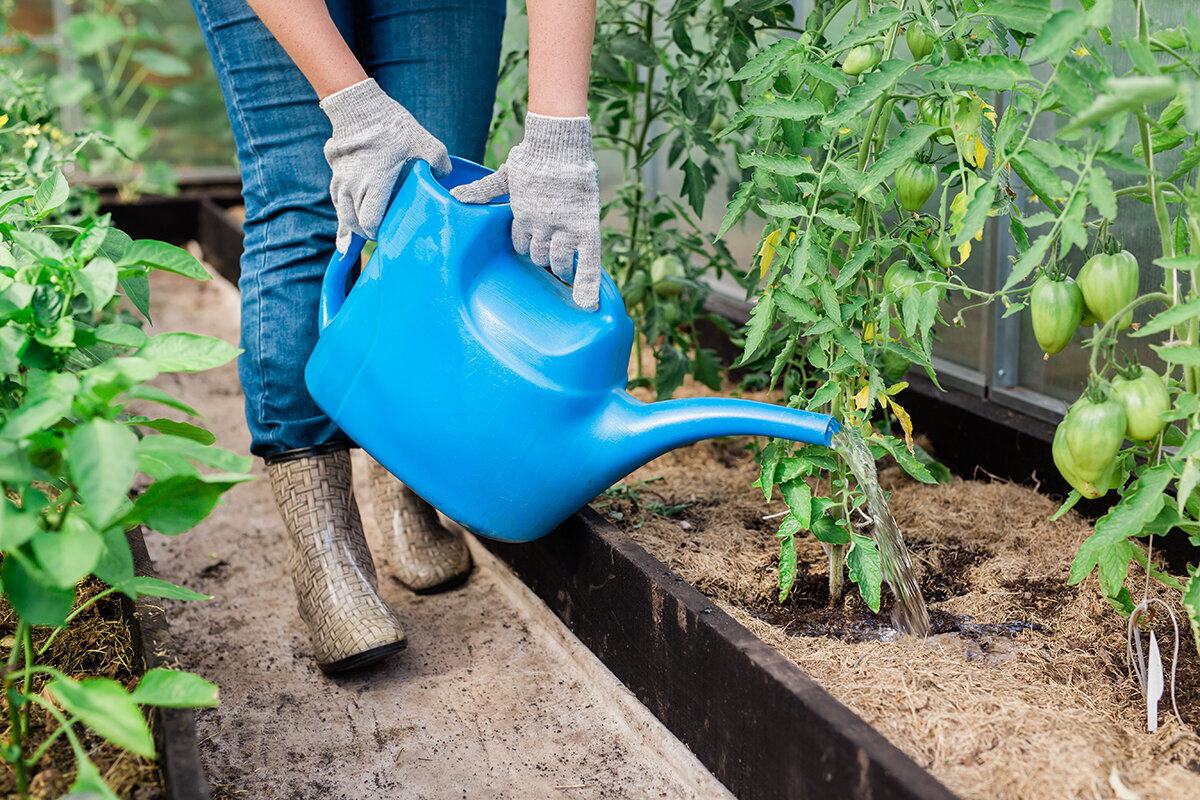
Water-smart greenhouse gardening in 2026: bigger harvests with less water in Ireland
Irish gardening has always required a flexible response to the weather. Rain can arrive just when plants need it, yet a dry interval may still coincide with their strongest growth. Ireland’s Atlantic setting generally brings cool, windy winters and comparatively mild summers, although conditions vary considerably between coasts, inland districts and individual gardens. Sensible water planning therefore belongs in the normal growing calendar. Conserving water helps maintain healthy plants, reduces repetitive work and supports productive growing without making the greenhouse wholly dependent on the mains supply.
Used thoughtfully, a greenhouse can produce more from the water available, particularly when its structure is durable and performs consistently. A robust glazed aluminium house offers far greater influence over growing conditions than an open plot. Instead of repeatedly rescuing dry plants, you can develop a steady watering routine. Plants should still receive what they need: the purpose is to prevent needless loss, direct moisture accurately and encourage strong roots that support dependable cropping.
Written for Bloomcabin Ireland readers and gardeners considering a new or improved greenhouse, this guide explores how protected growing can conserve water. It covers collecting roof runoff, using that supply effectively and arranging the greenhouse as a sustainable growing space. It also examines the long-term value of sturdy aluminium construction and glass glazing: longer service life means less frequent replacement, while dependable growing conditions can make everyday use of water and other resources more considered.
Why saving water matters even more in a greenhouse in 2026
Conserving water is relevant well beyond periods of exceptional heat. Planning starts near the beginning of the growing year, as roots develop and the layout, containers and watering arrangements are chosen. Ask where each watering actually goes. The useful share reaches the crop and supports growth; the remainder may be lost through mistimed application, leakage, drainage or evaporation before the roots can benefit.
Resilience is another priority for many gardeners in 2026. In everyday terms, the growing space should remain manageable when weather becomes unsettled. Tomatoes, cucumbers, peppers, herbs and salad leaves still need reliable care during a short absence from home or when warmer conditions suddenly raise their moisture requirements. A planned system gives these crops greater consistency without requiring continual intervention.
Meaningful reductions usually result from several modest choices working together, not a single device. Shade limits excess heat and thereby curbs plant transpiration. A mulch layer slows moisture escaping from the compost, so roots retain access for longer. Meanwhile, wet weather can replenish a water butt or larger tank, providing a useful store for the next drier interval and easing demand on the public supply.
Because the growing area has clear boundaries, a greenhouse makes these practices easier to coordinate. Open gardens expose larger surfaces to wind and irregular rainfall, complicating precise use. Beneath the glazing, irrigation can be aimed at occupied beds and containers, while mulch and suitable compost help retain that moisture close to the crops.
How greenhouse growing can help save water
At first, conserving water beneath glass may sound contradictory: enclosed spaces are often warmer, and warmth hastens drying. Temperature is only part of the picture, however. What matters is how effectively each watering is used. Protected growing can reduce several routes by which moisture would otherwise disappear before benefiting the crop.
Air movement has a major influence. Wind dries the soil surface and carries moisture away from leaves, particularly where an outdoor bed has light, fast-draining soil. The air inside a greenhouse is generally calmer, even while vents provide essential circulation. Compared with an exposed plot, that shelter can slow moisture loss. Proper ventilation must remain in place, but reduced buffeting can help achieve a comparable crop with more economical watering.
Targeted watering also becomes natural in a greenhouse. Outdoors, water is often spread widely, with some landing on paths and unused ground. Under glass, you usually water beds, pots or planters within a compact area. You can apply it at root level and avoid wasted litres. Drip irrigation, capillary systems and deliberate deep watering can all be more efficient than overhead spraying.
More stable conditions provide another advantage. Crops repeatedly allowed to wilt and then flooded are difficult to manage efficiently. Severely dried compost can restrict root activity, prompting a heavy rescue watering; it may then wet irregularly, with part of the application draining away before the central root mass benefits. Shade, ventilation and a protected soil surface moderate these swings and help each watering perform more consistently.
Then there is the roof: a useful rainwater catchment. It can change how you view rainfall. Rather than seeing rain as something kept outside the greenhouse, treat it as a resource to collect and store. Well-managed rainwater use makes the greenhouse part of a practical cycle: rainfall is gathered, held and used for watering, with less dependence on treated mains water.
Shelter alone provides no guarantee of lower consumption. Savings appear when the greenhouse is managed for efficiency: curb avoidable losses, check moisture below the surface and deliver each application close to active roots. Done consistently, those choices improve the amount of useful produce obtained from every litre.
Understanding greenhouse water without guesswork
Efficient watering begins by looking below the visible surface instead of responding automatically whenever the top appears dry. Moisture may still be plentiful deeper down; conversely, repeated light sprinkling can leave the top damp while deeper roots receive too little. Rapid growth and sudden sunshine can alter greenhouse conditions quickly, so inspect the depth occupied by the roots. That gives a more dependable basis for deciding when and how thoroughly to irrigate.
Different crops also call for different moisture patterns. Tomatoes, peppers and aubergines commonly respond well to a thorough soak and a brief interval of drying, which can encourage roots to explore more compost. Cucumbers, leafy vegetables and seedlings generally favour steadier moisture and may suffer if allowed to dry severely. Many herbs use modest amounts when their containers provide adequate volume. Avoid permanently sodden compost and excessive feeding, both of which can promote weak, soft growth.
Continuous saturation is neither necessary nor desirable. Instead, maintain an adequate reserve where active roots can reach it while limiting what escapes. Mulching, generous containers, capillary watering and planters with built-in reservoirs all slow changes in moisture. The result is a steadier pattern that is easier to anticipate and usually requires fewer emergency visits with the watering can.
Managing greenhouse conditions to curb water demand
Before buying irrigation equipment, first moderate the conditions that drive rapid water loss. Excessive greenhouse temperatures accelerate transpiration, the process by which moisture passes through and leaves a plant. On very warm days, foliage may droop even though the compost is still moist. Treating every such case as drought can cause overwatering; sometimes the real problem is accumulated heat and insufficient air movement.
Ventilation is the key tool. A good greenhouse lets warm air escape and maintains ongoing air exchange. This lowers temperature peaks, reduces disease pressure and eases stress, so emergency watering is less necessary. Reliable roof vents help keep conditions steadier through the day instead of responding only once the house is already too hot.
Shade provides the next line of control. Irish greenhouses may become surprisingly hot during clear, calm weather, despite the country’s generally mild summers. Screening some intense sunlight moderates peak temperatures and delays compost drying. It also avoids the unhelpful response of adding water whenever plants wilt while leaving the heat unchanged. Arrange shading before a forecast warm period so that growth and irrigation needs remain steadier.
Humidity also needs balance. Summer conditions may become very dry, whereas cool periods can leave the interior excessively humid. The answer is not to manufacture damp air, but to prevent needless moisture loss without restricting ventilation. Mulched beds, covered paths and less exposed ground warmed directly by sunlight can moderate the immediate environment. When extremes are reduced, crops often use their available supply more steadily.
Soil and compost: retaining moisture around active roots
Hoses, timers and drippers attract attention, yet much of the potential saving lies inside the growing medium. A well-structured rooting area stores an irrigation dose and releases it gradually. Poor material behaves more like a drain, allowing useful moisture to escape before plants have sufficient opportunity to take it up.
A small pot has little reserve. Its contents warm and dry rapidly, so it needs repeated attention. Gardeners seeking longer intervals between waterings without sacrificing yield should consider deeper planters, larger containers, raised beds or beds at ground level. Extra compost gives roots more territory and creates a moisture buffer, helping plants continue growing steadily between applications.
The physical character of the growing medium is equally important. It must store useful moisture while retaining enough air for healthy roots. Compacted, waterlogged material lacks oxygen and undermines root function; an overly free-draining mixture may encourage shallow rooting and dry out rapidly. Choose a balanced structure that wets evenly, retains a usable reserve near the crop and still allows surplus water to drain.
Mulching is especially effective because it shields the moist surface from direct evaporation. Sunlight falling through greenhouse glazing can dry bare beds and pots surprisingly quickly. A suitable covering interrupts that loss, moderates temperature around the roots and prolongs the benefit of each irrigation. More of the applied moisture consequently remains available where the crop can use it.
Mulching can be very simple. A protective layer on bed or pot surfaces changes how compost behaves. It often stays more evenly moist, accepts water more readily and loses less to rapid evaporation. A settled root zone is one of the soundest foundations for harvesting more with less water.
Watering for a bigger harvest with fewer litres
Watering efficiently does not mean always watering less. It means applying water so roots strengthen, growth remains stable and losses fall. Much water is wasted by shallow watering, poor timing or repeated swings between drought stress and overwatering.
When applied thoroughly and at suitable intervals, water encourages roots to explore a greater depth. That broader rooting volume gives established plants access to a larger moisture reserve and improves their ability to cope between applications. Tomatoes and peppers can benefit once established, particularly in generously sized containers protected with mulch. Thorough application also prevents the misleading situation in which the surface looks wet but the main roots remain dry.
Timing matters. Watering in hot midday conditions can increase evaporation and make it seem that constant topping-up is needed. Morning watering is often more efficient because water is available as plants become active. Evening can work too, but an overly damp greenhouse overnight may raise fungal risk for some crops. Stable ventilation and shading make an efficient routine easier.
Seedlings and moisture-hungry plants such as cucumbers need particular consistency. If cucumber compost is allowed to dry excessively, the resulting strain may reduce fruit quality. Continual watering is not required; the better approach is a delivery method that maintains an appropriate reserve without waste. Drip lines, capillary matting and reservoir planters can each provide the necessary regularity.
Water-saving irrigation that suits everyday life
Busy gardeners need irrigation that continues to serve the crop without becoming another demanding chore. The most useful arrangement is not necessarily technically elaborate. It is one that suits the greenhouse layout, can be adjusted as conditions change and will be checked and used consistently throughout the season.
Hand watering can be highly efficient when done thoughtfully. Watering directly at roots, avoiding unnecessary surfaces and protecting compost with mulch saves water without technology. Many gardeners enjoy a daily greenhouse check and the close connection with their plants. In this case, savings come from lower evaporation and sound compost management rather than automation.
A drip line places small amounts close to individual plants over time. Because the application is focused and gentle, less is lost as spray or surface run-off, and the compost can absorb it more evenly. Once checked for blocked emitters and adjusted to the crops, the system can provide quiet, dependable irrigation while reducing daily work.
A timer can prevent forgotten watering and support a regular schedule, but fixed settings should not run unchanged all year. An interval appropriate to July could supply far too much by September. Review the programme as daylight, temperature, crop size and weather change, using the control as an adjustable aid rather than a substitute for checking the compost.
Reservoir containers and watering from beneath are further economical options. Moisture rises into the compost instead of wetting the exposed surface first, which limits evaporation and lets roots draw from the store. This creates more even conditions with fewer sharp swings. The approach is particularly useful in compact layouts containing chillies, peppers, culinary herbs or other container-grown crops.
Whatever delivery system fits your routine, judge it by the same outcome: moisture should remain accessible to roots while avoidable escape is limited. A greenhouse helps because irrigation, ventilation, shading, container choice and surface coverings can be coordinated within one manageable growing area.
Collecting greenhouse rainwater: turning rainfall into irrigation
Stored rain changes the way many gardeners think about irrigation. A filled tank or butt represents a reserve gathered during wetter weather, rather than another immediate draw on the mains. That practical store also encourages closer attention to how quickly water is being used. During a dry interval, the focus can remain on careful allocation and planning instead of repeated reactive watering.
The glazed roof already intercepts rainfall and can serve as the collection surface. Gutters carry this runoff to downpipes, which feed a butt or larger vessel. Amounts and timing differ across Ireland and between seasons, so storage bridges the gap between wet days and later dry weather. Provide a secure overflow for heavy rain and keep leaves and other debris out, ensuring the collected supply remains straightforward to use.
A single water butt is a manageable first step for many households. Its contents may cover seedlings, pots and a share of summer irrigation. As crops expand, however, warm weather can empty that supply surprisingly quickly. This does not indicate failure: productive plants require moisture. The practical objective is to substitute captured rainfall whenever it is available, while recognising that another supply may occasionally still be needed.
Additional capacity can be created with a larger tank or several linked butts. This preserves more of the water collected during wet weather and offers a longer buffer once conditions turn dry. A dependable reserve also makes low-flow irrigation easier to operate over successive warm days without exhausting the stored supply immediately.
Rainwater use fits naturally with a more sustainable lifestyle. Rainwater is free, and using it can reduce some of the energy and resources involved in treating and supplying mains water. In a greenhouse, rainfall can become direct support for growth and harvest.
Building a rainwater system that genuinely works
Keep the design uncomplicated, durable and accessible for cleaning. Collection commonly underperforms when gutters have the wrong fall, inlet screens become blocked or transparent and open containers admit excessive sunlight, leaves and other garden debris.
Give the guttering a gentle slope towards its downpipe so runoff does not pool or escape over an edge. A sound aluminium frame helps the channels retain their alignment. Even a slight twist or sag can divert a surprising amount past the inlet, so inspect the route during rainfall and correct any weak connections promptly.
A diverter takes runoff from the downpipe into the storage vessel and can also deal with excess flow. When the vessel reaches capacity, the remaining water should follow a planned route rather than spilling beside the base. Controlled drainage protects the immediate surroundings from puddling and leaves access paths cleaner and easier to use.
Fit every storage vessel with a secure cover. Excluding light slows algal growth, while a lid also blocks falling debris and discourages insects from breeding in standing water. Enclosed storage is easier to keep presentable, an advantage where the greenhouse and its collection equipment form a prominent feature of the garden.
If rainwater feeds drip irrigation, filtration is important. Drippers can block even when water looks clear because fine particles build up. A simple inline filter improves reliability. Reliability saves water, as uneven irrigation creates stress and often leads to corrective watering.
Keeping rainwater clean and using it efficiently
Collection is uncomplicated when a few maintenance habits become routine. A vessel standing in full sun warms quickly and may develop algae, so partial shade can be helpful. Clear leaves from the gutters, inspect the inlet screen and keep the cover fitted. These measures reduce dirt, evaporation and unnecessary adjustment while preserving a more usable supply.
Prioritise the crops and stages where captured water brings the greatest benefit. Seedlings, plants in containers and routine irrigation beneath glass are sensible uses. During a rainless interval, the reserve can replace part of the mains supply. Because its level is visible, it also provides immediate feedback on consumption and encourages accurate application instead of casual overwatering.
Gardeners sometimes wonder about the suitability of collected roof runoff. For ordinary greenhouse crops, rainfall from a reasonably clean roof and held in a closed, maintained vessel is generally appropriate. Remove debris, prevent animals entering and keep filters or outlets clear. With those basic precautions, collection can make a substantial contribution to reducing the amount drawn from the mains.
Managing hot spells and dry periods without overwatering
Warm periods increase transpiration, accelerate drying in pots and can make the greenhouse uncomfortable to work in. Efficient management begins by easing the heat burden rather than responding only with extra irrigation. Ventilation and shade reduce stress, while accurate application and a protected compost surface keep moisture available around the roots instead of losing it rapidly to the surrounding air.
Timely shade lowers temperature peaks and protects plants from excessive sun. Continuous ventilation prevents heat build-up. Mulch reduces evaporation, while larger compost volumes buffer moisture. Together, these measures can separate constant topping-up from a calm, controlled routine.
Very hot weather can tempt gardeners to keep adding water. Some increase is justified for large, actively growing crops, but wilt is not always evidence of dry compost. Plants may still droop when the root area is moist if the air remains excessively hot. Further soaking then leaves the compost waterlogged, damages roots and consumes the stored supply needlessly. Check moisture first and address heat through airflow and shade.
Every stored litre becomes more valuable during prolonged dry weather. Combining collected rainfall with accurate delivery gives the greenhouse a better buffer, although occasional use of mains water may still be necessary. Protected spaces are often devoted to crops that are less dependable outdoors in an Irish summer. Directing the available supply carefully therefore helps protect the considerable yield possible from a relatively small area.
Choosing crops that deliver more harvest per litre
Crop choice can improve the return obtained from a limited supply. Since different plants vary in productivity and moisture needs, allocate the protected area deliberately to crops that justify the space and attention.
Tomatoes demonstrate the substantial yield possible beneath glass. Given generous compost, a mulched surface and regular irrigation, plants may continue producing for months. Thorough watering helps establish a wider root system, while the covering preserves moisture between visits. This combination allows tomatoes to use water efficiently and explains why they remain such a popular greenhouse crop for gardeners seeking a worthwhile harvest from each litre.
Suitable containers or beds also allow peppers and chillies to make economical use of water. Their preference for warmth suits protected growing, and a stable moisture reserve can support heavy cropping without repeatedly saturating the compost.
Cucumbers are thirstier, yet can still be efficient with drip irrigation and steady moisture. Repeated drying stresses them and may affect quality. A consistent system often improves both yield and fruit quality.
Many culinary herbs make modest demands on the irrigation supply, especially Mediterranean species adapted to drier soil. Picking them immediately before use also avoids some of the packaging associated with shop-bought herb pots and provides fresher leaves for the kitchen.
Salad leaves can produce generously with relatively modest irrigation during the cooler parts of the growing year. Heat encourages bolting and increases the moisture needed to keep leaves tender. For that reason, many gardeners schedule leafy crops for spring and autumn, leaving summer beds to tomatoes, cucumbers and other fruiting plants.
Following the seasons for naturally efficient watering
The irrigation plan should move with the Irish growing year. Day length, temperature and the pace of growth all alter the amount crops require. Conditions beneath glass in March differ markedly from those in July, so a schedule suitable for one period should never be assumed to suit the other.
Late winter and spring are often calmer. Growth is slower, and overwatering is commonly a greater risk than drought. Too much water at this stage wastes it and weakens roots. Observation and patience save water.
As spring advances, seedlings and young plants benefit from a dependable but measured supply. Capillary matting or a consistent hand-watering routine can provide it. Wet spring weather also offers an opportunity to replenish tanks and butts before summer growth places greater demands on the stored reserve.
By early summer, established plants begin to expand rapidly, and the advantages of deep containers and mulched surfaces become evident. Prepare vents and shading in advance of warmer forecasts. Acting early limits stress and avoids the cycle of overheated foliage followed by unnecessary rescue watering.
Late summer is about consistency. Do not let compost dry so far that it struggles to take water up again. A stable root zone makes every watering more efficient.
In autumn, water demand declines with lower light. Many people continue watering as if it were summer, losing water and plant health. Rainwater stores may also refill more readily, helping later crops.
Winter irrigation should be restrained. Compost generally needs to remain only slightly moist, with plant health taking priority over rapid growth. Even at this quieter stage, the protection provided by glazing can lengthen useful cultivation and help gardeners obtain more from the structure across the year.
Why durable aluminium framing and glass can be the greener option
Water economy belongs within a broader view of sustainability, and the service life of the structure matters. Aluminium framing paired with glass can offer a durable solution when well made and maintained. Long use spreads the resources invested in manufacture over more growing seasons. In many cases, avoiding premature replacement is more meaningful than choosing a product chiefly because its material is marketed as green.
A structure serving for many years avoids the repeated material demand and waste associated with frequent replacement, including further packaging, production and transport. Well-made aluminium framing helps doors and vents remain aligned and allows the greenhouse to withstand ordinary weather more dependably. This structural consistency supports reliable ventilation and shade, making the growing environment—and consequently irrigation—easier to manage.
Aluminium is particularly useful in long-life applications. It is strong, corrosion-resistant and readily recyclable. A quality frame stays stable for years, which is valuable in changeable conditions. Choosing quality means investing once and benefiting for longer rather than repairing or replacing more often.
Glass has its own long-service advantages. It is durable and does not become cloudy in quite the manner of some plastic glazing. Consistent transmission of daylight can support steadier crop performance over time, reducing one source of plant stress. The surface is also relatively straightforward to clean. When a greenhouse remains functional and attractive, owners have a stronger incentive to maintain it and continue using it productively.
Pairing careful irrigation with durable construction can support more sustainable household habits. Produce grown at home may travel only from the garden to the kitchen, use less retail packaging and be picked in the quantity required. Tomatoes can ripen on the plant, while herbs are cut fresh without buying another plastic-wrapped pot. In this way, the structure contributes to a lower-waste routine rather than standing as an isolated purchase.
Bloomcabin Ireland also treats lasting value as important. A well-made greenhouse framed in aluminium and glazed with glass is intended to serve across many seasons, supporting harvests, comfort and resilience. A stable roof and gutter arrangement also makes rainwater collection more dependable, while reliable doors and vents simplify the daily control of airflow, temperature and irrigation over time.
For plans made in 2026, consider sustainability through performance and service life as well as material labels. A greenhouse that remains dependable can reduce the need for repairs, replacement parts and an early new structure. Durable construction is therefore an environmentally considered choice when it continues to be maintained and used productively.
Linking rainwater collection, durable construction and greener daily habits
A long-lasting glazed aluminium structure and a properly arranged collection system complement each other. Captured rainfall offsets some demand for mains water; accurate irrigation curbs avoidable loss; mulch slows evaporation; and sensible crop selection improves the return from both space and resources. Together, these practical measures embed sustainability in routine greenhouse work.
Protected growing may also influence habits beyond irrigation. Harvesting only the quantity needed can reduce spoiled food, while home-grown produce may require less retail packaging and no journey from the shop once it is established. You also decide when to pick, giving greater control over freshness. Even a modest contribution from the garden can make a noticeable difference across the growing season.
Many people experience their greenhouse as a place of wellbeing too: a calm, productive space supporting daily rituals. When a greenhouse is pleasant, it is used more, maintained better and retains its value over time. That also belongs to sustainable living, because a system is only truly green when it is used for the long term.
Many people in 2026 are seeking greater self-reliance and a stronger understanding of how their food is produced. Greenhouse growing can further both aims. Using captured rainfall and applying it carefully makes home production a more coherent part of that ambition.
Avoiding the quiet mistakes that waste water
Water waste in a greenhouse is rarely dramatic. It happens quietly and repeatedly: compost dries so much that it absorbs water poorly and some runs through; watering follows a dry-looking surface although roots are still moist; many small pots dry every day; or shade arrives too late and plants transpire unnecessarily in the heat.
The answer is not perfection but a system that makes waste less likely. More compost volume, surface protection, a stable climate and rainwater storage reduce losses without requiring constant checks of every plant. Water-wise greenhouse gardening can therefore feel more relaxed while delivering better harvests.
Planning your complete water-efficient greenhouse for 2026
To increase production without increasing waste in 2026, consider how every greenhouse element interacts. Shelter limits wind exposure, accurate irrigation serves the active roots, and ventilation and shade moderate the stress that drives rapid moisture loss. Generous compost volumes and a protective mulch add storage within the bed itself. Select delivery equipment that applies an appropriate amount gradually and can be adjusted as weather and growth change.
Rainwater collection is the logical next step, turning rainfall into stored irrigation water. Collecting from the greenhouse roof reduces mains-water use and builds a reserve for dry weeks. When storage is covered, maintained and linked to efficient watering, the whole system becomes much more resilient.
Durable construction reinforces each of these measures. Well-made aluminium framing and glass can remain serviceable for many seasons, reducing replacement waste while giving vents, doors and gutters a stable support. The greenhouse then assists regular home production, fresher harvesting and reduced packaging. Rather than being a short-lived improvement, it can become an enduring and productive feature beside the home.
When considering improvements in 2026, include durability in the sustainability calculation. Fewer premature replacements, steadier performance and less repeated repair can all reduce resource use. Bloomcabin discounts reach up to 45% on selected products; check the current terms for the particular greenhouse. Any saving can help when choosing a sound structure intended to support economical watering for many seasons.
Water-efficient greenhouse growing should increase freedom rather than impose hardship. In 2026, a well-planned arrangement can remain productive, calm and better prepared for changing conditions. It supports the aims shared by many gardeners: raising more food at home, wasting fewer resources and managing each stage of the growing season with greater confidence.
