
What Base Does an Outdoor Hot Tub Need?
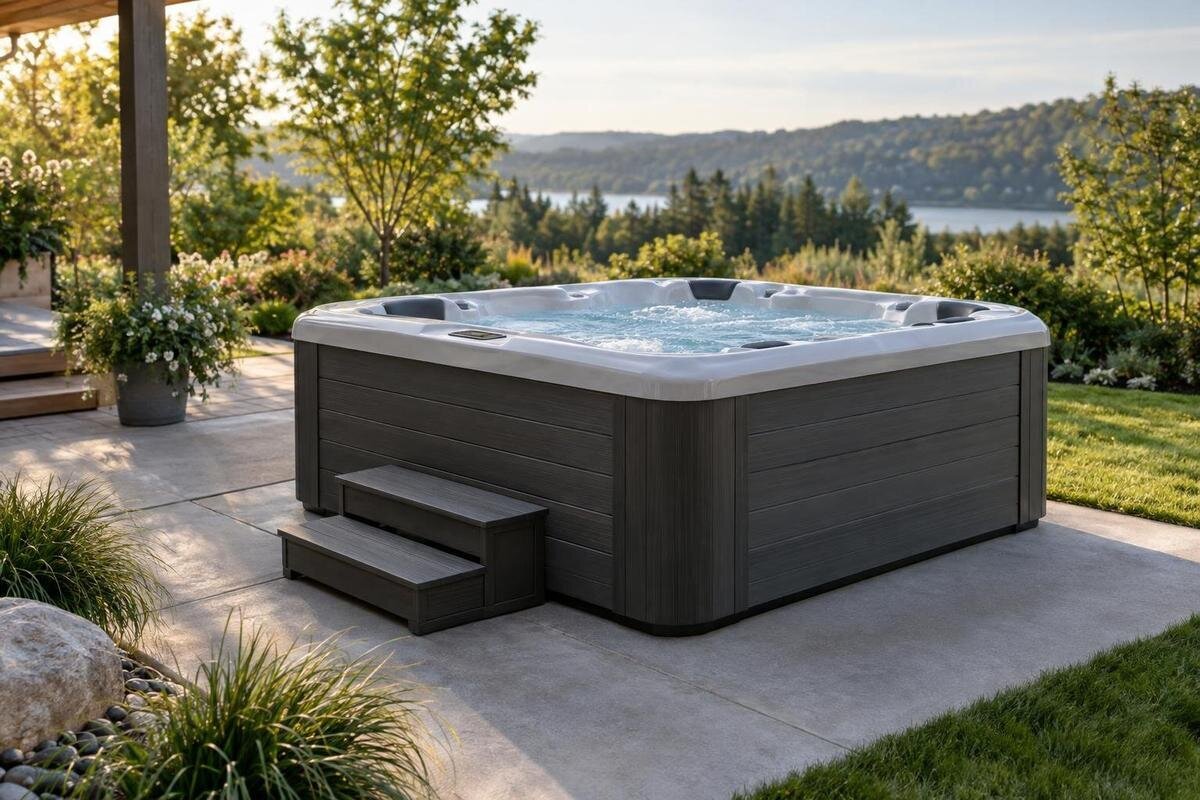
Outdoor hot tub base planning
Choosing a base for an outdoor hot tub starts with two checks: the exact model’s support instructions and the condition of the ground that will carry it. A tidy patio or a level-looking patch of soil is not proof that either requirement is met. This guide explains how to inspect existing hardstanding, compare concrete, paving and compacted aggregate, and decide whether to keep, improve or replace what is there. Product names identify models; they do not confirm their load, footprint or installation requirements.
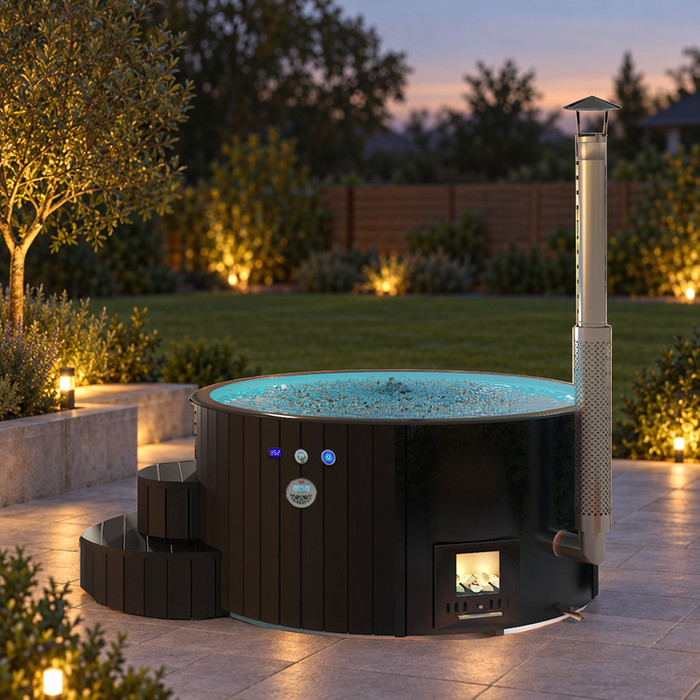
Why a hot tub needs a stable base
The base must support the hot tub in the condition stated by its manufacturer, not merely the weight of an empty shell. Ask for the filled or operating weight and what it includes, such as water, equipment and users; do not estimate it from a model name. The support arrangement matters too. Instructions may specify a particular bearing area or contact pattern, and the base must meet that requirement. The finished surface also needs to stay stable and within the model’s stated level tolerance during use. A base is part of the installation specification, not just a smooth platform.
Settlement matters after the work is finished as well as during construction. If one area moves more than another, the tub may no longer sit as intended, affecting its support or alignment. A neat surface cannot show whether the ground below contains weak soil, poorly compacted fill or a hidden void. Paving and concrete can conceal those conditions. To judge an outdoor hot tub base properly, consider the whole build-up and the ground beneath it, rather than relying on how level the top looks from standing height.
Get the exact model’s base requirements
Use the current installation instructions for the exact model and variant being considered. If you are considering the Bloomcabin Hot Tub Cove 2, identify it clearly when requesting the base requirements. A catalogue listing identifies the product, but does not establish whether your existing surface is suitable. Generic guidance for another hot tub may leave an important requirement unanswered, so confirm that the instructions refer to the model you intend to buy. Keep the model name and the date or version of the instructions together in your notes. This gives you and the contractor a clear reference when discussing the proposed base, rather than leaving either of you to work from a general product description.
Ask the manufacturer or supplier for the total operating or filled weight and what that figure includes; the required support area or layout; acceptable base materials; and the permitted level tolerance. Check whether the stated dimensions refer to the tub itself or the required base. Ask whether any pad, mat or additional layer is allowed rather than adding one by habit. Get unclear details in writing before buying materials or booking groundwork. If the information is not available, pause and request clarification instead of choosing a base from a general rule.
Assess the ground beneath the proposed base
Consider what is known about the ground before comparing surface materials. Is the proposed area on natural ground, or was it previously excavated and filled? Has a trench, extension or other groundwork been completed there? Made-up ground can have a different history from undisturbed ground, and the visible surface does not show how it was prepared. If you have records from previous work, keep them with your base notes. If the ground history is unknown and the area has changed level or feels soft, do not try to judge its strength by appearance alone.
After rainfall, look for soft patches, depressions, standing water, eroded edges or loose material that has shifted. Note whether these occur within the proposed base area or beside it, so you can explain their location during a site assessment. Check the proposed surface in more than one direction; a straightedge and spirit level can reveal an obvious slope or dip. They cannot establish ground strength or prove that the finished base will meet the manufacturer’s tolerance. If you are considering the Bloomcabin Hot Tub Fjord 8, keep these site observations alongside its base requirements. Separate what you have observed from what remains unknown: a photograph of a wet depression records its condition, but does not establish the cause or tell you how it should be repaired.
Inspect existing concrete and paving
For an existing concrete slab or hardstanding, note cracks, repaired areas, dips, changes in level and any sign that sections have moved. A crack may have more than one cause, so its appearance alone does not show whether the slab is suitable or whether movement is continuing. If you know who installed it or have drawings and records, gather them. A smooth finish, long service or use for another purpose does not reveal the slab’s construction or prove that it meets a hot tub manufacturer’s requirements.
With paving, check whether individual slabs or blocks rock, have opened joints, sit unevenly or appear to have settled at the edges. These signs can point to movement in the surface or what supports it, but they are not a substitute for an assessment. A patio may look level while the bedding or sub-base below it is not visible. Mark the proposed base area on a sketch and note where any loose or uneven units lie within it. When considering the Bloomcabin hot tub Aurora 10, compare that area with the model’s required support layout rather than judging the patio as a whole. Record any previous repairs too, including whether the same units have needed attention more than once. That history gives the professional assessing the patio a clearer account than its present appearance alone.
Compare concrete, paving and compacted aggregate
A properly designed and sound concrete base can provide a firm surface if the manufacturer accepts that type of support and the ground beneath it is suitable. Concrete is not automatically the right choice: an existing slab may have unknown construction, while a new one still needs to be specified for the site and the model. Paving can also be considered where the complete assembly is stable and meets the instructions. Loose, rocking or settled units need attention before a hot tub is placed on them; changing the visible surface alone may not address the cause of movement.
A compacted aggregate base may be worth comparing if it is accepted in the manufacturer’s instructions and is prepared for the actual ground conditions. A loose layer of gravel spread over soil is not the same as a properly prepared base. The work may need a defined finished area and stable edges, with the approach set by a contractor familiar with the site. For the Cove 2 base requirements, request the current installation instructions before choosing a material. When comparing proposals, distinguish between replacing the surface finish and preparing the supporting layers beneath it. Ask each contractor to describe both, where relevant, so that apparently similar proposals can be compared on the same basis. The useful comparison is between complete base proposals for your site, not simply between concrete, paving and aggregate as material names.
Check support, level and surface drainage
The required base area may not be identical to the hot tub’s external dimensions. Follow the manufacturer’s base plan for the finished footprint and the way the tub is supported. For the Bloomcabin Hot Tub Haven 6, request a plan that makes those requirements clear before marking out the work. Distinguish between the outline of the tub and the area that must provide support, and ask about any part of the drawing you cannot interpret. Check level in more than one direction, using the stated tolerance rather than assuming that a casual reading is enough. Do not try to correct an uneven base with ad-hoc packing or an extra soft layer unless the manufacturer specifically permits that method. Any proposed correction should be discussed before the tub is placed, rather than improvised to make it sit level.
Surface drainage is part of keeping the base and its edges in sound condition. Look after rainfall to see whether water remains on the surface, collects against an edge or washes away loose material. The right approach depends on the construction and the site; this guide does not set a universal slope. If runoff appears to be softening the ground or affecting the base, ask the groundworks professional to explain how the completed surface will manage it. Avoid making changes based on a guessed gradient or directing runoff without considering where it will go.
Recognise signs of settlement
Possible warning signs include cracks that widen, paving that rocks, new gaps between units, a dip that becomes more noticeable or a surface that has moved out of level. Repeated standing water in a new low spot can also be worth investigating. One small crack or old mark does not, by itself, diagnose a problem; the location, change over time and construction beneath it all matter. Look for patterns across the area rather than treating one visible mark as a complete assessment of the base.
Record what you see before repairing or covering anything. Take dated photographs from the same positions, note which sections feel loose or have changed, and gather any information about previous work. Include a wider view to show where a defect sits within the proposed base area, as well as a close view of the defect itself. A surface repair may improve the appearance without resolving movement below it, so find out what is causing the change before deciding to reuse the base. If the Fjord 8 model is your preferred choice, use its support requirements to explain the intended installation to the professional assessing the movement. Keep observations of change separate from assumptions about the cause; the purpose of the record is to help the assessment, not to diagnose settlement yourself.
When a groundworks professional should assess it
Arrange an on-site assessment if the ground is soft, has a history of excavation or fill, or shows signs of recurring settlement. A groundworks professional can examine the existing surface and underlying conditions, then advise whether repair, further preparation or a new base is appropriate for the site. Share photographs, any records of past work and the model-specific requirements you have obtained. This helps keep the discussion focused on the actual ground and the intended support, rather than a general recommendation based only on material or appearance.
If an existing slab’s construction or ability to support the specified load is uncertain, ask whether a suitably qualified structural engineer should assess it. The same applies to a base that is carried by a structure rather than resting directly on ground; that requires a separate structural assessment. The manufacturer or supplier provides the hot tub’s support requirements, while a site professional assesses the ground or existing construction. Make sure any questions that fall between those roles are resolved before work is agreed. For example, if a proposed base detail differs from the installation instructions, ask for clarification rather than leaving the contractor to assume that the difference is acceptable.
Decide whether to keep, upgrade or replace the base
Keeping an existing surface may be reasonable if its construction and ground are understood, it shows no signs of movement, its drainage is satisfactory and it meets the exact model’s base area, support and level requirements. Check each point against current manufacturer instructions rather than assuming that a patio or hardstanding is suitable because it has been in place for years. Keep the records and any professional assessment with your installation information. If one of the important requirements is unknown, treat that as an unresolved question rather than assuming the surface passes.
An upgrade may be appropriate when a specific, understood issue can be corrected without hiding a deeper problem. Ask what will be retained, what will be removed and which problem the proposed work is intended to solve. If paving has moved because the ground below it is unstable, simply adding another surface layer may not resolve the cause. A new base is not automatically suitable either; its design and preparation still need to match the ground and manufacturer’s instructions. If you are considering the Aurora 10 model, compare the proposed repair or replacement with its base requirements before choosing between them. The decision should leave you with a clear explanation of why the completed base is appropriate, rather than just an assurance that the new surface will look better or feel firmer underfoot.
What to confirm before arranging groundwork
Prepare a short information pack before asking for work to be done: the exact model and its current installation instructions; the manufacturer’s stated filled or operating weight and what it includes; the required support arrangement and base footprint; and the level tolerance. Add clear photographs of the existing surface, any cracks or movement, and notes about previous excavation or fill if known. These details help the supplier answer model questions and help a groundworks professional consider the actual site. Label any missing information as a question to be answered, rather than filling the gap with an estimate. Keep the supplier’s technical information separate from your own measurements and observations so that their purpose is clear.
Ask the contractor to describe the proposed preparation, finished base area, surface material and how the completed work will be checked against the manufacturer’s requirements. Discuss any visible drainage issue and ask what is included in the work, rather than assuming that a level finish resolves the ground below it. For the Haven 6 installation requirements, request the current instructions and pass the relevant details to the contractor before agreeing the work. Establish who will check the finished area, support arrangement and level, and how any discrepancy will be addressed. Keep a record of the agreed proposal alongside the instructions, so that both refer to the same intended result. If they do not match, clarify the difference before ordering the hot tub or committing to the base work.
Frequently asked questions
Can I put an outdoor hot tub directly on grass?
Do not assume an ordinary lawn is a suitable base. The ground can be soft or uneven, and its condition may change with moisture. Check the exact model’s installation instructions for accepted support and base requirements. If the ground has been filled, feels soft or is visibly uneven, ask a groundworks professional to assess it before deciding what preparation is needed.
Is concrete always the best hot tub base?
No. Concrete is one option, but its condition, construction and underlying ground all matter, as do the hot tub manufacturer’s instructions. A cracked or settling slab may not be suitable, while another properly prepared surface may meet the requirements. Choose by checking the complete base and ground against the model-specific guidance, not by material name alone.
Can I reuse an existing patio?
Possibly, if it is stable, has no signs of movement, drains appropriately and meets the exact model’s support, footprint and level requirements. A tidy appearance does not show how the paving was built or what lies beneath it. Check the surface carefully and request the manufacturer’s current base instructions before deciding to keep it.
How level does the base need to be?
Use the tolerance specified in the current instructions for the exact hot tub. There is no figure in this guide that can stand in for a model-specific requirement. A spirit level can help reveal an obvious slope or dip, but it cannot confirm that a finished base meets the manufacturer’s tolerance. Ask for the limit in writing if it is unclear.
When should I get professional advice?
Ask a groundworks professional if the ground is soft, has been filled or excavated, or shows signs of settlement. Seek an appropriate structural assessment if an existing slab’s construction or ability to support the specified load is uncertain. Contact the manufacturer or supplier for the model’s technical requirements; a site contractor cannot confirm those by relying on the product name.
The right base depends on both the hot tub’s support requirements and the ground beneath it. Existing hardstanding may be worth retaining when its construction, stability, drainage and finished level are suitable. Where movement or uncertain ground conditions need investigation, resolve those questions before covering the surface or arranging a replacement. Choose between retaining, upgrading and replacing the base on that basis—not simply on how tidy the surface looks.
