
What Can You Grow in a Greenhouse? | Growing Calendar
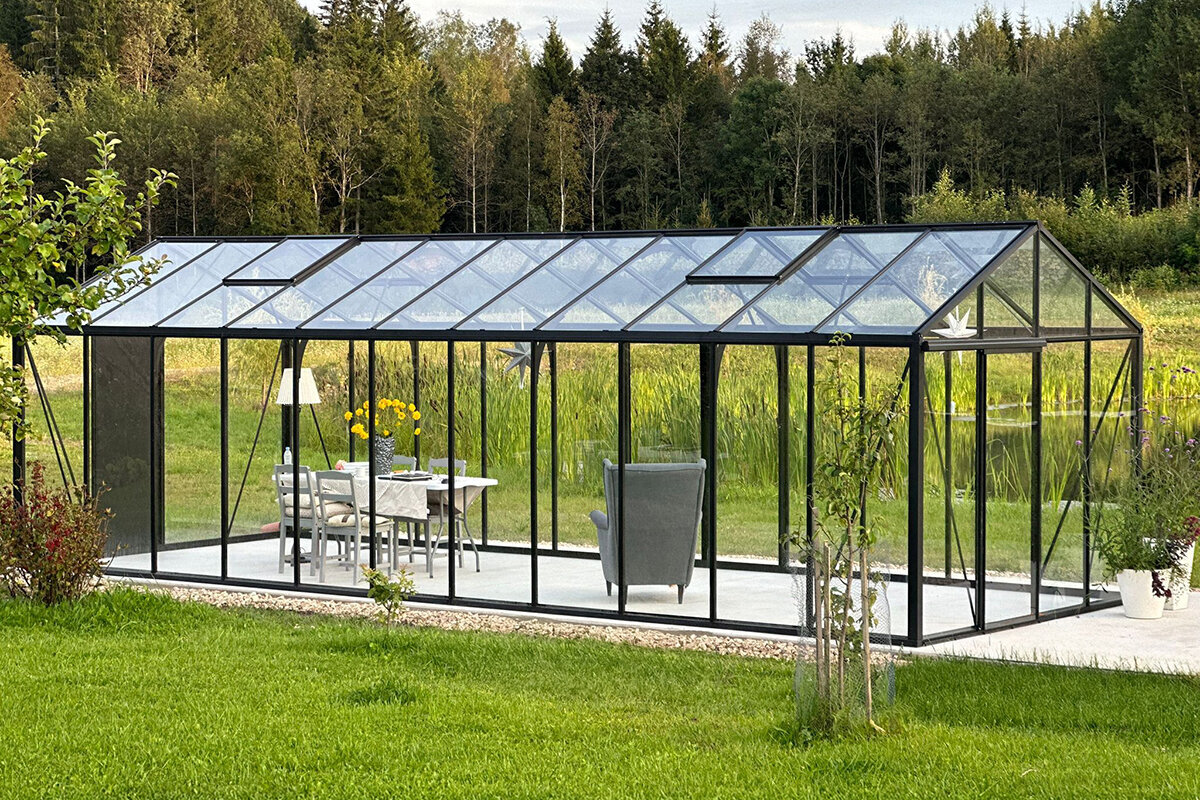
Premium aluminium greenhouse crops: an Irish month-by-month growing calendar
Gardeners across Ireland often ask the same question: which crops suit greenhouse conditions — and is a quality greenhouse really worthwhile? Ireland’s changeable weather, damp conditions, occasional cold snaps and dim winter days can all challenge plants. An aluminium greenhouse moderates conditions, making cropping steadier across a longer part of the year.
This practical article is a seasonal crop planner for Ireland. Moving through the year, it matches crops with their needs. Beyond planting lists, it discusses soil preparation, feeding, irrigation, daylight and airflow — foundations of reliable year-round greenhouse growing.
We also look at what defines a premium greenhouse and the points worth weighing before buying the right model for a home garden as well as the choice between a glass greenhouse or polycarbonate in Irish conditions. You will see why a Bloomcabin greenhouse can support careful gardening over many seasons.
Why an aluminium greenhouse suits Ireland
Ireland’s Atlantic climate brings damp air, changeable temperatures and limited winter sunshine. A premium aluminium greenhouse is a strong option: aluminium resists corrosion and decay, while persistent moisture does not undermine its dimensional stability. As a result, it generally outlasts many simpler structures.
For winter greenhouse growing daylight commonly becomes the main constraint. The choice of glass greenhouse or polycarbonate matters. Because glass transmits plenty of light, leafy vegetables can benefit from scarce daylight in the dimmer season.
A Bloomcabin greenhouse uses those qualities through sturdy aluminium profiles, quality glazing, useful ventilation and a carefully planned form intended for lasting use outdoors.
Getting value from the monthly crop planner
Successful greenhouse gardening is not about forcing every crop at every time of year. Instead, choose plants for the season and manage the conditions inside carefully. This monthly planner helps you make informed choices from month to month.
In Ireland, consistent watering, regular ventilation to reduce dampness and loose, fertile soil are especially important. With these basics in place, the question which crops will succeed under glass has a simple answer: far more than outdoors alone.
January: winter vegetables and microgreens
January clearly shows the benefit of a greenhouse. While the outdoor garden is quiet, you can still harvest under cover. This underpins productive winter greenhouse growing.
Suitable crops: spinach, winter lettuce and lamb’s lettuce; rocket, young kale, chives and parsley; radish microgreens or pea shoots.
Soil & water: Choose loose, humus-rich soil with free drainage. Winter waterlogging is a frequent problem, so irrigate lightly and do it early in the day.
Light & ventilation: Clean glazing admits more light; on a mild day, a short spell of ventilation helps limit condensation.
February: sowing and season preparation
Many home gardeners begin preparing for the coming season in February. Where warmth is sufficient, a greenhouse can raise sturdy young plants early.
Sow: celery, onions, leeks, basil, aubergines, chillies, peppers and tomatoes.
Compost: Select a fine, friable seed compost, withholding feed until seedlings have developed their first proper leaves.
Temperature: Most seeds germinate at 18–22 °C. Protect plants with fleece on cold nights if needed.
March: growth gathers pace
Increasing daylight quickens growth noticeably. Seedlings can now be separated and moved into larger pots.
Plants: lettuces, herbs, early brassicas, pre-grown tomatoes and peppers.
Ventilation: Regular airing is vital for helping prevent fungal diseases.
April: first harvests and summer-crop preparation
April starts the productive period. Fast crops can already provide harvests while warmth-loving plants move into their final positions.
Plants: potted strawberries, carrots, spinach, radishes and lettuces, with peppers and tomatoes moved to their permanent places.
Nutrients: Feed moderately now and consider calcium for later fruit development.
May: flowering and fruit set
May is important for later yields. Most fruiting vegetables begin flowering.
Plants: melons where the greenhouse is large enough, plus herbs, peppers, cucumbers and tomatoes.
Feeding: A potassium-rich feed supports fruit formation.
June & July: greenhouse high season
Harvesting becomes regular. Good ventilation helps control heat and high humidity.
Harvest: lettuces and herbs, along with peppers, cucumbers and tomatoes.
Care: Remove side shoots, tie in plants and water in the morning.
August: sow again for autumn and winter
For autumn harvests, sow a new batch of crops in August.
Sow: spinach, lamb’s lettuce, Asian leaves, rocket and spring onions.
September & October: keeping crops going
As the outdoor garden slows down, the greenhouse can remain productive.
Plants: autumn lettuces, spinach, herbs and chard.
Care: Water less and pay closer attention to light and ventilation.
November & December: quieter but dependable growing
Growth slows, but harvesting remains possible. Microgreens become especially useful at this time.
Plants: lamb’s lettuce, spinach, winter lettuce and microgreens.
Glass greenhouse or polycarbonate — which is better?
The choice between glass greenhouse or polycarbonate deserves attention in Ireland. Glass is durable and passes abundant light, whereas polycarbonate holds heat more effectively but reduces incoming light.
For winter greenhouse growing and an elegant garden setting, many gardeners choose a glass greenhouse in the premium range.
What makes a good greenhouse for a home garden?
A well-chosen home greenhouse is durable, well ventilated, easy to maintain and designed for many years of use.
A Bloomcabin greenhouse combines dependable materials with refined styling and useful features, supporting rewarding year-round greenhouse growing.
Conclusion: a greenhouse is a garden for every season
Pairing a well-made aluminium greenhouse with a thoughtful seasonal crop plan makes gardening easier to plan and more productive. You can harvest fresh vegetables across far more than one brief season.
A Bloomcabin greenhouse offers the quality, stability and design for lasting enjoyment in the garden.
