
What Does It Cost to Heat a Wood-Fired Hot Tub in Ireland?
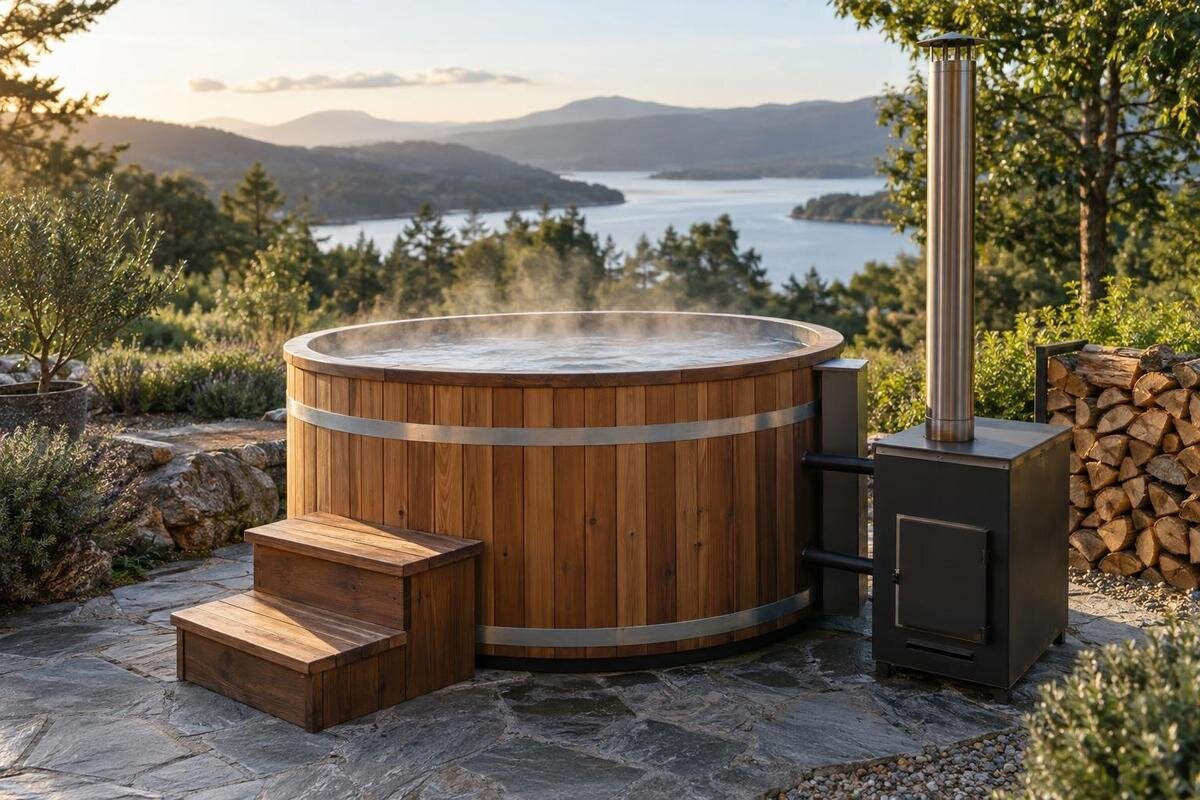
Wood-fired hot tub costs
Estimating the firewood cost for one hot-tub heat-up requires two inputs: the fuel consumed in that session and the price for the same measured unit. Multiply them, and handle delivery separately unless you allocate it across the order. The information available for this guide includes no dated Irish firewood quote or verified product-specific fuel-use figure, so a current euro amount or range would be guesswork. The method below shows how to build a sound estimate and keep it separate from annual ownership costs.
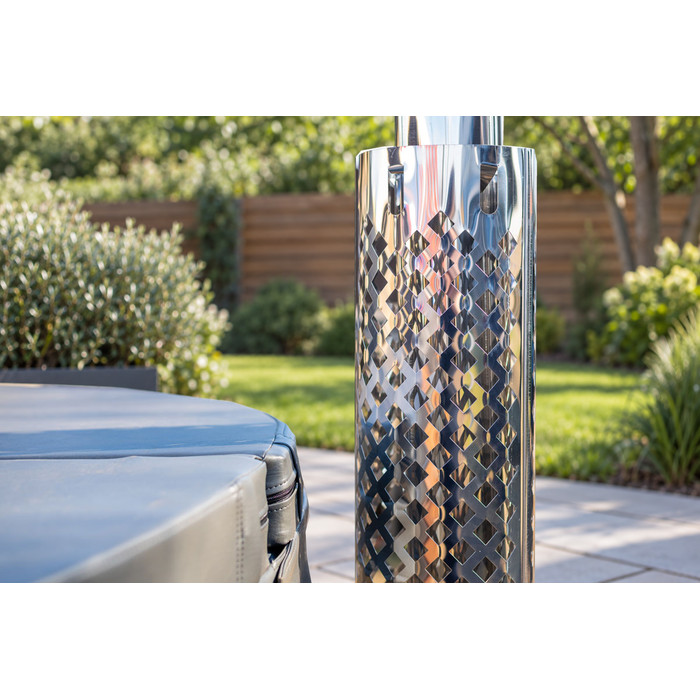
Estimate the cost of one heat-up
For a useful estimate, define one session as the period in which the water is heated from a stated starting condition to the temperature you intend to use. Stop the calculation when that initial heat-up is complete. This differs from keeping the water warm for an evening or topping it up on a later day; those follow-on burns may use fuel too, but belong in a separate estimate. State whether the session begins with a fresh fill, water that is already warm, or a partly cooled tub. Without that context, two fuel-use figures may describe different tasks and cannot be compared fairly.
The core calculation is straightforward: fuel cost for the session = fuel consumed × price per matching unit. Count the firewood used for that heat-up, rather than treating the time spent heating as a measure of fuel. If purchased kindling or another fuel is part of the session, either price it separately or state clearly that your figure covers firewood only. The result is a per-session fuel estimate, not the cost of owning or operating the tub for a year. Keeping that boundary clear makes the figure useful when you compare the planned spend with how often you expect to use the tub.
Find a current Irish firewood price
A local price is only useful when you know what it covers. Record the supplier, the date of the quote, the fuel description, the sale quantity and the unit it is priced in. Ask whether the stated amount includes delivery to your address or Eircode, and whether there is a minimum order or a separate delivery charge. Check whether VAT is included in the quoted total rather than assuming it is. These details let you compare offers on the same basis; a headline price without its unit or delivery terms is not enough to calculate a session cost.
No dated Irish firewood quote is available for this guide, so it would be misleading to publish a current price per unit or price range. Obtain a quote for the fuel you intend to buy, and keep the quoted total alongside its date and quantity. Record any collection or delivery arrangement with it, rather than comparing a collection price with a delivered price as though they covered the same purchase. Before sourcing fuel for Bloomcabin Hot Tub Cove 2, confirm its heating method: the available catalogue information establishes the model's identity, not whether it is wood-fired. Once the appropriate fuel is confirmed, you can request a relevant quote. Keep the original quote as well as your calculated unit price, so you can see exactly what was included when you revisit the estimate.
Match the fuel amount to the price unit
The quantity used and the price must refer to the same unit. If a supplier quotes per bag and your session estimate is in bags, the calculation is direct. If the quote is for a crate or a volume measure but the expected use is recorded as individual pieces or by weight, you need a reliable statement of how much fuel the quoted unit contains. Do not estimate that from the apparent size of a pile or assume that one seller's bundle matches another's. If the supplier cannot define the amount, ask for a clearer quote before comparing it.
Where a price covers several equal units, divide the fuel price by the number of those units to find the rate per unit, then multiply by the quantity used for one session. For a candidate such as Bloomcabin Hot Tub Haven 6, ask whether any fuel-use estimate is expressed in a measurable unit and what that unit contains. If the estimate refers to a bag, establish whether it means a full bag or a measured portion, and whether that bag matches the one you are pricing. Write the unit beside both inputs before multiplying them; a number without its unit can conceal a mismatch. Avoid converting between volume and weight without a stated quantity from the seller. Where the units cannot be matched reliably, keep the original figures separate rather than presenting their product as a usable session cost.
Define the heat-up before comparing fuel use
A fuel-use estimate needs to describe a specific heating task. Ask what the starting water condition is, what target condition is assumed, and whether the figure covers an initial heat-up or a top-up. Water volume and the difference between starting and target temperatures affect the amount of heating required, so a figure without those details may not match your planned use. Do not substitute a quoted heating time for a quantity of firewood: time alone does not tell you how much fuel was consumed.
Use the same session definition when comparing estimates from different suppliers or sources. For example, ask whether a figure for Bloomcabin Hot Tub Fjord 8—if one is provided—describes a cold fill, water that has already been warmed, or another starting point. Record the stated starting and target temperatures alongside the fuel quantity rather than reducing the description to 'one session'. Also establish where the measurement ends: a figure that includes keeping the water warm afterwards covers more than the initial heat-up. If a supplier gives both heating time and fuel use, retain them as separate entries with their own units. This makes it easier to spot whether two apparently different estimates describe different heating tasks, rather than assuming that the lower number represents lower consumption.
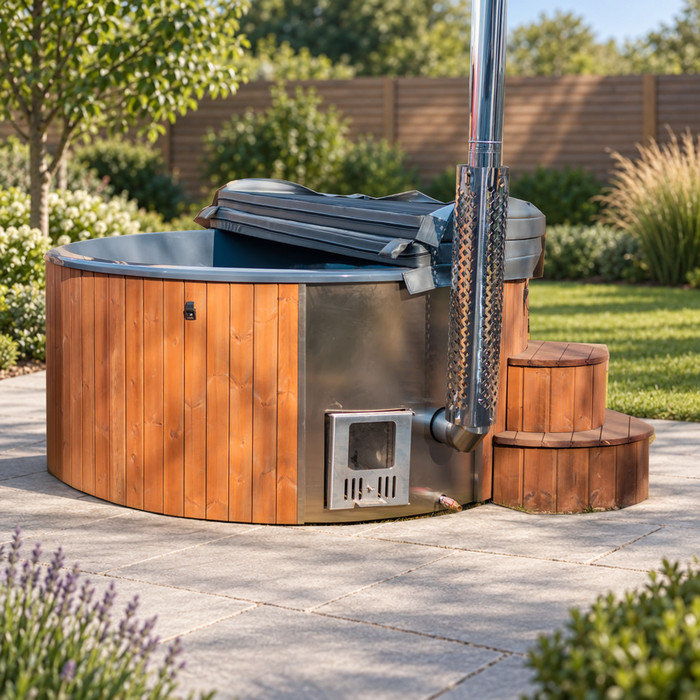
Why fuel use varies between sessions
Starting water temperature and the target temperature are important differences between sessions: the more the water needs to be heated, the more energy is required. Water volume also matters. Outdoor conditions can affect how much heat is lost during the heat-up, so a figure recorded in one set of conditions may not transfer exactly to another. These factors explain why a single generic quantity is not a safe substitute for model-specific information. They do not, on their own, tell you the amount of wood any particular tub will use.
The fuel itself should also be described consistently. Species, moisture condition and the size or form of the pieces can affect how a load burns, so a usage estimate based on one supply may not match a different one. Ask what kind of wood and condition a supplier's figure assumes, and use a comparable product when pricing it. When discussing Bloomcabin hot tub Aurora 10, request those fuel details alongside confirmation of the heating method. Keep the description with your calculation so that a later change of firewood supplier does not go unnoticed. A cheaper quoted unit is not automatically a cheaper heat-up if the fuel differs from that used for the consumption estimate. In that situation, retain the original estimate and identify the changed input rather than claiming a saving.
Calculate the fuel cost for one session
A transparent calculation can be written without inventing a benchmark. Let Q be the amount of firewood used in one defined heat-up, measured in the seller's unit, and let P be the price per that same unit. The session fuel cost is Q × P. If the supplier quotes a price for a bundle, first establish how much fuel the bundle contains; if your heat-up uses only part of it, use the measured fraction. The result is only numerical once Q and P have been filled with actual, comparable information.
For example, if the price is quoted per bundle and the session log records a fraction of a bundle used, multiply that fraction by the bundle price. Keep the unrounded unit price for the calculation, then round the final session cost for presentation; this avoids carrying a rounded intermediate figure through the estimate. Alongside a candidate such as the Cove 2 catalogue listing, record Q, P and the resulting cost in separate fields, with the date and session definition attached. Do not fill in Q from the model name or borrow it from another tub. If consumption is unknown, you can still record the current fuel price, but the session total must remain open. This separates a calculation that is ready to complete from one that merely looks complete because an unsupported quantity has been inserted.
Relate the session cost to your planned use
Once you have a per-session figure, a simple fuel-only projection is that figure multiplied by the number of comparable heat-ups you plan over a chosen period. Use your own expected frequency rather than assuming that every owner heats a tub the same number of times. If you expect different kinds of session—for example, some starting with warmer water—keep separate estimates where the fuel quantities differ, then apply the frequency you expect for each. This produces a planning figure based on stated assumptions, not a promise of what you will spend.
The projection is more useful when you preserve the uncertainty in its inputs. If the supplier gives a range of usage estimates for defined conditions, calculate each end using the same dated price and unit, and explain the assumptions behind each result. Keep your planned number of sessions unchanged when assessing that consumption range, so the comparison shows the effect of fuel use alone. You can then make a separate projection for a different frequency of use. Do not create a low and high estimate from arbitrary fuel quantities. If you are budgeting around the Aurora 10 product page, establish whether any quoted consumption covers one heat-up or ongoing heat maintenance. Label the projection with its period and planned session count, so it cannot be mistaken for a measured annual bill.
Keep firewood cost separate from other ownership costs
A per-session firewood figure covers only the fuel included in its calculation. Delivery may be shown separately or allocated across the amount in an order; state which approach you used. A delivery fee paid for a large order is not the same as the cost of wood consumed in one heat-up. For a delivered unit price, divide the fuel price plus the delivery charge by the amount delivered, assuming the full amount is usable. If the quoted price already includes delivery, do not add the charge again. Keep the amount paid for the whole order separate from the cost assigned to a session: buying fuel upfront does not mean it is all consumed during the first heat-up. Your budget can show both the cash needed to place the order and the portion attributed to each session, without counting either expense twice.
Water, any applicable electricity for separate equipment, water-care products, maintenance and repairs are different budget lines, not firewood costs. Their applicability and amount depend on the setup and should be checked separately rather than folded into a one-session fuel estimate. Likewise, a purchase or installation cost is not a recurring heating cost. This article does not estimate those items or calculate savings from heat-retention measures; the purpose is to keep the firewood spend for one defined heat-up distinct from wider ownership costs.
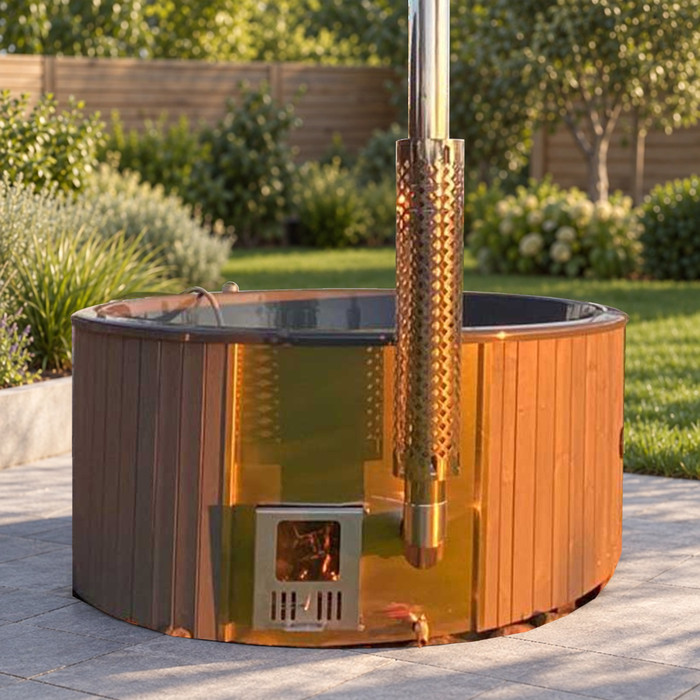
Ask for the heating method and fuel-use details
Before relying on a per-session estimate, ask the supplier to confirm the actual heating method and whether it is wood-fired. Then ask for the quantity of fuel associated with one defined heat-up, the unit used, the type and condition of fuel, and the starting and target conditions for that figure. Clarify whether the quantity is measured, estimated or based on a stated test. Ask whether it covers only initial heating or also maintaining the water temperature. These answers provide the product-side information needed to pair a fuel-use estimate with a local price.
When enquiring about the Haven 6 listing, keep the questions together so the supplier can respond to one clearly described heating session. If the reply gives a fuel quantity but omits its unit or starting conditions, ask about that specific gap rather than treating the number as complete. Separately, ask the firewood seller for the exact amount in its sale unit, the current price and any delivery charge to your address. The tub supplier's consumption estimate and the firewood seller's price answer different questions; both are needed, and neither replaces the other. Keep their responses together with the calculation so you can trace each input to the relevant answer. For operating or installation questions with safety implications, use the manufacturer's instructions and seek qualified professional guidance where appropriate; this guide does not set out installation rules.
Compare shortlisted tubs on the same basis
A useful comparison records the same information for every candidate: confirmed heating method, fuel type, quantity for one defined heat-up, measurement unit, session conditions and whether the figure includes maintaining heat. Pair each usage figure with the same dated firewood quote, then show delivery separately or apply the same allocation method. If one supplier gives a measured quantity and another gives only a heating time, the estimates are not directly comparable. Mark missing information as unknown instead of silently filling the gap with an assumption.
The available information for the Fjord 8 product listing does not support a ranking for wood use, efficiency or cost. Where a shortlist contains both complete estimates and unknowns, show that distinction clearly: an empty cost field does not mean zero fuel cost, and an unsupported figure should not make a candidate appear cheaper. Keep fuel affordability separate from other reasons for choosing a tub. A candidate may remain worth considering while its session cost is unresolved, but the missing figure cannot yet inform a heating-budget comparison. Once comparable estimates are available, apply your planned frequency to each and assess whether the resulting fuel spend suits your budget. Retain the session definitions beside those totals, so a lower projected spend is not mistaken for a fair comparison when it actually assumes a different heating task.
Frequently asked questions
Can I use one average firewood cost for Ireland?
Not reliably without a current price for a stated fuel type and sale unit, plus a credible estimate of how much fuel one defined heat-up uses. Those inputs vary, so a general figure could give a misleading impression of your own session cost.
Can I compare a price per bag with fuel use measured by weight?
Only if you know the net amount in the bag and can match it to the fuel quantity used. Do not convert between weight and volume using a guess; ask the seller for the amount represented by its unit.
Should delivery be included in the per-session figure?
Show it separately unless you have allocated it across the fuel in the order. If you calculate a delivered unit price, divide the fuel price plus delivery by the amount delivered, and do not add delivery again.
Does a hot tub model number tell me its fuel use?
No. A model name or number does not verify its heating method, water volume or firewood consumption. Ask the supplier for the heating method and fuel quantity for a clearly defined heat-up.
How do I estimate a year's firewood cost?
Multiply your per-session fuel cost by the number of comparable heat-ups you plan. Treat that as a fuel-only projection, not a full annual running-cost or maintenance budget.
A useful per-session figure is a dated local firewood price matched to a credible quantity for one clearly defined heat-up. Record the unit, delivery treatment and session assumptions alongside the result. If either the price or fuel-use information is missing, leave it as an open question rather than turning a model name or heating time into a euro estimate. Once both inputs are known, multiply them and apply your own planned frequency for a fuel-only projection.
