
What Firewood Should You Use for a Wood-Fired Hot Tub in Ireland?
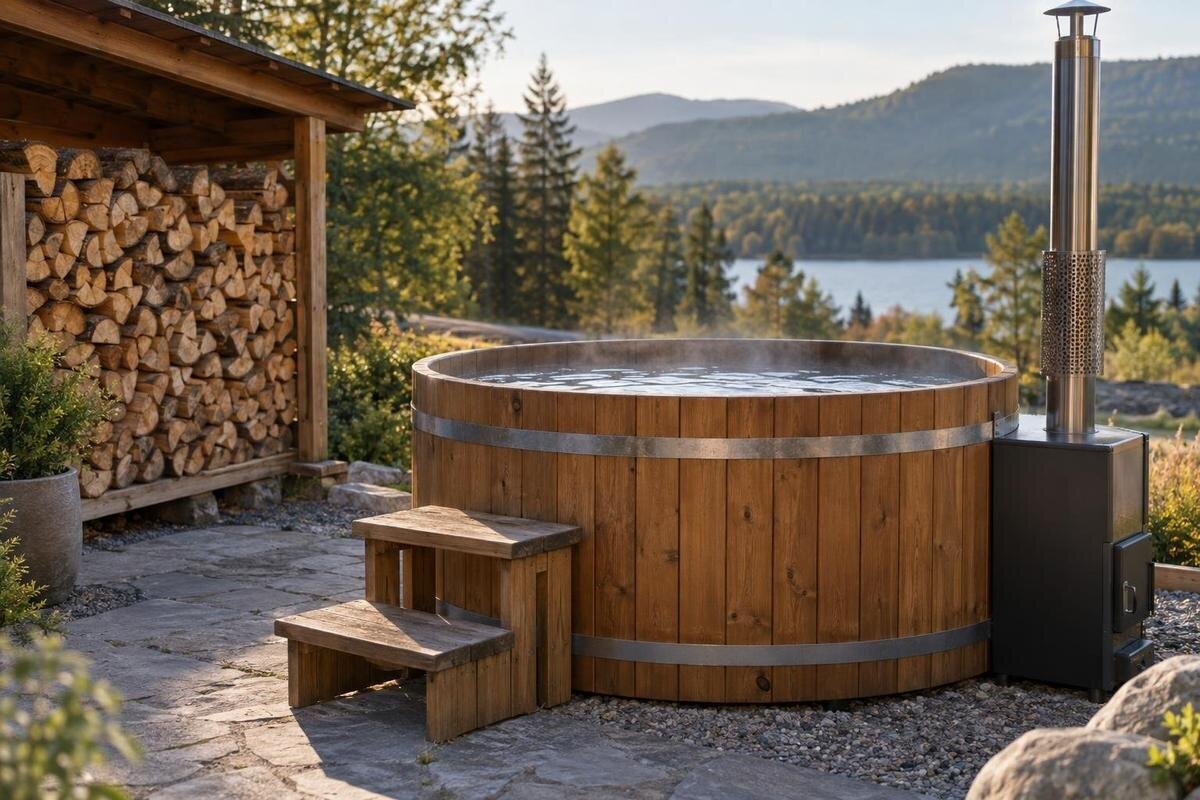
Firewood guide
Choosing logs for a wood-fired hot tub is not simply a matter of buying the hardest wood or choosing a bag marked “seasoned”. The stove’s own instructions determine which fuel is acceptable, what moisture information matters and what size can be used. Suppliers may describe drying and quantity in different ways, so ask for details that can be compared with the manual rather than relying on a label. This guide covers wood types, supplier descriptions, log dimensions, condition and storage without assuming one specification fits every tub.
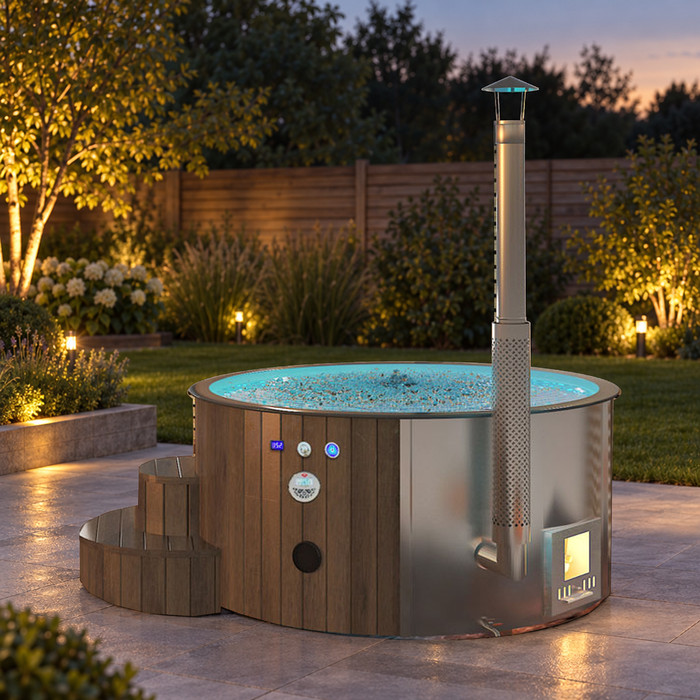
Read the stove’s fuel instructions first
Begin with the manual for the exact stove, not a generic outdoor-stove guide or instructions for another make. Confirm which heater is actually supplied: a product name or a “wood-fired” category label does not establish the heating configuration of an individual order. If you are considering Bloomcabin Hot Tub Cove 2, ask the seller to identify the heating option and provide the manual for that unit. Keep the heater’s name and model reference with the instructions so you can identify the right guidance when buying fuel. Where a retailer offers several heating options, make sure the information you receive relates to your chosen configuration rather than another option in the range.
From the manual, record the permitted fuel, excluded materials, any species limits, moisture wording, log dimensions and instructions about split or round logs. Copy the units and wording accurately so you can compare them with a supplier’s answer; a firm maximum and a preference are not the same kind of instruction. A retailer’s broad claim that logs are suitable for stoves cannot override a limit in the appliance manual. If the document is missing, outdated or unclear, ask the manufacturer or retailer for current advice tied to the exact heater before ordering. If there are separate instructions for the tub and stove, make sure the fuel guidance comes from the stove instructions, and keep the answer with your product details for future purchases.
Hardwood, softwood and mixed loads
Hardwood and softwood are broad botanical groups, not grades that automatically rank logs for hot-tub use. Many hardwoods are denser than many softwoods, so equal volumes can differ in weight and in the amount of solid wood they contain; species, split size and dryness still matter. The labels describe groups of trees, not whether a particular batch is dry or clean. Softwood is not automatically unsuitable, and hardwood is not automatically acceptable: the stove manual decides which types may be used. A dense, well-described log is still the wrong choice if its species is excluded.
Ask for the species rather than a single category, particularly if the seller offers a mixed load. Find out whether the blend is fixed, which species it contains, and whether the stated moisture and size details apply to every part of the order. A supplier may use one category name for a blend, so ask what that means in practice. When comparing Bloomcabin Hot Tub Haven 6, include permitted wood types among your questions about the available heating configuration. You can then compare the answer with the species in a proposed delivery. If a supplier cannot identify what is in a blend, its description is incomplete; the word “hardwood” alone does not resolve that uncertainty.
What “seasoned” and “kiln-dried” mean
“Seasoned” usually describes wood allowed to dry over time, often by air; “kiln-dried” indicates that a kiln was used in the drying process. Neither term necessarily states the logs’ moisture when they reach you. The wording may say something about the process, but not how long the wood dried, how it was stored afterwards or whether every split in the order is in the same condition. Suppliers can also use the terms differently. Treat either label as a useful starting point, not proof that the batch meets your stove’s specific requirement.
Ask the supplier what they mean by seasoned, how the wood was dried and stored, and whether the description refers to the batch currently offered or to a general product range. For kiln-dried logs, find out whether they remained protected from rain or damp storage after processing. Then request a current moisture figure or range if the stove instructions specify one. A process claim and a measured condition are different pieces of information; neither should be used in place of the other. Keep the supplier’s explanation with the order details so you can compare a later delivery against the same description.
Ask how the moisture figure was measured
A moisture figure is more useful than an unqualified adjective only when you know what it refers to. Ask for the number or range for the batch, whether it is an average or a stated maximum, and how it was obtained. A percentage on a general website description may not be a reading from the wood currently available. If the stove manual states a moisture limit, ask whether the supplier’s figure is measured on a basis that can be compared with it. If the method or meaning is unclear, seek clarification rather than borrowing a threshold from another appliance.
Ask when the reading was taken and how representative it is: was a newly split inner face tested, or only the outside of a log, and were several pieces sampled? The surface may have had different exposure from the centre, so one reading on a convenient piece may not describe every bag or stack. Check whether the wood has been kept under cover since measurement, particularly if it will sit outside before you store it. If Bloomcabin Hot Tub Fjord 8 is on your shortlist, ask the retailer for the relevant heater’s moisture guidance. Keep that wording alongside the supplier’s reading, measurement date and method so the two descriptions can be compared without treating an average as a maximum.
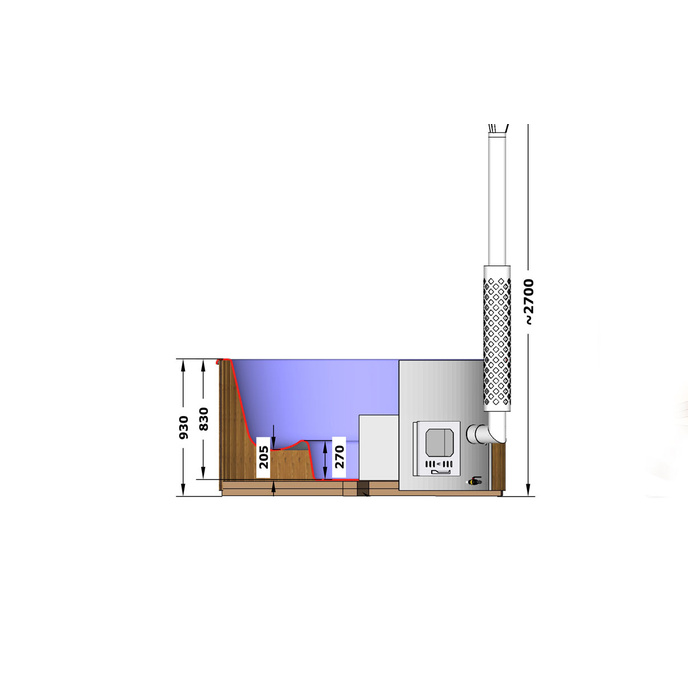
Match log dimensions to the firebox
Words such as short, small, standard or stove-ready are not a substitute for dimensions. Find the permitted length and any cross-section or thickness guidance in the manual, then compare those figures with the supplier’s actual range. Check whether the listed size applies to split logs, roundwood or both; a rounded piece and a split piece can have different shapes even where their longest dimension is similar. Ask for measurements in centimetres and clarify whether stated figures are typical or maximum. This avoids treating a familiar sales label as a technical specification.
When enquiring about Bloomcabin hot tub Aurora 10, ask for log-size guidance for the exact heating option you are considering. Use those dimensions when discussing an order with the firewood supplier, rather than asking for logs to suit the tub’s name. Confirm how length is measured and whether the logs arrive cut and split to the agreed range. A product described as stove logs may be sized for another appliance, so check that the dimensions describe the whole batch, not just a sample piece. If the instructions give no size, ask the manufacturer for clarification. Make sure your order records both length and any stated thickness limit, rather than reducing the requirement to “small logs”.
Buy clean, untreated firewood
Choose clean, untreated firewood unless the exact stove instructions explicitly permit something else. Painted, stained, preservative-treated, glued or engineered timber is not ordinary log fuel; avoid construction scraps, boards, pallets of unknown history and pieces contaminated with oil, soil or other material. A seller’s use of “wood” or “offcuts” does not establish that a stove can accept it. Check exclusions in the manual and ask the supplier to identify the source and treatment of any non-standard material. If the history is unclear, choose a clearly identified load rather than guessing.
On delivery, check that the species, split form and dimensions broadly match what was agreed, and note any substantial amount of visibly rotten, crushed or contaminated material. Variations in shape, bark or colour do not by themselves prove that wood is wet or poor; colour is not a dependable moisture test. If you want to inspect before placing a larger order, ask for a representative sample or current image, remembering that one sample cannot guarantee every log in a bulk delivery. When asking about the Haven 6 model, include any exclusions on fuel materials in your questions to the retailer. Keep that answer separate from the supplier’s description: one explains what is permitted, while the other describes the wood being offered.
Questions to ask an Irish firewood supplier
An Irish firewood order is easier to compare when each supplier answers the same questions. Ask for the species and any mix, drying description, batch-specific moisture information, length and thickness range, quantity unit and whether the logs are split. If your manual names a limit, pass it on rather than asking only whether the seller has “hot-tub logs”. Find out whether the answer applies to the load currently offered or is a general description copied across products. These details help reveal a mismatch before delivery and make any later repeat order easier to describe.
Separate questions about the heater from questions about the logs. For the Cove 2 hot tub, for example, ask the retailer which heating option and fuel instructions apply; then give the firewood supplier the relevant requirements rather than expecting them to interpret a model name. Request a written description of the proposed batch in terms you can compare with those requirements. Keep the answer, order description and receipt together. If a seller cannot say what species or dimensions are included, ask for clarification instead of relying on a general assurance about stove use. Before confirming the order, check that any answers given by phone also appear in the description you are agreeing to buy.
Store firewood dry and ventilated
Storage after delivery matters because the condition described by the supplier can change if logs are left damp. Choose a dry, ventilated place; keep the wood off damp ground, protect the top from rain and leave the sides open enough for air to move. A plastic delivery cover or closed bag may protect the load in transit, but should not be assumed to be permanent storage. Follow any storage advice from the supplier or stove maker, and keep fuel away from wet waste, chemicals or other materials that could contaminate it. A dry, airy store also makes it easier to identify which delivery you are using.
Keep different deliveries or species in separate, labelled stacks, with the delivery date and any moisture information attached to the right batch. This avoids confusing a new load with an earlier one or treating a supplier’s claim as a measurement of wood after it has been exposed to rain. Check your covered storage space before ordering; if the full quantity will not fit, ask whether a smaller pack or staged delivery is available. Mark the oldest batch clearly so you can use it first while keeping its details with the logs, and avoid leaving a surplus uncovered where its condition can change.

Order a clearly defined quantity
Suppliers may express quantity as a bag, crate, weight, stacked volume, loose volume or a general “load”. Those descriptions are not interchangeable without a definition. Ask for the exact unit and stated amount, and whether logs are stacked or loose; for a bag or crate, request its stated volume or dimensions and ask what the figure represents. Check whether the order includes kindling, mixed sizes or other material if that affects what you mean by a load. A clear unit helps you plan dry storage and compare repeat orders without confusing packaging with the amount of logs.
Do not use a hot tub’s model number as a shortcut for how much fuel it needs. A listing such as the Fjord 8 listing identifies a product, but the number in its name is not a verified capacity or wood-use figure. Keep the heater’s fuel requirements separate from the supplier’s quantity description: suitable log dimensions do not tell you how much space an entire delivery will occupy. Compare the stated order size with your available dry storage. If you are unsure about the supplier’s measure, ask whether a smaller order is available first. Checking the species, dimensions and packaging of that delivery helps establish whether the description matches before you place a larger repeat order.
Resolve fuel questions before ordering
Before committing to a larger delivery, run through the requirements that can rule a fuel out: permitted species, excluded materials, moisture conditions and exact log dimensions. Check each detail against current instructions for the specific heater, not a general hot-tub page or a different stove. If the manual says nothing about one point, do not assume a universal limit or take a figure from a forum; ask the manufacturer or retailer to resolve the gap. If sales information conflicts with the stove manual, pause and request clarification rather than treating a broad assurance as approval. Note which questions remain unanswered so none are lost in a phone conversation.
If you are considering the Aurora 10 product page, use your final enquiry to bring together any outstanding fuel questions about the heating option offered. Ask for answers in terms you can compare with a firewood order: species, moisture information and dimensions. Before accepting an alternative load, compare its description with the same requirements rather than assuming it matches your original choice. Keep the agreed batch description for future orders, but check what is being offered each time rather than relying on an earlier delivery. Once the details are clear, selecting logs is a practical match between what the stove permits and what the supplier can describe and deliver.
Frequently asked questions
Is hardwood always better for a wood-fired hot tub?
No. Many hardwoods are denser than many softwoods, but that does not make them automatically suitable. Check the exact stove’s permitted fuels, then compare the species, moisture information, dimensions and condition of the logs.
Does “seasoned” guarantee that logs are dry enough?
No. It is a supplier description, not necessarily a moisture reading for the batch you will receive. Ask what drying method the term describes and request batch-specific information that you can compare with your stove’s instructions.
What moisture percentage should I look for?
Use a limit stated in the instructions for your exact stove; there is no figure here that should be treated as universal. Ask how the supplier measured its result and what batch it applies to. If the manual is unclear, ask the manufacturer.
How can I tell whether logs will fit?
Check the stove manual for the permitted length and any stated thickness or cross-section limits. Ask the supplier for the actual range of the logs, rather than relying on descriptions such as “small” or “stove-ready”.
Can I burn pallets, painted timber or construction offcuts?
Do not use them unless the instructions for your exact stove explicitly permit that material. Choose clean, untreated logs with a known description instead of relying on the size or appearance of timber with an uncertain history.
A dependable firewood order is one you can describe in concrete terms: the permitted species, the supplier’s drying and moisture information, log dimensions, condition and quantity unit. Match those details to the instructions for the exact heater, then store the delivery so it stays in the condition described. If a key requirement or supplier answer is unclear, resolve it before committing to a bulk load; the word “seasoned” on its own cannot tell you whether the logs are right for your stove.
