
When Should You Treat a New Wooden Garden Shed?
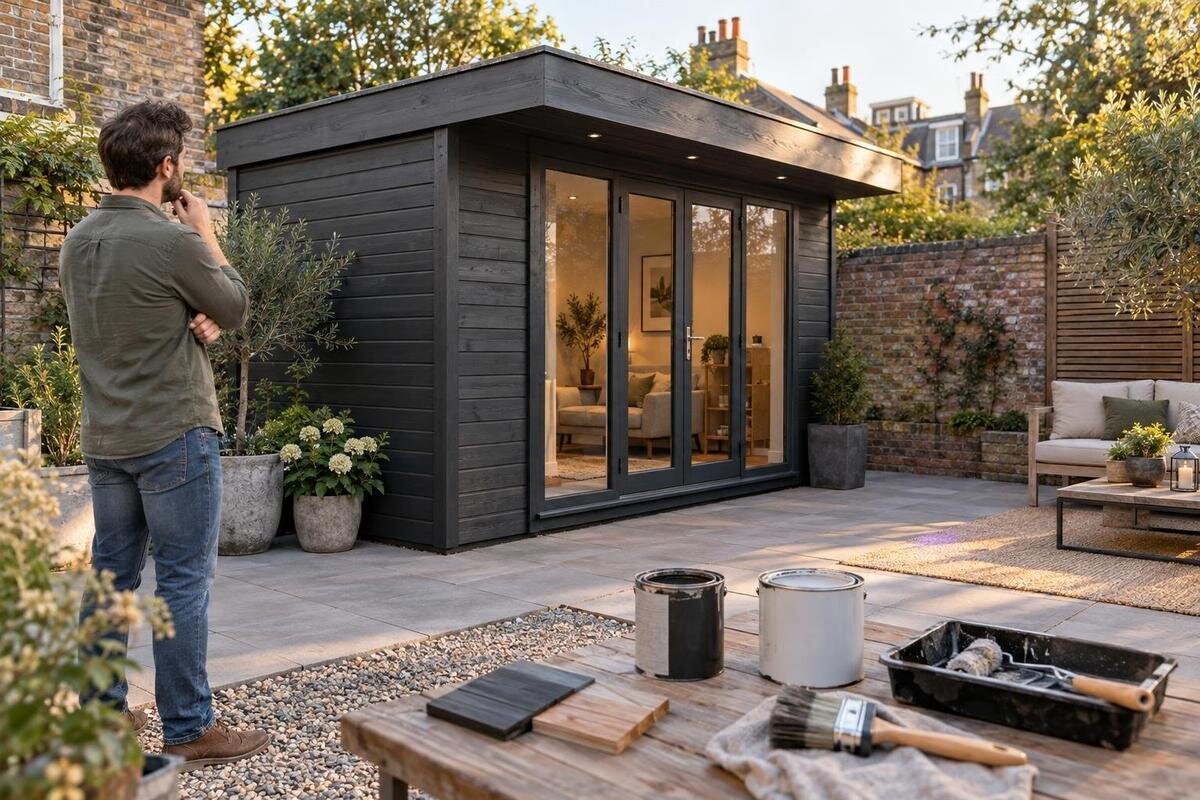
Garden shed care
“New” describes the purchase, not the timber’s readiness for a first protective treatment. The right time depends on what protection, if any, is already present, the assembly and aftercare instructions for the exact shed, and the conditions required by the treatment you choose. Rather than picking a fixed number of days after delivery or a particular month, confirm the sequence and product requirements first. Then treat only when the timber and weather meet those requirements. This helps prevent coating too early, missing surfaces that need access before assembly, or making assumptions about drying time.

There is no universal date for the first treatment
Delivery day is a poor clock for this job. A new shed may arrive with treatment already applied, or its instructions may call for an owner-applied first coat; neither should be assumed from the word “new”. Find out whether treatment is required for the exact product, which instructions govern it and at what stage the first application belongs. The assembly manual, aftercare guidance and treatment label together determine whether the timber is ready. Rules such as “within a week” or “before winter” ignore the timber’s condition and product requirements. If paperwork covers several versions, check it matches the item you plan to order. If assembly will not happen straight away, ask how the timber should be stored.
Raise this while comparing options, not after buying treatment. Write down the exact model name and ask for the relevant care and assembly documents; the Verdana 1 garden house page can help identify the item you mean in that enquiry. A product title or photograph does not confirm whether the timber has already been treated or when it should receive another coat. If the documents are missing or unclear, request the manufacturer’s guidance before committing to a product. Save the answer with your order details so it can be checked against the label when the shed arrives. That gives you a plan for the item you are actually buying, rather than advice copied from a different shed.
Find out what treatment is already on the timber
Ask whether protective treatment has been applied at the factory, to components before packing, or is expected from the owner. These are different starting points, and colour or appearance does not reliably show which applies. Ask what the existing treatment is called, which areas it covers and whether a further product is needed now, later or not at all. If it can be identified, ask when it was applied; delivery may not start maintenance. Request the product name, not just “protected”, so compatibility can be checked. If the treatment cannot be identified, do not coat over it by guesswork. Keep the care guidance with the assembly papers.
Keep the question specific to the selected model and version. If the Verdana 2 garden house listing is on your shortlist, use that name to request the material and care details for the exact item. If its specified construction includes timber that requires treatment, ask what is supplied and whether the care guide calls for an owner-applied first coat. Separate this from a question about appearance: colour cannot establish the condition of timber. Ask whether any stated initial treatment is the complete instruction or only one step in ongoing care. The answer helps you decide what, if anything, to buy and when; the listing name itself is not evidence of treatment status.
Check compatibility before choosing a treatment
Before buying treatment, find out which products the manufacturer permits and whether its guidance names a type or sets limits. Read the intended product label, including its suitable surfaces, timber condition, application conditions and drying times. Do not assume that any outdoor-timber product suits every shed or works over an unidentified finish. If compatibility is not stated, ask before applying it. Keep the label or product name with the care notes; guidance for a different formulation may not apply.
If the Durano garden shed listing is one you are considering, use its exact name when asking which material and care document applies; do not infer material or treatment needs from its title or image. Ask whether any treatment is included, whether an additional product is required at first assembly, and whether the answer changes for a version you might order. Those questions establish what is supplied and instructed, not which finish you should choose. Buying treatment only after the shed’s guidance is clear can prevent an unsuitable product from becoming part of the order. Keep the response in writing so it is easy to refer to when the package arrives.
Plan the first coat around assembly
Ask whether the first treatment belongs on components before assembly or on the completed shed. The supplied instructions determine the sequence: some areas may be easier to reach before construction, while the guide may require a different order. Do not treat every loose part automatically or assume all required surfaces will remain accessible later. Use the manual to identify when treatment is needed, how long parts must dry before handling and whether assembly should wait. If pieces arrive wet or damaged, note their condition and seek guidance; treatment does not resolve a delivery concern.
Before delivery, request assembly and care guidance for the exact item; if you are weighing the Veltor 1 garden house listing, include that model name in the enquiry. For any version with timber that requires treatment, confirm whether it belongs before building, after building or at another stated point, and whether parts need to stay accessible until the treatment has dried. The listing identifies the product you are asking about; it cannot establish the sequence. If no instruction covers timing, request clarification instead of following a generic online schedule. Having the documents in advance can affect how you organise assembly and when you plan the first treatment.

Choose a weather window that meets the label
Do not start simply because it is sunny or the shed has arrived. Check the label for limits on air and timber conditions, moisture, ventilation and rain during application and drying; requirements vary by product. The timber must also meet the condition specified by the shed maker and treatment supplier. A brief dry spell may not allow enough time for application and drying. Plan a clear window, and delay if the surface or forecast falls outside the label’s conditions. No month guarantees a suitable day.
If the Orello 1 garden house page is on your shortlist, request the applicable care information before fixing an assembly date or choosing a treatment. Then you can consider whether the conditions you can realistically provide match the product instructions, rather than planning around a hoped-for dry afternoon. For outdoor work in Ireland, check the local forecast across the application and drying period, not only the hour you intend to start. Do not improvise with heaters, covers or a different product unless the relevant instructions allow it. If the requirements cannot be met, wait for a suitable window rather than forcing the job.
Confirm which surfaces need treatment
Care instructions should determine which parts receive treatment. Ask whether the first coat is intended for the exterior only or other named surfaces, and whether edges or hard-to-reach areas have separate instructions. Do not assume every face should be coated or that only exposed boards matter. Applying product to an unnamed surface can conflict with assembly or care directions; omitting a specified area leaves the work incomplete. Use a parts list, diagram or written answer if the manual is unclear. Note named areas that may be hidden once assembled.
If the Modano 1 garden house listing is among the options, ask whether the manufacturer requires treatment for its timber surfaces and, if so, for guidance identifying the areas on that exact model. Do not rely on a photograph to answer that question. The same information helps you estimate how much treatment to buy using the product’s stated coverage and confirmed details for the shed, not an assumed size or image. Before ordering, confirm whether the instructions distinguish components treated before assembly from surfaces finished later. Linking the area list to the model you choose avoids deciding halfway through that an unseen part should have been reached earlier. If the instructions use unfamiliar terms, ask what they mean before starting.
Follow the specified order of work
Once product and surfaces are clear, turn the guidance into an order of work: inspect the timber, carry out the stated preparation, apply treatment, allow drying, and continue with assembly or another coat only as directed. This is a planning aid, not a universal sequence; follow the shed manual and label if they differ. Do not add a coat to compensate for uncertainty or change the order for convenience. Keep the instructions to hand. If documents conflict, seek clarification before starting.
Include this question when choosing a model such as the garden tool shed M listing: what is the recommended order for first treatment and assembly? Ask whether the answer appears in the assembly manual, a separate care sheet or the treatment label, then keep the documents together. Having the sequence in advance is useful if you are relying on help with assembly or setting aside limited time for the work. It also clarifies which instructions govern each step, instead of treating a general online description as a substitute for the manufacturer’s guidance. Note the stated waiting times in your schedule, not just the day you plan to apply treatment.
Allow the full drying and recoat interval
Count the time after application as part of the plan. The label may give separate instructions for drying, recoating and handling or exposing treated timber; these stages are not interchangeable. Do not decide the surface is ready because it looks or feels dry if the directions specify a longer interval. Conditions can affect drying, so follow the label if a recoat window is missed. Leave enough room in delivery or assembly schedules. If you cannot complete the work within the permitted window, ask the product maker how to proceed.
When comparing timings for a model such as the garden shed S listing, ask for its assembly and care instructions and, if treatment is required, build the label’s waiting period into your plan. The listing name identifies the item but does not specify a drying time. This matters if treated components need to be stored or assembly is planned soon afterwards: the work must fit both the shed’s sequence and the product instructions. Keep the container or a clear photograph of its label with your notes, so recoat and handling guidance is available when needed. Never shorten a stated interval just to meet a preferred date.

Record the first treatment for future care
After the first treatment, note the date, product name, areas covered, number of coats and any instruction that affected timing. Keep the label, receipt and care documents together; a photograph can help distinguish treated and unfinished areas. Record delays, product changes, and separate sessions by area and date. This record provides a clear starting point for future care and is more reliable than memory.
Do not set an automatic annual treatment date unless the manufacturer’s guidance says to do so. Follow the maintenance interval and inspection advice supplied for the shed and the product you used; if neither gives a clear schedule, ask rather than applying another coat by habit. A change in appearance may be a reason to consult the instructions, but it does not by itself establish which treatment or timing is right. Before any future application, check compatibility with the existing finish again. The original record makes that later decision more straightforward and prevents a second coat from being treated as though the timber were new.
Compare care requirements before ordering
Make treatment timing part of comparing shortlisted sheds. Along with appearance and verified product details, compare how clearly the seller supplies assembly and care documents, identifies existing treatment and states the stage for a first coat. Ask the same questions for each option: what must be treated, which product is allowed, what conditions apply and how much drying time is required? If a listing leaves these unanswered, record them as unknown rather than assuming no treatment is needed. Ask whether you can review care guidance before ordering; clear answers help you judge the work involved.
Before placing the order, make a written plan covering the source of care instructions, treatment status, approved product, surfaces, pre- or post-assembly timing, weather conditions and drying interval. Compare it with your assembly date and storage arrangements. If the sequence requires treatment while parts are accessible or a wait before assembly, allow room for it; if the instructions set different conditions, use those. Do not buy a treatment before checking compatibility or estimate quantity from an image; use the product’s coverage information and verified details for the shed. The correct timing comes from the exact model’s guidance and the treatment label, not the order date.
Frequently asked questions
Should I treat a new wooden garden shed straight away?
Not automatically. First establish whether the timber already has a treatment and whether the manufacturer requires another coat. Then check that the timber and weather meet the treatment label’s requirements. The order date, or the first dry day after delivery, does not by itself determine when to apply it.
Is it better to apply treatment before assembly?
Only if the shed instructions say to treat components at that stage. Some surfaces may be easier to reach before construction, but that does not mean every part should be coated. Follow the stated sequence and drying interval, and ask the supplier if the guide does not explain it.
Can I treat the timber if it feels damp?
Do not rely on touch alone or apply a product outside the conditions on its label. Check the manufacturer’s guidance for the timber’s required condition and the product’s moisture limits. If the delivery has been exposed to rain or seems wet, seek guidance rather than covering it with treatment.
How do I know if the shed has already been treated?
Ask for written confirmation of what treatment, if any, was applied and which areas it covers. Colour or appearance is not a dependable record. If the information is unavailable, ask the manufacturer before applying another product, as compatibility and maintenance timing may depend on what is already on the timber.
How long should I wait before a second coat?
Use the product label’s recoat interval and conditions; there is no universal waiting time. A surface that looks dry may not meet the stated recoat requirement. If the weather changes or the interval is missed, follow the product maker’s advice rather than extending or shortening the time by guesswork.
Treating a new shed is best understood as a planned stage of its purchase and assembly, not a test of how new it looks. Once you know what is already on the timber, which surfaces require treatment and whether the work belongs before or after assembly, the product label can determine the suitable conditions and waiting period. Getting those answers before ordering lets you plan the first coat without guesswork; keeping a brief record means future care starts from a known product and date.
