
Where Should You Put a Hot Tub in Your Garden?
Garden hot tub guide
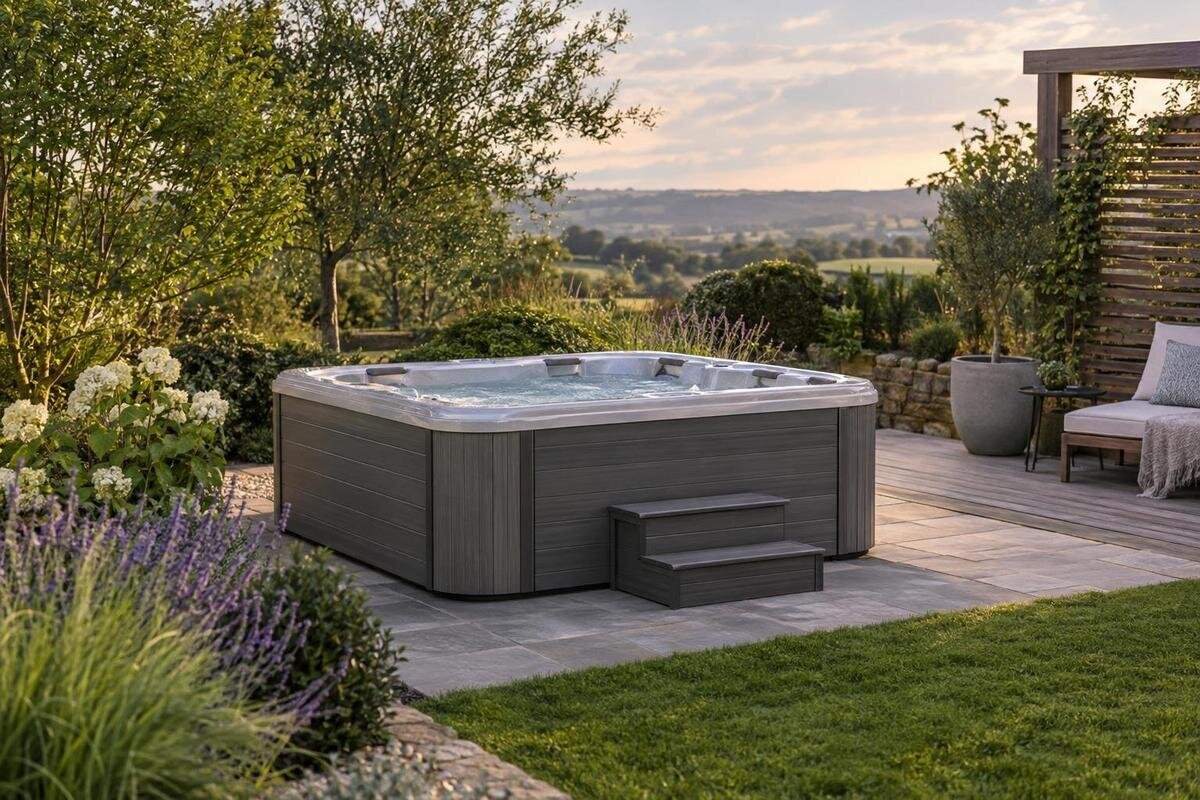
Choosing a place for a hot tub is not just a matter of finding an unused corner. The right position depends on the way you expect to use it, how easily you can reach it, what you will see and how the spot feels in different weather. Compare two or three real candidates before deciding, then check the favourite against the exact model’s current dimensions and manufacturer-stated siting requirements.
Start with how you expect to use it
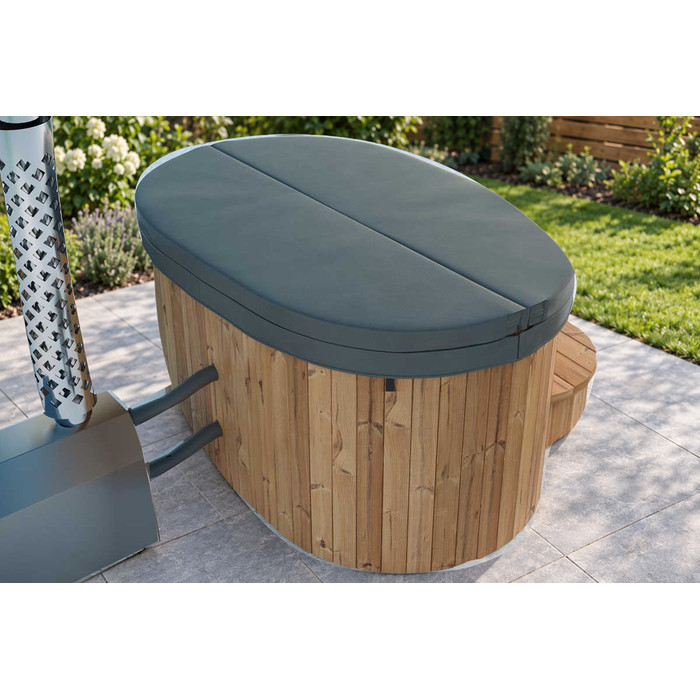
Before comparing corners, describe an ordinary visit. Would you usually use the hot tub in the evening, in daylight, at weekends or whenever the garden is quiet? A spot that looks appealing in afternoon sun may matter less if you expect to use it after work; someone who uses the garden during the day may care more about shade and outlook. Decide whether you would rather face the garden, the house or a quieter boundary. Think, too, about whether you picture short, spontaneous visits or longer social occasions. Ask other household members what they expect from the space, since their preferred time or view may differ. The aim is to choose for a routine you are likely to keep, not for how the garden looks on one attractive afternoon.
Then consider the company and atmosphere you expect: a quiet break, family time or conversation with friends. That affects the value of a pleasant view, nearby seating and separation from busier parts of the garden. It can also influence whether you favour an open, connected position or a more private one. Do not infer a model’s capacity or footprint from its title. If Bloomcabin Hot Tub Cove 2 is on your shortlist, treat the name as identification only; confirm current product information and manufacturer instructions before using it to plan a particular position. Separate questions about who it accommodates from questions about where it fits, and write down two or three priorities before comparing locations.
Keep the route from the house convenient
Walk from the door you would actually use to each candidate position, rather than judging distance from a garden plan alone. If the garden has more than one entrance, assess the route you are most likely to take. Notice whether it crosses a busy patio or lawn, passes windows you would rather not disturb, or takes you through an area that is usually occupied. Consider the trip at the time you expect to go out: daylight and a dry afternoon can make a path seem easier than a dark, wet evening. Gates, thresholds and changes in level may also affect the everyday journey. Think about carrying towels or ordinary items without making the route awkward.
Shorter is not always better: a spot immediately beside the house may be overlooked or close to windows, while a distant corner can feel like a chore to reach. Compare convenience with the atmosphere you want, and ask whether the route will still work when other people are using the garden. When considering Bloomcabin Hot Tub Haven 6, include the approach in your notes for each possible position, rather than marking only where you hope the tub will sit. A direct walk across the main outdoor dining area may be less convenient than a slightly longer route around it. Judge the journey in both directions, including the return to the house, and identify any part you would regularly prefer to avoid.
Compare sunlight, shade and wind exposure
Visit each possible position at the hours you are most likely to use the tub. Sunlight shifts over a day and across seasons, so a patch that is bright during a lunchtime viewing may be shaded in the evening, or vice versa. Note whether you prefer direct sun, dappled shade or a cooler-feeling corner; none is automatically right for every garden or routine. Existing buildings, fences and trees may change the balance, and the sunniest point is not necessarily the most comfortable place to sit. Compare the light at the actual point, not just the general side of the garden.
Wind is equally local. A position exposed to open ground can feel very different from one beside existing shelter, but a wall, hedge or fence may also block a view or cast shade. Stand at each spot for a few minutes and notice gusts, rather than deciding from a photograph or one calm day. A place may be sheltered from one direction but exposed from another, so check more than once if you can. Record the conditions you observe; you are comparing the experience of your garden, not assuming that every sheltered corner stays calm or that extra shelter is always an improvement.
Balance privacy with the view
Look around from where the tub could sit, then look back towards that point from the house and consider how visible it would be from neighbouring properties. Check sightlines from ground-floor and upper-floor windows, doors, patios and seating areas; the most obvious view from inside may not be the only one. A position can feel private when you are standing in it yet be clearly visible from a neighbouring room. Consider what happens after dark, too: lights in the garden or house can change how visible a spot feels, even if the daytime view suggests otherwise. Notice where people naturally look rather than focusing on one window.
A wide view can make the garden feel connected, while a more secluded outlook may suit someone who wants less activity in view. Neither is universally preferable, and closing off every sightline will not necessarily improve the experience. If Bloomcabin Hot Tub Fjord 8 is under consideration, make a note of what you would like to face from each possible position. Distinguish an appealing view from a view you would feel comfortable enjoying while others are nearby. A spot looking towards a busy patio may suit social use but be less appealing for a quiet evening. Consider both the view out and the view towards the tub before deciding how much seclusion you want.
Consider nearby trees and garden maintenance
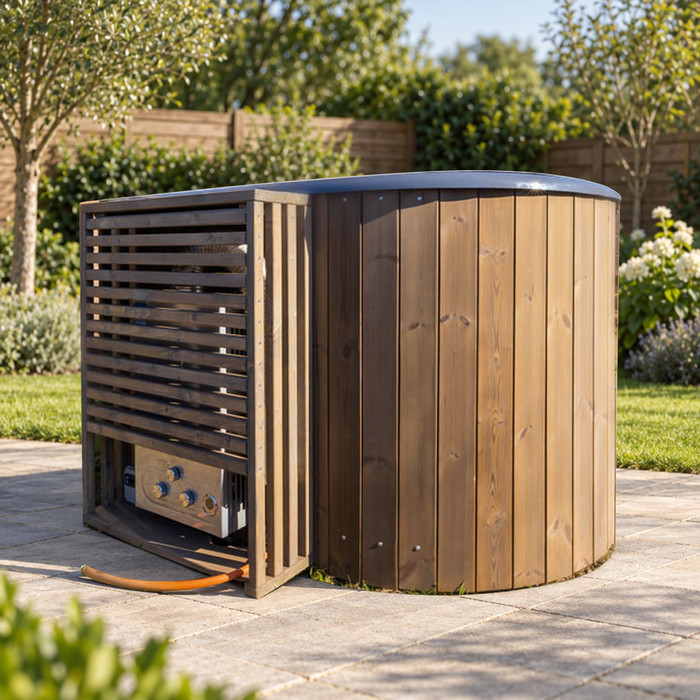
Nearby trees change both the feel of a position and the amount of routine tidying it may need. Overhanging branches can drop leaves, blossom, needles, small twigs or other debris, depending on the tree and season. A canopy may add shade or reduce the sense of exposure, but it can also limit the sun you wanted and obscure an open view. Think about what falls around the tub as well as what grows directly above it; a tree at the edge of the space can still affect the surroundings. Do not assume the garden will look the same in leaf and out of leaf.
Consider how often you already clear leaves or sweep that part of the garden, and whether you would be content to keep doing so. Look up for overhanging branches and observe where shade lies at the times you care about; this is a placement check, not a tree-work plan. If you are considering Bloomcabin hot tub Aurora 10, include tree-related upkeep in your comparison of possible locations. Separate the appeal of sitting near greenery from the practical effect of having branches overhead. Compare a spot beneath the canopy with one farther away, noting what you would gain or lose in shade, outlook and routine tidying. Existing leaf litter can help you describe the upkeep you already encounter there.
Allow room for everyday garden activities
The garden must still work for everyday life when the tub is not in use. Look at the immediate area: does the proposed spot sit across the route to the shed, clothesline, bins or a seating area? Would it take over a patch used for play, gardening or outdoor meals? The question is not whether the tub can be made to fit somewhere, but whether the remaining movement and activities still feel natural. Walk the usual routes and picture a normal weekend rather than an empty garden. This helps reveal losses in convenience that are easy to miss when your attention is fixed on the view.
Pay attention to activity at the times when the tub might be used. A position beside a busy family area may feel sociable, or it may make a quiet visit harder; a secluded corner may preserve calm but be less convenient for people moving through the garden. As you consider Cove 2 from Bloomcabin, mark your candidate positions on a rough sketch alongside the main routes and activity areas. Include occasional uses, such as having friends over for a meal, as well as daily routines. Ask which activities would have to move and whether there is somewhere sensible for them to go. This helps you assess what the position would displace without turning the exercise into a redesign of the whole garden.
Think about the spot in different seasons
Revisit your shortlist in more than one kind of weather and at different times of year if you can. The direction of sunlight, the amount of leaf cover and how exposed a corner feels can all change. A place that seems open and bright in one season may be shaded later, while summer foliage can provide privacy that is absent when branches are bare. You do not need to wait through an entire year to make a decision, but note which observations are seasonal assumptions rather than things you have already seen. This makes it easier to distinguish a reliable preference from a guess based on one visit.
Pay attention to the approach as well as the sitting area: wind and rain may make a long, exposed walk less appealing, and earlier darkness changes the feel of a route. If the Haven 6 model is on your shortlist, keep a seasonal note for each location you are considering alongside it. Describe what you know from using the garden already and what remains uncertain. For example, a corner may offer welcome seclusion in summer but feel much more open without leaves on the trees. Decide whether a seasonal drawback would affect the months when you actually expect to use the tub, rather than giving every change equal importance.
Compare two or three possible positions
Once you have narrowed the choice to two or three spots, compare them on the same day or under similar conditions where possible. Make a small table and score each candidate from one to five for the priorities that matter to you: access, privacy, outlook, sunlight, shelter, tree-related tidying and effect on daily garden use. Give each score a short note, such as “quick route, but visible from upstairs”, rather than a bare number. A score is a prompt for your judgement, not an objective measurement or a claim that one garden feature has a fixed value.
Keep unresolved questions and model-specific requirements separate from your preference scores. If you are comparing locations for the Fjord 8 listing, use a separate column to record whether each spot has been checked against the current product information. Leave unanswered points marked as unknown rather than awarding an optimistic score. Do not let a high total hide a serious drawback: a beautiful outlook may not compensate for a route you would avoid if convenience is your main priority. Repeat the comparison at a likely use time, then note which differences still matter when the weather or light changes. The table should explain your choice, not make it for you.
Decide which trade-offs matter most
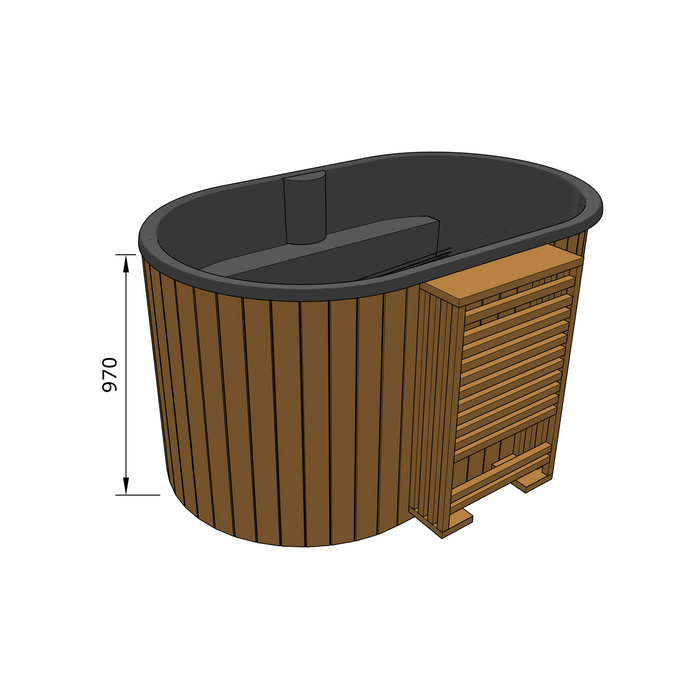
Before choosing a winner, separate essentials from preferences. You might regard a straightforward route as essential but accept some afternoon shade; another household may put privacy ahead of sunlight. Give essential needs more weight than features you merely like, rather than adding every score as if it mattered equally. A position with one major drawback can still be the better option if it excels at your most important needs, but only if you would knowingly accept that trade-off. Writing the priorities in order makes your reasoning visible and reduces the chance that a striking view decides the question by itself.
Look for a clear reason to favour the leading spot, then test it against a plausible alternative. Ask whether you would still choose it for an ordinary evening, when the garden is busy or when the weather is less inviting. If you are weighing a sheltered but enclosed corner against a more open position with a better outlook, decide which experience you would rather have most often; there is no universal answer. If neither option meets the essentials, revisit your priorities or consider another location rather than forcing a compromise that does not suit how you plan to use the tub.
Check the exact model’s siting requirements
Once you have a preferred position, complete the model-specific check before treating the choice as settled. Confirm the current overall dimensions and the manufacturer’s stated siting and installation requirements in documents that refer to the precise product, not from the model name or an illustrative image. This establishes whether the candidate position can accommodate the product as specified; do not assume a location is suitable simply because another hot tub has been considered for it. If information is unclear, ask the retailer or manufacturer for the relevant current document or an answer tied to the exact model.
Use the Aurora 10 product page to identify the model you are asking about, and keep its matching technical information with your location notes. Apply the requirements to both your preferred spot and your backup, recording any point that could change their order of preference. Keep the distinction between a drawback you can accept, such as a less appealing outlook, and a product requirement that the location must meet. If the leading spot proves unsuitable, return to the alternatives rather than overlooking the requirement because it scored well elsewhere. The result should be a position that suits both your use of the garden and the exact hot tub.
Frequently asked questions
Should I put a hot tub close to the house?
There is no ideal distance for every garden. A shorter route can make regular use easier, but a position right beside the house may be overlooked or close to busy doors and windows. Compare the walk at likely use times alongside privacy and outlook.
Is a sunny or shaded garden position better?
Neither is universally better. Note direct sun and shade when you expect to use the tub, and check how trees or buildings change the light through the day and year. Consider wind as well: a sunny spot may still feel exposed.
Can I put a hot tub under trees?
Possibly, but assess the particular spot rather than assuming the canopy is an advantage. Trees can add shade and shelter, while dropping leaves, blossom or twigs and changing privacy with the seasons. Consider the upkeep and check the model’s siting requirements.
How do I compare two or three possible locations?
Use the same criteria for each spot, score them according to your own priorities and add a note explaining each score. Keep deal-breakers and unanswered product requirements separate from the total, so a good outlook cannot conceal an impractical route.
Can a model name or product image confirm that a spot will fit?
No. Catalogue names and photographs are not specifications. Obtain the current dimensions and manufacturer-stated siting and installation requirements for the exact model, then compare them with your preferred position. Ask the retailer or manufacturer if the relevant documents are not available.
Choose the garden position that fits an ordinary visit, not simply the corner that looks best on a bright day. Comparing your priorities makes the compromises visible; the final model-specific check confirms whether the preferred spot meets the requirements for the exact hot tub. If two positions remain close, revisit them at the time you expect to use the tub and decide which setting you would choose most often.
