
Where to Position a Garden Shed for Sun, Shade and Privacy
Garden house planning
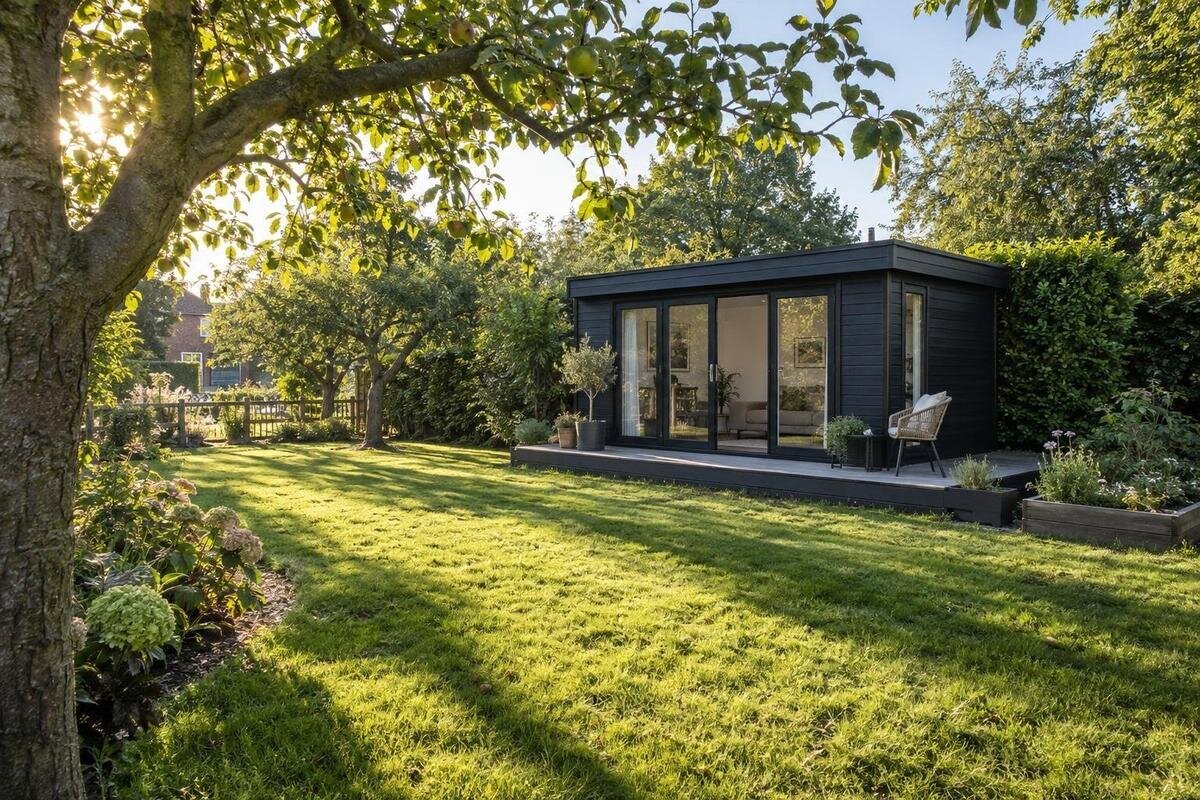
The question of where to position a garden shed is easier to answer once you know how you plan to use it. A bright corner may suit a hobby area, but glare and views from neighbouring windows could matter more; a shaded spot may involve less daylight for occasional storage yet feel dull for regular use. Walk the garden at different times, note how sunlight and sightlines change, and test the proposed footprint and entrance direction before ordering. A few observations on site make garden shed placement a considered buying decision, not a guess based on one sunny afternoon.
Site-planning checks 1
Decide what the garden house needs to do
Sun and privacy are only helpful in relation to what you want to do inside. If you mainly plan to store tools, a short, practical route from the house or gate may matter more than a bright interior. If you expect to read, work on a hobby or sit inside, consider which hours you will use it, which direction you would face and whether you want to look towards the garden or screen yourself. A shed used for quick visits has different daylight needs from a space where you expect to spend an hour. Naming the main use turns a vague search for the sunniest corner into a real comparison between possible sites.
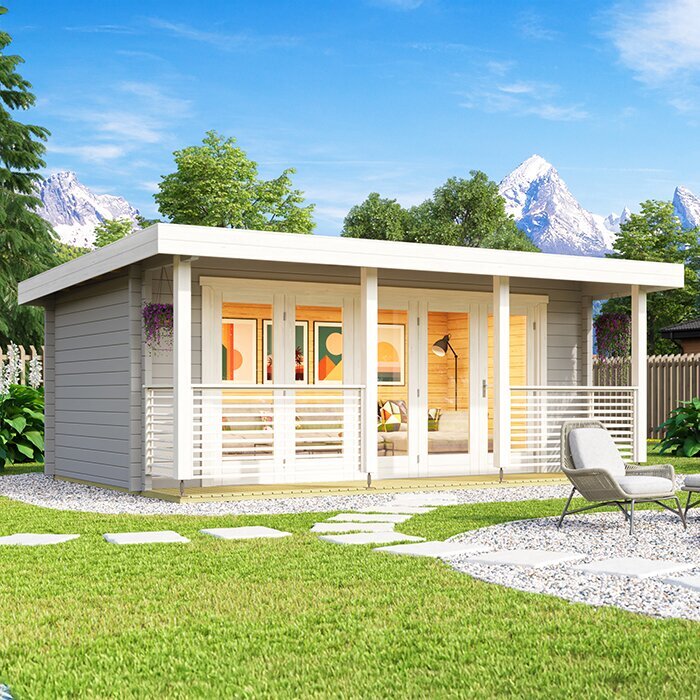
Write down your top priorities before browsing: daylight at the hours you expect to be there, a view out, reduced visibility from nearby homes, or convenient access. Rank them rather than trying to maximise everything at once. If a model such as the Verdana 1 garden house listing is on your shortlist, treat it as an option to assess, not as a reason to choose a particular corner. Use dimensions and opening positions only if stated on its product page, and test them against your priorities. A model name or photograph alone does not show how it will work in your garden.
Track sunlight at different times of day
A quick look at lunchtime will not show the whole pattern. Check each possible position in the morning, around midday and later in the afternoon, especially at the hours you expect to use the building. Note direct sunlight, open bright shade and deeper shade separately; they can look similar from the house but feel different inside. Watch where a shadow begins and ends as it crosses the proposed footprint, not just the centre of the lawn. Record the date and weather as well: a cloudy visit can show the general layout but cannot tell you how long direct sunlight reaches the site. A photo taken from the same point, with the time noted, makes later comparisons easier.
In Ireland, the sun travels across the southern part of the sky, but walls, houses and other obstacles shape the light at ground level. Add north to a rough plan and mark where each candidate gets morning and afternoon sun; a compass gives you orientation, not an exact forecast of shade. If you are looking at the Verdana 2 garden house listing, use its stated plan or opening positions, if available, to test how the building could sit on that sketch. A phone sun-path tool can offer a useful prompt, but compare its estimate with what you observe. Do not assume the front shown in a product photo will face the sun from the angle you want.
Site-planning checks 2
Check how shade changes with the seasons
One observation in summer can make a position seem brighter and more private than it is for the rest of the year. As the sun sits lower in winter, shadows from the house, a wall or a neighbouring building can stretch farther across the garden; leaf cover can also change how much light passes through nearby vegetation. If you will use the garden house in colder months, look for the hours when the site is shaded then, not only during long summer days. The reverse matters too: a winter spot that feels bright may receive much stronger sun at another time of year. Mark the whole proposed footprint, since shade at one corner may not describe the light across the entire building.
Where practical, compare observations from more than one season, or use dated photos to keep track of the pattern as the year changes. For a model such as the Durano garden house listing, any stated footprint or drawing can help you judge whether a shadow falls across one wall or most of the intended position. If the relevant details are not provided, ask for clarification rather than extrapolating from an image. The aim is not to predict every change in sunlight, but to avoid choosing a site that works only in one season. Note which months matter most for your routine and give those observations extra weight.
Match the orientation to the light you want
Compass direction is a useful first filter, not a final answer. In the northern hemisphere, a south-facing side often receives more direct light; an east-facing one tends to catch earlier sun and a west-facing one later. A north-facing opening may receive less direct sun. These are broad tendencies, not guarantees: nearby buildings, fences and the season can alter the result. Decide whether morning light or later-day light matters more to you, then check the route of the sun through the actual garden. If a site gets sun only at one end of the day, consider whether that matches your usual schedule.
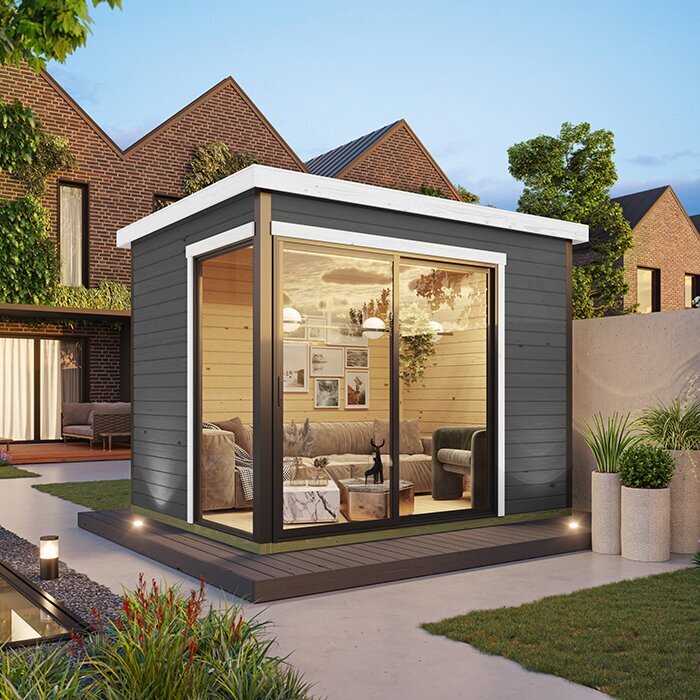
Openings matter as much as the building’s compass position. A window facing the sun may provide useful daylight, but it could also create glare on a screen or make a seated view feel exposed; turning the building may change both outcomes. The entrance may be on a particular side, so picture how you would approach it rather than choosing orientation from sunlight alone. With a candidate such as the Veltor 1 listing, check any available layout or orientation details and compare them with the bright and more private parts of your plan. Do not assume a model can be rotated or reconfigured unless its product information confirms this.
Site-planning checks 3
Trace sightlines from nearby homes
Privacy depends on who can see the building and where its openings would be, not just how close it is to a boundary. Walk likely spots from the kitchen or an upstairs window in your own home, then consider views from neighbours’ ground-floor and upper-floor windows, balconies and garden seating. A position that feels screened from ground level may be open from above. Mark the proposed entrance and any windows on your sketch only after checking the model information; without that, the exact sightlines are still unknown. Try viewing the spot while standing and sitting, as a change in height or angle can make a difference.
You can test the view before buying by marking the footprint with string or temporary markers and standing where an expected window or doorway would be, using the product plan to place it. If a hedge, fence or screen is part of your thinking, remember that planting may be sparse or leafless at some times, while a solid screen can also change the light. A location a little further into the garden or turned away from a particular window may offer a better balance. Check the documented layout for the Orello 1 listing, but let those details, rather than its name or photograph, guide the sightline test.
Choose the view from inside as well
Privacy is not only about blocking other people’s view; it is also about the view you want from the garden house. A seat or work area facing a favourite part of the garden may make the space more useful, while an opening towards a busy path could leave you drawing a blind or avoiding the room. Think about how you will use the building when neighbours are likely to be outdoors, and whether you would prefer to see the house, plants or a quieter corner. You may also want to see the garden house from your own home. Consider that view alongside the privacy you want inside, as the two priorities can sometimes pull in different directions.
On a sketch, draw a line from each expected opening to the main views and nearby windows; label which views you welcome and which you would rather soften. If a product offers more than one possible opening arrangement, confirm which configuration is actually available before building your plan around it. For a candidate such as the Modano 1 listing, use only the layout information stated on its page and ask for clarification if a drawing is unclear. A photograph may help you imagine the style, but its perspective does not establish exactly where an opening sits.
Site-planning checks 4
Keep the route to the entrance straightforward
Daylight and seclusion will not compensate for a position that is awkward to use every day. Trace the journey from the house and the garden gate: where will you carry tools, cushions or a box, and would you have to cross a wet patch, a busy patio or a planted bed? Consider which doorway you use most and whether you can approach it without turning through a tight corner. A route that looks obvious on a plan can feel inconvenient with something in your hands, so walk it in person where possible. Think about the path you use in ordinary weather, rather than relying on an ideal route across the lawn.
Check the product’s entrance position and dimensions before deciding which way to face it. If the page for the Garden Tool Shed M listing gives this information, transfer it to your site sketch; if it does not, confirm the details rather than reading them into the product photo. Walk the route as if carrying the items you expect to keep there, and check that the entrance does not send people through the part of the garden you most want to keep private. This makes access part of the placement decision, rather than something to work around after you have chosen a spot.
Mark the proposed footprint before you order
Use dimensions in the product information to mark out the proposed footprint with string or temporary markers. Add only features you can confirm, such as the entrance position; do not draw an opening on a wall just because a photograph seems to show one. View the outline from the house, patio and the route you normally take through the garden. Does it dominate a seating area, block a useful view or sit across the strip of sun you wanted to keep? Moving the outline a short distance or turning it can change the result, so compare more than one position on the ground.
A plan can catch conflicts that are hard to see from a catalogue image. Mark north, shadows at key times, sightlines you want to avoid and the approach to the entrance, then compare that plan with the actual product details. The Garden Shed S listing is one product page you can assess in this way: use measurements and opening positions only where the listing states them, and ask before purchase if the information is unclear. This is about confirming a fit with your garden, not guessing dimensions from a model name. If a detail affects the position you have chosen, resolve it before ordering.
Site-planning checks 5
Plan for changes through the year
Light and privacy can shift as plants grow and lose their leaves, as garden furniture moves and as the sun’s angle changes. A screening hedge that feels effective in summer may give less cover in winter; a planting bed that is small now may cast more shade later. Consider the mature shape of existing vegetation without treating it as a precise forecast, and do not rely on leaves that disappear in colder months for year-round privacy. Where the exact future is hard to know, anchor your decision in the present layout and the seasonal pattern you can observe. Keep separate notes for changes that come from the sun and changes that come from planting.
Also think about when you will use the garden most. If the building is for summer hobbies, a little afternoon shade may matter more than a sunny winter outlook; if you plan to use it in darker months, daylight and a convenient route may become priorities. This is not a reason to chase a single ideal orientation, because weather and daylight vary from day to day. Instead, compare the seasons you care about and be honest about which one matters most. A location should suit your regular habits, not an imagined perfect day.
Compare candidate sites before placing an order
Once you have two or three possible locations, compare them on the same simple plan. For each, note morning and afternoon sun, seasonal shade, privacy from upper- and ground-floor views, the outlook from inside and ease of access. Give each point a plain rating such as good, acceptable or poor, and record what would improve it. This stops a strong advantage, such as afternoon sunlight, from hiding a drawback, such as an entrance visible from the neighbour’s house. It also helps you decide which trade-offs you can accept before selecting a particular garden shed.
Before ordering, check the selected model’s documented dimensions, entrance and opening layout, and any site or placement requirements in its product information. Confirm unresolved details with the seller or manufacturer instead of relying on a similar-looking photo. If slope, surface or drainage makes the site uncertain, ask a qualified installer or builder what needs assessing; confirm any local requirements with the relevant authority rather than assuming. Once those checks are settled, the best position is the one that works well for the main use across ordinary days, not the one that looks perfect at one moment.
Frequently asked questions
How should I check sunlight before choosing a site?
Visit candidate positions at the times you expect to use the building, ideally in more than one season. Record direct sun and shade separately, note the date and weather, and map where shadows move across the proposed footprint. A single midday visit gives an incomplete picture.
Does a south-facing garden shed always get the most sun?
A south-facing side often receives more direct sun in Ireland, but nearby houses and walls can cast shade, and east- or west-facing openings may suit your routine better. Use compass direction as a starting point, then check actual light and glare on site.
How can I check whether a garden shed will feel private?
Mark likely opening positions from the product information, then check sightlines from your own rooms and neighbouring ground- and upper-floor windows. A temporary footprint helps you judge views from the right angle. Remember that hedges and other planting can look different in winter.
Is shade a problem for a garden house?
Not always; it depends on what the space is for and when you will use it. Occasional visits for storage need less daylight than a room used for reading or hobbies. Check that the selected spot provides the light you want rather than treating a sunny position as automatically best.
What should I confirm before ordering?
Check the stated dimensions, entrance and window positions, and any placement requirements for the exact model and configuration. Compare those details with your site plan. If the ground, slope or drainage is uncertain, ask a qualified installer or builder before committing to the location.
There is no single compass direction that gives every garden shed the right mix of sun, shade and privacy. Choose with the intended use in mind, observe light at different hours and seasons, and test sightlines from the likely openings. Then mark the dimensions and route to the entrance before placing an order. When one site meets most of your priorities and its trade-offs are clear, you can choose with confidence without expecting one spot to offer full sun, deep shade and complete privacy at once.
