
Window Condensation: Inside, Outside or Between Panes
Window guide
Three windows can present three separate clues on one morning. Water may trail down the bathroom glass on the room side, the bedroom window may carry a faint outer veil, while one glazed unit looks milky at its centre. Each condition has a separate cause and may require a separate response. Anyone considering replacement windows should treat condensation as information about indoor air, surface temperature, glazing, frames, wall junctions, fitting and daily use rather than simply an annoyance. Renovation can alter that balance. This guide explains how to distinguish the three moisture locations, make useful initial checks and gather the information needed to plan the windows as one coherent project.
First identify exactly where the condensation is
Look at the window from more than one angle before discussing ventilation, replacement glass or a complete new unit. If necessary, pass a dry cloth briefly over an accessible face to discover where the moisture sits. Room-side mist can be touched from indoors; exterior dew lies on the surface exposed to the weather and often becomes obvious early in the day. A haze that seems enclosed beyond both surfaces you can reach may be inside the glazing unit. Record when it develops as well. Did it follow a shower, cooking or a night’s sleep? Does it persist through the day, and is one unit involved or several? These checks help prevent normal dew outdoors being mistaken for damage and stop an isolated concern being attributed prematurely to the entire property.
Map the water rather than noting only that it is present. A thin, uniform veil across the central glass suggests something different from beads along the bottom edge, wet gaskets, damp corners or marks on the reveal. Air may circulate poorly beside glazing when furniture, thick curtains or internal blinds obstruct it. A deep sill, a radiator beneath the window or fabric left drawn may therefore help explain a local patch. Include the room’s purpose, normal temperature and airing pattern in your notes. Before requesting advice, decide whether the event happens routinely, only during winter conditions or continuously. A precise account of these details gives an assessor much more to work with than the broad statement that a window ‘sweats’.
Indoor misting: moisture reaches a chilled surface
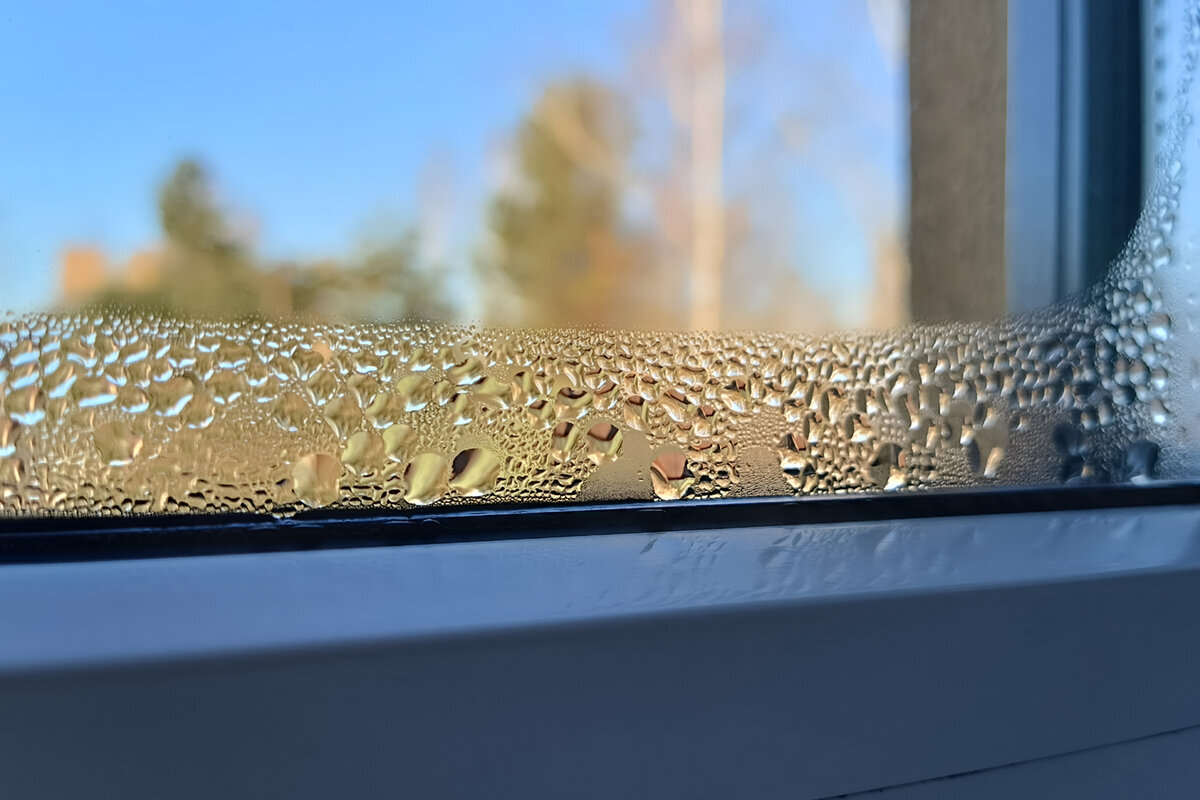
Air inside a home carries water vapour. When that air loses heat beside the inner pane, its temperature may fall to the dew point and liquid gathers on the surface. More humidity, or colder glass and frames, makes this increasingly likely. Showers, cooking, clothes drying, houseplants and several occupants can all add moisture, particularly where fresh-air exchange is limited. A bedroom commonly becomes more humid overnight at the same time as conditions outdoors cool. Dew indoors at breakfast time is therefore one clue about the night-time balance, not proof of a single cause. Older glazing can show it, but so can one element placed in a colder or less well-circulated part of the building.
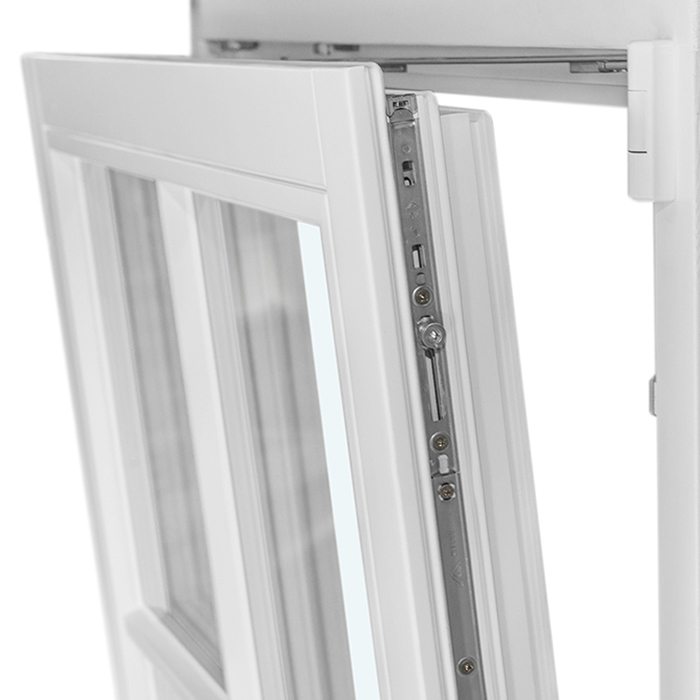
A purchase should not be judged solely by a figure quoted for the central pane. Temperatures on the room-facing surface also depend on the spacer and edge construction, the amount of frame, overall dimensions, fitting position and connection to the wall. Before replacement, consider the wall build-up, how the room is occupied and how ventilation will work across the space. An inward-opening single-sash window tells you how the unit opens, but not whether it resolves every moisture or thermal condition. Treat glazing choice, frame construction and the fitting junction as a coordinated specification. If the project covers only selected openings, assess how the retained and replacement units may differ in their room-side temperatures.
What to do straight away about internal condensation
Do not allow room-side water to remain for extended periods. Wipe the pane, frame and sill, then see whether deliberate airing changes the result. A brief period with the window fully open can replace moisture-laden air; keeping it slightly ajar may perform very differently as Irish weather changes. After bathing or preparing food, limit the movement of steam into adjoining rooms. For bedrooms, include airing after waking in the observations you make. Avoid excessive cooling, however, because colder surfaces may encourage further wetting. There is no universal timetable: the useful approach is to remove moisture in a way that fits the household, the room and current outdoor conditions.
Arrange a competent investigation when heavy condensation persists despite reasonable use, clusters around a frame, edge or reveal, or appears with mould staining or a musty odour. The inspection needs to extend beyond the glazed product. Relevant specialists can consider cold bridges, moisture entry, the wall connection and circulation of heated air together. During renovation, choosing the window first and postponing all thought about fitting is particularly risky. Establish who will survey the existing openings, how each junction is to be designed, how pre-existing defects will be documented and which trades need to agree their work before installation. The observation then becomes a defined inspection brief, rather than an assumption about the cause.
How to assess condensation on the outside
Outdoor misting follows a separate process. During clear, damp nights, glass exposed to the sky can lose enough heat for airborne water to condense on its exterior. In Ireland’s changeable maritime weather, the result may be most obvious around dawn and then clear as daylight or warmer air raises the glass temperature. It can temporarily obscure the view without showing that humidity indoors is excessive. Exposure also matters: a window facing open sky behaves differently from one sheltered by projecting eaves. Still air, the property’s position and nearby planting can likewise change the surface temperature and the likelihood of visible dew.
Exterior dew cannot, on its own, provide a verdict on the standard of a window. Check that the film is genuinely outside and clears, and look separately for water held in the frame rebate, failed seals or dampness indoors. When a design includes broad sections that cannot open, for example a fixed-glazed window, settle the practical questions of controls, safe cleaning access, solar shading and room ventilation on their own merits. Fixed glazing may work well within a considered arrangement, provided other suitable openings deal with fresh air and cleaning needs. A temporary layer of morning dew should not distract from those design decisions.
A sealed-unit problem: moisture between the panes
In an insulated glazing unit, the space between the panes is sealed. If moisture, streaking or a cloudy haze remains visible within that space, the affected area cannot be wiped from indoors or outside. This clearly distinguishes it from ordinary condensation on an accessible surface. Visibility can vary with light and weather, so photographs taken under different daylight conditions may help. Also check whether it is really the same area, or whether dirt on the outside, reflections or residual water are creating the impression. Only when the location between the panes is reasonably established should the next step be decided.
The affected unit needs its own condition assessment. Assemble the sales paperwork, confirmation of the order, dimensions, photographs, fitting date and any history of repair before seeking advice. Bloomcabin provides a five-year guarantee for windows and doors, but the documents and inspection determine whether an individual claim falls within its terms. One cloudy element does not automatically justify replacing every window. Equally, it can be practical to include that element in broader works when the other windows, their junctions and the room arrangement are already under review. Ask the surveyor which parts require attention: glass assembly, sash, frame, surrounding connection or a combination of them. Accurate records reduce the risk of ordering an unsuitable replacement.
Why edges, frames and reveals often matter
The wettest point may not be the place a householder first expects. At the perimeter of the pane, several materials converge, while conditions across the wall-to-window connection influence the temperature of the reveal indoors. Water confined to a bottom corner might reflect limited air circulation as much as a colder construction detail. Curtains spanning the opening, furniture positioned close by or a heat source hidden behind a cover can all alter warming of the surface. These practical arrangements are more than matters of décor. They help account for different behaviour from two otherwise similar windows serving the same room.
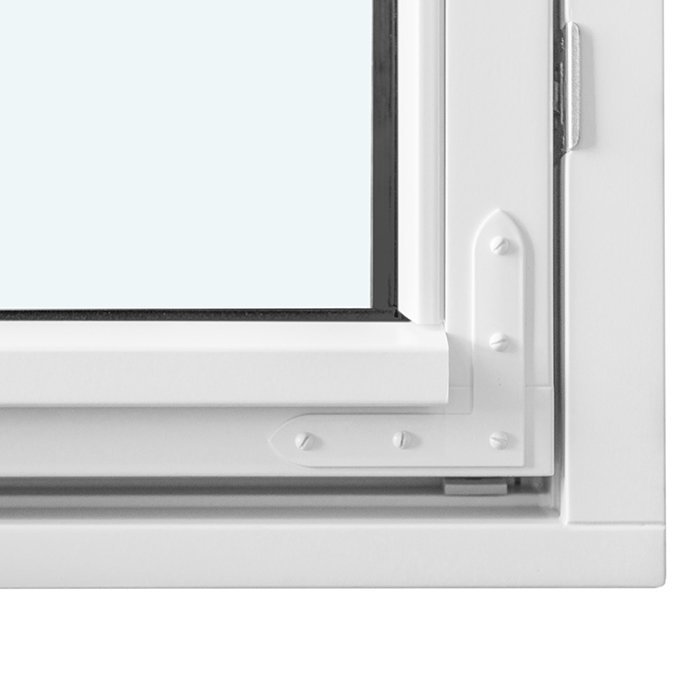
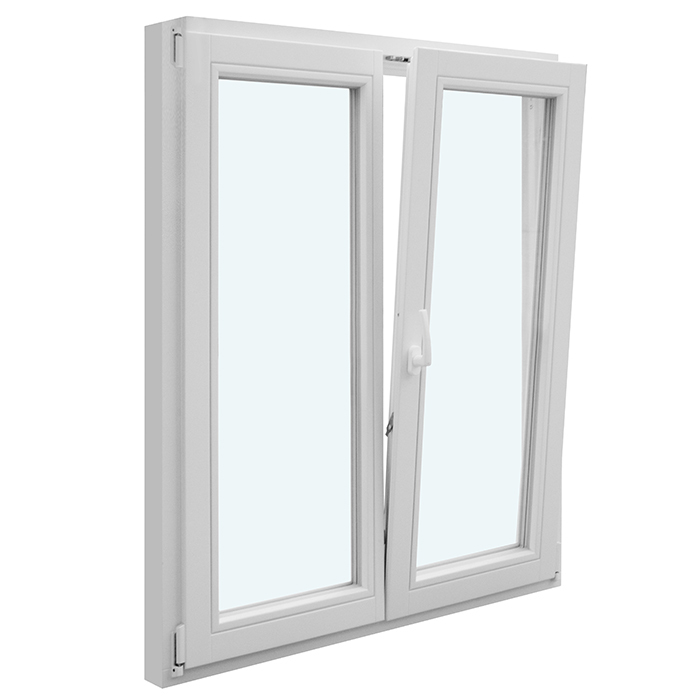
During renewal, give the opening survey and junction design as much care as the window’s visible appearance. Review the reveal depth, sill, existing shutters or other shading, interior linings and where insulation runs. A two-sash inward-opening window is defined by its two opening leaves and their direction, not by proof that the surrounding connection is appropriate. Match every opening clearly to its dimensions, handing, glass specification and fitting approach. Where dampness is confined to the frame perimeter, diagnose it before placing the order. A replacement could otherwise hide the old junction defect while leaving its cause untouched.
Treat roof glazing and wide openings separately
Sloping roof glazing occupies another orientation from an upright façade unit. Moist air tends to move upwards, so both airflow and temperature near a room’s ceiling can differ from conditions lower down. Steam from a bathroom in the roof space, or from food preparation in an open living area, may therefore become noticeable at this glazing quickly. The way the space is furnished also counts. Blackout coverings, privacy blinds on the room side and poor circulation close to the pane can change the pattern. A centre-pivot roof window should therefore be compared not only for daylight and operation, but also in relation to room humidity, reachable cleaning and planned ventilation.
A broad patio opening introduces a large expanse of glazing, often as a major visual feature. Conditions beside it are shaped strongly by room layout, curtains and the position of heat emitters. A Patio Life lift-and-slide door requires different planning from a conventionally hinged casement. Decide early how frequently the door will operate, whether it is expected to provide routine ventilation, where furniture will stand and how its threshold meets the floor construction. Do not accept or reject a large glazed area because dew appeared once. Opening method, solar control, glazing, heating strategy and perimeter details need to be resolved together. In alteration projects, surveying the adjacent door and window openings at the same visit is generally more coherent than preparing unrelated orders.
Do not compare Uw values alone
A quoted performance figure is useful for comparison, but cannot describe every influence on condensation. Practical behaviour depends on the temperatures reached by both frame and glass, the edge construction, unit dimensions, the relative areas of glazing and framing, and the way the opening is fitted. Aspect and shade can alter the thermal pattern as well. When reviewing offers, ask each supplier to identify the basis of every value: does it describe the full window, only its glass, or a reference unit of stated dimensions? Configurations become meaningfully comparable only when their measurement bases are understood.
A Super Low Uw Passivhaus window, outward-opening states an opening orientation in its name; the title should not be read as evidence of other performance characteristics that have not been specified. Request the figures applying to the selected dimensions and construction, together with the proposed detail for joining it to the existing wall. Improved insulation may raise room-side glass temperatures, yet humidity control and sound fitting remain necessary. Nor will a favourable headline value cure moisture where use of the room or a cold reveal is the real concern. A suitable specification results from coordinating all these factors instead of relying upon one number.
Planning replacement: from existing windows to an orderable solution
Create a room-by-room register before browsing product photographs. For every opening, enter its width, height, operating method, handing, moving and fixed sections, visible glazing bars, interior and exterior faces, and the exact place where dampness appears. Use one photograph to show context and another for close detail. With an older property, decide whether the façade’s proportions, subdivisions or overall appearance must remain. A period-style “Kombi” combination casement window opening outwards combines a particular appearance with a defined operating arrangement. Assess both against the actual opening dimensions and fitting conditions; period styling alone reveals nothing about indoor humidity or the quality of the surrounding junction.
Ask for the quotation to separate the agreed window specification from items requiring coordination: measurement basis, glazing, handing, accessories, removal, fitting, junction treatment and making good at sills or reveals. Set the trade programme at the same stage; arranging plaster, floors, sills and windows in isolation can lead to avoidable rework. Bloomcabin’s stated delivery timeframe is four to six weeks, subject to confirmation of the order. Do not authorise manufacture until dimensions, configuration and responsibilities at each interface are settled. Where condensation prompted the project, careful sign-off after diagnosis is preferable to haste based on uncertain assumptions.
A short checklist for your consultation
Convert what you have seen into a structured account. Identify the wet face, room and time of occurrence, then record whether water reaches the seals, frame or reveal as well as the glass. Describe normal heating, airing and use of the space. Note any recent alterations to insulation, windows, furniture or the room arrangement. Photographs taken in similar weather are more useful when labelled as a seasonal episode or an ongoing event. This evidence helps a specialist decide whether occupation and airflow should be reviewed first or whether a particular component deserves investigation. If the visible signs do not locate the source reliably, inspection or appropriate measurement may be warranted.
The proposed order raises a second set of questions. Confirm the site dimensions, sash direction and possible clashes with curtains, furniture or neighbouring doors. Mark the fields that need to operate and those intended to stay fixed. Agree arrangements for cleaning, shading and the sill, and name the party responsible for each junction detail. In a compact ancillary room, an outward-opening top-hung window may be considered, provided that it remains accessible and supports the intended ventilation of that space. Put every answer into the quotation. The original condensation concern then becomes a defined, checkable configuration, with responsibilities and limitations recorded for all parties.
Frequently asked questions
Does condensation indoors necessarily mean that the window is faulty?
No. A temporary rise in room humidity combined with a cool surface can produce misting indoors. Persistent drops, staining or wetness around the frame and reveal merit closer examination. Assess the room air, heating pattern, circulation, window construction and wall connection as a system rather than examining only the pane.
Why does a new window mist on the outside?
When damp outdoor air encounters glass that has cooled sufficiently, water can gather on the exterior. This is often visible near daybreak and may clear as conditions change. Its presence alone does not prove a fault. Verify which face is wet and rule out moisture enclosed within the glazing unit.
Can I remove moisture between the panes myself?
No. Water truly enclosed in the glazing unit is inaccessible, unlike dew on either exposed face. Take photographs and retain the documents identifying the window. A suitably qualified person should determine which part has failed and whether the appropriate response concerns that element alone or should be coordinated with wider work.
Will increasing the heat solve condensation indoors?
Keeping the room suitably warm may improve surface temperatures, but extra heat by itself cannot correct continuing excess moisture or a poor wall junction. Consider how water vapour is produced, how fresh air is introduced, where warmth circulates and how the opening is constructed. If the frame or reveal remains wet, investigate the reason instead of masking the symptom with higher heating.
Must I replace every window immediately because of condensation?
Not necessarily. Locate the water and investigate its cause before deciding. A single sealed unit misted internally presents a different issue from condensation across the room-facing sides of several windows. Where refurbishment is already planned, coordinate the windows with their wall connections and the intended use of each room.
Next step
Condensation offers useful evidence only after its location has been established. Moisture indoors points the investigation towards room humidity and cold inner surfaces; exterior dew reflects weather and outdoor cooling; mist enclosed in a unit concerns that particular glazing assembly. Buyers should therefore avoid choosing a remedy from one image. Record the pattern, then consider the windows, wall connections, ventilation and occupation together. Accurate dimensions, labelled photographs and well-framed questions support a safer replacement specification. Before selecting the final product or fitting method, have the conditions in the existing building assessed by professionals with the appropriate competence.
