
How to check window and door warranties
A practical guide to windows and doors
Opening method, visual design and glass are usually prominent when choosing windows or doors for replacement work or a new home. Protection after purchase, however, depends on the full order. Confirm the agreed specification, who will measure and fit each unit, what junction work forms part of the job and which records govern a later complaint. A warranty does not certify an entire construction project. It is a written commitment whose duration, requirements and boundaries come from its terms. Applicable statutory remedies may exist separately. Keeping those routes distinct, while documenting where the product, fitting work and other trades meet, supports a fairer comparison of quotations and an orderly response if trouble develops.
01 / Review the paperwork
Distinguish warranty cover, legal remedies and goodwill
Warranty language and statutory consumer remedies are sometimes discussed as though they are interchangeable, but they perform separate roles. The warranty provider’s written commitment defines the characteristics or pieces protected, any qualifying requirements and the form of assistance offered. For consumer purchases in Ireland, statutory remedies for faulty goods remain separate from a commercial warranty. The precise position can vary according to the agreement and circumstances, including whether the transaction covers goods alone or also fitting work. A brief statement that an item has a warranty therefore tells you too little. Obtain the complete wording before committing to the order, then consider it together with the quotation, confirmation and any installation agreement.
A goodwill response occupies another category. It may resolve a difficulty, yet it is not protection agreed beforehand. Avoid expecting every later adjustment or change in appearance to be handled without a charge. Organise one project folder into three sections covering the product promise, the sales agreement and the fitting arrangement. Note the responsible contact beside each unit. For a front entrance, the door-set supplier and the installer may each answer for different work. Although separating those roles can seem overly formal at first, it reduces the risk that several businesses will redirect the same complaint to one another.
Examine what is protected, not merely how long
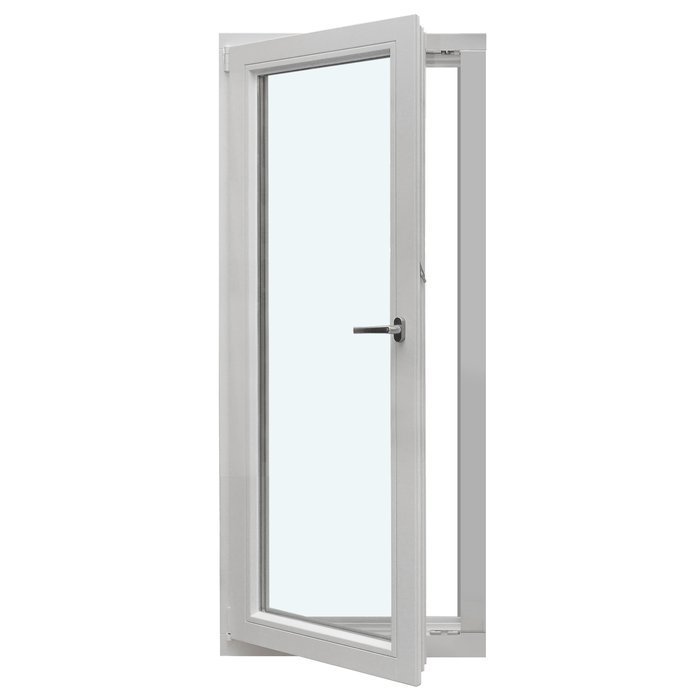
Two warranties with five-year terms can be compared properly only if each defines its subject with similar precision. Bloomcabin’s commercial warranty for windows and doors lasts five years. Establish whether the promise concerns the assembled unit or selected pieces, and whether the fittings, seals, glass, coating, frame, sill threshold or accessories receive different treatment. Also determine whether it addresses material condition, operation or one named attribute. For example, the product title inward-opening window with a single leaf states a configuration rather than every characteristic agreed for the sale. The remaining specifications belong in the purchase records.
Give equal attention to the assistance promised if something goes wrong. The terms might offer repair, substitution of one affected piece or another response without requiring an entirely new unit or alterations to surrounding construction. Find out who conducts the review, whether attendance at the property is contemplated and how removal, reinstallation, access and incidental work are handled. A comparison table can record whether you received the warranty document, what it protects and what response it describes. That approach reveals practical differences between commitments that display the same duration at first glance.
02 / Specify the purchase
Make the paperwork an exact record of the unit
Many later disagreements can be traced to imprecise purchasing records. Ensure the confirmation assigns the correct dimensions, leaf count, direction of travel, frame view, colour or surface, glass, subdivisions, handles, fittings and optional accessories to each item. Decorative bars attached to the glass should be distinguished from those that split the glazing itself. Where the appearance was discussed, stating that no glazing bars are required is equally meaningful. Keep drawings, approvals and amendments together, each carrying its revision date. Promptly request written confirmation of verbal commitments so nobody has to recreate the conversation from memory months afterwards.
Non-standard forms call for extra care. For a fixed-glazed triangular or sloping window the orientation, viewed face and measurement reference lines may be especially important during ordering and fitting. Identify the drawing from which every dimension was taken and record whether the contractor accepted responsibility for measuring at the property. Before authorising manufacture, consider how the unit relates to the reveal, sill, shading, interior lining and nearby furniture. You are not expected to design the technical solution yourself. The objective is to provide the appointed specialist with information that can be checked, allowing any difference between the approved image, recorded order and supplied item to be classified accurately.
Define fitting work and construction junctions separately
Even a correctly made unit can operate badly when dimensions, fixings, weather seals, threshold details and neighbouring work have not been coordinated. Conversely, moisture at a junction does not by itself prove that the window or door is faulty. Before appointment, record who will take dimensions, complete the fitting and perform each junction task. Specify responsibility for sills, membranes, exterior detailing and finishing trims. If work exposes the existing structure, agree who will examine concealed deterioration and how extra tasks require approval. These matters should be settled during project planning rather than first raised in a fault notice.
Consider a single-leaf patio door that opens inwards The sweep of the door may interact with indoor and outdoor floor construction, drainage and the meeting point with the patio. Its name confirms how it opens; it does not define every junction around it. Ask the responsible specialist to describe those interfaces clearly within the agreed work. Record the approved design information for the threshold, finished floor heights and adjoining surfaces. If another trade later alters a build-up, review and note any effect on clearance, access or junction detailing. Independent professional input may be prudent on substantial jobs involving several trades. Technical choices and project-specific demands should be assessed by an appropriately qualified contractor or designer. Warranty wording is not a substitute for accurate measurement or coordinated detailing.
03 / Assign fitting duties
Interpret exclusions in their proper context
An exclusion need not indicate poor protection; it marks the boundary the provider intends to draw. Common examples concern ordinary wear, misuse, neglected maintenance, unapproved alterations, external damage and problems caused by deficient building junctions. Only the language of the particular document can settle its meaning. Ask how the provider interprets expressions such as proper use, upkeep or outside influence. Resolve uncertain wording before committing to the purchase. A visible blemish should not be labelled automatically as a valid warranty matter, but any rejection should still be accompanied by a reasoned explanation rather than a general refusal.
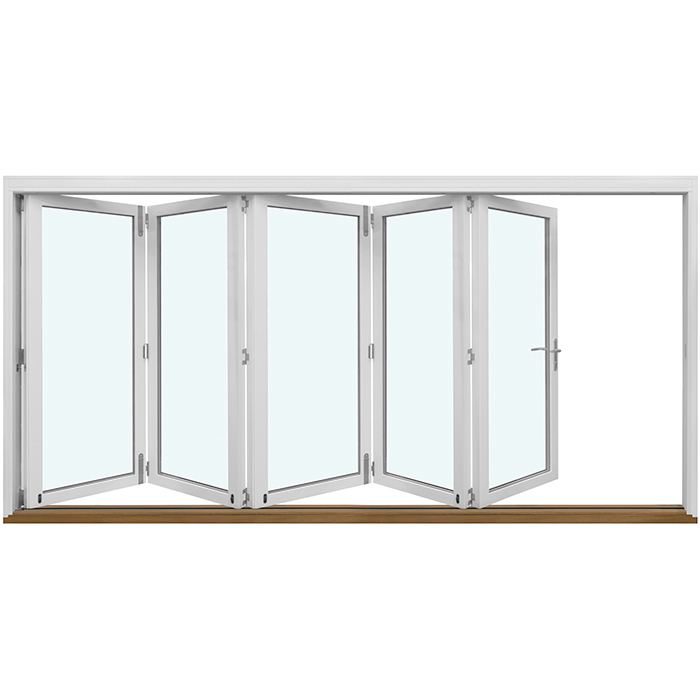
Also establish which alterations are permitted once the unit has been handed over. Added fittings, films, privacy products, drilled holes or third-party modifications may obscure the original cause of a problem. This matters for a Patio Life sliding door with lift mechanism Order the intended opening arrangement and enquire before attaching anything later whether the proposal meets the manufacturer’s and installer’s instructions. Similar caution applies to strong cleaning agents and inappropriate adjustment tools. Retain the maintenance and user information, then ensure occupants, tenants or future owners can access it. Following that process cannot assure acceptance of a complaint, but it removes several avoidable sources of disagreement.
Identify the commencement event and diary dates
A stated duration is incomplete unless you know the event from which it runs. The relevant point might be dispatch, invoicing, fitting, handover or formal acceptance. Repaired or substituted pieces may also be addressed separately. Consult both the warranty wording and contractual records for the answer. Save evidence of the applicable event alongside any diary reminder, whether that evidence is an invoice, delivery docket, installation sheet or handover note. Phased projects can produce different dates for separate items. A consolidated schedule helps prevent the date for an early window from being applied mistakenly to a door installed later.
Prepare a concise element register when the job finishes. Include the room or elevation, item reference, description, relevant date, file location and responsible contact. Such a register is particularly helpful when units look alike. A window fitted with fixed glazing requires a different description from an opening sash, while its item reference removes doubt about which one is involved. Mark separately the dates of delivery, fitting and handover whenever they differ, and record where reports of later repairs or replacement pieces are stored. You can then connect events with individual items without attempting a legal calculation of time. During early use, note only verifiable details: place, date, the weather when a draught was noticed and the sequence used to operate the unit. A careful chronology assists investigation without prematurely assigning a technical cause.
04 / Record the handover
Build the file before a dispute occurs
A useful complaint record begins well before any damage. Store the quotation, purchase order, confirmation, specifications, drawings, approvals, variations, delivery documents, fitting sheets, handover notes, invoices, warranty wording and user guidance in one organised location. Give electronic files descriptive names using the relevant room, item and date. Images taken just after fitting can document appearance and condition, provided they are catalogued clearly and are not treated as a technical diagnosis. Record who issued instructions, supplied information or authorised a task, together with the timing. Important decisions should also be captured outside an isolated chat thread.
A door order may also have paperwork for handles, sidelights and selected extras. If a one-piece door sidelight containing glass was purchased with the front door, place both under the same entrance group while keeping their order references distinct. This prevents a concern with one item from being recorded against the other. At handover, verify that document names, item identifiers and drawing revisions correspond. A short index will be more helpful later than a folder of unlabelled attachments. For an apartment or rented property, decide who retains originals and who receives operating and maintenance guidance. Good filing cannot repair workmanship or materials, but it enables quicker classification of an issue and more dependable communication among those involved.
Describe a complaint through verifiable observations
Notify the party identified in the contract promptly and use a durable written format. Begin with what has happened, not your theory about why: identify the item and location, when the behaviour began, the circumstances and the steps that reveal it. Include relevant photographs or short recordings, the item reference and supporting purchase papers. You might write: “Since 12 March, the sash in the study has stopped short of the fully closed position. I have attached photographs and the confirmation.” List unrelated concerns separately. Explain whether movement is simply difficult, dampness can be seen or use has stopped temporarily. This information helps the recipient judge priority and decide what records or expertise are required without accepting an untested cause. It is far more informative than a brief statement that the window is broken.
Ask for a response within a suitable period and keep copies of the message and subsequent correspondence. Avoid modifying the item unless urgent damage control requires action or the responsible contact gives directions. Repeated tweaking, disassembly or the use of unsuitable sealants may erase evidence of the initial condition. For a roof window with a pivoting sash details of its exact position, the movement attempted and the place where the symptom appears may assist more than speculation from a distance. If someone attends the property, request a written note of observations, assigned tasks and what happens next. A shared record helps keep discussion directed towards resolution.
05 / Oversee the complaint
Coordinate assessment, corrective work and records
Attendance at the property normally begins the search for a cause; it should not be mistaken for acceptance of responsibility. Make the area accessible, assemble the records and, so far as practical, preserve the reported condition. Give a concise account of events and leave the specialist to evaluate the technical questions. Where the symptom depends on particular conditions, state them without drawing conclusions. Before the visit ends, establish the suspected explanation, any checks still outstanding, the proposed response, the person assigned to it and the expected update. Record unanswered questions alongside firm undertakings so that scheduling a visit is not confused with resolving the matter.
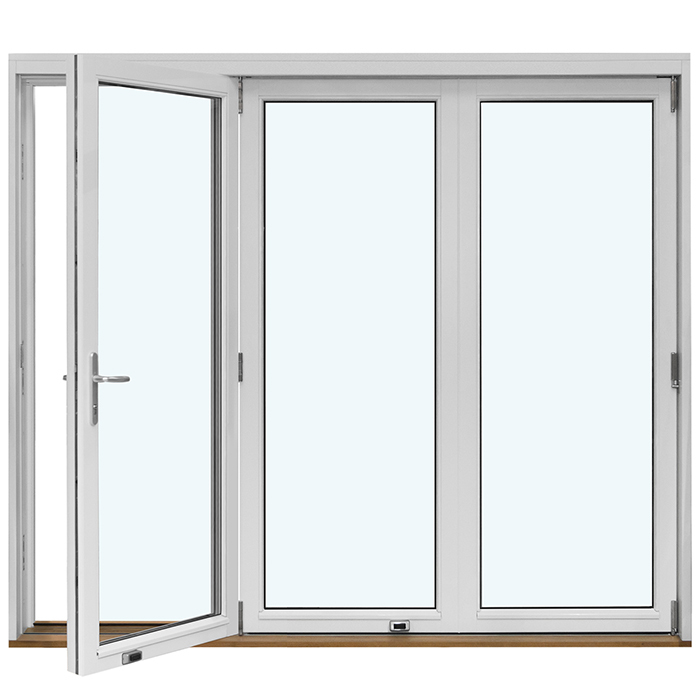
Following adjustment, repair or substitution, review the result promptly with the person doing the work and update the report. Identify the affected item, the task performed and any period during which further observation is required. For complex products such as folding doors designed to open outwards ask for another demonstration of correct use after the intervention instead of checking only one movement. Corrective work may settle operation while leaving separate questions about surfaces, junctions or nearby construction. Record those matters individually. Sign only for the aspects you were actually able to inspect, and ensure anything unresolved remains expressly marked as outstanding.
Use a written checklist when comparing quotations
Before accepting a quotation, list the matters requiring written answers. Identify the contracting party and warranty provider, the precise doors or windows included, the protected pieces and attributes, the exclusions, the commencement event, upkeep obligations, evidence requested and response offered. Add who measures, who fits, who completes each junction and where the first fault notice must be sent. Ask the supplier to connect every answer to a clause or project document rather than leaving it as a remark made during the sales discussion. You will then be comparing the practical value of each promise, not simply promotional labels.
Include delivery in the project sequence. Bloomcabin quotes 4–6 weeks, subject to the order confirmation. Align approval for manufacture, readiness of the site, the proposed fitting period and subsequent trades before making firm commitments elsewhere. For a panelled front door that opens outwards, discuss access, temporary protection while building work continues and coordination with interior finishing in advance. The product description establishes that configuration only; it does not add unstated characteristics. Accurate records, sensible sequencing and clearly identified contacts make later assessment more efficient if a genuine concern emerges.
Questions customers often ask
Does a five-year term mean every component of the window or door is protected?
No. The period tells you nothing by itself about included items or circumstances. Read the document for its defined reach, component-specific provisions, limitations and proposed response, then check those details against the order and confirmation.
Who should receive my complaint: the maker, seller or fitting contractor?
Use the contact allocated by your sales or fitting agreement as the starting point. That business can arrange the next stage of review. A warranty may identify another provider, while supply, fitting and construction junctions remain assigned to different parties. Make the notification in a written form and attach the pertinent records.
What kinds of photographs make a complaint clearer?
Take a broad image that locates the item, followed by detailed views of the concern. Include the item reference, relevant room or elevation and, if helpful, the position during operation. Label every image with a date and explanation. Photographs cannot determine the technical cause, but they preserve useful evidence of the condition before examination.
Should I try to adjust a sash that has become stiff?
Consult the user and maintenance guidance first, then notify the responsible party in writing. An unapproved intervention may complicate the investigation. If a specialist performs or directs an adjustment, record both the task and its outcome. Immediate measures to protect people or prevent worsening damage take precedence where a genuine urgent risk exists.
Which details belong in a handover report?
Record the date and project address, identify each relevant item and list visible findings, unfinished matters, promised corrective work and responsible contacts. Note the operating and maintenance documents supplied. Do not use a broad declaration that the entire job is defect-free when particular points remain unexamined or are awaiting attention.
What to do next
Warranty review belongs within both product choice and construction planning. Establish the duration, protected items, exclusions, starting point, evidence requirements and available response. Assign the product commitment, sales agreement, fitting work and building junctions to the correct participants. An orderly purchase file, unmistakable item references and an observation-based fault notice can prevent avoidable confusion. If nobody has established the technical cause, refer it to the responsible contractor or an appropriately qualified independent specialist. The warranty can then be treated as a defined, testable element of the project rather than a vague sales phrase.
