
Window security: locks, handles, glazing and evidence
A sound approach to window and door security
Selecting windows for an Irish new-build, refurbishment or one-off replacement calls for more than ticking off security extras. Key-operated handles, upgraded glass and extra locking locations can all contribute, yet each describes only one part of the unit. Performance depends on the sash and frame working with the ironmongery, glazing, anchors and installation. Give particular attention to ground-level windows, patio access and secluded utility spaces, then judge each opening according to its position and method of use instead of imposing one specification throughout. The sections below explain how to question a quotation, connect supporting paperwork to the item offered and settle the security approach before the order is placed.
Window buyer checklist 1
Map each opening before choosing security features
Begin at the plan rather than with a favourite handle. For every window or door, trace possible access from the garden, a balcony, a garage, a canopy or adjoining property. Add how exposed it is to view, what the room is used for and how often ventilation is needed. A small basement opening may be hidden, whereas a conspicuous patio door sees constant use. Rank these conditions so money, protection and convenient operation are directed to the right places instead of specifying every unit alike. Label each position as easy to reach, reachable using an aid or difficult to approach, and mark anything that still needs an on-site check by the designer.
Put fixed lights and doors on the same plan. Expanses of glass intended mainly for daylight or appearance still belong within the façade-wide approach. On new work, the handing, nearby exterior areas and lighting can be settled together at an early stage. For replacement work, consider whether shutters, fly screens, sills or reveals change access to ironmongery and handles. Identify openings that need rapid, key-free use for escape, cleaning or fresh air. Practical operation is central to the choice of handle and routine, not an afterthought. Keep facts about the location separate from preferred remedies: for example, a low sill outside describes the setting; fitting a key-operated handle is only one possible response.
Treat the whole window as the assessed product
Security performance is not created by adding stronger ironmongery to an otherwise ordinary window. Classification considers a defined combination: frame system, locking gear and keeps, hinges, glass and its retention, handle, dimensions and sash layout. Altering one detail may take the proposed unit outside the documented version. Avoid relying on loose descriptions such as “similar security”. Require the supplier to identify the precise configuration in the quotation and show that it is either the assessed construction or a permitted variation. Compare positions individually in a schedule. A single statement covering every item can conceal important differences between a regular size, a bespoke dimension and a multi-part assembly.
An inward-opening, single-sash window has an operating side that must be planned, although its name offers no proof of classification. Nor can material, glass, locks or ironmongery alone establish one. Work through each quotation position: note the claimed class, whether it covers the assembled window, and the dimensions, sash count and handing included by the document. An answer about an accessory leaves the connection with the assessed unit unresolved. Obtain position-specific confirmation in writing before approval, rather than depending on broad comments made during a sales conversation. The system designation on the certificate should also be tied to the wording later used on the confirmation, delivery paperwork and product marking.
Window buyer checklist 2
Using resistance classifications in a specification
A resistance class records performance in a prescribed test involving defined attack methods and conditions. Buyers need not learn the test procedure by heart; they do need to match the documented class to the exposure of the actual opening. Choosing a higher category cannot compensate for poor design and may alter weight, usability, glass, ironmongery and price. Equally, scattered security language should not make an unclassified or lower-rated option sound stronger than its evidence. Ask where the stated class applies and whether the final manufactured dimensions are included. List frequent airing, limited reach and heavy daily operation as separate requirements, so improved protection does not result in a window that is difficult to use.
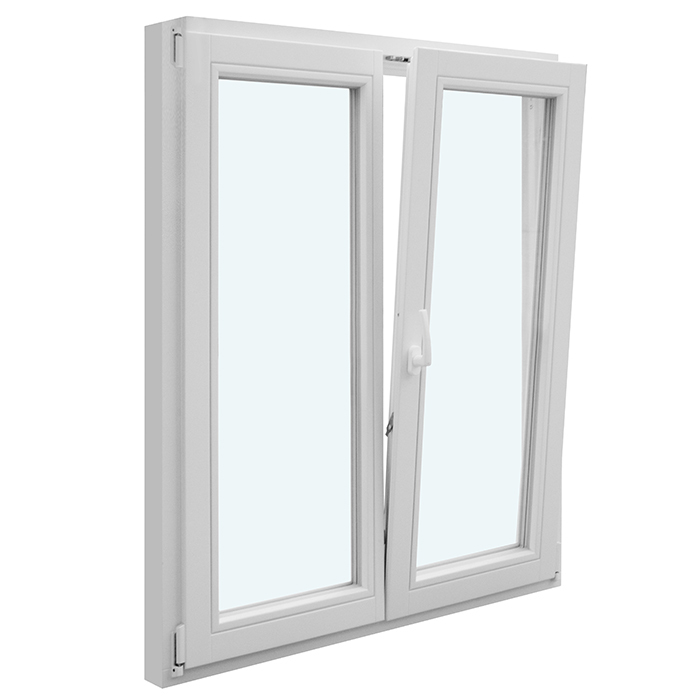
Group the openings by risk. A sheltered or easily approached ground-floor position may call for another treatment than one well above the surrounding ground. Applying one class across a façade makes the schedule simpler, but could impose avoidable constraints; using several levels demands exact position references. Include unusually shaped and oversized elements. Consider inward-opening windows with two sashes separately: the meeting stile, proportions and order of operation make them unlike a small single-sash unit. A catalogue image is not enough; ask how the chosen size maps to that exact position. When weighing alternatives, consider the class together with sash layout, operating order and the clear opening available for the room’s intended use.
Review locks and ironmongery across the sash
Several locking locations can engage a sash with its frame, but counting them says little by itself. Placement, corresponding keeps, the way everything is fixed, and suitability for the sash dimensions and opening action all influence the result. “Multi-point locking” in promotional copy does not establish that the ordered configuration has been assessed or specified. Identify the ironmongery set offered, find out how it is covered within the complete assembly, and establish the adjustment and upkeep expected once fitted. Make the quotation clear about whether it names a product range, totals separate fittings or describes performance assessed for the entire construction. Those three kinds of statement answer different questions.
Focus particularly on high-use stress points: hinges, corners, tilt-stay mechanisms and the handle area. A large sash opened repeatedly may call for a different answer than a little-used utility window. Take a single patio door opening inwards as an example: frequent passage must be balanced with exposure from outside. Establish what happens when it is locked, who controls the keys and whether everyone can follow the routine comfortably. Protection that occupants habitually defeat is ineffective in practice. Require the quotation to identify the handles, keeps and ironmongery for this position, not merely at range level. Trying a comparable display unit can reveal whether the handle height, effort needed to close and sequence of use are suitable.
Window buyer checklist 3
Judge key-operated handles in practical use
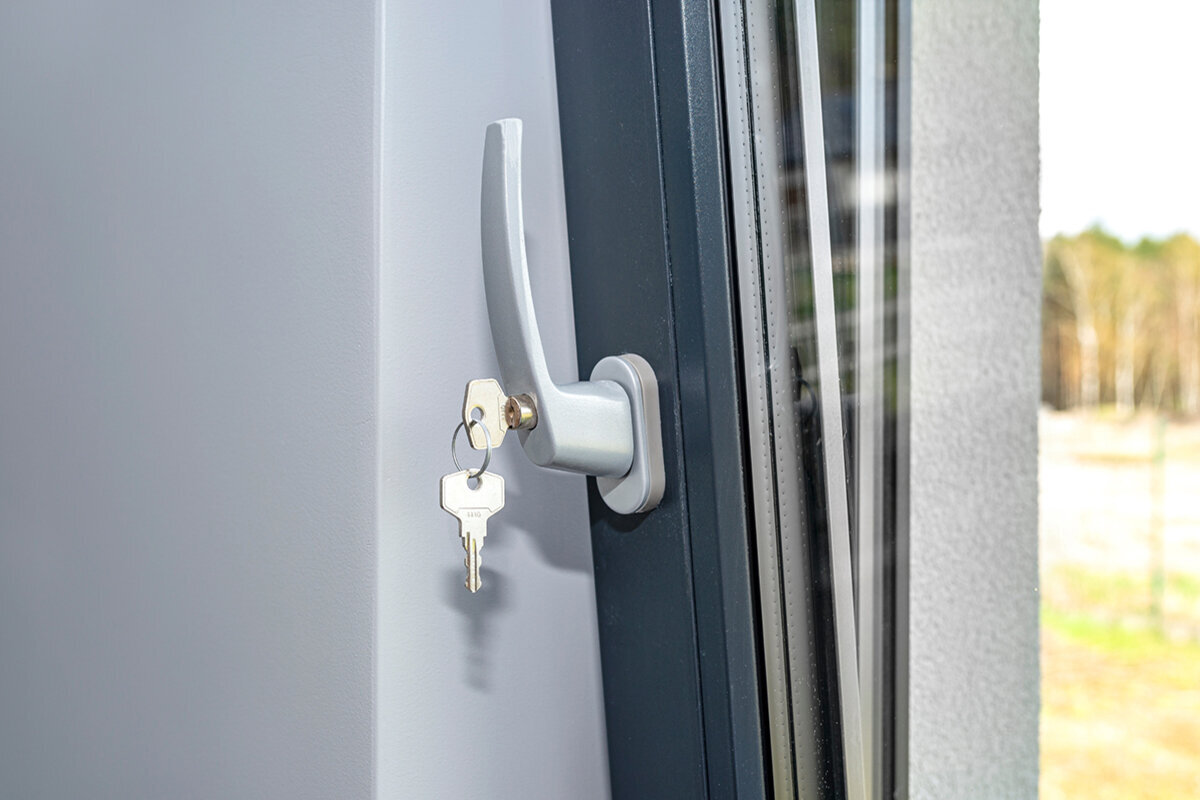
A key-operated handle can discourage someone from moving the handle and can support a consistent household routine. It does not turn the surrounding window into a proven burglary-resistant assembly. Its contribution depends on the sash, glass and ironmongery around it, plus its inclusion in the assessed specification. Test the routine against daily life. Decide how many keys are practical, who can reach them and whether they remain inserted or are kept elsewhere. An overcomplicated arrangement may discourage ventilation or lead to unsecured windows in a busy household. Ask before purchase whether handles may share one key or use separate keys. These choices concern operation; neither, by itself, confirms a resistance category.
Ergonomics matter too, particularly at rooflights, openings obscured by furniture and other awkward positions. Consider a top-hung casement that opens outwards instead of a full-height tilt-and-turn window. Establish the method of opening, handle location and a reliable way to verify closure after airing. Review the sequence against the floor plan and use a sample if needed. Have the supplier confirm that the chosen handle is included in the security documentation. If it is swapped later, ask whether the supporting evidence still covers the changed window. Requirements arising from cleaning, children’s safety or reduced hand mobility should be recorded in their own right rather than assumed to be answered by burglary protection.
Assess glass together with its frame and retention
Glass is relevant to security, yet labels such as safety glass and laminated safety glass describe only the glazing, not the assembled window. Establish the offered glass composition, its orientation, the method used to secure it within sash or frame, and its inclusion in the applicable report. The order should give a precise glass designation for every position. A display sample cannot settle the question for all versions: extra size, divisions or another opening action may need a separate glass arrangement. If the specification changes during order review, obtain written confirmation that the substitute remains within the agreed security construction. A statement that the alternative is merely “technically equivalent” is too vague.
Fixed lights show the distinction particularly well. Take a fixed-glazed window as the clearest example: there is no operating handle or moving ironmongery, but the pane, its retention, the frame and the fixing into the structural opening still matter. In a combination unit, assess the fixed section and opening sash individually. An impressive-looking adjacent pane does not verify the security of the assembly. Privacy screening, solar gain, acoustics and insulation may also shape the glass specification. Review these objectives together, so a choice made for one purpose does not inadvertently disturb the security arrangement later. Record decorative bars and divisions against each position; a visual drawing alone may not distinguish a true glass-dividing bar from another form of detailing.
Window buyer checklist 4
Give wide openings their own door specification
Large spans should be checked for both everyday operation and the limits of their paperwork. Sliding, lift-and-slide and folding systems use different mechanisms from ordinary casements, so their locks, moving panels and perimeter junctions cannot be assumed to perform alike. For each span, seek confirmation tied to its height, width, division and opening action. Then consider how it will normally be left in use. An ajar panel, unrestricted garden access or movable objects outside can change exposure even though the product is unchanged. Note the first panel to move, the required handle position and whether fixed sidelights are separately identified for glass specification and evidential coverage.
For Patio Life lift-and-slide units the name identifies the operating format; it does not establish either a resistance rating or a glass specification. Ask for the details of the offered unit rather than inferring them from branding. The threshold, finished floor and fitting design must be coordinated so that access works and the intended anchors can be installed. If a project contains several full-height units, bring the supplier, designer or installer and, where appropriate, site manager together. This reduces the risk of dimensions, junctions, drainage and security being resolved differently in separate orders. Use the current floor build-up and proposed outside levels, because a later threshold adjustment can invalidate earlier assumptions about the junction.
How to examine certificates and classification reports
Obtain paperwork that can be traced directly to the item quoted. It should identify the testing or classification body, the system and construction examined, the awarded class and every relevant restriction. Review the permitted dimensions, number of sashes, handing, glass, ironmongery and any stated extensions. A size need not always be printed exactly as ordered, provided a competent, transparent explanation shows that it falls inside the documented scope. Marketing literature, a badge or an unsupported assurance cannot perform that role. Read the complete file, including appendices and tables. Those sections commonly define covered variants, dimensional ranges and the conditions under which a classification may be assigned.
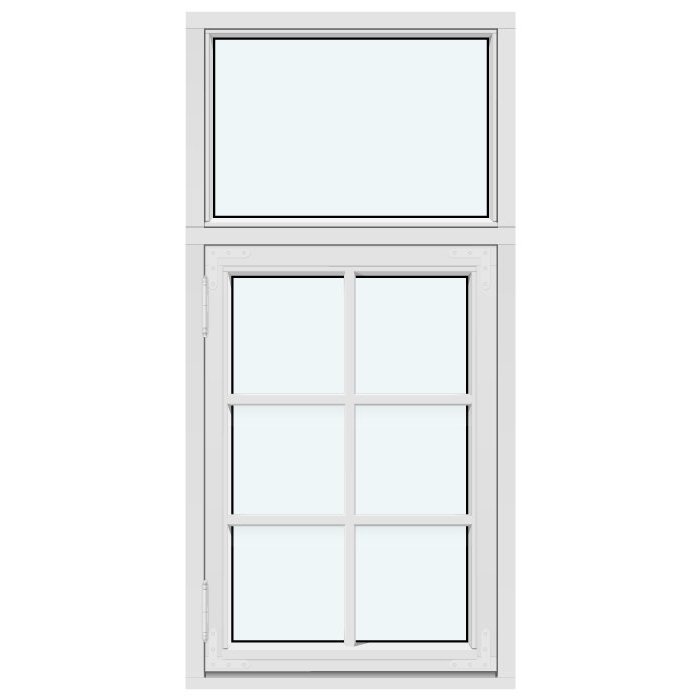
Create a written cross-reference among the report title and revision, the schedule position and the ordered build. It gives the installer and person overseeing the work a far clearer trail. Determine whether bespoke dimensions, composite units or unusual glazing-bar patterns require additional papers. Even an aesthetic change may alter the assembly. With an outward-opening “Kombi” casement in a heritage style the name says nothing about glass type or security classification, while visible bars may be made in more than one way. Write the order using exact descriptions: glazing bars, bars that divide the glass, or no bars. A traditional appearance must not imply acceptance of an undocumented security version. Maintain a separate schedule of queries, naming who must answer each one and when the reply arrived. This prevents an informal verbal comment from being mistaken for completed technical substantiation.
Window buyer checklist 5
Settle fitting details and wall junctions early
Documented performance depends on a suitable connection with the building. Frame anchors, substrate, fastener selection and spacing, load paths and reveal treatment therefore belong in the design work. Do not postpone fitting decisions until delivery. Supply the installer early with the opening schedule, dimensions, wall construction, handing and required security outcome. Confirm the system provider’s fixing directions and agree how any departure will be recorded. The qualified specialist responsible for the work should design the junction for the actual project. In an existing property, preliminary checks should also recognise that concealed conditions, old linings or the base material may remain uncertain until removal; establish beforehand who decides what to do when such conditions emerge.
For each sensitive position, use a handover sheet noting the ordered build, markings on arrival, specified glass and handle, damage seen, planned fixing and completed operation test. Its purpose is to catch substitutions or errors, not to certify workmanship. For single outward-opening patio doors allow for the sweep of the door, the outside surface and future furniture as one arrangement. Objects placed before the leaf can alter use, while a later privacy screen may affect access or handling. File the quotation, confirmation, technical evidence, fitting papers and key record in one place. That file supports future maintenance, alteration and transfer to another owner better than recollection. Where agreed with the installer, photograph labels and the exposed junction before covering it, and identify the relevant schedule position on every image.
Control the order, handover and later alterations
Give every significant opening a precise specification before placing the order. State the unit type, dimensions, handing, sash layout, selected security construction, handle, glass and the supporting document reference. Where a classification has been agreed, record it explicitly instead of using a broad term such as “burglar-resistant”. When an alternative is proposed, decide whether it only looks comparable or is covered by equivalent documentation. Availability, colour, size or glazing-bar changes may alter the construction as well as its appearance. Recheck every substitute or variation against the security brief before acceptance. Track position, current drawing, evidence confirmed, unresolved departures and approval state, so superseded information cannot slip into production.
During handover, begin by matching the delivered units to the order: count them and verify handing, labels, handles and glass details. Operate every sash and note abnormal rubbing, closing or locking. Put discrepancies on the record and settle them while the opening remains accessible. Afterwards, store keys and operating and maintenance guidance where they can be found, schedule visual and functional inspections, and call a competent specialist if damage or stiffness develops. Bloomcabin states a 5-year guarantee for windows and doors; delivery takes 4–6 weeks subject to order confirmation. Neither point verifies the security build supplied. If the glass, handle, ironmongery or junction is altered later, update the file with who carried out the work, when, why and under what technical information.
Questions buyers often ask
Can a key-operated handle provide burglary protection by itself?
No. It may improve the way an opening is controlled, but says nothing conclusive about resistance of the assembled window. Review frame, ironmongery, locks, glass, retention method, anchors and fitting as one system. Confirm that the stated security documentation actually includes the chosen handle at that schedule position.
How do I match a test report to my window?
Set the quotation beside the report and check system identity, opening action, sash count, covered sizes, ironmongery, handle and glass. Read the class together with its qualifications and any permitted variations. If the offered version is unclear, require the supplier to assign it to the report in writing; general marketing literature is insufficient.
Must every window use safety glass?
Not necessarily; the answer depends on the opening, the security plan and the project’s other needs. Do not specify the glass independently of the unit. Establish the composition intended at each position, its retention method and its coverage by the assembly evidence. The relevant design specialists should resolve the individual case.
Is it straightforward to upgrade an ordinary window later?
Replacing a handle may be possible, but it will not by itself produce a fully evidenced burglary-resistant assembly. A retrofit could involve the frame, ironmongery, glazing or anchors. Before work starts, obtain advice on a sensible intervention, the performance that can realistically be achieved and whether the original documents remain applicable.
What paperwork is worth keeping after fitting?
File the quotation, order confirmation, opening schedule, technical reports, fitting records, instructions for use and care, and the key register together. Add the handover record and the outcome of each discrepancy. This gives later repairs, maintenance or alterations a reliable account of the original window build.
What to do next
A defensible security choice starts with the full, documented window assembly, not one appealing extra. First identify the openings that are easiest to approach; then write a position-specific brief and ask every bidder for comparable particulars. A class, handle, ironmongery or glass designation is useful only when the paperwork connects their combination to the dimensions and opening action being purchased. Coordinate the fitting method before manufacture and keep a record of every revision. For a productive enquiry, provide the opening schedule, drawings or measurements and preferred operation, then ask the supplier to identify precisely which evidence covers each proposed unit.
