
A Reading Room in Your Garden Shed: Seating, Lighting and Comfort
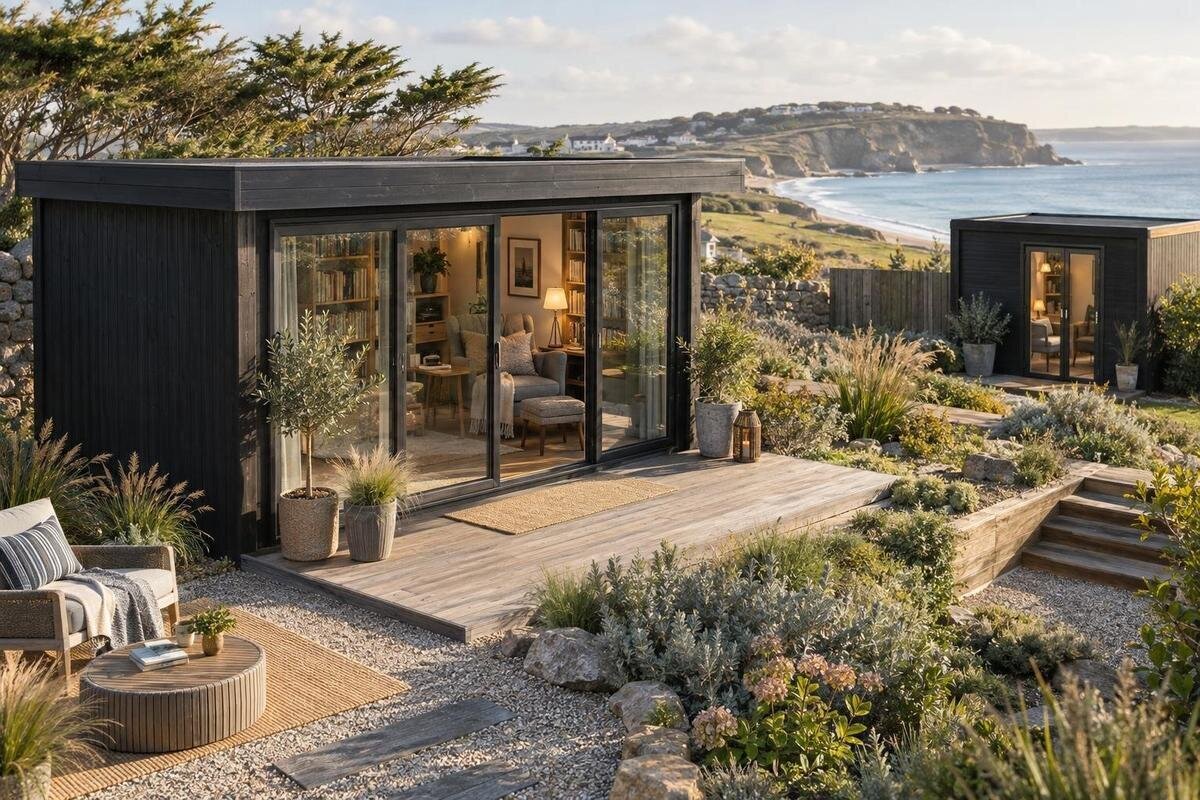
Garden shed planning
A reading room in a garden shed works best when it is planned around reading rather than decoration. The chair must fit through the entrance and leave a clear route; daylight should reach the page without persistent glare; and the building should remain dry and comfortable at the times you intend to use it. Thinking through layout, seating, lighting and outdoor conditions first helps you decide what the shed needs to provide and what can be added later.

Plan the room around the way you read
First decide whether this is a one-person retreat for short visits, a daily reading room or a shared place where two people may sit. Those uses change the floor plan: one armchair and a small stack of books take less room than two seats, a footstool and shelves for a collection. Note whether you read in daylight, after dusk or at different times of year, whether the room will double as storage, and what must stay inside. A quiet corner for occasional reading may need little beyond a chair and a lamp; a room used for longer sessions needs reliable light, a reachable surface and an easy route out. A listing such as the Verdana 1 garden shed is only a name until its written product details confirm the points that matter, including usable interior dimensions and included items.
Draw a simple plan using internal measurements from the supplier, if available, and sketch the furniture or mark its footprint on the ground. Include the chair in its usable position, a side table, shelving, the door’s opening path and enough room to stand up, turn and walk out comfortably. Measure the largest item in the direction it will pass through the entrance: a chair that fits the room on paper may not fit through the doorway assembled. Allow space to reach a window or switch, rather than simply squeezing the furniture inside. If internal dimensions, wall projections or door positions are unclear, ask before ordering. Exterior dimensions alone do not show how much space will remain for furnishings.
Use daylight without adding glare
If possible, visit the proposed spot at the hours you expect to read. Notice when direct sun reaches it, when a wall or tree casts shade, and whether a neighbouring building or fence blocks the sky. Daylight can make a small room pleasant, but a bright window directly in front of you may feel glaring, while a window behind you can reflect in a screen or make light fall unevenly on a page. Check the actual window and door positions in the product information; do not infer them from a photograph. Before planning around daylight, check the published opening layout for the Verdana 2 garden shed; a product title or catalogue image does not guarantee a particular window position.
Try the chair in more than one position on your plan. Sitting at right angles to a window can be a useful starting point, but the result depends on the sun, the view and whether you read from a book or screen. Test the arrangement at the time you expect to use the room. Consider privacy as well as brightness: a garden view may be part of the appeal, while a blind, curtain or screen may help if the seat feels exposed. Choose a covering only after you know the opening’s dimensions and how it operates. It should not obstruct the door, window or airflow, and it should not be treated as a guarantee that the room will stay cool.
Choose seating that fits the space
Choose a seat for the way you actually like to read, not just for its appearance. A compact armchair gives you a defined place to settle; a deeper lounge chair may feel more relaxed but take up more floor space. If you expect to sit for long periods, try the chair before buying where possible, read a few pages and see whether its back, seat depth and arm height feel comfortable to you. There is no single ideal shape for everyone. Check the chair’s footprint, including any recline or footrest movement, and measure it in the position you will use. For the Durano garden shed listing, compare any stated interior dimensions with your furniture measurements; a product label cannot prove that a particular chair will fit.
Leave space to get into and out of the seat, reach a side table and turn towards the door. A footstool can suit a relaxed reading position, but it should be movable or small enough not to become an obstacle when you stand up. If two people may read there, draw both chairs in and account for the route between them, as well as coats or bags. An occasional or folding seat can preserve floor space, but choose one only if it is comfortable for the time you expect to spend reading. Consider too whether the chair will pass through the doorway in one piece and remain practical when the door is open.
Position a lamp for the page
For printed books, aim for light that reaches the page without creating glare or a strong shadow from your hands. Start by deciding where the book will rest: in your lap, on a table or on a stand. A movable reading lamp makes it easier to adjust the direction; place it so that it lights the page without shining into your eyes. If you write notes or use a tablet as well, check that the lamp does not create reflections on the screen. The most useful position can differ for a left- or right-handed reader, so try the arrangement with your usual book rather than relying on a showroom set-up. Check the stated openings and fittings on the Veltor 1 listing before planning around a particular window or fitting; unclear details should be confirmed, not guessed.
Consider what happens when daylight fades, not only how the room looks at midday. A soft general light can help you move around and find a book, while a more directed lamp lights the reading area. Whatever the arrangement, check that the entrance and the page are not left in shadow. Sit in the chair after dusk with the lamp at its intended angle and look for glare, hard shadows and dark patches around the room. If you read from a screen, adjust its position to reduce reflections from the window or lamp. A light that seems comfortable from the doorway may feel awkward from the seat, so make the final check where you will actually read.
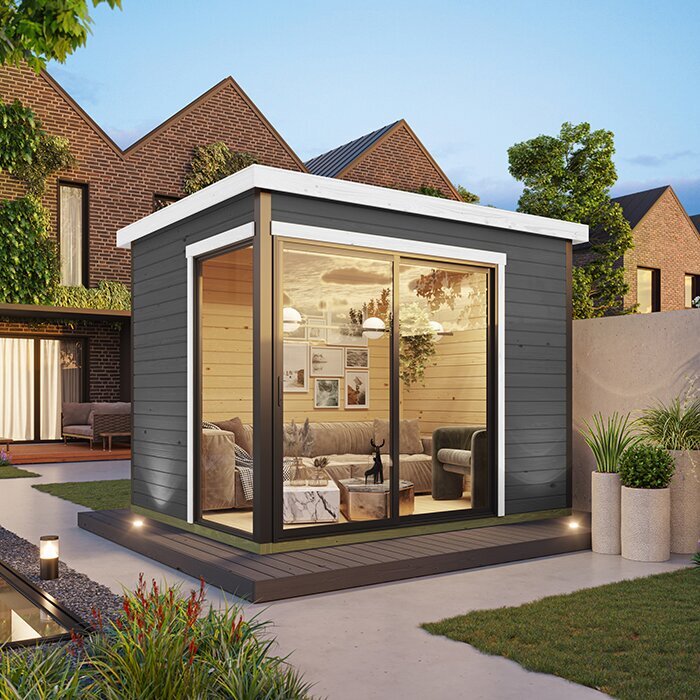
Decide how the lighting will be powered
Choose how you will power the reading light before settling the furniture arrangement. A rechargeable portable lamp avoids having to place a fixed light exactly beside the chair, but you will need a convenient charging point and a charging routine that suits your habits. A plug-in lamp needs a suitable socket within reach without a lead crossing the main walking route. If you want fixed lighting, built-in outlets or other permanent electrical work, ask a qualified electrician to assess the building and proposed arrangement. Do not assume that a garden shed is wired or suitable for a particular installation. In the Orello 1 listing, check what is actually stated about the building and included items instead of assuming it is ready for a specific lighting arrangement.
Make a rough lighting plan before ordering: mark the chair, lamp and any socket or switch you expect to use, then consider how you will enter with your hands full. Choose a charging place that stays accessible and clear of books and fabrics. A temporary extension lead is not a sound permanent plan; a qualified electrician can advise on an appropriate fixed arrangement if the room will be used regularly after dark. A battery lamp may also be useful as a portable alternative, but check its controls, charging method, size and stated operating time against the sort of reading session you expect. Leave decisions about fixed electrical work to someone competent to assess the site.
Consider temperature, air and moisture
A garden building can respond quickly to sun and changing outdoor conditions, so do not assume that it will feel like an indoor room throughout the year. Before ordering, look for product-specific information about the building’s construction, floor and openings, and ask whether its stated intended use matches the length and seasons of your reading sessions. A model name or styled photograph does not establish insulation, air-tightness or temperature performance. For Modano 1, look for product-specific construction and intended-use details; the name or image alone cannot establish all-season comfort. If information that affects your plans is missing, treat it as an unanswered buying question rather than a reason to guess, especially if you expect to heat or cool the room.
Shade and airflow matter even when the furniture is right. Notice when direct sun reaches the intended reading position and consider a suitable way to reduce glare while keeping doors and windows usable. Check what openings are available and whether they can be used in the conditions you expect. Do not assume that a portable heater, fan or air conditioner is suitable for an enclosed building; ask a qualified professional about any powered appliance or fixed wiring. Protect books and cushions by keeping them away from damp surfaces and resolving any leaks or condensation before storing them there. A simple thermometer during a trial period can help you see how the room’s temperature changes at the times you might read.
Store books without crowding the chair
Plan storage around the items you actually reach for: current books, reading glasses, a notebook, a bookmark, a charger and perhaps a blanket. A narrow shelf near the chair can save trips to the house, but it should not narrow the route to the door. Decide whether you want a small selection close by or a larger collection; storing every book in the shed can take more space than the chair itself. Use published internal measurements, where available for the Wooden Garden Shed M listing, to compare shelf depth with chair clearance. The product label alone does not tell you how much usable space will remain once the furniture is in place.
Place books where they are easy to browse and away from ground-level damp, direct sun or an opening that may be left exposed to bad weather. Keep heavier volumes on a stable lower shelf rather than in a high, narrow stack, and avoid piling books around the seat where they could obstruct movement. A side table only needs to hold the things you use; a small tray or box can keep loose items together without adding a full-size cabinet. If you plan to attach shelves to the shed, check the maker’s instructions and the wall construction first. Ask an appropriate installer if you are unsure about the fixing. A freestanding shelf can be repositioned, but it still needs a stable spot that does not block the entrance.
Make room for privacy and quiet
Quiet depends partly on where the shed sits and partly on what happens around it. If you have a choice of position, consider whether garden tools, a play area, a frequently used path or household equipment will interrupt the times you usually read. Look at the view from the chair and whether people entering the garden will pass directly beside it. A screen or carefully placed furniture may make the seat feel more private, but do not assume that a garden building blocks voices or outdoor noise. For the Wooden Garden Storage Shed S, assess the listed layout and openings against your plan; the product name cannot tell you whether a particular reading arrangement will work.
Soft furnishings may make the room feel less bare and soften echoes, but they are not a substitute for sound insulation. A rug, curtains, a cushion and a throw are easy to adjust, provided they stay dry and do not cover an opening or interfere with a door. For privacy, choose any blind or screen to fit the actual opening and check it from the seat after dark as well as in daylight. Decide whether the shed is meant to be a solitary retreat or a place where family can join you: a second seat, a small table or a quieter routine can change the atmosphere more than decorative styling. Keep the arrangement flexible until you have spent time reading there.
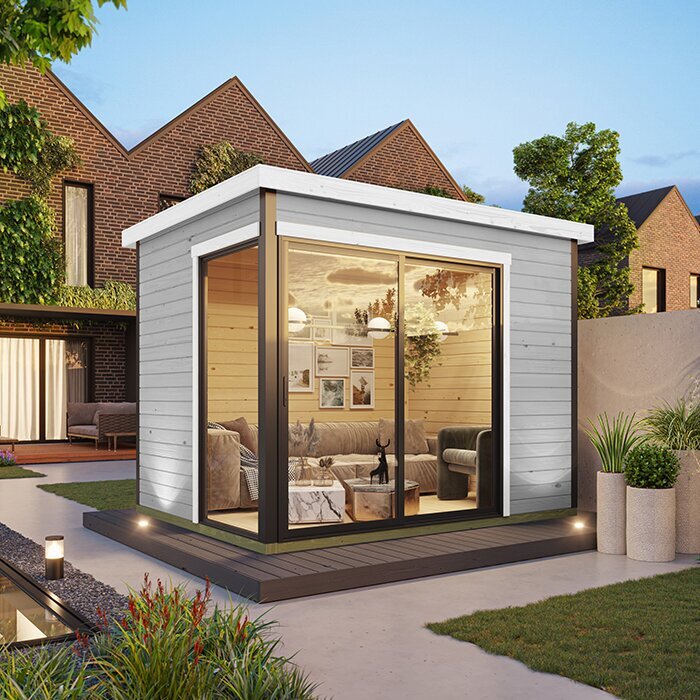
Add practical, personal details
Choose interior items that can cope with a space which may experience changing temperatures and periods when it is closed. Removable cushions, washable covers and a rug that can be lifted and dried are practical options; do not leave books or textiles against a damp surface. If you want to paint, line or otherwise alter the interior, check the shed maker’s instructions and the compatibility of the proposed finish with the building materials before buying supplies. A pale wall may reflect more light, but it will not solve every glare problem: the window, lamp direction and seat position still determine what reaches the page. If you are unsure, test the lamp with a book and a sample finish first.
Create a visual pause rather than trying to furnish every corner. A small rug can define the reading area, a favourite print can make it personal, and a basket can hold a blanket without taking up a shelf. Keep surfaces simple enough that books and notes are easy to find, and put decorative objects where they will not be knocked over as you move the chair. If you like plants, consider watering, sunlight and the risk of spills before placing one near books or electrical equipment. Choose these details after deciding where the seat and lamp belong; an attractive accessory should not reduce the space needed to reach, move or read.
Check the product details before ordering
For the exact model you are considering, check the complete product information: external and internal dimensions, ceiling height where given, door and window positions, glazing, floor details, included components, finish and any stated preparation requirements. Confirm how the product can reach its intended position and what assembly or site preparation the supplier expects. Do not assume that a floor, treatment, fixture or assembly service is included unless the listing says so. If a missing detail affects your layout, ask the retailer or manufacturer for clarification before ordering. Keep the answer with your order information so you can refer to the same confirmed details when planning the interior.
Budget for the whole reading room, not just the shed: include the chair, lamp, shelf, shading, floor or base work, delivery, assembly and any professional electrical assessment you decide is needed. Set aside space in the plan for upkeep and for carrying furniture through the entrance. These practical questions are easier to settle before the building is in place. Once the site, access, seating footprint, lighting and product details agree, furnishing becomes a matter of choosing a few useful pieces. You will have a clearer basis for ordering than if you try to make an unsuitable layout work after delivery.
Frequently asked questions
Can any garden shed work as a reading room?
Not automatically. Check its usable interior space, openings, documented construction and stated intended use against when and how long you plan to read there. If key details are missing, ask the supplier rather than assuming the building will provide indoor-room comfort.
How much space should I allow around a reading chair?
Measure the chair in the position you will use it, including any recline or footrest movement. Add the side table, a clear route to the door and space to stand up. Also check that the chair can pass through the entrance.
Where should I place the chair in relation to a window?
Try a few positions at the times you expect to read. Sitting at right angles to a window can be a useful starting point, but check for glare, reflections and privacy from the seat itself.
Is a rechargeable lamp enough for reading?
It may be, depending on the lamp and your reading habits. Test it in the chair with a book after dusk, and check its controls, charging method and stated operating time. Ask a qualified electrician about fixed lights or sockets.
Can a garden shed stay comfortable all year?
That depends on the particular building, its site and the conditions in which you want to use it. Check product-specific information about construction and openings, and ask the supplier about intended use. Do not assume a model name or photograph proves all-season comfort.
A comfortable garden shed reading room starts with the space seen from the chair: enough room to settle in, light that works on the page, a clear route to the door and conditions suited to the times you plan to read. Confirm the building’s actual details before ordering, then add seating, storage and personal touches to fit that layout. A few carefully chosen essentials will make the room easier to use than a collection of furnishings chosen before the space is measured.
