
A Simple Hot Tub Maintenance Routine for New Owners in Malta

Hot tub maintenance in Malta
New owners can find plenty of general hot tub advice, but a useful routine has to match the equipment they actually have. A manageable approach is to separate checks after a soak from recurring water care and other maintenance, then take each method and timing from the current instructions for the exact model. For owners in Malta, this guide provides a practical framework for organising that work, not a replacement for the manufacturer’s directions. A short checklist and a simple log can make tasks easier to share, reveal what is still unclear, and prevent a guess from becoming part of the routine.
Start with the instructions for your exact model
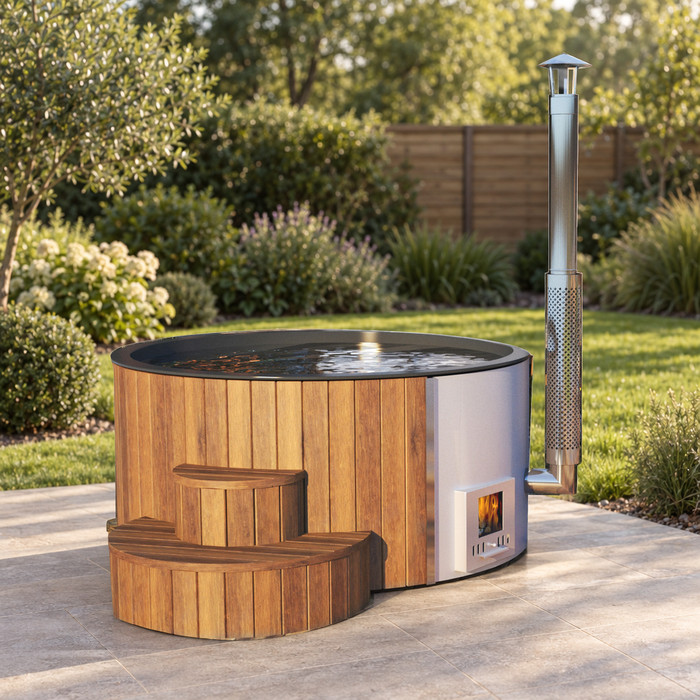
Start with the current instructions supplied for the exact hot tub you own, including any separate water-care sheet or accessory guide that applies to your set-up. Keep them together in a place everyone who looks after the tub can find. Record the model name and any other identification printed in the documents; do not choose a guide just because its photographs or wording seem familiar. A product title or image may help identify a listing, but it does not establish the operating steps, maintenance requirements or timing. If the manual is missing, unclear or appears to describe another version, request the correct document before turning advice into a task. Note a revision date if one is shown.
Read the relevant pages once and mark where they explain checks after use, water testing and treatment, filter care if applicable, surface care if specified, and the boundary between owner tasks and service work. You do not need to memorise them; note a page or section beside each checklist item. When asking about Bloomcabin Hot Tub Cove 2, use the exact name to help the seller identify the listing, then request matching current instructions. The catalogue name is not evidence of its maintenance routine. If several documents apply, ask which covers each task and save the answer with the manual so later advice does not become a conflicting extra sheet.
Build a short checklist for after each use
Keep the after-use checklist separate from recurring tasks, so the end-of-session routine does not become a catch-all maintenance list. Build it from actions the manufacturer assigns to the period after use; do not assume that every hot tub shares one sequence. Write each item as a plain action and state when it is complete, using the manual’s wording wherever timing matters. If an item applies only under a named condition, record that condition rather than placing it on every visit. This keeps one-off or occasional checks distinct and makes it easier for several users to follow the same routine without relying on memory or a verbal handover.
If the instructions mention a cover, display, access point or another component, add only the check they actually specify; do not invent a normal reading or a closing sequence. If you are considering Bloomcabin hot tub Haven 6, ask the supplier to explain its after-use requirements so you can judge how they would fit your routine. Place the finished checklist somewhere easy to consult before and after a soak, and agree who marks each item complete. If a step remains unclear, mark it for follow-up rather than filling the gap with another owner’s routine.
Schedule recurring water-care tasks from the manual
Put recurring water-care tasks on a calendar only after noting the timing or trigger stated in the current guidance for your model. Instructions may distinguish between a task due after use, one that recurs on a stated schedule, and one required only when a defined condition applies; preserve those distinctions rather than merging everything into a repeated reminder. Avoid adopting a schedule from a general online checklist or another owner. Each calendar entry should say what to do, what makes it due and where the procedure is described. That way, if a reminder is missed, you can tell whether it is overdue or depends on an event that has not occurred.
Separate regular water-care reminders from one-off start-up directions and from work that the instructions reserve for a service professional. Record the model and document revision alongside the schedule, and review it if the manufacturer issues updated guidance. Before buying Bloomcabin Hot Tub Fjord 8, ask which recurring tasks you would need to schedule and what determines when they are due. If the guidance sets different timing in different circumstances, record each condition explicitly instead of averaging or combining the instructions. The result is a usable personal calendar, not a universal timetable that may be wrong for your tub.
Follow the stated test and treatment procedure
Testing and treatment are easier to organise when the procedure, result and response are written as separate steps. Find the test method and interpretation guidance specified for the exact tub, then record how to carry out the test and which reference to use for its result. Use only water-care products allowed by the applicable instructions and follow the directions on the product label as well. This guide cannot set a dose or target: those details must come from current model instructions and the relevant product directions. Preserve the stated measurement units and method instead of converting figures or borrowing a chart intended for a different system.
After a test, log the date and the result as displayed, including its unit or scale, then record any action taken and the instruction that called for it. Keep a result separate from an interpretation; writing down a number is not the same as deciding what adjustment is appropriate. Do not use appearance alone, a social-media comment or a dose copied from another owner to fill a gap. If a result falls outside the supplied guidance, you cannot interpret it, or the permitted product is uncertain, pause and ask the manufacturer or seller for model-specific advice. If you are considering Bloomcabin hot tub Aurora 10, request its applicable water-care instructions rather than assuming a routine.

Include filter and surface care only where required
Include filter and surface care only where the instructions for your configuration assign an owner task. First identify what part or finish the manual is referring to, then note whether the task has a stated schedule, a condition that makes it due, or a service boundary. Copy the approved method and named supplies as written; do not substitute a technique used on a different tub or assume a common household product is suitable. If the instructions direct a task to a service person, keep that boundary visible in your notes. This is enough to schedule the work without turning the routine into a guide to filter systems or surface-cleaning methods.
When reviewing the upkeep of the Bloomcabin Cove 2 hot tub, ask the seller which filter and surface tasks, if any, apply to the exact product and which written instructions cover them. Keep any confirmed task in a separate part of the schedule so it is not mistaken for a check after every soak. If the answer is given verbally, request the relevant manual section or written explanation. That makes it easier to repeat the prescribed care consistently and avoids buying tools or products before their suitability is confirmed.
Use a simple log to track maintenance
A simple log helps several users hand over the routine and shows what has actually been completed. For each entry, record the date, task, reason it was due and the source that states its timing; for a test, copy the result and its unit or scale. Note an action or follow-up only when relevant. Keep observations separate from conclusions: a recorded result is more useful than a vague note such as ‘water fine’ that cannot be checked against the proper instructions. A notebook, printed page or digital file can work. Choose a format that the people doing the care can update promptly, not one that looks elaborate but is rarely used.
Put the exact model name and manual version at the top, and keep supplier answers or revised directions beside the tasks they affect. If you choose the Haven 6 hot tub, start its log with the applicable instructions and any care questions clarified during the purchase. If a task was missed, record that honestly and note what advice you sought, instead of entering an assumed completion or result. You can also use a simple question field for a reading or procedure you do not understand. The log is a memory aid and history, not a substitute for the manual or a treatment decision chart.
Review the routine when use changes
Review the routine when the way the hot tub is used changes. More frequent use, longer gaps between sessions, additional users, or a change in who does the maintenance may make old reminders harder to follow or raise a question about different instructions. Do not respond by automatically doubling a task, skipping it or creating a new interval. Check whether the manual names a condition that applies, and ask the supplier or manufacturer if it does not explain the change. Separate a temporary exception from a lasting change, so the calendar returns to its usual basis when the exception ends. Update the shared checklist and calendar together so everyone has the same version.
When considering the Bloomcabin Fjord 8 hot tub, ask whether its written care guidance covers the pattern of use you expect. Use each review to check that the person responsible can find the current guide and identify any required supplies. Record what changed, why it changed and which document or supplier response supports the revision. If the guidance does not explain how to handle the change, request clarification rather than experimenting. If a revision adds tasks, update your time and supply notes as well.
Plan for the time and supplies involved
Be realistic about the time and supplies each documented task requires. For every reminder, note who will do it, what the manual or product directions name, and whether the task is a quick check, a longer owner procedure or something that needs outside support. Estimate hands-on time only after you understand the actual steps; do not use a guess as a reason to shorten them. Keep a list of confirmed supplies and where you can ask about replacements, but check compatibility with your exact model rather than following generic recommendations. If ownership is shared, decide who monitors supplies as well as who completes the work.
When reviewing the Aurora 10 product listing, request current care documents, the list of required supplies, any documented timing, and the route to model-specific support in Malta. Ask the seller to separate routine owner supplies from optional items and professional service, and clarify what, if anything, is included. A basic budget, if you need one, should be built from confirmed supplies, their current local prices and the usage described in the manual, not an invented monthly figure. This links the purchase decision to the work you can genuinely take on.
Compare documented upkeep before you buy
Ask each seller the same questions and compare the documents rather than the amount of promotional wording. List what you must check after use, which water-care tasks recur and what makes them due, whether the manual assigns filter or surface care to the owner, what supplies are required, and which tasks call for support. Request current written guidance so you can distinguish a confirmed requirement from an answer still to be checked. If the timing or supply list is missing, write ‘to confirm’; do not treat silence as proof that no task or supply is needed.
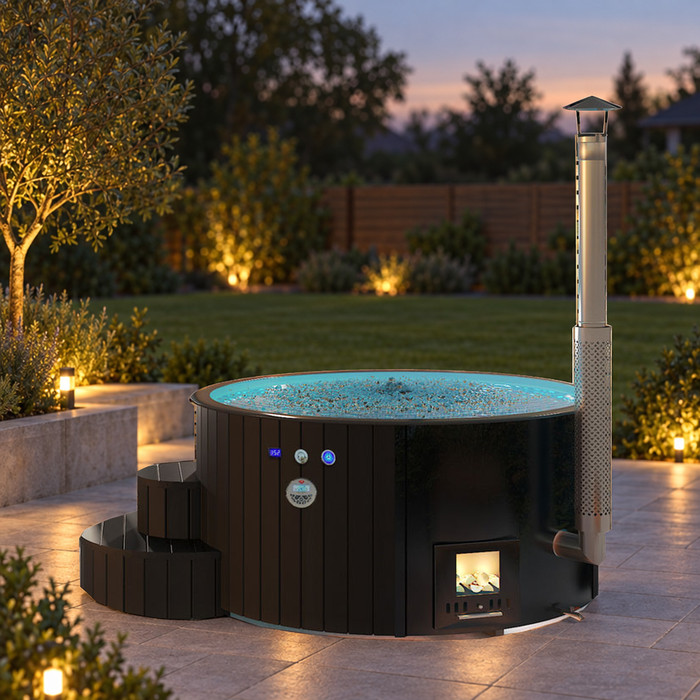
Compare that confirmed routine with the time you can reliably set aside, your ability to keep supplies available, and who will carry out the work. A short list is not automatically easier if the steps are unclear or support is difficult for you to arrange; a longer list may still be manageable if its requirements are clear and fit your schedule. Ask for model-specific details before you commit and save the answers with your comparison. Do not treat a number in a model name, a product photograph or a broad description such as ‘low maintenance’ as evidence of upkeep or suitability.
Ask for advice when instructions leave a gap
Ask for model-specific advice whenever instructions conflict, a procedure is not explained, you cannot confirm a care product, or a test result cannot be interpreted using the supplied directions. Pause the uncertain task instead of inventing a dose, interval or method. Contact the seller or manufacturer with the exact model name, manual version, step in question and any result or observation you recorded. A focused question is more likely to receive a useful answer than a general request for maintenance tips. Save the response and identify which instruction it clarifies or replaces before changing the checklist; ask for the answer in writing if needed.
If a task involves an unfamiliar fault, an internal component or work beyond the owner maintenance described in the manual, ask the manufacturer or supplier who should assess it. Do not open equipment or attempt a repair just to complete a checklist. For work involving electrical or other installed equipment, use an appropriately qualified professional and follow the relevant product instructions; this guide does not provide installation or repair steps. If the manual and seller cannot resolve the issue, leave the task for suitable service support rather than experimenting. A written limit on owner tasks is part of a workable routine.
Frequently asked questions
What should I check after every soak?
Use the after-use steps in the current instructions for your exact model. They may specify particular checks, but do not assume every hot tub has the same controls or closing sequence. If a step is unclear, ask the supplier or manufacturer before adding it to your checklist.
How often should I test or treat the water?
Follow the timing, method and response given in your model’s current water-care guidance. There is no generic interval or dose in this guide. Copy the applicable instructions into your calendar, including any stated condition that makes a task due.
Can I use the same treatment products and doses as another owner?
Do not assume another owner’s products, dose or routine applies to your hot tub. Check which products the applicable instructions allow, follow their labels, and ask the manufacturer or supplier if anything is uncertain.
Should filter and surface care be part of every routine?
Include these tasks only if the instructions for your exact model and set-up assign them to the owner. Record the stated method and timing, and ask whether a task belongs with a service professional if the manual does not make that clear.
What should I ask before buying a hot tub?
Request current model-specific instructions for after-use checks, recurring care, applicable filter or surface tasks, required supplies and support. Compare the documented work with the time you can set aside. If you are budgeting, check the current price of confirmed supplies rather than relying on an assumed monthly total.
A good maintenance routine is one you can follow because every task has a clear instruction, a defined time or condition that makes it due, and a record of completion. Keep the after-use list separate from recurring care, and leave uncertain procedures for the manufacturer or supplier to clarify. The result is not a universal schedule, but a practical plan built around your hot tub’s current instructions and the time you can realistically commit to it.
