
Aluminium Lean-to Greenhouses: A Complete Guide
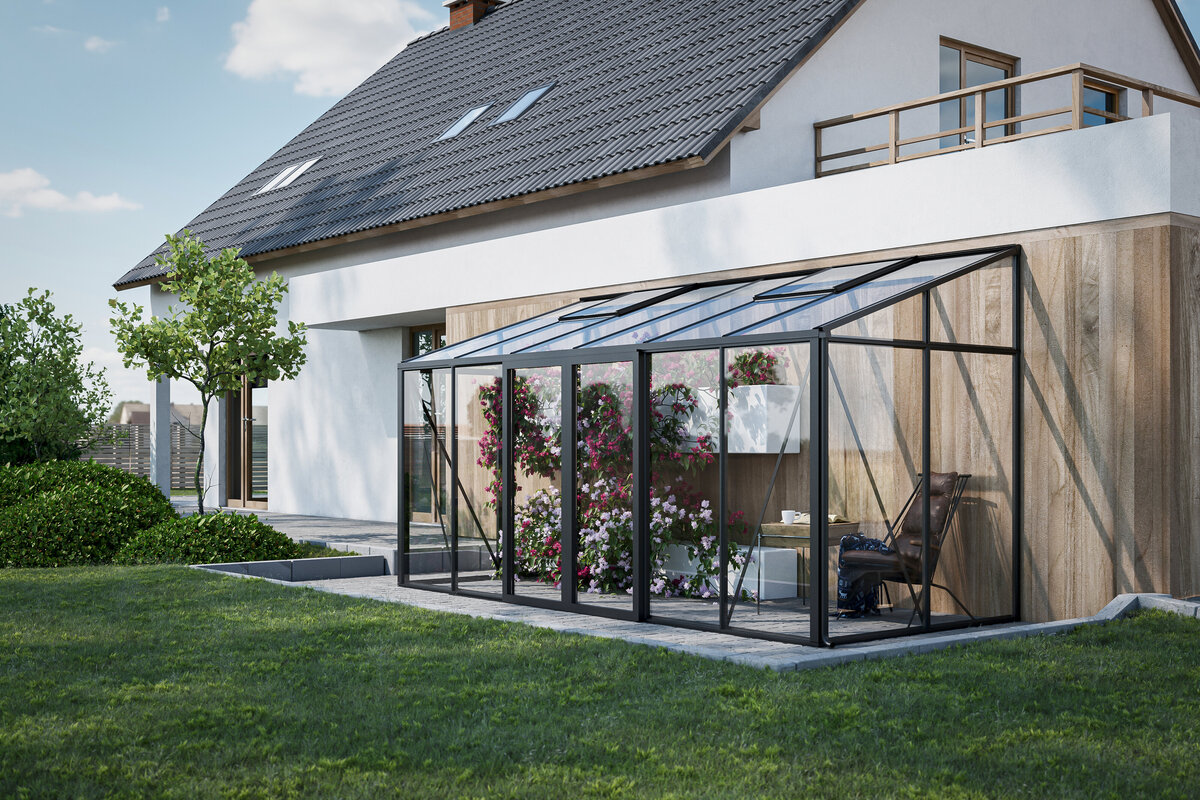
Aluminium lean-to greenhouses are a practical, attractive addition to a garden, combining useful growing space with a refined appearance. This guide explores the benefits, features and best practices for choosing and maintaining an aluminium lean-to greenhouse. Whether you are an experienced grower or just starting out, it will help you make a well-informed choice for your outdoor space.
Benefits of Aluminium Lean-to Greenhouses
- Space saving: Lean-to greenhouses are designed to sit against an existing wall, making them ideal for gardens where space is limited. This layout makes efficient use of the available area while benefiting from warmth retained by the adjoining structure.
- Durability and strength: Aluminium is strong, long-lasting and resistant to rust and corrosion. A well-made frame can cope with changing weather while requiring relatively little upkeep over time, making it a dependable choice for regular garden use.
- Light and heat retention: Positioning a lean-to greenhouse beside a wall can help retain warmth, particularly on a sunny aspect. It maximises daylight and can benefit from heat absorbed by the wall, creating a supportive environment for plant growth.
- Versatile use: Lean-to greenhouses suit many purposes, from raising vegetables and flowers to creating a calm garden retreat. They can also provide useful protected space for tender plants during cooler, wetter periods of the year.
Key Features to Consider
- Material quality: Check that the aluminium is of good quality and built to provide both strength and durability. Anodised aluminium is an excellent option because its finish offers an additional layer of protection against corrosion.
- Glazing options: Choose polycarbonate or toughened safety glass. Polycarbonate is lightweight and provides good insulation, while toughened glass delivers excellent clarity and high durability.
- Ventilation: Effective ventilation is essential for a healthy growing environment. Look for adjustable roof vents and opening windows that allow you to manage temperature and humidity, especially during Malta’s warm, bright months.
- Customisation: Choose a greenhouse with options for different sizes, colours and useful additions such as shelving or shading systems. This makes it easier to tailor the structure to your garden, growing plans and preferred style.
- Straightforward assembly: Consider greenhouses supplied with clear instructions and a manageable assembly process. If you are unsure about your DIY skills, ask about installation availability, location, price and timing before placing your order.
Best Practices for Installation and Care
- Positioning: Place your lean-to greenhouse where it receives suitable sunlight, on level ground with good drainage to prevent standing water. Before ordering or installing it, ask a perit to confirm its Planning Authority classification and any site-specific requirements.
- Foundation: A firm foundation is important for greenhouse stability. Concrete or treated timber are popular choices. Make sure the base is slightly raised where appropriate, helping to reduce water ingress and protect the structure.
- Regular cleaning: Keep glass or polycarbonate panels clean to preserve light transmission. Wash them regularly with mild detergent and water, removing dirt and algae before they reduce the light available to plants.
- Seasonal maintenance: Inspect the greenhouse structure at least once each year. Tighten loose fixings, check seals around the glazing and replace damaged components promptly to keep the greenhouse weather-resistant and in good working order.
- Pest control: Keep pests in check by inspecting plants and the greenhouse interior regularly. Where practical, use non-chemical controls to avoid residues, and verify that any plant-protection product is authorised for its intended use in Malta.
Making the Most of Greenhouse Growing
- Temperature control: Use a thermostat-controlled heater during cooler spells and an automatic vent opener in hot weather. If fixed wiring is required, use a REWS-authorised professional with the appropriate scope and confirm testing and certification.
- Watering systems: Automated watering, such as drip irrigation, can save time and help plants receive a consistent amount of water. Consider rainwater collection too, as it can make everyday greenhouse watering more resource-conscious.
- Lighting: Supplement natural light with grow lights when plants need extra support during shorter winter days. LED grow lights are energy-efficient and can help encourage healthy growth when daylight is limited.
- Shelving and storage: Make better use of the interior with shelving and storage solutions. They keep tools and pots organised while freeing up more of the available area for growing plants.
- Shading: Use shade netting or blinds to protect plants from intense sun and help prevent overheating. Adjustable shading lets you control the amount of light entering the greenhouse as conditions change through the seasons.
Conclusion
An aluminium lean-to greenhouse is a worthwhile investment for keen gardeners. It offers efficient use of space, durable construction and improved growing conditions. By considering the key features and practical advice in this guide, you can create a productive garden space to enjoy for years. Explore the range of quality aluminium lean-to greenhouses from Bloomcabin to find a solution suited to your garden.
Choosing an aluminium lean-to greenhouse from Bloomcabin is not only about enhancing your garden’s appearance; it is about creating a sustainable, efficient and enjoyable way to grow.
